

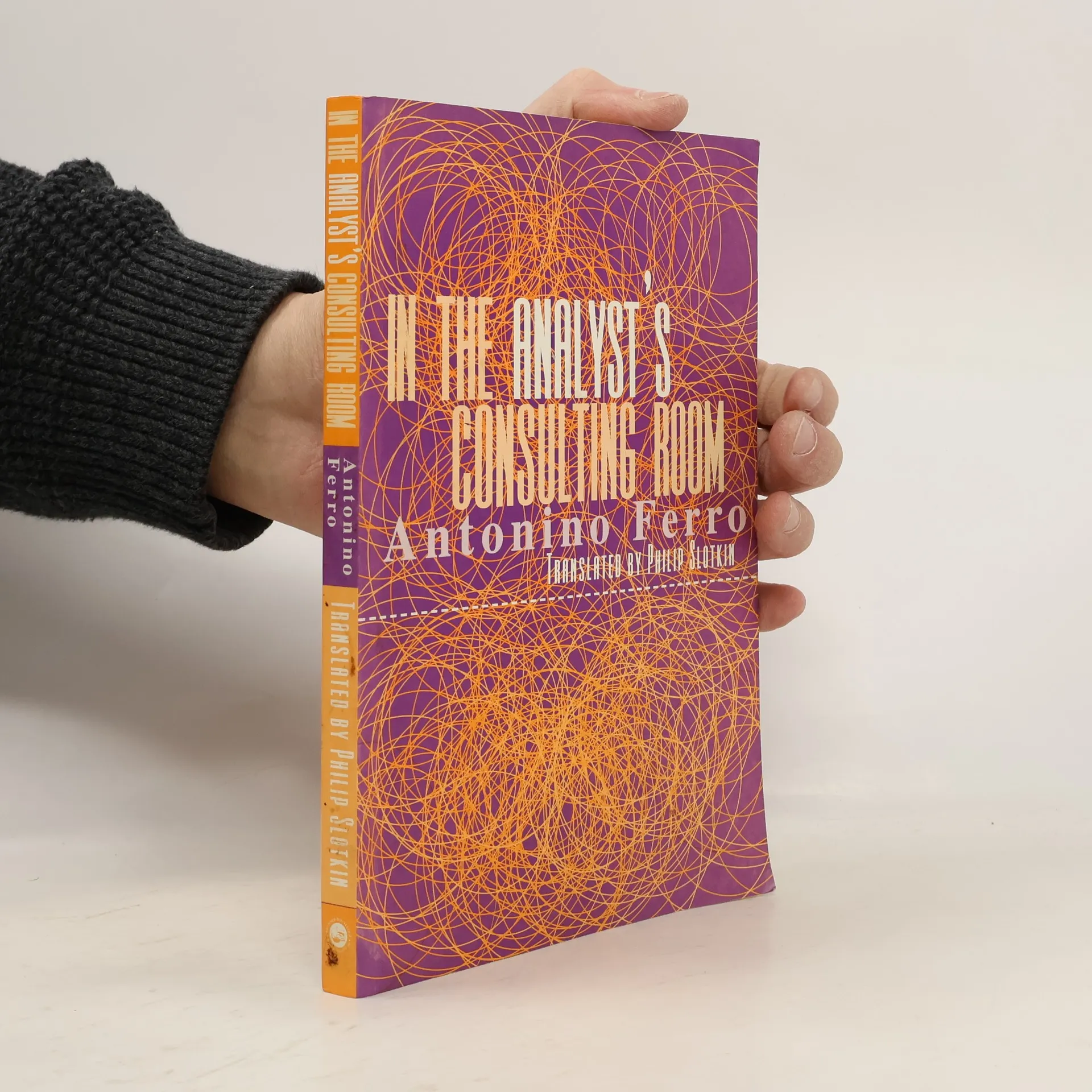
More about the book
In The Bi-Personal Field: Experiences in Child Analysis, Antonino Ferro devised a new model of the relationship between patient and analyst. In the Analyst's Consulting Room complements and develops this model by concentrating on adults. From the standpoint of the "analytic field", Antonino Ferro explores basic psychoanalytic concepts, such as criteria for analysability and ending the analysis, transformations that occur during the session, the impasse and negative therapeutic reactions, sexuality and setting. The author explores certain themes in greater depth, including: * ways in which characters that appear during sessions can be interpreted * continual indications given by the patient during the emotional upheavals of the field * the function of "narrator" which the analyst takes on to mark the boundaries of the possible worlds. Through clinical narrative, Ferro renders Bion's often complex ideas in a very personal and accessible way, making this book invaluable for psychoanalysts, psychotherapists, psychiatrists and psychologists.
Book purchase
In the Analyst's Consulting Room, Antonino Ferro, Philip Slotkin
- Language

- Released
- 2002
- Binding
- (Paperback)
Payment methods
We’re missing your review here.
- Title
- In the Analyst's Consulting Room
- Language
- English
- Authors
- Antonino Ferro, Philip Slotkin
- Publisher
- Routledge
- Released
- 2002
- Format
- Paperback
- Pages
- 178
- ISBN10
- 1583912223
- ISBN13
- 9781583912225
- Series
- Categories
- Tags
- Psychological Topics, Philosophical Topics, Mental Health, Psychotherapy, Psychoanalysis, Human Mind
- Rating
- 4 out of 5
- Description
- In The Bi-Personal Field: Experiences in Child Analysis, Antonino Ferro devised a new model of the relationship between patient and analyst. In the Analyst's Consulting Room complements and develops this model by concentrating on adults. From the standpoint of the "analytic field", Antonino Ferro explores basic psychoanalytic concepts, such as criteria for analysability and ending the analysis, transformations that occur during the session, the impasse and negative therapeutic reactions, sexuality and setting. The author explores certain themes in greater depth, including: * ways in which characters that appear during sessions can be interpreted * continual indications given by the patient during the emotional upheavals of the field * the function of "narrator" which the analyst takes on to mark the boundaries of the possible worlds. Through clinical narrative, Ferro renders Bion's often complex ideas in a very personal and accessible way, making this book invaluable for psychoanalysts, psychotherapists, psychiatrists and psychologists.