

Parameters
- 512 pages
- 18 hours of reading
More about the book
For Fauziya Kassindja, an idyllic childhood in Togo, West Africa, sheltered from the tribal practices of polygamy and genital mutilation, ended with her beloved father's sudden death. Forced into an arranged marriage at age seventeen, Fauziya was told to prepare for kakia, the ritual also known as female genital mutilation. It is a ritual no woman can refuse. But Fauziya dared to try. This is her story--told in her own words--of fleeing Africa just hours before the ritual kakia was to take place, of seeking asylum in America only to be locked up in U.S. prisons, and of meeting Layli Miller Bashir, a law student who became Fauziya's friend and advocate during her horrifying sixteen months behind bars. Layli enlisted help from Karen Musalo, an expert in refugee law and acting director of the American University International Human Rights Clinic. In addition to devoting her own considerable efforts to the case, Musalo assembled a team to fight with her on Fauziya's behalf. Ultimately, in a landmark decision in immigration history, Fauziya Kassindja was granted asylum on June 13, 1996. Do They Hear You When You Cry is her unforgettable chronicle of triumph.
Language


Book purchase
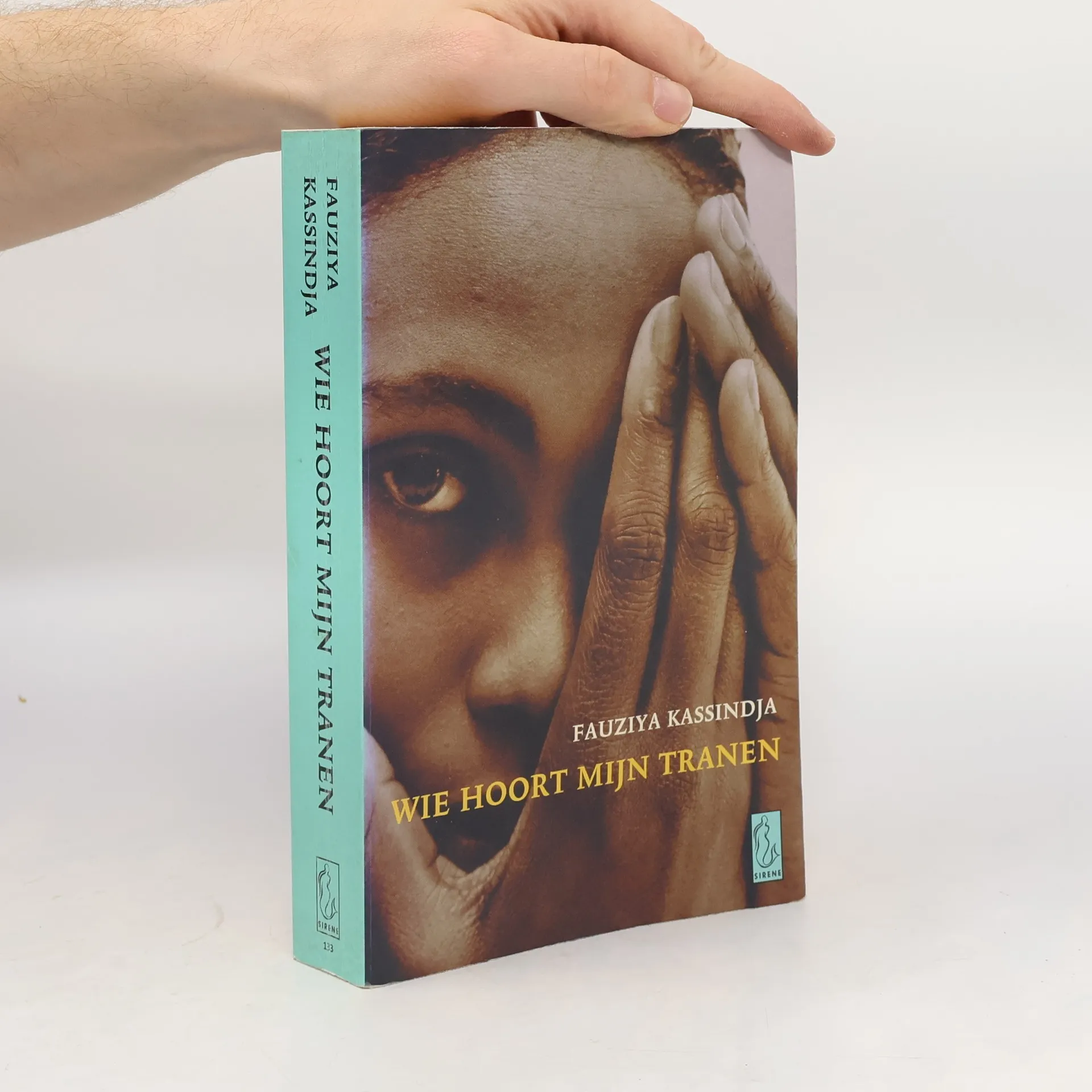
Wie hoort mijn tranen / druk 4, Fauziya Kassindja, Layli Millwe Bashir
- Language

- Released
- 1999
- Binding
- (Paperback)
Payment methods
We’re missing your review here.
- Title
- Wie hoort mijn tranen / druk 4
- Language
- Dutch
- Authors
- Fauziya Kassindja, Layli Millwe Bashir
- Publisher
- Sirene
- Released
- 1999
- Format
- Paperback
- Pages
- 512
- ISBN10
- 9058311422
- ISBN13
- 9789058311429
- Series
- Categories
- Rating
- 4.35 out of 5
- Description
- For Fauziya Kassindja, an idyllic childhood in Togo, West Africa, sheltered from the tribal practices of polygamy and genital mutilation, ended with her beloved father's sudden death. Forced into an arranged marriage at age seventeen, Fauziya was told to prepare for kakia, the ritual also known as female genital mutilation. It is a ritual no woman can refuse. But Fauziya dared to try. This is her story--told in her own words--of fleeing Africa just hours before the ritual kakia was to take place, of seeking asylum in America only to be locked up in U.S. prisons, and of meeting Layli Miller Bashir, a law student who became Fauziya's friend and advocate during her horrifying sixteen months behind bars. Layli enlisted help from Karen Musalo, an expert in refugee law and acting director of the American University International Human Rights Clinic. In addition to devoting her own considerable efforts to the case, Musalo assembled a team to fight with her on Fauziya's behalf. Ultimately, in a landmark decision in immigration history, Fauziya Kassindja was granted asylum on June 13, 1996. Do They Hear You When You Cry is her unforgettable chronicle of triumph.