

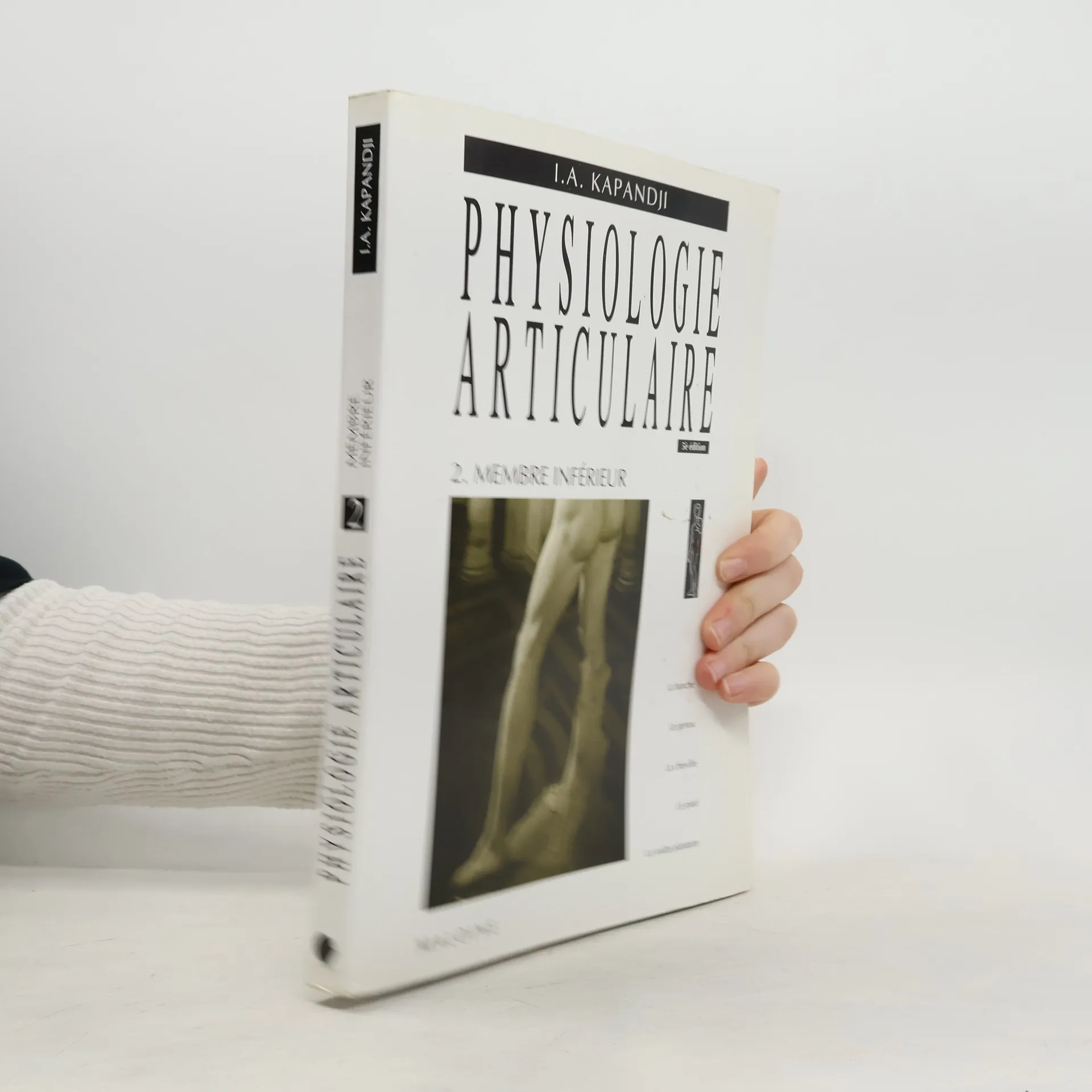

Physiologie articulaire
Vol 2. Member inferieur
Authors
More about the book
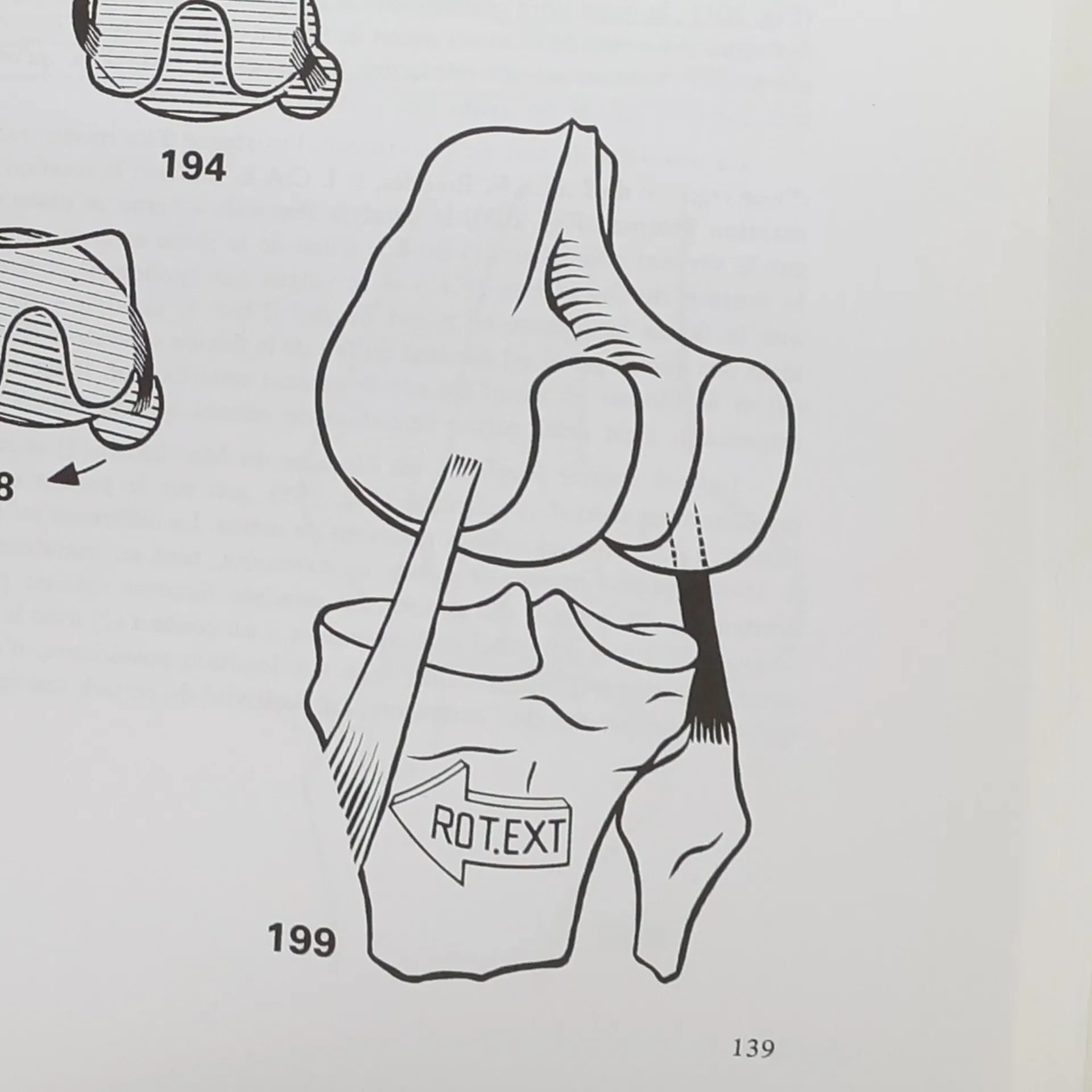
Now in its sixth edition, The Physiology of the Joints Volume Two - The Lower Limb is illustrated in full colour, rewritten and enriched with new text. Conceived and written over forty years ago, it has brought back to centre stage biomechanics, which previously was dismissed as anecdotal in works on human anatomy. As a result of this impetus every work on anatomy nowadays covers in depth the functional features of the locomotor apparatus; in short, biomechanics has become a science that cannot be ignored. This book will be a valuable text for manual therapists, physical therapists, massage therapists, and osteopaths interested in the biomechanics of the human body. A synoptic diagram showing the factors affecting the stability of the kneeExplanation of the presence of two bones in the leg, based on an understanding of the functional anatomy of the ankleThe idea of the universal joint as applicable to the ankle-hindfoot articular complexThe vital concept of viewing the leg as compartmentsA new chapter on the physiology of walkingA synoptic table of the nerves of the lower limbAppendix with updated mechanical models of three-dimensional diagrams that can be assembled, providing a teaching tool for student and teacher alike
Book purchase
Physiologie articulaire, Kapandji A.I.
- Language

- Released
- 1999
- Binding
- (Paperback)
Payment methods
No one has rated yet.
- Title
- Physiologie articulaire
- Subtitle
- Vol 2. Member inferieur
- Language
- French
- Authors
- Kapandji A.I.
- Publisher
- Maloine
- Released
- 1999
- Format
- Paperback
- Pages
- 270
- ISBN10
- 2224010524
- ISBN13
- 9782224010522
- Series
- Description
- Now in its sixth edition, The Physiology of the Joints Volume Two - The Lower Limb is illustrated in full colour, rewritten and enriched with new text. Conceived and written over forty years ago, it has brought back to centre stage biomechanics, which previously was dismissed as anecdotal in works on human anatomy. As a result of this impetus every work on anatomy nowadays covers in depth the functional features of the locomotor apparatus; in short, biomechanics has become a science that cannot be ignored. This book will be a valuable text for manual therapists, physical therapists, massage therapists, and osteopaths interested in the biomechanics of the human body. A synoptic diagram showing the factors affecting the stability of the kneeExplanation of the presence of two bones in the leg, based on an understanding of the functional anatomy of the ankleThe idea of the universal joint as applicable to the ankle-hindfoot articular complexThe vital concept of viewing the leg as compartmentsA new chapter on the physiology of walkingA synoptic table of the nerves of the lower limbAppendix with updated mechanical models of three-dimensional diagrams that can be assembled, providing a teaching tool for student and teacher alike