

More about the book
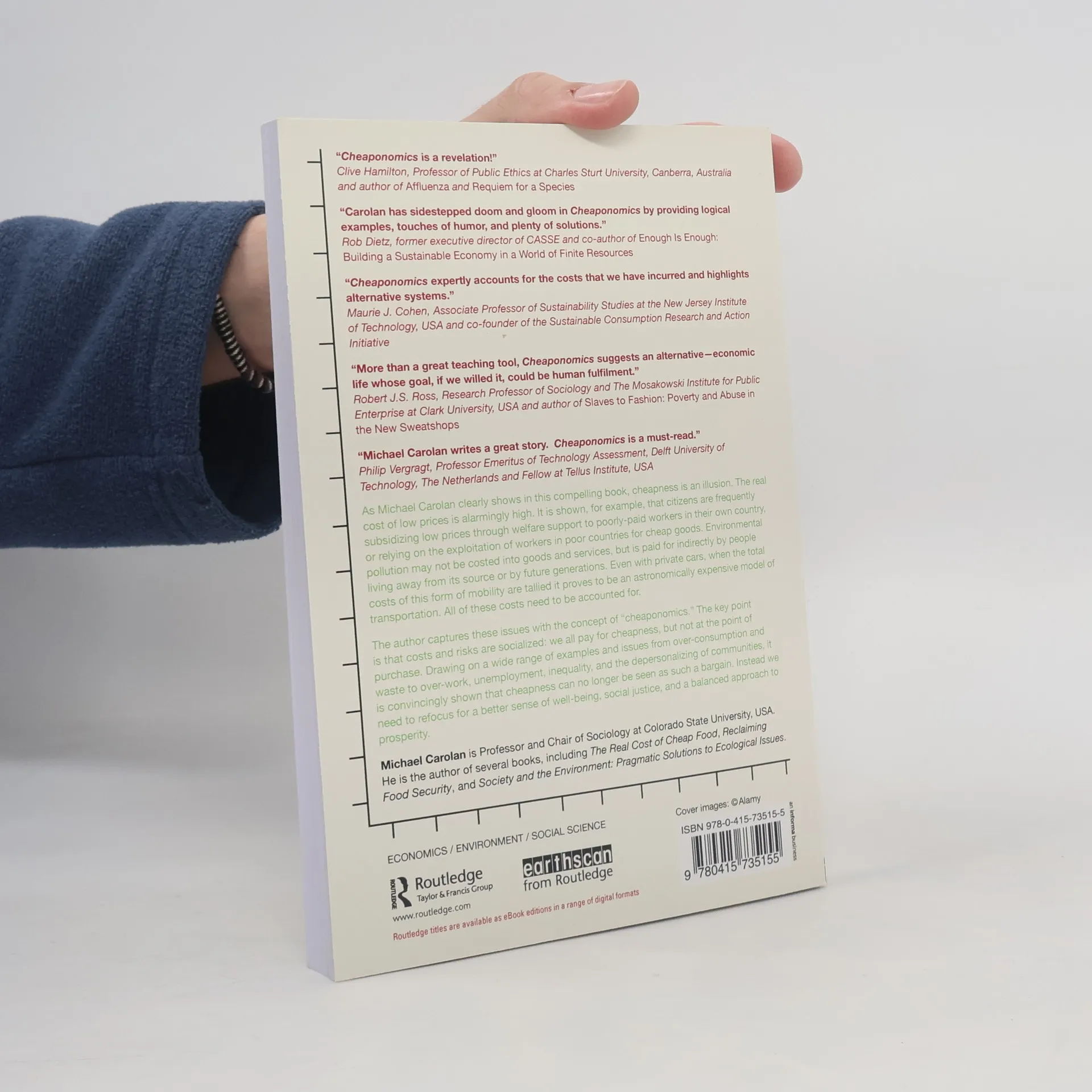
Do you really believe you're getting a good deal with that free mobile phone for switching providers or when a multinational retailer undercuts competitors? Think again! In this compelling exploration, the author reveals that cheapness is an illusion with alarmingly high real costs. Citizens often subsidize low prices through welfare support for poorly-paid workers or rely on the exploitation of labor in poorer countries for inexpensive goods. Environmental pollution is another hidden cost, affecting those far from its source or burdening future generations. Even private car usage, when all costs are considered, proves to be an extraordinarily expensive transportation model. These hidden costs must be acknowledged. The author introduces the concept of "cheaponomics," emphasizing that costs and risks are socialized; we all pay for cheapness, but not at the point of purchase. Through a range of examples, the text addresses issues like over-consumption, waste, unemployment, and community depersonalization, convincingly arguing that cheapness is not the bargain it appears to be. Instead, it advocates for a shift towards well-being, social justice, and a more balanced approach to prosperity.

Book purchase
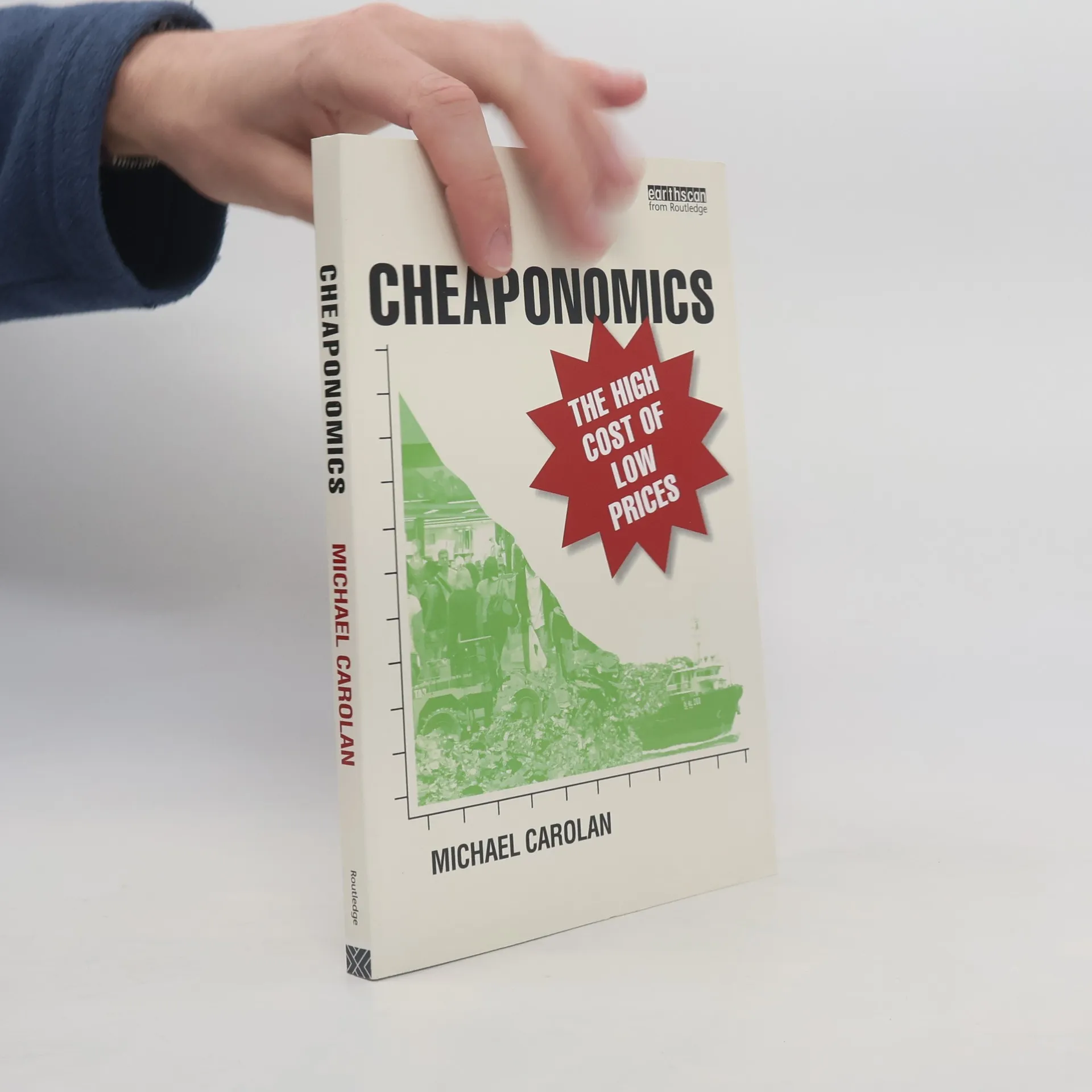
Cheaponomics, Professor Michael S Carolan
- Language

- Released
- 2014
- Binding
- (Paperback)
Payment methods
We’re missing your review here.
- Title
- Cheaponomics
- Subtitle
- The High Cost of Low Prices
- Language
- English
- Authors
- Professor Michael S Carolan
- Publisher
- Routledge
- Released
- 2014
- Format
- Paperback
- Pages
- 224
- ISBN10
- 0415735157
- ISBN13
- 9780415735155
- Series
- Original title
- Cheaponomics
- Rating
- 5 out of 5
- Description
- Do you really believe you're getting a good deal with that free mobile phone for switching providers or when a multinational retailer undercuts competitors? Think again! In this compelling exploration, the author reveals that cheapness is an illusion with alarmingly high real costs. Citizens often subsidize low prices through welfare support for poorly-paid workers or rely on the exploitation of labor in poorer countries for inexpensive goods. Environmental pollution is another hidden cost, affecting those far from its source or burdening future generations. Even private car usage, when all costs are considered, proves to be an extraordinarily expensive transportation model. These hidden costs must be acknowledged. The author introduces the concept of "cheaponomics," emphasizing that costs and risks are socialized; we all pay for cheapness, but not at the point of purchase. Through a range of examples, the text addresses issues like over-consumption, waste, unemployment, and community depersonalization, convincingly arguing that cheapness is not the bargain it appears to be. Instead, it advocates for a shift towards well-being, social justice, and a more balanced approach to prosperity.