


Parameters
- 672 pages
- 24 hours of reading
More about the book
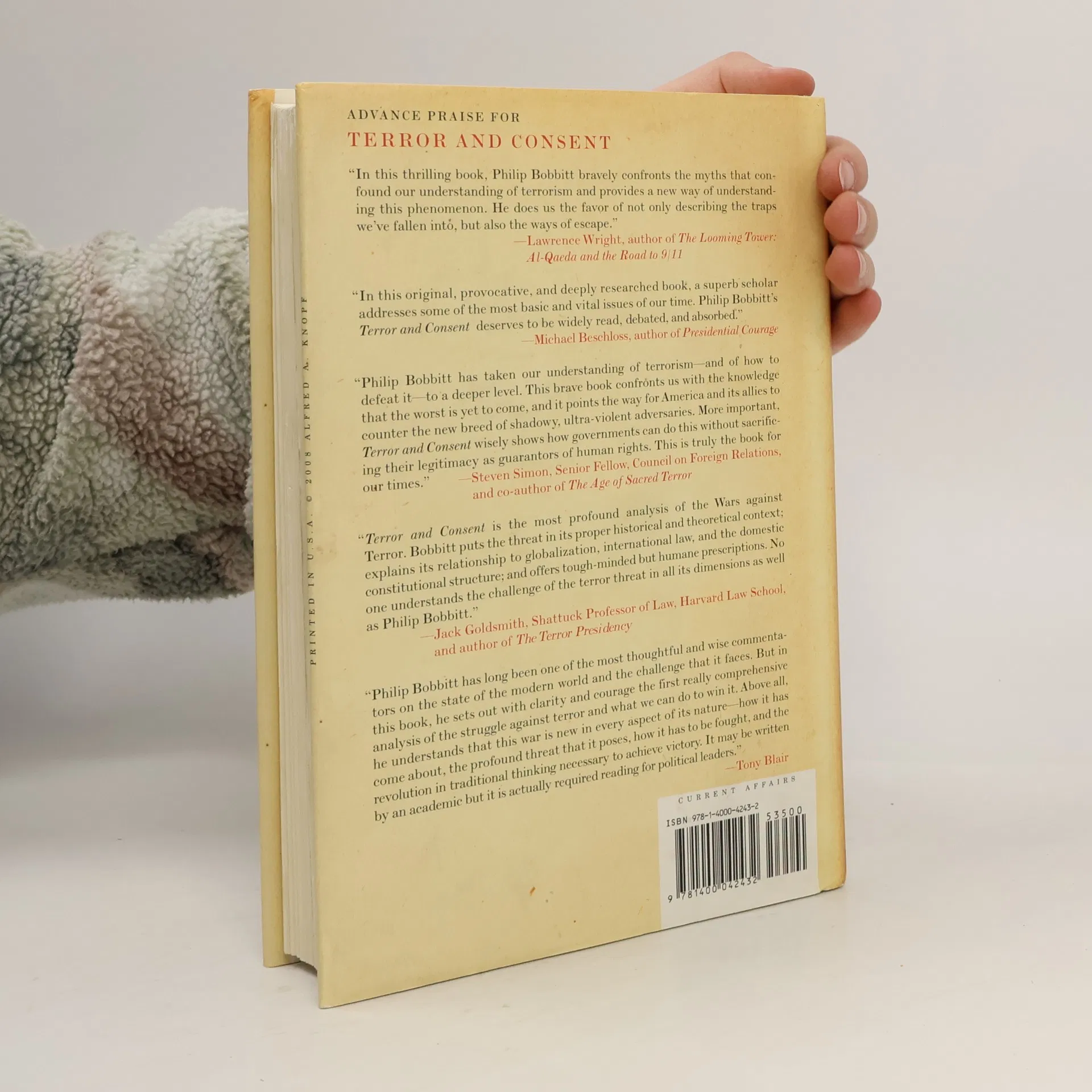
An urgent reconceptualization of the Wars on Terror from the author of The Shield of Achilles. Philip Bobbitt combines historical, legal, and strategic analyses to explore the concept of a “war on terror.” He questions its validity, historical roots, and potential resolutions, while examining the constitutional and international law implications for democracies engaged in such conflicts. Bobbitt provocatively asserts that the United States is a primary driver of global networked terrorism due to its strategic dominance, urging a shift in perspective rather than assigning blame. He critiques the current approach to winning the fight against terror, suggesting it has become nearly impossible to resolve. The author emphasizes the need to rethink our understanding of terrorism, war, and victory. He argues that the U.S. has overlooked the role of law in its strategy, leading to significant consequences and a failure to adapt legal frameworks to the evolving strategic landscape. Introducing concepts like Parmenides’ Fallacy and the Connectivity Paradox, Bobbitt prepares us for a prolonged conflict, with the battle against al Qaeda as just the beginning. The stakes involve maintaining consent in governance versus succumbing to states of terror. This work challenges our views on governance, liberty, and violence, reshaping how we confront terror and evaluate related public policies.
Publication

Book purchase
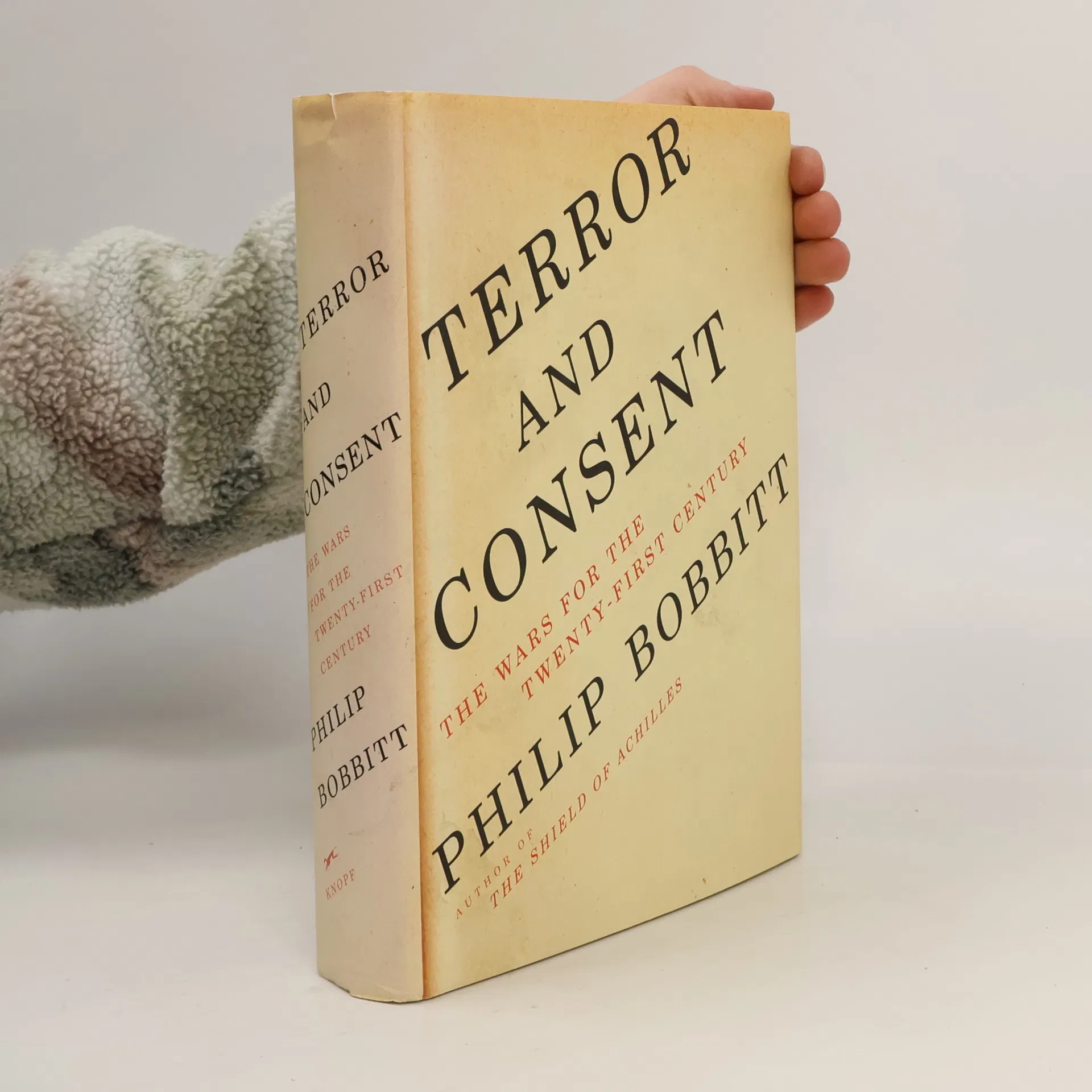
Terror and Consent, Philip Bobbitt
- Language

- Released
- 2008
- Binding
- (Hardcover),
- Book condition
- Good
- Price
- €11.99
Payment methods
We’re missing your review here.
- Title
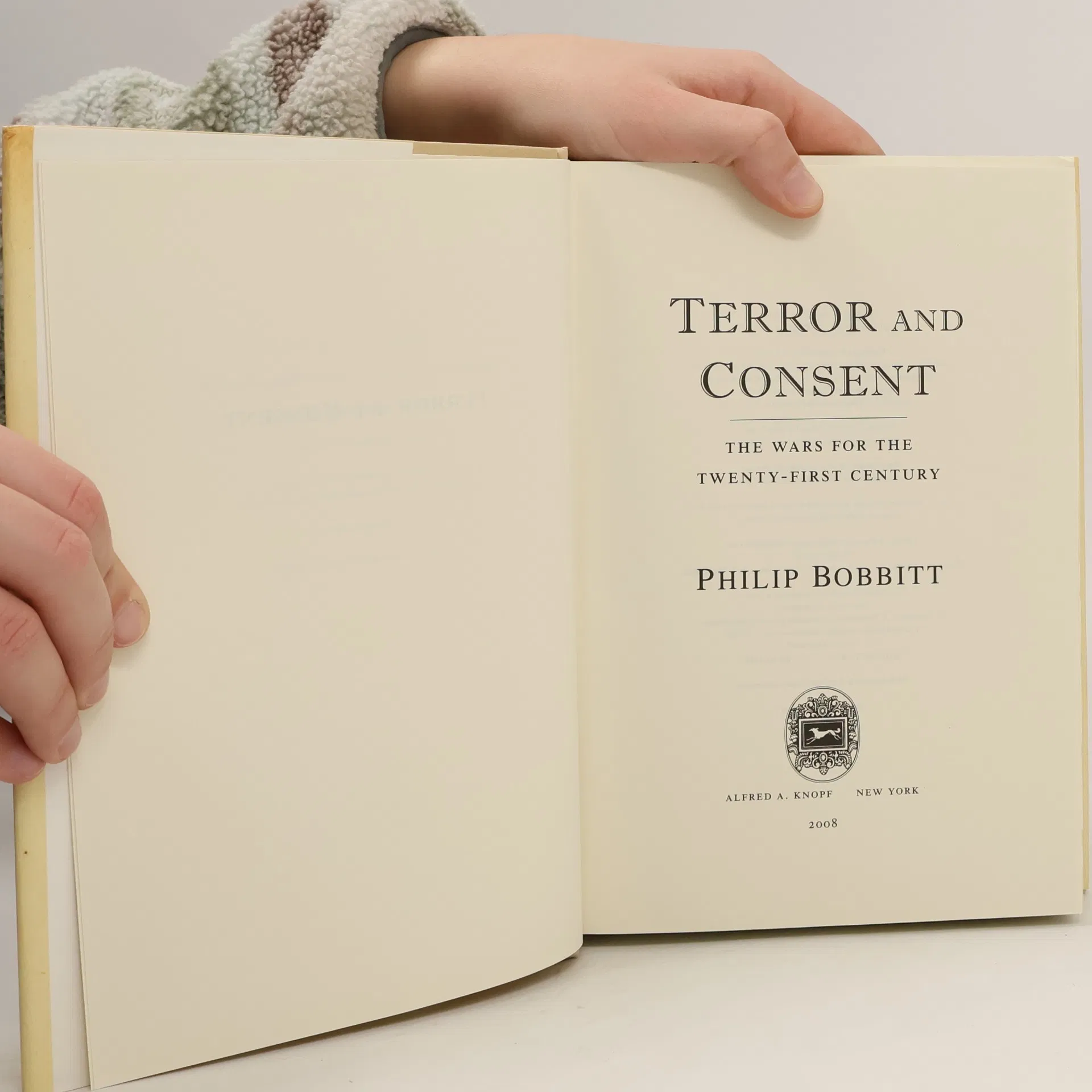
- Terror and Consent
- Subtitle
- The Wars for the Twenty-First Century
- Language
- English
- Authors
- Philip Bobbitt
- Publisher
- Knopf
- Released
- 2008
- Format
- Hardcover
- Pages
- 672
- ISBN10
- 1400042437
- ISBN13
- 9781400042432
- Series
- Tags
- Historical Themes, Legal Topics, Politics, Wars, Political Theories, International Relations, Terrorism, Northern Ireland
- Rating
- 3.9 out of 5
- Description
- An urgent reconceptualization of the Wars on Terror from the author of The Shield of Achilles. Philip Bobbitt combines historical, legal, and strategic analyses to explore the concept of a “war on terror.” He questions its validity, historical roots, and potential resolutions, while examining the constitutional and international law implications for democracies engaged in such conflicts. Bobbitt provocatively asserts that the United States is a primary driver of global networked terrorism due to its strategic dominance, urging a shift in perspective rather than assigning blame. He critiques the current approach to winning the fight against terror, suggesting it has become nearly impossible to resolve. The author emphasizes the need to rethink our understanding of terrorism, war, and victory. He argues that the U.S. has overlooked the role of law in its strategy, leading to significant consequences and a failure to adapt legal frameworks to the evolving strategic landscape. Introducing concepts like Parmenides’ Fallacy and the Connectivity Paradox, Bobbitt prepares us for a prolonged conflict, with the battle against al Qaeda as just the beginning. The stakes involve maintaining consent in governance versus succumbing to states of terror. This work challenges our views on governance, liberty, and violence, reshaping how we confront terror and evaluate related public policies.