

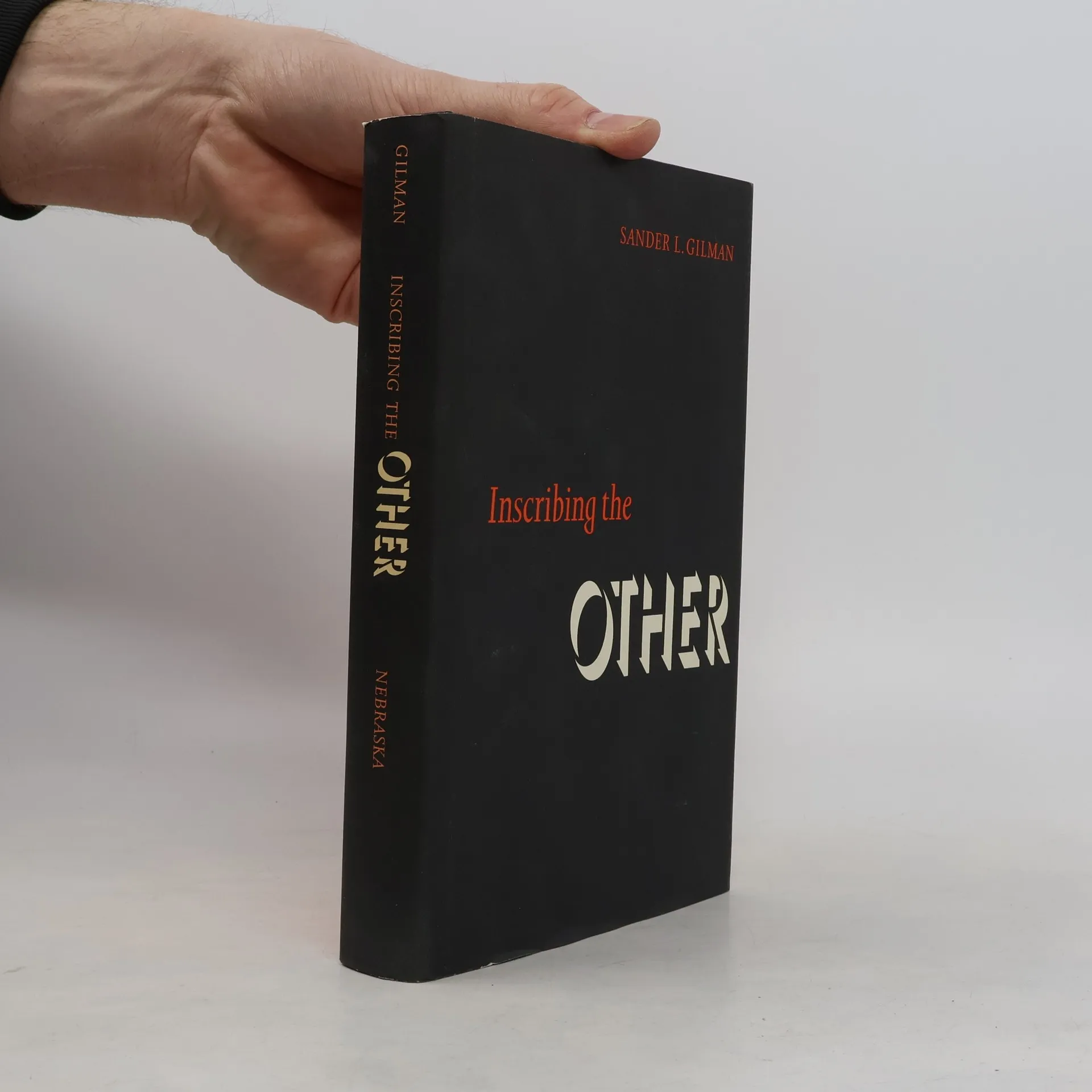
Parameters
- 372 pages
- 14 hours of reading
More about the book
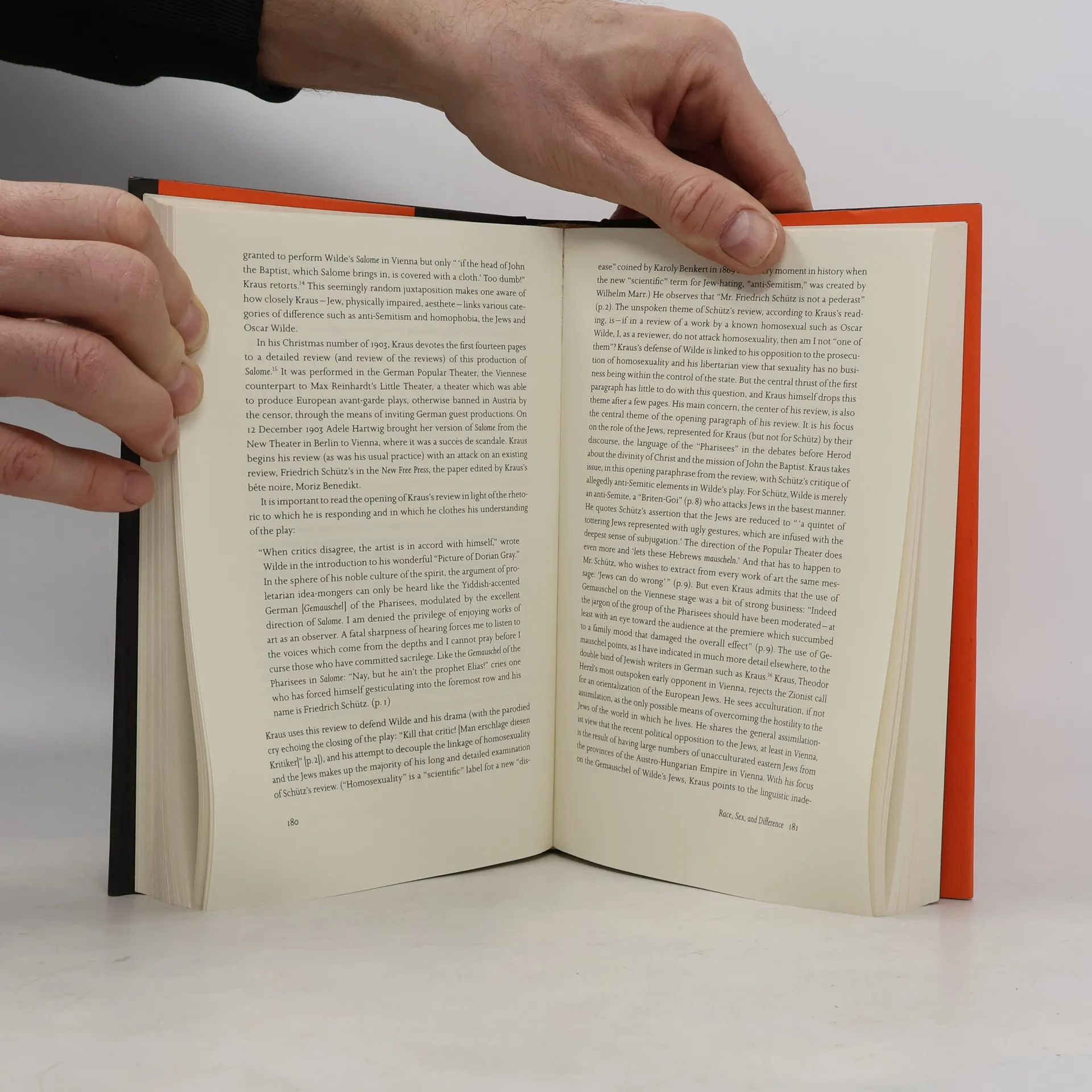
Inscribing the Other focuses on great authors who have by birth or choice (or both) found themselves outside the mainstream of their culture but who have still wished to address Goethe, Freud, Wilde, Heine, Nietzsche, and Isaac Bashevis Singer, among others. In thirteen probing, provocative essays Sander L. Gilman reinterprets their writing as it reveals their efforts to come to terms with their real or imagined sense of difference. The chapters treat many themes and problems, ranging widely from the romantic notion of the transcendent artist to the twentieth-century artists-in-exile, and employing the perspectives of psychiatry, aesthetics, photography, politics, and the history of mentalities. The fate of Jewish writers in modern Germany, or of Yiddish writers whose language is devalued in European culture, is explored. The theme of difference and its artistic and intellectual manifestations runs throughout the book, which includes discussions of Goethe's and Wilde's homosexuality, Nietzsche's madness, Heine's refusal to be photographed, and Primo Levi's internment at Auschwitz, as well as an interview with Singer. In a frank autobiographical introduction, Gilman attempts to understand his own writing as an exercise in "inscribing the Other," in dealing with is own sense of difference through artistic creation.
Book purchase
Inscribing the Other, Sander L. Gilman
- Language

- Released
- 1991
- Binding
- (Hardcover)
Payment methods
We’re missing your review here.
- Title
- Inscribing the Other
- Language
- English
- Authors
- Sander L. Gilman
- Publisher
- University of Nebraska Press
- Released
- 1991
- Format
- Hardcover
- Pages
- 372
- ISBN10
- 0803221347
- ISBN13
- 9780803221345
- Series
- Tags
- Psychological Topics, Social Issues, Literary Criticism, Jewish Literature, Philosophy and Religion
- Rating
- 3 out of 5
- Description
- Inscribing the Other focuses on great authors who have by birth or choice (or both) found themselves outside the mainstream of their culture but who have still wished to address Goethe, Freud, Wilde, Heine, Nietzsche, and Isaac Bashevis Singer, among others. In thirteen probing, provocative essays Sander L. Gilman reinterprets their writing as it reveals their efforts to come to terms with their real or imagined sense of difference. The chapters treat many themes and problems, ranging widely from the romantic notion of the transcendent artist to the twentieth-century artists-in-exile, and employing the perspectives of psychiatry, aesthetics, photography, politics, and the history of mentalities. The fate of Jewish writers in modern Germany, or of Yiddish writers whose language is devalued in European culture, is explored. The theme of difference and its artistic and intellectual manifestations runs throughout the book, which includes discussions of Goethe's and Wilde's homosexuality, Nietzsche's madness, Heine's refusal to be photographed, and Primo Levi's internment at Auschwitz, as well as an interview with Singer. In a frank autobiographical introduction, Gilman attempts to understand his own writing as an exercise in "inscribing the Other," in dealing with is own sense of difference through artistic creation.