Kara Walker: my complement, my enemy, my oppressor, my love
- 418 pages
- 15 hours of reading
„At last: a catalogue which is so convincing that it makes a museum visit practically redundant.“ (die tageszeitung)


Sander L. Gilman is a cultural and literary historian whose work delves into Jewish studies and the history of medicine. He is particularly interested in how medical rhetoric resonates within social and political discourse. Gilman explores the profound connections between scientific concepts, cultural understanding, and societal norms. His extensive scholarship provides deep insights into the interplay of medicine, language, and power.


„At last: a catalogue which is so convincing that it makes a museum visit practically redundant.“ (die tageszeitung)
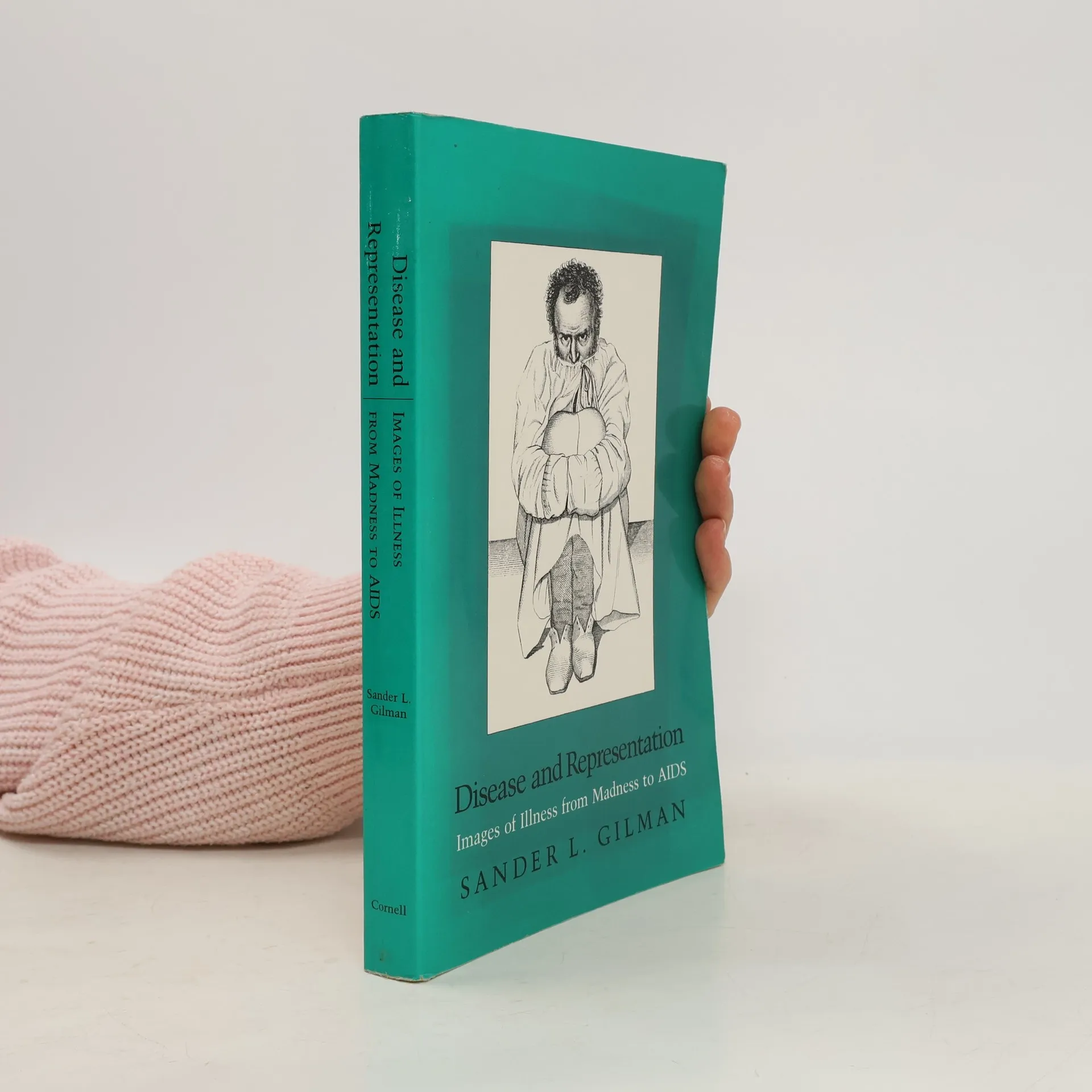
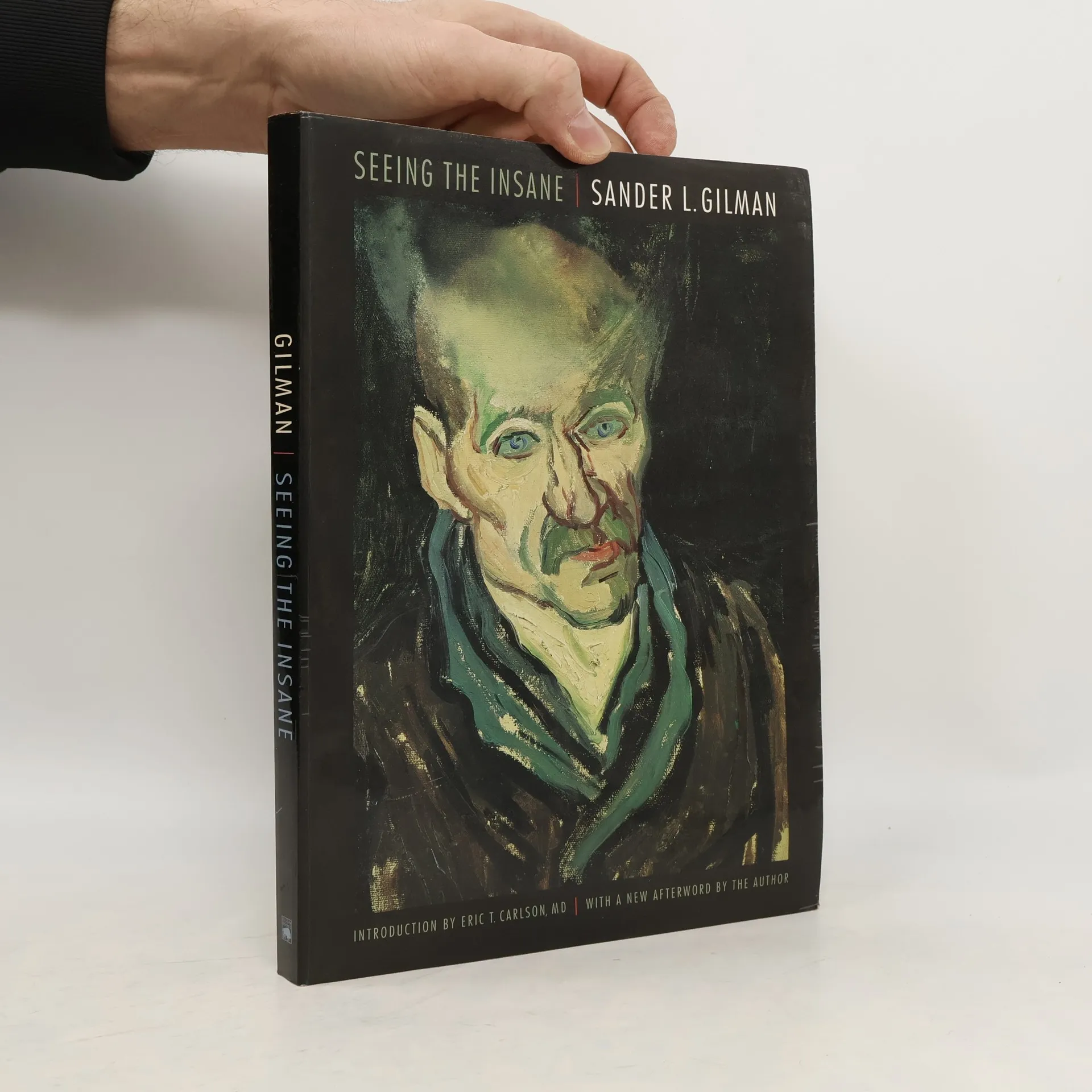
Seeing the Insane is a richly detailed cultural history of madness and art in the Western world, showing how the portrayal of stereotypes has both reflected and shaped the perception and treatment of the mentally disturbed.
Gilman, Sander L.
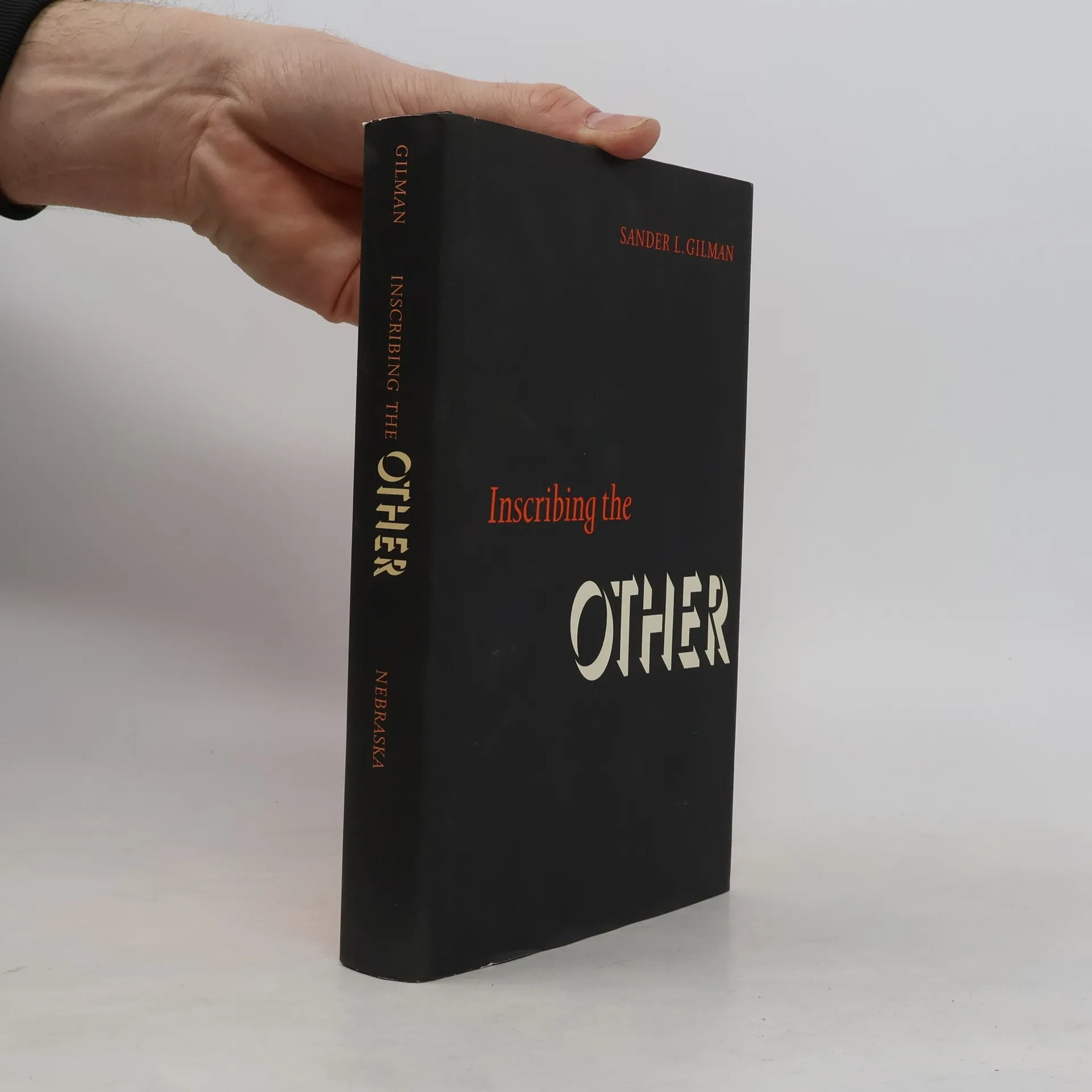
Inscribing the Other focuses on great authors who have by birth or choice (or both) found themselves outside the mainstream of their culture but who have still wished to address Goethe, Freud, Wilde, Heine, Nietzsche, and Isaac Bashevis Singer, among others. In thirteen probing, provocative essays Sander L. Gilman reinterprets their writing as it reveals their efforts to come to terms with their real or imagined sense of difference. The chapters treat many themes and problems, ranging widely from the romantic notion of the transcendent artist to the twentieth-century artists-in-exile, and employing the perspectives of psychiatry, aesthetics, photography, politics, and the history of mentalities. The fate of Jewish writers in modern Germany, or of Yiddish writers whose language is devalued in European culture, is explored. The theme of difference and its artistic and intellectual manifestations runs throughout the book, which includes discussions of Goethe's and Wilde's homosexuality, Nietzsche's madness, Heine's refusal to be photographed, and Primo Levi's internment at Auschwitz, as well as an interview with Singer. In a frank autobiographical introduction, Gilman attempts to understand his own writing as an exercise in "inscribing the Other," in dealing with is own sense of difference through artistic creation.
Race and Psychology in the Shaping of Aesthetic Surgery
Why do physicians who’ve taken the Hippocratic Oath willingly cut into seemingly healthy patients? How do you measure the success of surgery aimed at making someone happier by altering his or her body? Sander L. Gilman explores such questions in Creating Beauty to Cure the Soul, a cultural history of the connections between beauty of body and happiness of mind. Following these themes through an impressive range of historical moments and players, Gilman traces how aesthetic alterations of the body have been used to “cure” dissatisfied states of mind.Synthesizing a vast body of related literature and containing a comprehensive bibliography, Creating Beauty to Cure the Soul will appeal to a broad audience, including those interested in the histories of medicine and psychiatry, and in philosophy, cultural studies, Jewish cultural studies, and race and ethnicity.
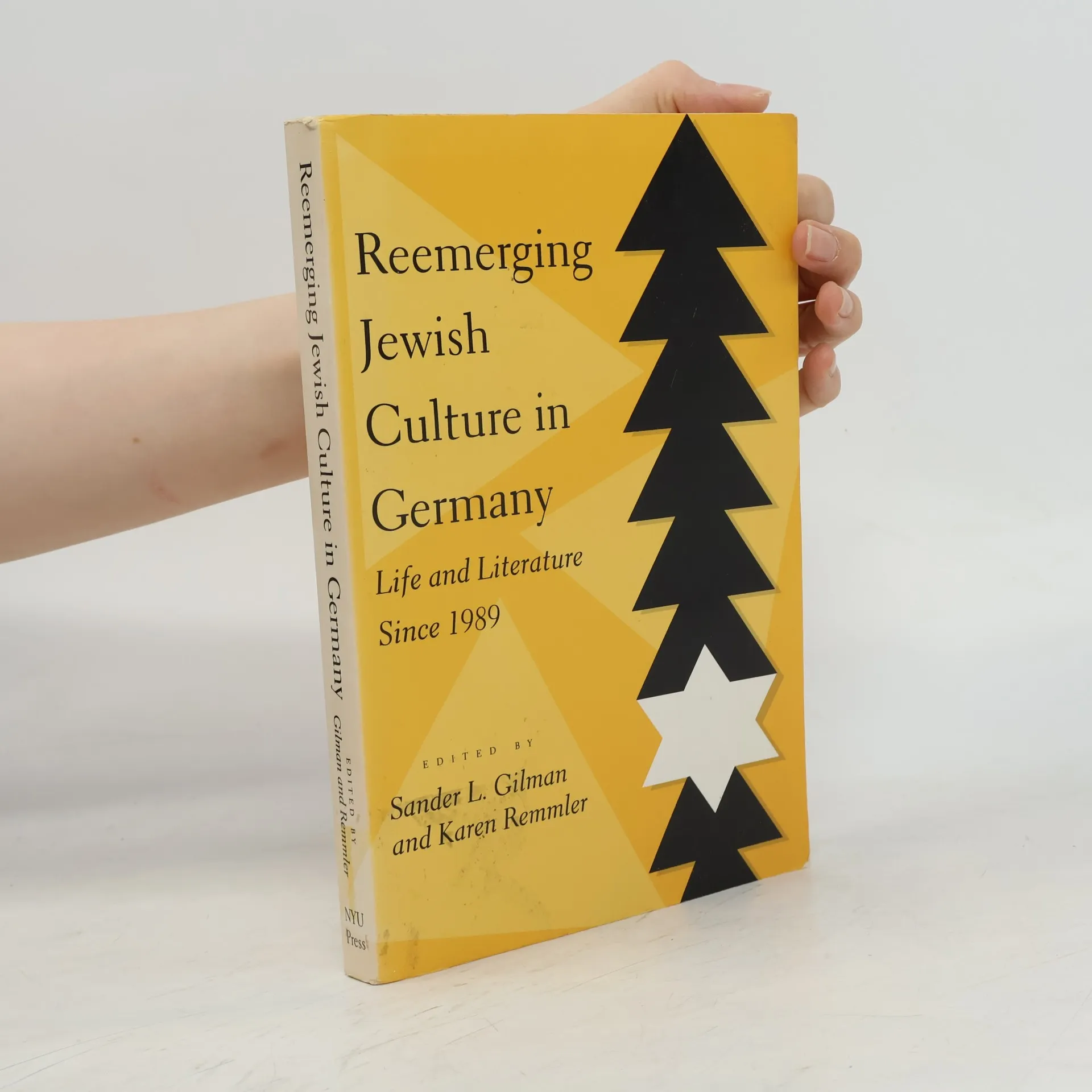
How can there by a Jewish culture in today's Germany? Since the fall of the Wall, there has been a substantial increase in the visibility of Jews in German culture, not only an increase in the number of Jews living there, but, more importantly, an explosion of cultural activity. Jews are writing and making films about the central question of Jewish life after the Shoah.Given the xenophobia that has marked Germany since reunification, the appearance of a new Jewish is both surprising and normalizing. Even more striking than the reappearance of Jewish culture in England after the expulsion and massacres of the Middle Ages, the presence of a new generation of Jewish writers in Germany is a sign of the complexity and tenacity of modern Jewish life in the Diaspora.Edited by Sander L. Gilman and Karen Remmler and featuring works by many of the most noted specialists on the subject, including Susan Niemann, Y. Michael Bodemann, Marion Kaplan, Katharina Ochse, Robin Ostow, Rafael Seligmann, Jack Zipes, Jeffrey Peck, Kizer Walker, and Esther Dischereit, this volume explores the questions and doubts surrounding the revitalization of Jewish life in Germany. The writers cover such diverse topics as the social and institutional role that Jews now play, the role of religion in daily life, and gender and culture in post-Wall Jewish writing.
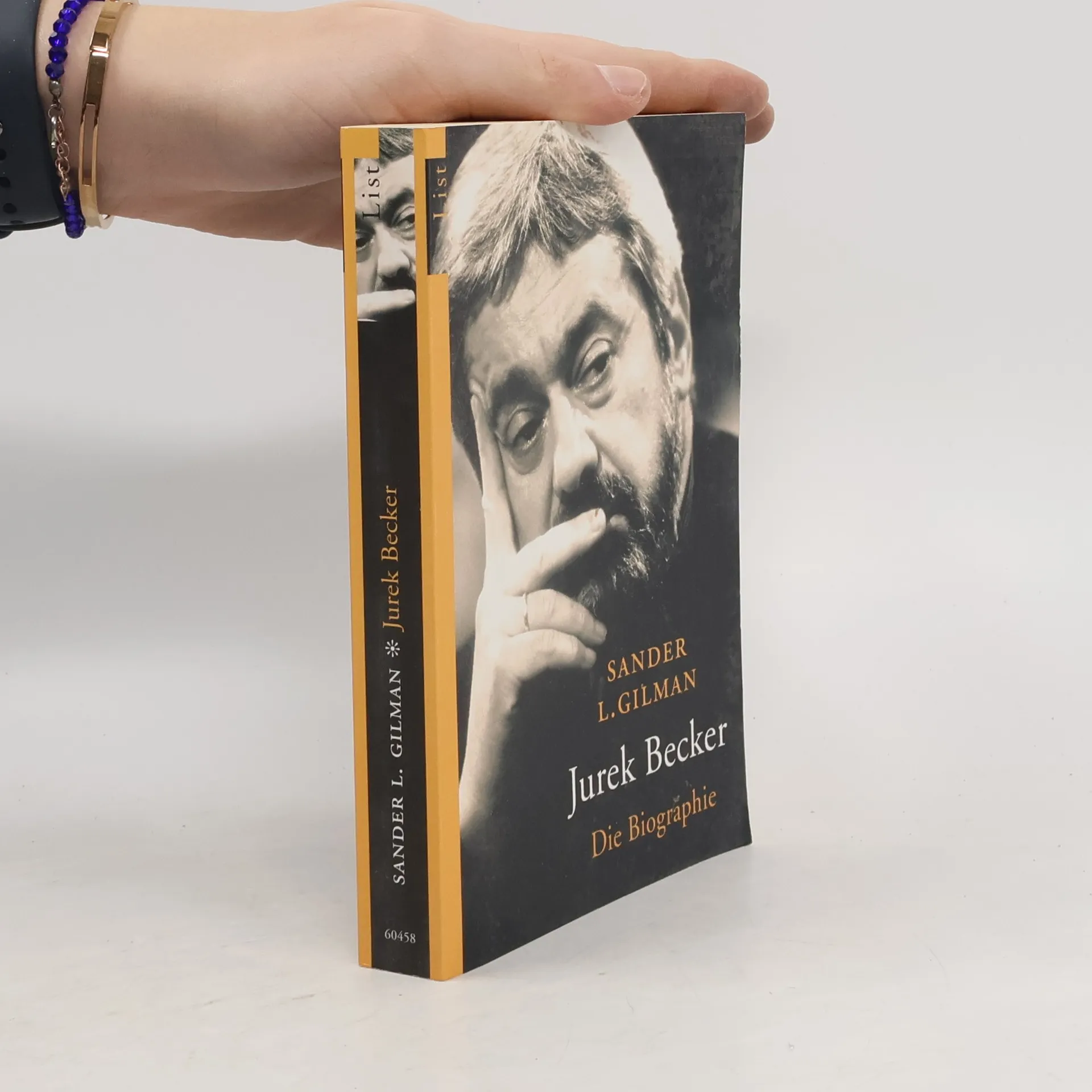
Materialreiche Lebensbeschreibung des 1997 verstorbenen Schriftstellers, mit ausführlichen Charakteristika seiner literarischen Texte
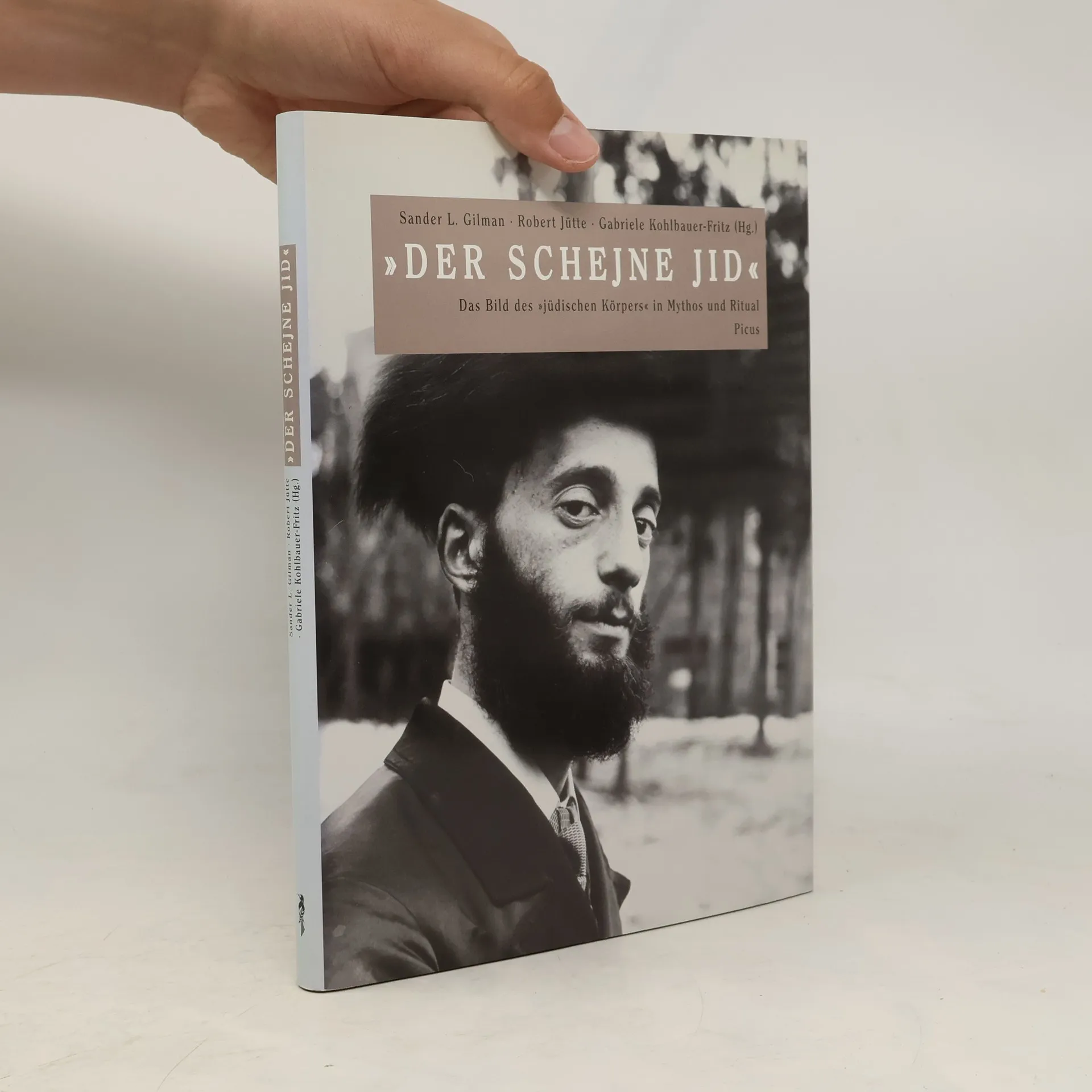
Dokumentation eines wissenschaftlichen Symposiums zur Ausstellungsvorbereitung über das Bild des Judentums. Die Beiträge beschäftigen sich mit gesellschaftlichen Vorstellungen vom Judentum und denen von jüdischen Menschen, die bis heute als Stereotype das Bild beherrschen. Themen sind beispielsweise Körperkultur und Schönheit; Gesundheit und Krankheit
Die Idee, daß Juden besonders intelligent seien, gehört zu den Grundbausteinen des modernen Antisemitismus. Und sie ist kaum auszurotten. Um so wichtiger ist Gilmans Buch, das dieses Klischee in die Zeit seiner Entstehung zurückverfolgt und seine Virulenz auch in unserer Gegenwart aufzeigt. Ein notwendiges Stück Aufklärung.
43 Abb. 310 S.
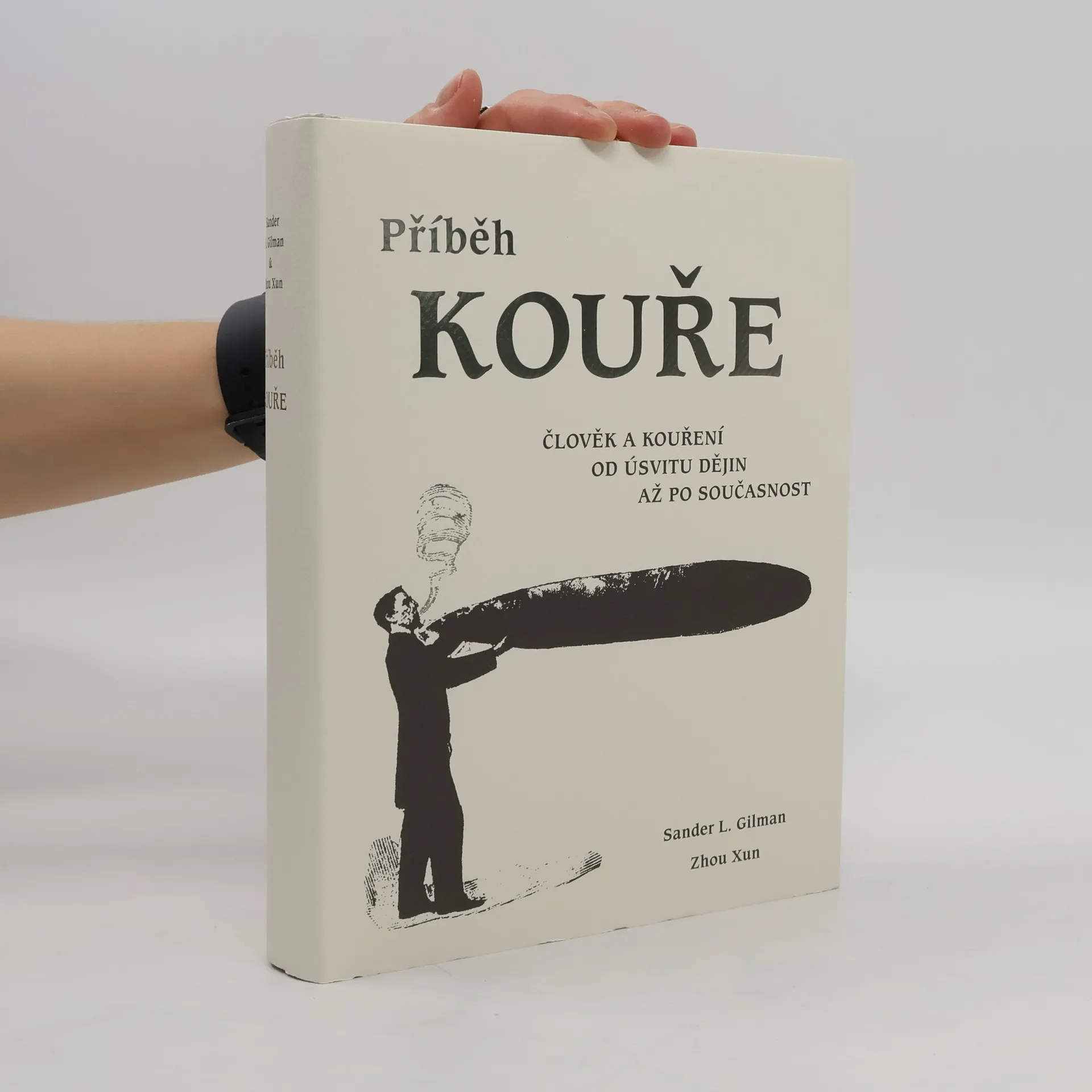
Lidé kouřili odjakživa a zřejmě se budou tomuto potěšení oddávat vždy. Každá kultura v historii něco kouřila, ať už jako lék, jako součást určitého rituálu nebo jako jeden z kulturních aspektů. Dosud ještě nebyla kupodivu popsána žádná historie kouření, založená na skutečnosti, že kouření — ve všech svých formách a se všemi svými produkty — je kulturním fenoménem, který je společný všem lidským společnostem. Kniha Příběh kouření zkoumá kulturu kouření v různých tradicích a místech po celém světě. Od opiových doupat ve viktoriánské Anglii k tabáku z období Edo v Japonsku, od marihuany a kokainu k havanským doutníkům. Kniha vychází z kulturně-historického pohledu a obsahuje velké množství obrazového materiálu: více než tři stovky ilustrací, zobrazujících kouření a kuřáky nejrůznějších látek včetně tabáku, vonných cigaret, marihuany, opia a kokainu. Čtenář v publikaci nalezne slavné jako byly Marlene Dietrichová, Charlie Parker či Bob Marley, ale především se vydá se na cestu zkoumání kouření z mnoha různých hledisek — literatury, umění, kultury, pohlaví, sexuality a zdraví. Jednotlivé pasáže se zamýšlejí nad měnící se roli kouření ve vyspělých a významných kulturách a snaží se odhadnout budoucnost tohoto složitého kulturního fenoménu. Vycházejí z různorodého materiálu, od reklamních obrázků až k právní a morální kritice kouření.