

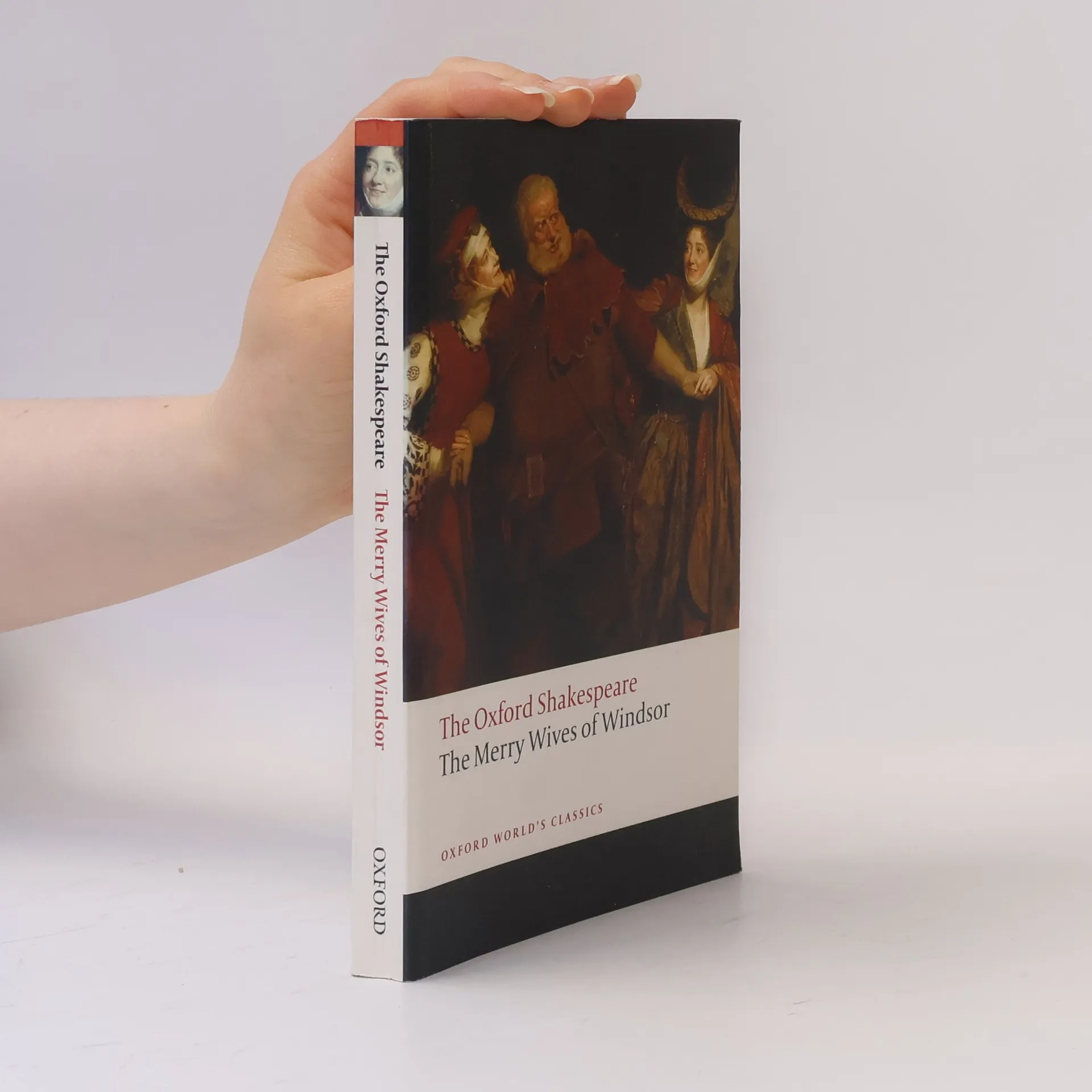
The Oxford Shakespeare: The Merry Wives of Windsor
Authors
Parameters
- 242 pages
- 9 hours of reading
More about the book
The Merry Wives of Windsor was almost certainly required at short notice for a court occasion in 1597 and Shakespeare threw into it all the creative energy that was going into his Henry IV plays. Falstaff, Pistol, Mistress Quickly, and Justice Shallow all appear in this spirited and warm-hearted `citizen comedy' that combines boisterous action with situational irony and rich characterisation. In his introduction T W Craik discusses the play's probable occasion (the Garter Feast of 1597 at court), its relationship to Shakespeare's English history plays and to other sources, its textual history (with particular reference to the widely diverging 1623 Folio and 1602 Quarto), its quality as drama, and assesses various interpretations of the play - topical, critical, and theatrical.
Book purchase
The Oxford Shakespeare: The Merry Wives of Windsor, William Shakespeare
- Language

- Released
- 2008
- Binding
- (Paperback)
Payment methods
No one has rated yet.
- Title
- The Oxford Shakespeare: The Merry Wives of Windsor
- Language
- English
- Authors
- William Shakespeare
- Publisher
- Oxford University Press
- Released
- 2008
- Format
- Paperback
- Pages
- 242
- ISBN10
- 0199536821
- ISBN13
- 9780199536825
- Series
- Description
- The Merry Wives of Windsor was almost certainly required at short notice for a court occasion in 1597 and Shakespeare threw into it all the creative energy that was going into his Henry IV plays. Falstaff, Pistol, Mistress Quickly, and Justice Shallow all appear in this spirited and warm-hearted `citizen comedy' that combines boisterous action with situational irony and rich characterisation. In his introduction T W Craik discusses the play's probable occasion (the Garter Feast of 1597 at court), its relationship to Shakespeare's English history plays and to other sources, its textual history (with particular reference to the widely diverging 1623 Folio and 1602 Quarto), its quality as drama, and assesses various interpretations of the play - topical, critical, and theatrical.