

Parameters
- 278 pages
- 10 hours of reading
More about the book
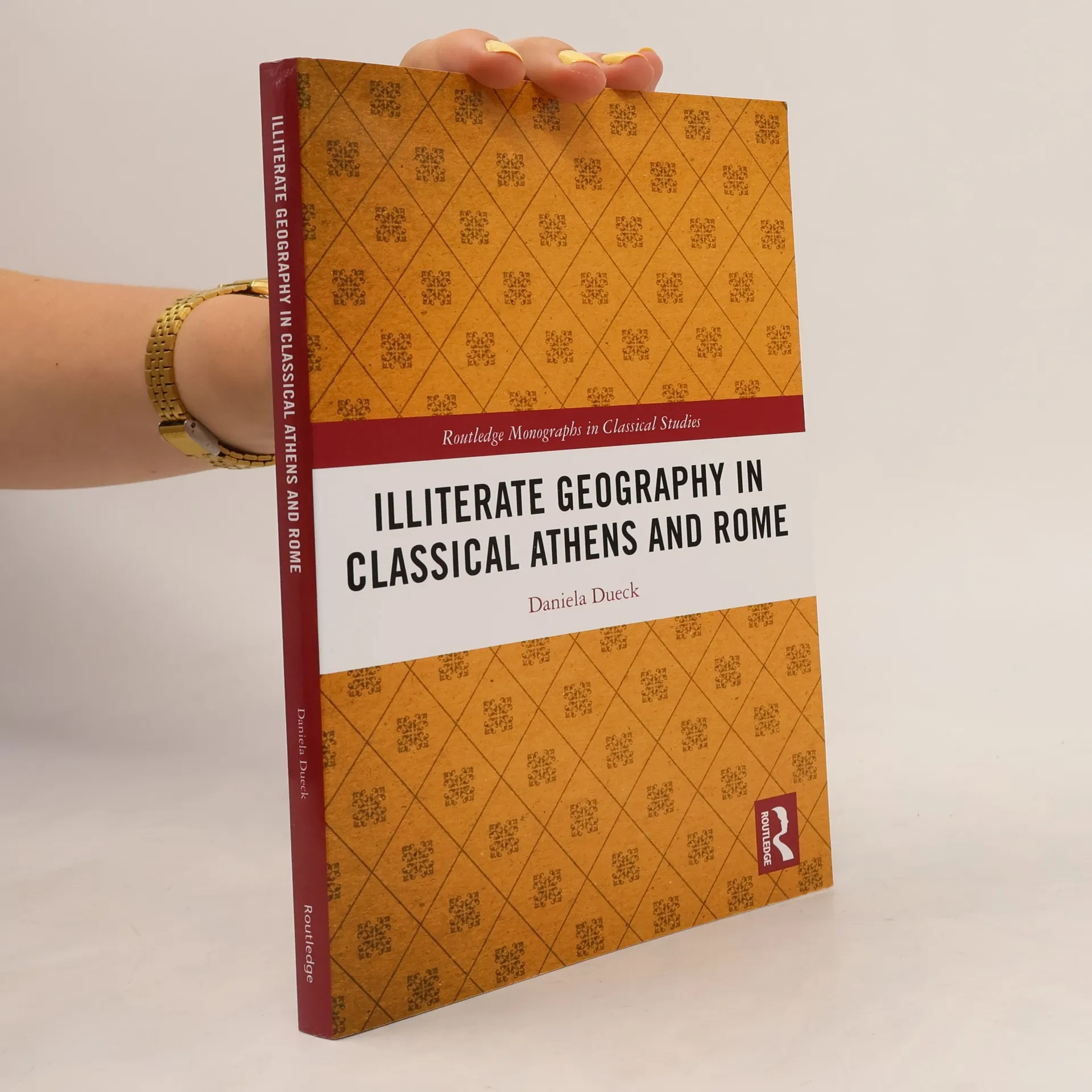
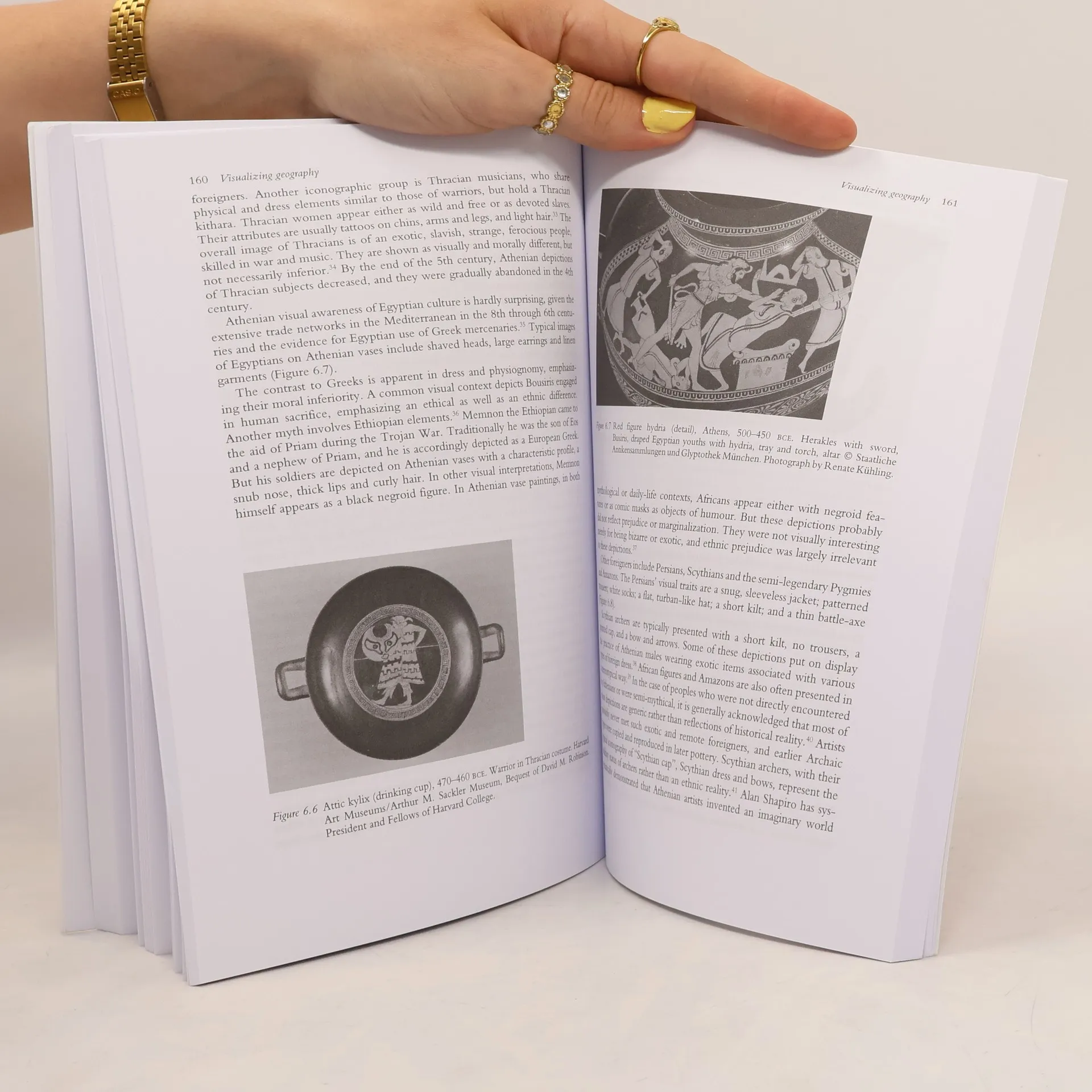
This study is devoted to the channels through which geographic knowledge circulated in classical societies outside of textual transmission. It explores understanding of geography among the non-elites, as opposed to scholarly and scientific geography solely in written form which was the province of a very small number of learned people. It deals with non-literary knowledge of geography, geography not derived from texts, as it was available to people, educated or not, who did not read geographic works. This main issue is composed of two central questions: how, if at all, was geographic data available outside of textual transmission and in contexts in which there was no need to write or read? And what could the public know of geography? In general, three groups of sources are relevant to this quest: oral communications preserved in writing; public non-textual performances; and visual artefacts and monuments. All of these are examined as potential sources for the aural and visual geographic knowledge of Greco-Roman publics. This volume will be of interest to anyone working on geography in the ancient world and to those studying non-elite culture.
Book purchase
Routledge Monographs in Classical Studies: Illiterate Geography in Classical Athens and Rome, Daniela Dueck
- Language

- Released
- 2023
- Binding
- (Paperback)
Payment methods
No one has rated yet.
- Title
- Routledge Monographs in Classical Studies: Illiterate Geography in Classical Athens and Rome
- Language
- English
- Authors
- Daniela Dueck
- Publisher
- Routledge
- Released
- 2023
- Format
- Paperback
- Pages
- 278
- ISBN10
- 0367630850
- ISBN13
- 9780367630850
- Series
- Categories
- Tags
- Historical Themes, Philosophical Topics, Education & School System, Ancient History, Monuments, Ancient Rome, Ancient Greece, Visual Culture
- Description
- This study is devoted to the channels through which geographic knowledge circulated in classical societies outside of textual transmission. It explores understanding of geography among the non-elites, as opposed to scholarly and scientific geography solely in written form which was the province of a very small number of learned people. It deals with non-literary knowledge of geography, geography not derived from texts, as it was available to people, educated or not, who did not read geographic works. This main issue is composed of two central questions: how, if at all, was geographic data available outside of textual transmission and in contexts in which there was no need to write or read? And what could the public know of geography? In general, three groups of sources are relevant to this quest: oral communications preserved in writing; public non-textual performances; and visual artefacts and monuments. All of these are examined as potential sources for the aural and visual geographic knowledge of Greco-Roman publics. This volume will be of interest to anyone working on geography in the ancient world and to those studying non-elite culture.