

Parameters
- 320 pages
- 12 hours of reading
More about the book
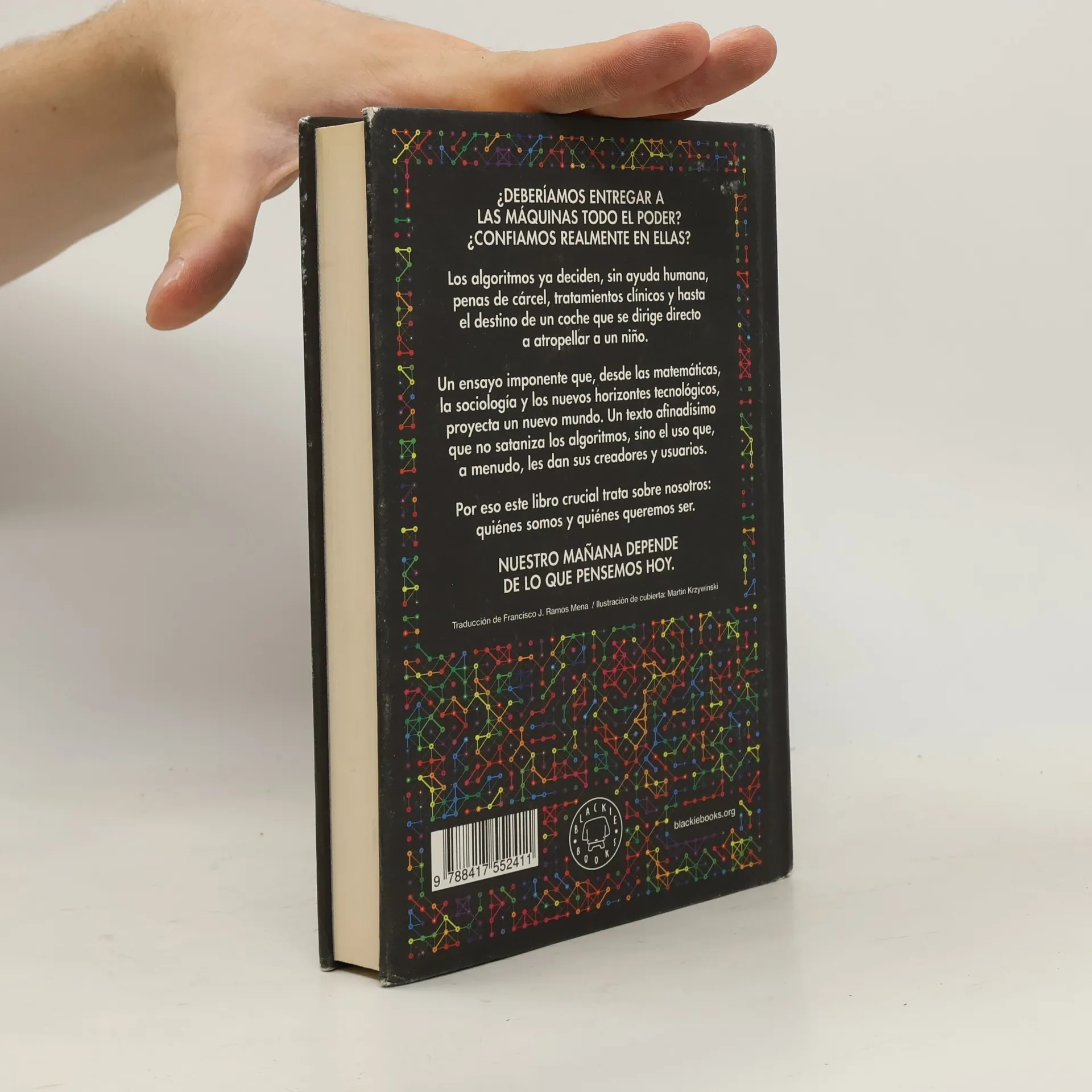
This exploration delves into the algorithms that increasingly influence our lives and the ethical dilemmas they present. Consider the scenario of being sentenced for a crime: would you prefer a consistent, unemotional algorithm or a compassionate, yet biased human judge? The choices extend to purchasing a driverless car, where one option prioritizes saving lives while the other focuses on passenger safety. Additionally, would you share your family's medical history if it could aid cancer research? These dilemmas illustrate our growing reliance on algorithms, which dictate our entertainment, travel, relationships, and even judicial outcomes. As we entrust machines with significant decisions in areas like justice, healthcare, and finance, we must confront the implications for our society. What should take precedence: aiding doctors or safeguarding privacy? Protecting crime victims or ensuring the innocent aren't wrongfully accused? This narrative guides us through the complexities of algorithms, revealing how they are constructed and the potential for human bias embedded within them. By combining relatable stories with clear explanations of the mathematics involved, it invites us to assess the power and limitations of algorithms and question whether they truly enhance the human systems they aim to replace.


Book purchase
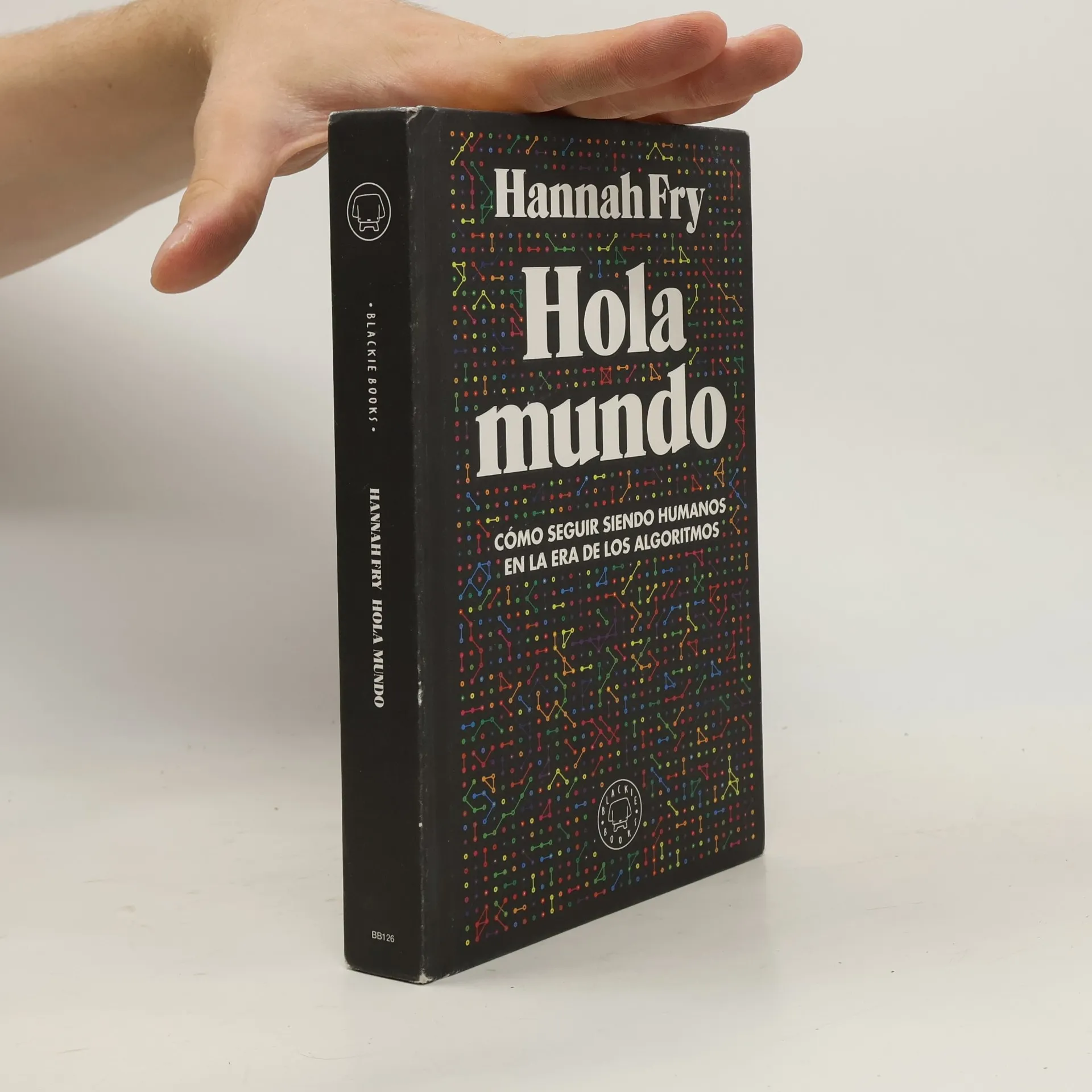
Hola mundo, Hannah Fry, Francisco J. Ramos Mena
- Language

- Released
- 2019
- Binding
- (Paperback)
Payment methods
We’re missing your review here.
- Title
- Hola mundo
- Subtitle
- Cómo seguir siendo humanos en la era de los algoritmos
- Language
- Spanish
- Authors
- Hannah Fry, Francisco J. Ramos Mena
- Publisher
- Blackie Books
- Released
- 2019
- Format
- Paperback
- Pages
- 320
- ISBN10
- 8417552413
- ISBN13
- 9788417552411
- Series
- Categories
- Rating
- 4.15 out of 5
- Description
- This exploration delves into the algorithms that increasingly influence our lives and the ethical dilemmas they present. Consider the scenario of being sentenced for a crime: would you prefer a consistent, unemotional algorithm or a compassionate, yet biased human judge? The choices extend to purchasing a driverless car, where one option prioritizes saving lives while the other focuses on passenger safety. Additionally, would you share your family's medical history if it could aid cancer research? These dilemmas illustrate our growing reliance on algorithms, which dictate our entertainment, travel, relationships, and even judicial outcomes. As we entrust machines with significant decisions in areas like justice, healthcare, and finance, we must confront the implications for our society. What should take precedence: aiding doctors or safeguarding privacy? Protecting crime victims or ensuring the innocent aren't wrongfully accused? This narrative guides us through the complexities of algorithms, revealing how they are constructed and the potential for human bias embedded within them. By combining relatable stories with clear explanations of the mathematics involved, it invites us to assess the power and limitations of algorithms and question whether they truly enhance the human systems they aim to replace.