



Parameters
- 248 pages
- 9 hours of reading
More about the book
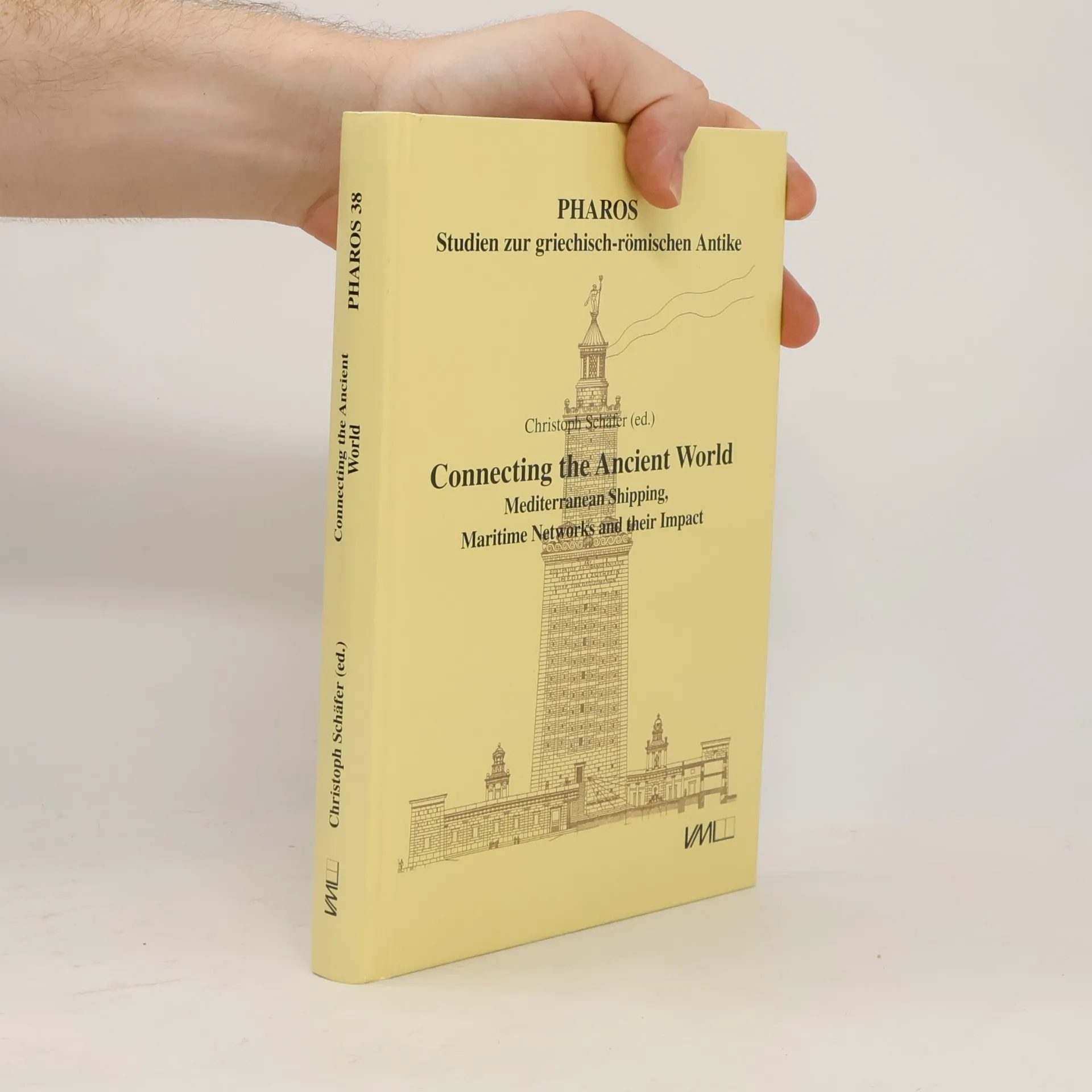
The volume goes back to an international lecture series at Trier University in summer 2016 and contains a foreword and eight papers. They deal with types of sails [e. g. square rig, artemon, sprit-sail], sailing, and seamanship in the ancient Mediterranean [Whitewright], climatic influences on riverine transport on the Roman Rhine [Franconi], Roman trade routes in the Mediterranean Sea and modelling of routes and duration of ancient travel with modern offshore regatta software [Warnking], an archaeological addendum to the Res Gestae regarding Augustus’ contribution to the unification of the maritime world of Imperial Rome by means of extensive building measures of maritime infrastructure in an opus caementitium technique [Hohlfelder], trade and the integration and cultural homogenisation of the Roman Empire [Morley], cities as institutions, markets, and urban centres of consumption and their significance for maritime trade under the Roman Empire [Arnaud], a profit & loss-based business model for Roman maritime grain trade [Warnking], and with olive oil for Roman Germany and some thoughts on Roman long-distance trade, esp. via the Atlantic Ocean and the River Rhine [Schäfer].
Book purchase
Pharos - 38: Connecting the Ancient World, Christoph Schäfer
- Language

- Released
- 2016
- Binding
- (Hardcover)
Payment methods
No one has rated yet.
- Title
- Pharos - 38: Connecting the Ancient World
- Language
- English
- Authors
- Christoph Schäfer
- Publisher
- VML Verlag Marie Leidorf
- Released
- 2016
- Format
- Hardcover
- Pages
- 248
- ISBN10
- 3867572666
- ISBN13
- 9783867572668
- Series
- Tags
- Historical Themes, Business, Ancient History, Archaeology, Cities, Roman Empire, Seafaring, Climate, Harbor
- Description
- The volume goes back to an international lecture series at Trier University in summer 2016 and contains a foreword and eight papers. They deal with types of sails [e. g. square rig, artemon, sprit-sail], sailing, and seamanship in the ancient Mediterranean [Whitewright], climatic influences on riverine transport on the Roman Rhine [Franconi], Roman trade routes in the Mediterranean Sea and modelling of routes and duration of ancient travel with modern offshore regatta software [Warnking], an archaeological addendum to the Res Gestae regarding Augustus’ contribution to the unification of the maritime world of Imperial Rome by means of extensive building measures of maritime infrastructure in an opus caementitium technique [Hohlfelder], trade and the integration and cultural homogenisation of the Roman Empire [Morley], cities as institutions, markets, and urban centres of consumption and their significance for maritime trade under the Roman Empire [Arnaud], a profit & loss-based business model for Roman maritime grain trade [Warnking], and with olive oil for Roman Germany and some thoughts on Roman long-distance trade, esp. via the Atlantic Ocean and the River Rhine [Schäfer].