

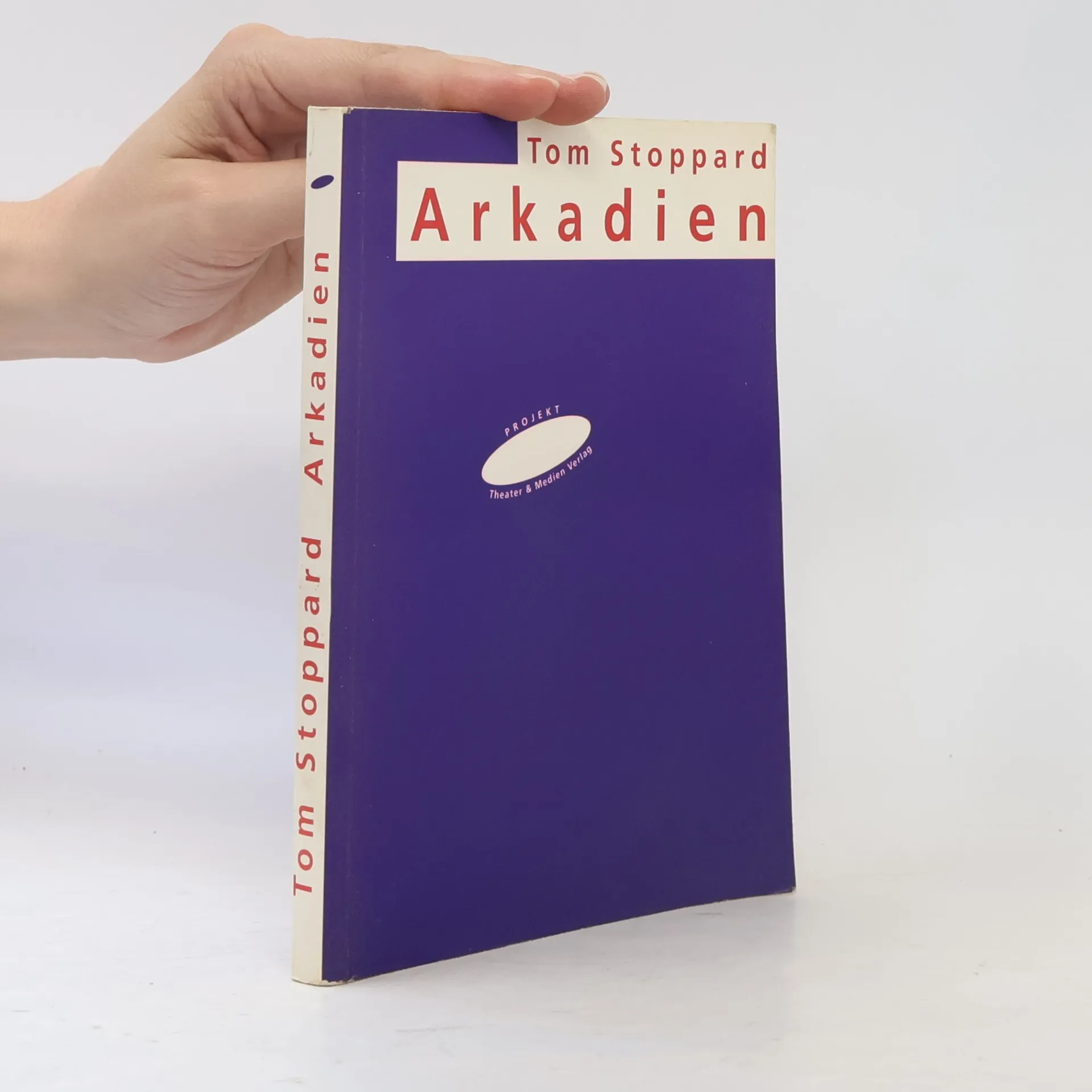
More about the book
Arcadia takes us back and forth between the nineteenth and twentieth centuries, ranging over the nature of truth and time, the difference between the Classical and the Romantic temperament, and the disruptive influence of sex on our orbits in life. Focusing on the mysteries—romantic, scientific, literary—that engage the minds and hearts of characters whose passions and lives intersect across scientific planes and centuries, it is “Stoppard’s richest, most ravishing comedy to date, a play of wit, intellect, language, brio and . . . emotion. It’s like a dream of levitation: you’re instantaneously aloft, soaring, banking, doing loop-the-loops and then, when you think you’re about to plummet to earth, swooping to a gentle touchdown of not easily described sweetness and sorrow . . . Exhilarating” (Vincent Canby, The New York Times).


Book purchase
Arkadien, Tom Stoppard
- Language

- Released
- 1992
- Binding
- (Paperback)
Payment methods
We’re missing your review here.
- Title
- Arkadien
- Language
- German
- Authors
- Tom Stoppard
- Publisher
- Jussenhoven & Fischer
- Released
- 1992
- Format
- Paperback
- Pages
- 151
- ISBN10
- 3930226006
- ISBN13
- 9783930226009
- Series
- First published
- 1993
- Original title
- Arcadia
- Rating
- 4.15 out of 5
- Description
- Arcadia takes us back and forth between the nineteenth and twentieth centuries, ranging over the nature of truth and time, the difference between the Classical and the Romantic temperament, and the disruptive influence of sex on our orbits in life. Focusing on the mysteries—romantic, scientific, literary—that engage the minds and hearts of characters whose passions and lives intersect across scientific planes and centuries, it is “Stoppard’s richest, most ravishing comedy to date, a play of wit, intellect, language, brio and . . . emotion. It’s like a dream of levitation: you’re instantaneously aloft, soaring, banking, doing loop-the-loops and then, when you think you’re about to plummet to earth, swooping to a gentle touchdown of not easily described sweetness and sorrow . . . Exhilarating” (Vincent Canby, The New York Times).