

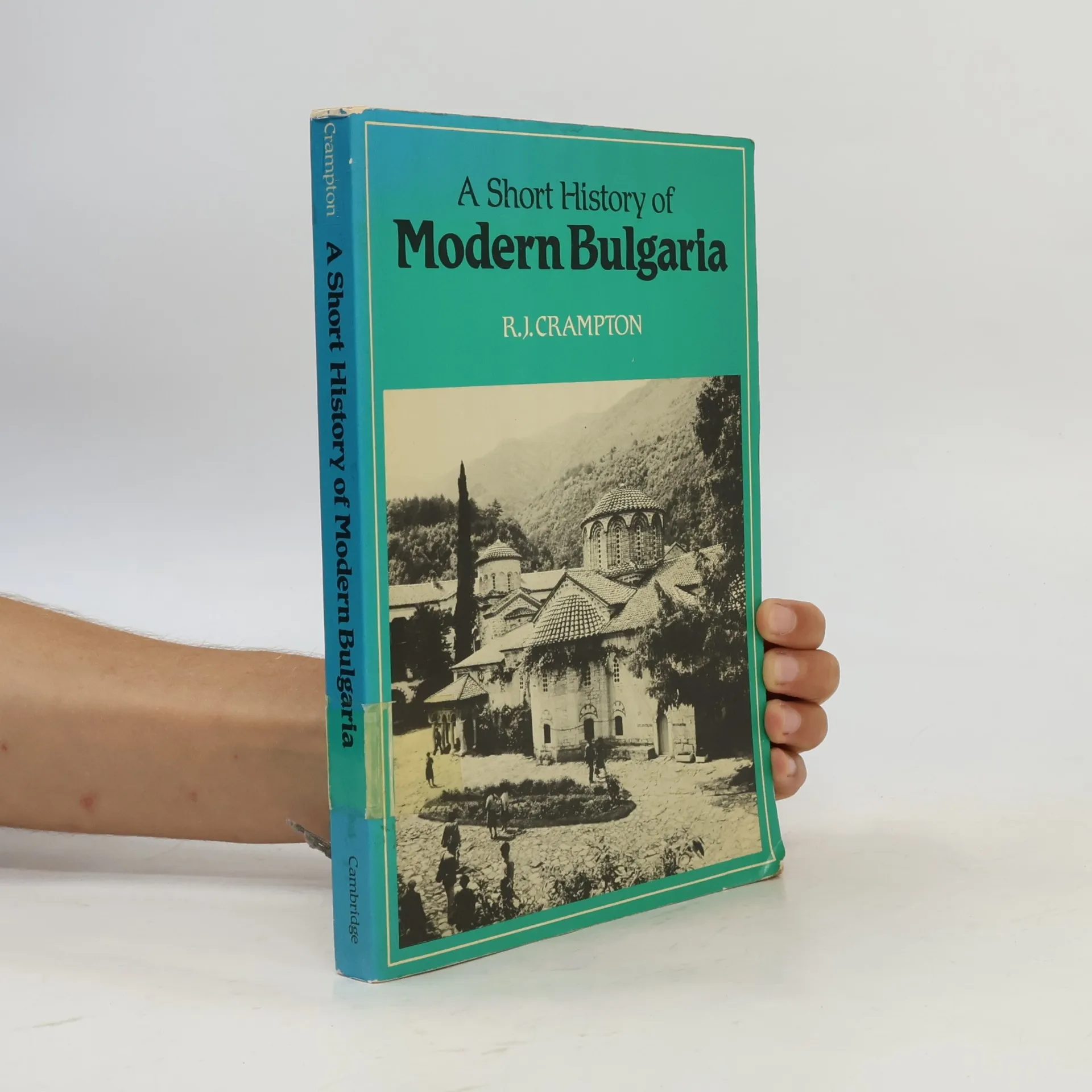
A Short History of Modern Bulgaria
Authors
More about the book
Since the Second World War, Bulgaria has been little known to the outside world. This survey of its history from its liberation from the Ottoman Empire in 1878 to 1985 offers an understanding of the country's present position and the recent past that has shaped it. Dr Crampton begins with a short introduction covering the period of Ottoman rule and then examines the political evolution of the new state. In 1915 the ruler, 'Foxy Ferdinard', chose to join the Germans in the First World War. During the 1920s and early 1930s Bulgaria suffered from political violence, though in the second half of the 1930s stability returned under the strong but not dictatorial rule of King Boris. In 1940 Bulgaria's leaders again chose the wrong side in the Second World War and violence returned as the Communists plotted a bloody path to power. From the mid-1950s the dictatorial rule of Todor Zhivkov ensured stability and, though grave problems remained, the rise in living standards was a considerable achievement.
Book purchase
A Short History of Modern Bulgaria, R. J Crampton
- Language

- Released
- 1987
- Binding
- (Paperback)
Payment methods
No one has rated yet.
- Title
- A Short History of Modern Bulgaria
- Language
- English
- Authors
- R. J Crampton
- Publisher
- Cambridge University Press
- Released
- 1987
- Format
- Paperback
- Pages
- 236
- ISBN10
- 0521273234
- ISBN13
- 9780521273237
- Series
- Description
- Since the Second World War, Bulgaria has been little known to the outside world. This survey of its history from its liberation from the Ottoman Empire in 1878 to 1985 offers an understanding of the country's present position and the recent past that has shaped it. Dr Crampton begins with a short introduction covering the period of Ottoman rule and then examines the political evolution of the new state. In 1915 the ruler, 'Foxy Ferdinard', chose to join the Germans in the First World War. During the 1920s and early 1930s Bulgaria suffered from political violence, though in the second half of the 1930s stability returned under the strong but not dictatorial rule of King Boris. In 1940 Bulgaria's leaders again chose the wrong side in the Second World War and violence returned as the Communists plotted a bloody path to power. From the mid-1950s the dictatorial rule of Todor Zhivkov ensured stability and, though grave problems remained, the rise in living standards was a considerable achievement.