



Parameters
- 136 pages
- 5 hours of reading
More about the book
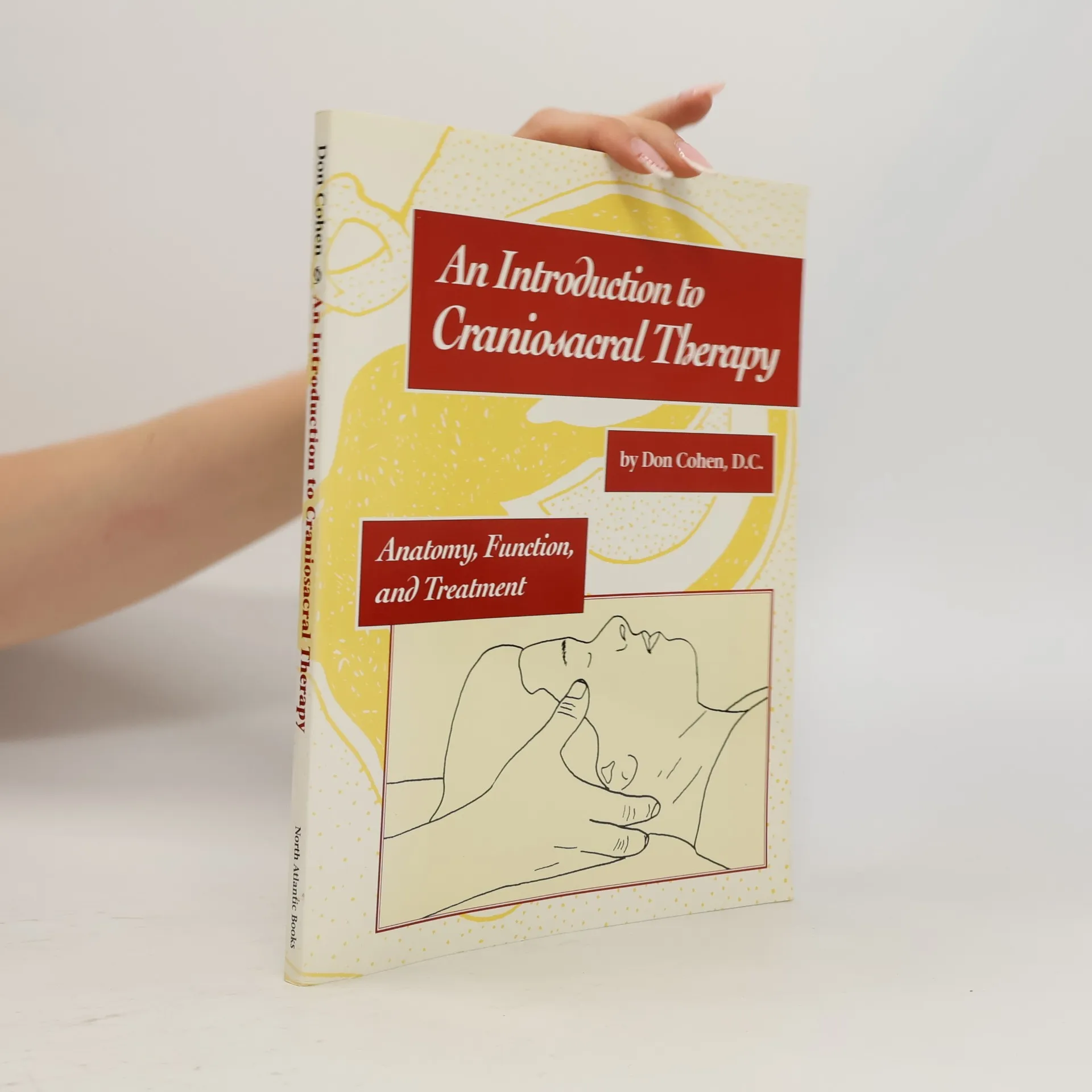
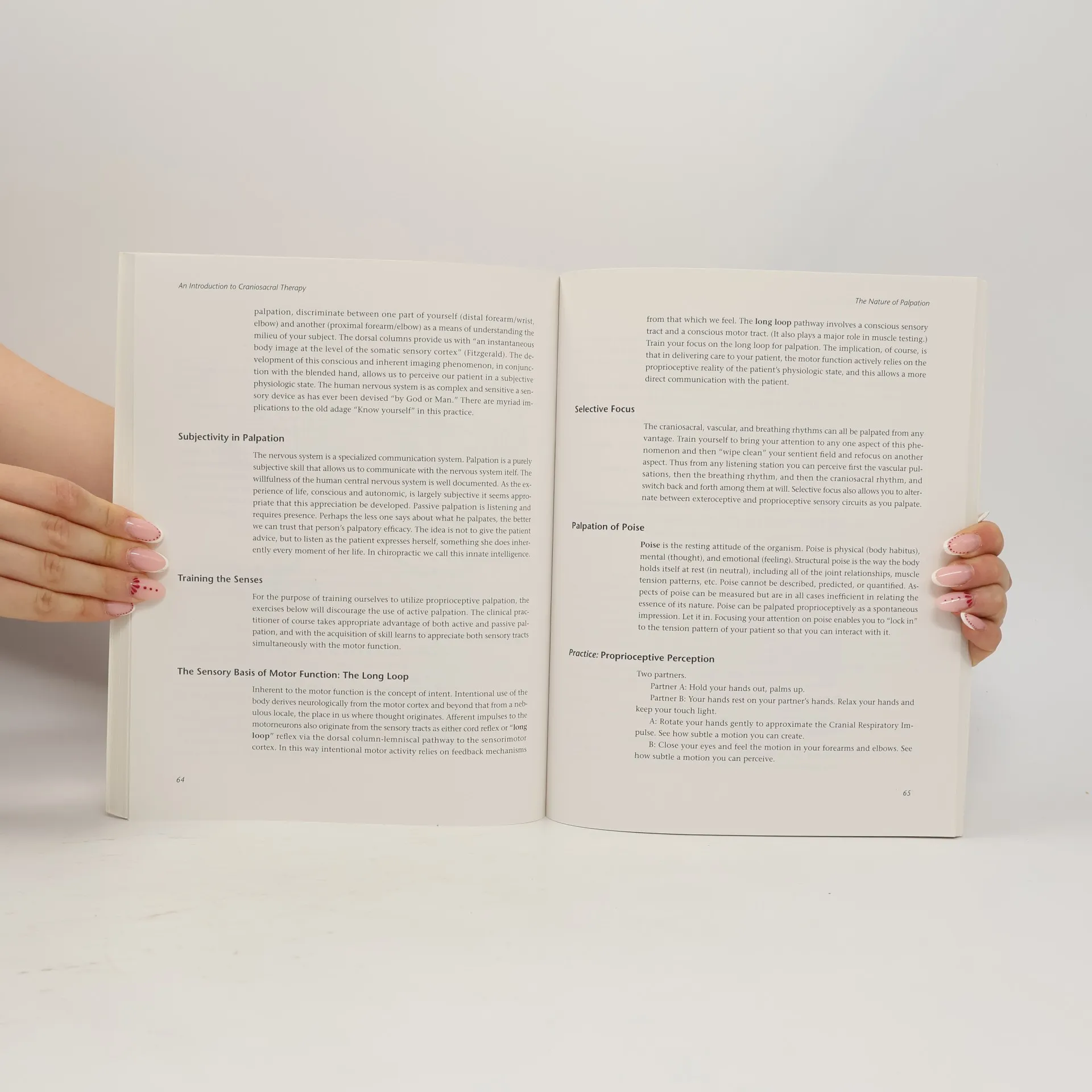
Grounded in ancient hands-on methods of diagnosis and treatment while encompassing the innovations of the early experimental osteopaths, craniosacrally-based treatment is now one of the most successful and fastest-growing approaches to mind-body healing. Providing access to the unity of structure and function in the organism, such therapy offers a simple, direct, and non-dogmatic means for tapping the body’s inherent intelligence in a fluid and spontaneous way. We should not presume that the techniques in this book deal solely with the bones of the cranium, the spine, and the lower back. The craniosacral system is no less than the structural aspect of the central nervous system. Its methods originate in neural behavior and emotional energy and include their manifestations throughout the tissues and organs of the body. Both a medical system with precise anatomical criteria and a therapeutic art requiring a practitioner to feel, interpret, and move energy, modern craniosacral therapy offers a unique way to perceive and influence the structural configuration of the brain itself in its relationship to the body’s architecture.
Book purchase
An Introduction to Craniosacral Therapy, Don Cohen
- Language

- Released
- 1995
- Binding
- (Paperback)
Payment methods
No one has rated yet.
- Title
- An Introduction to Craniosacral Therapy
- Subtitle
- Anatomy, Function, and Treatment
- Language
- English
- Authors
- Don Cohen
- Publisher
- North Atlantic Books
- Released
- 1995
- Format
- Paperback
- Pages
- 136
- ISBN10
- 155643183X
- ISBN13
- 9781556431838
- Series
- Tags
- Health & Medicine, Health
- Description
- Grounded in ancient hands-on methods of diagnosis and treatment while encompassing the innovations of the early experimental osteopaths, craniosacrally-based treatment is now one of the most successful and fastest-growing approaches to mind-body healing. Providing access to the unity of structure and function in the organism, such therapy offers a simple, direct, and non-dogmatic means for tapping the body’s inherent intelligence in a fluid and spontaneous way. We should not presume that the techniques in this book deal solely with the bones of the cranium, the spine, and the lower back. The craniosacral system is no less than the structural aspect of the central nervous system. Its methods originate in neural behavior and emotional energy and include their manifestations throughout the tissues and organs of the body. Both a medical system with precise anatomical criteria and a therapeutic art requiring a practitioner to feel, interpret, and move energy, modern craniosacral therapy offers a unique way to perceive and influence the structural configuration of the brain itself in its relationship to the body’s architecture.