Explore the latest books of this year!
Bookbot

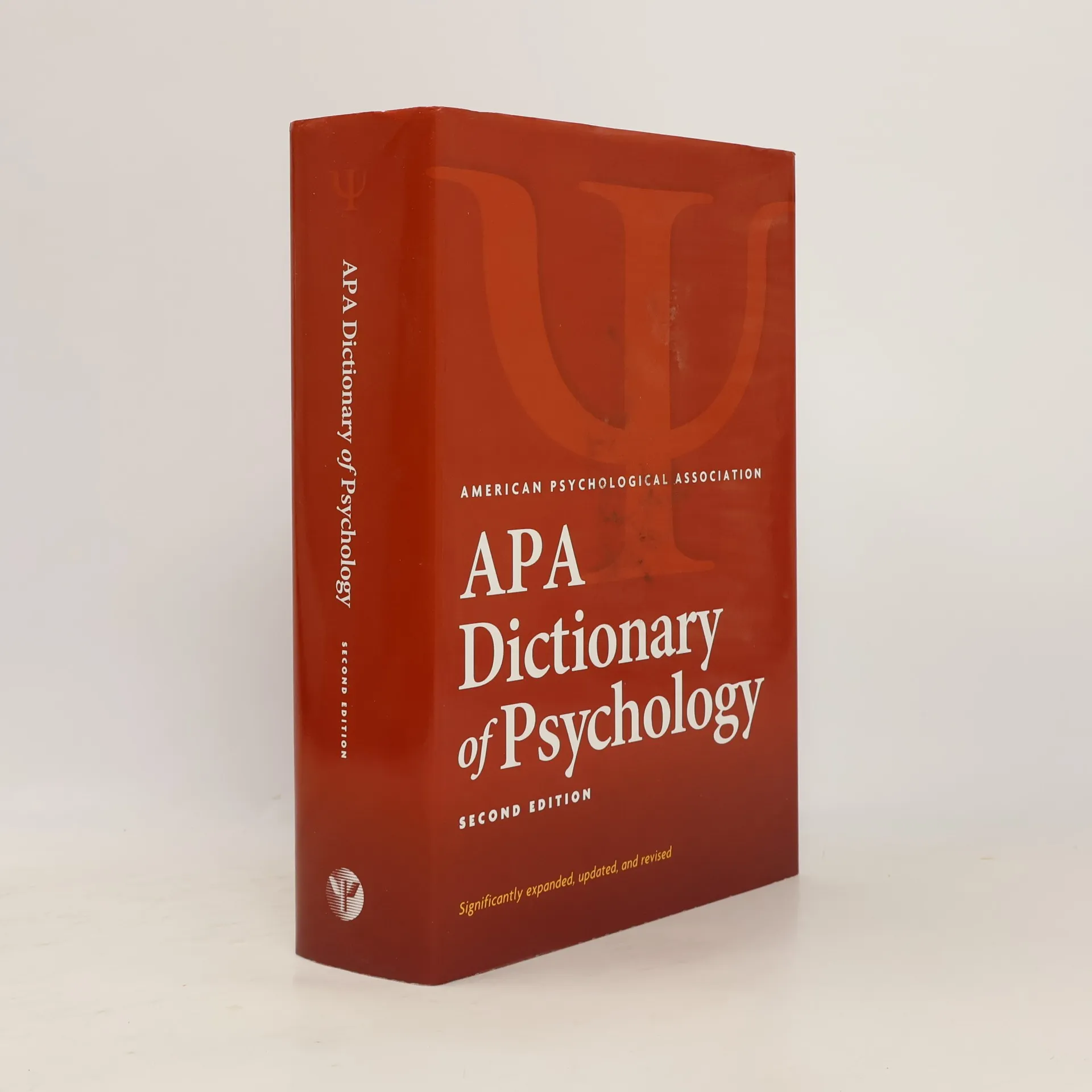
The APA Dictionary of Psychology

Parameters

  • 1024 pages
  • 36 hours of reading

More about the book

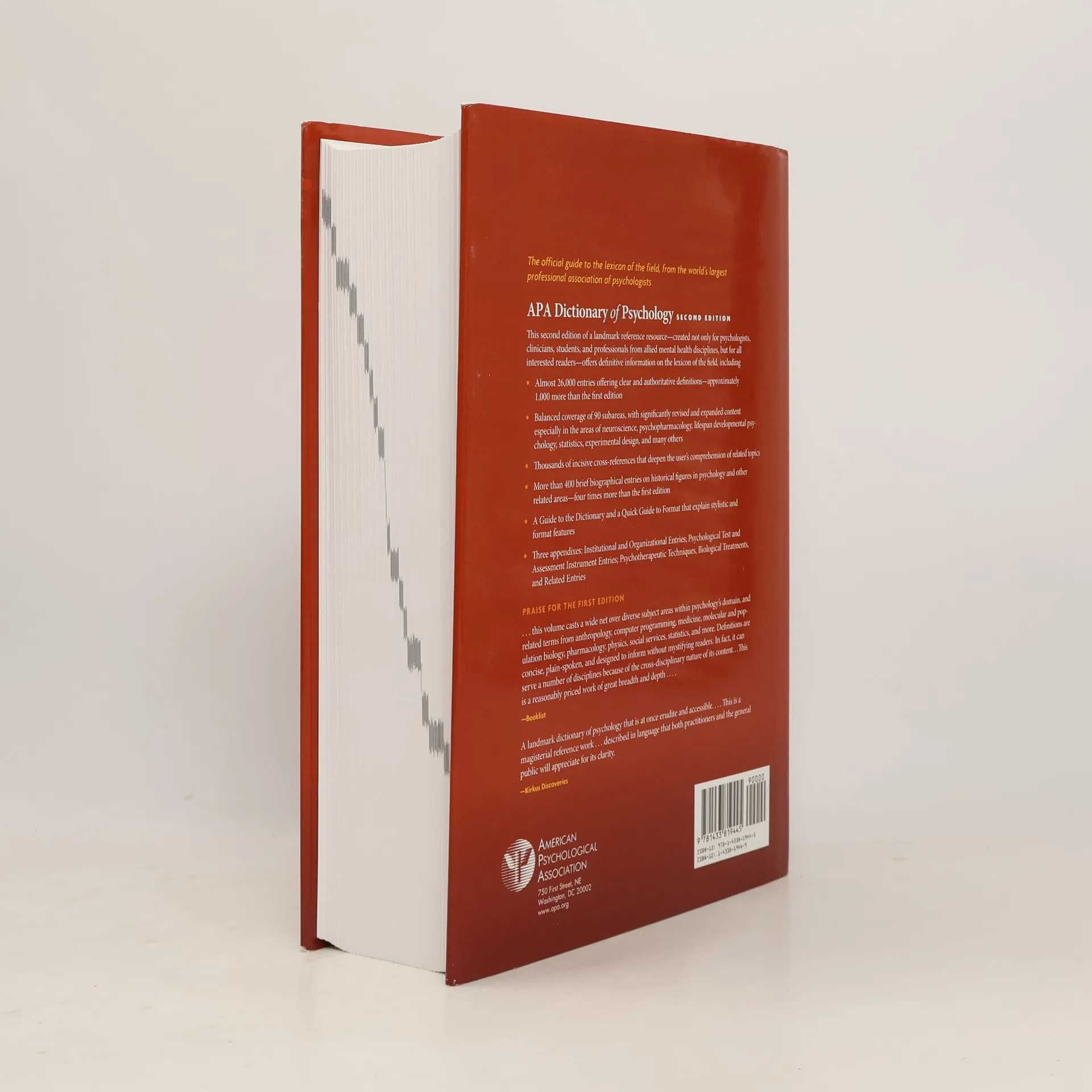
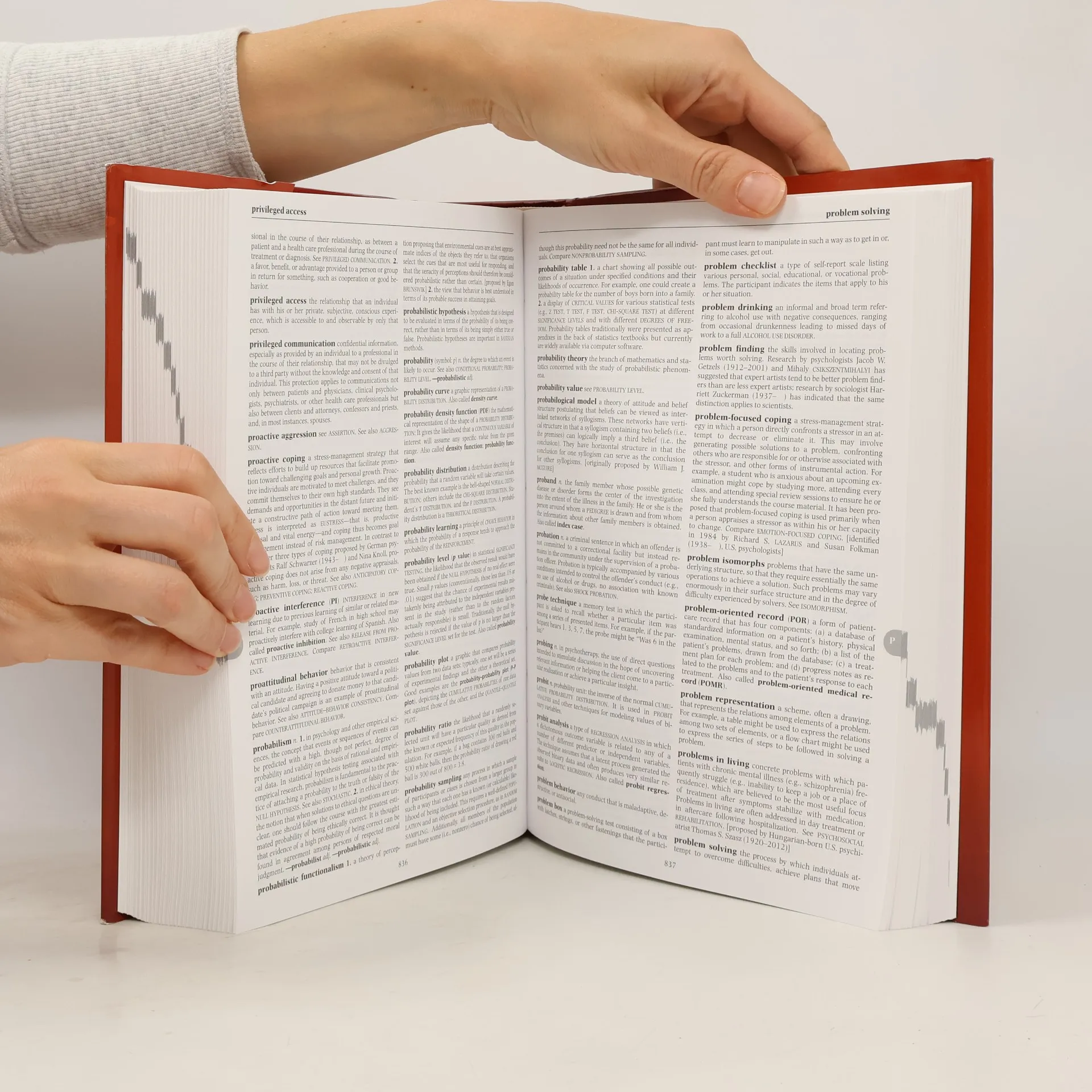
The largest association of psychologists in the world - the American Psychological Association - presents the definitive information on the language of the field, 25,000 entries offering clear and authoritative definitions; balanced coverage of over 90 subareas across the field of psychology - including clinical, experimental, neuropsychology, cognitive, personality and social, developmental, health, psychopharmacology, methodology and statistics, and many others; thousands of cross-references that deepen the user's understanding of related topics; close to 200 concise entries on major figures in the history of psychology and central organizations, institutions, and associations; a Guide to the Dictionary and Quick Guide to Format that explain stylistic and format features; and 4 appendixes on entries from these biographies; institutions, organizations, and associations; psychological tests and assessment instruments; and psychotherapies and psychotherapeutic approaches.

Book purchase

The APA Dictionary of Psychology, Gary R. VandenBos, American Psychological Association

Language
Released
2006
product-detail.submit-box.info.binding
(Hardcover)
We’ll email you as soon as we track it down.

Payment methods

No one has rated yet.Add rating

Title
The APA Dictionary of Psychology
Language
English
Format
Hardcover
Pages
1024
ISBN10
1591473802
ISBN13
9781591473800
Series
Description
The largest association of psychologists in the world - the American Psychological Association - presents the definitive information on the language of the field, 25,000 entries offering clear and authoritative definitions; balanced coverage of over 90 subareas across the field of psychology - including clinical, experimental, neuropsychology, cognitive, personality and social, developmental, health, psychopharmacology, methodology and statistics, and many others; thousands of cross-references that deepen the user's understanding of related topics; close to 200 concise entries on major figures in the history of psychology and central organizations, institutions, and associations; a Guide to the Dictionary and Quick Guide to Format that explain stylistic and format features; and 4 appendixes on entries from these biographies; institutions, organizations, and associations; psychological tests and assessment instruments; and psychotherapies and psychotherapeutic approaches.