

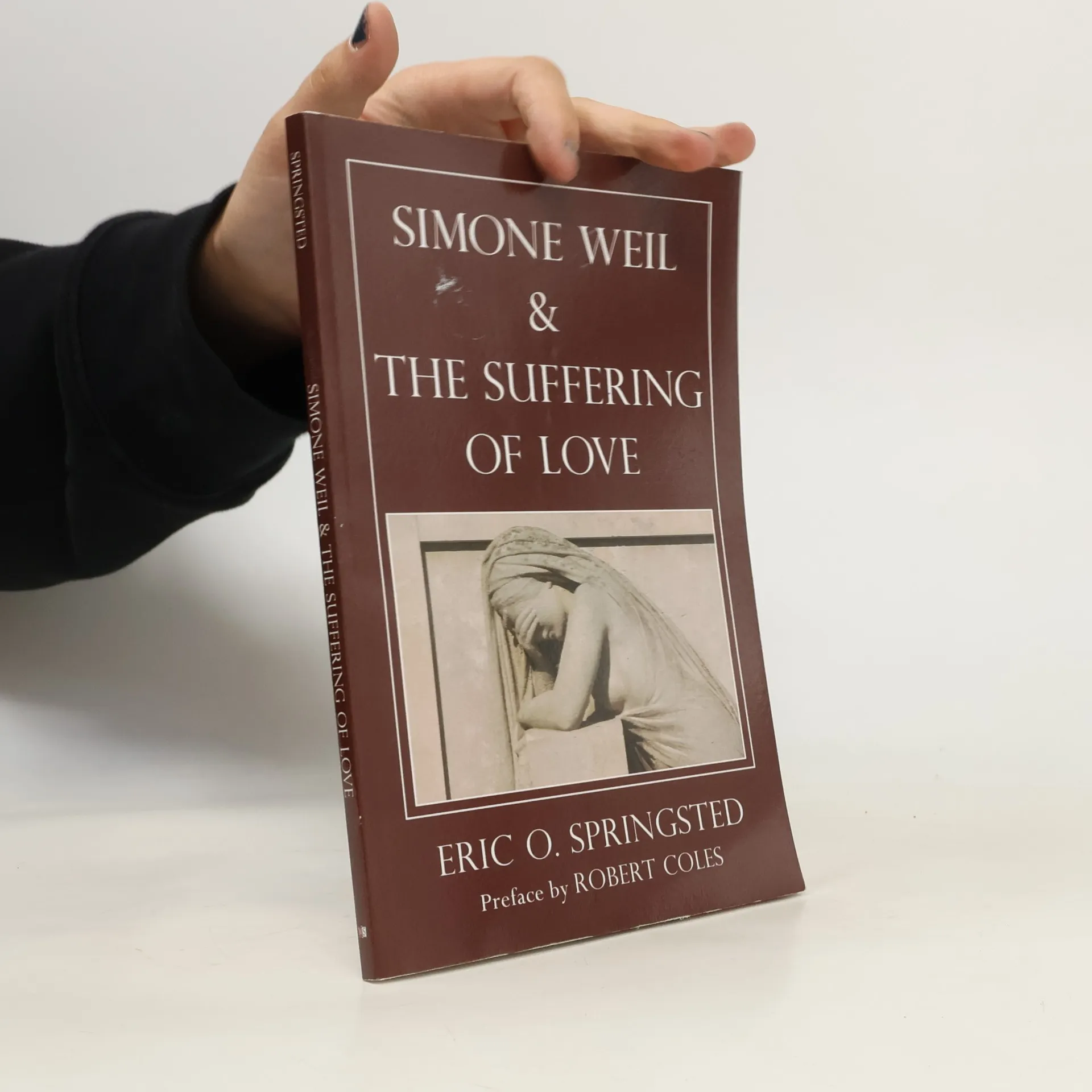
Simone Weil and The Suffering of Love
More about the book
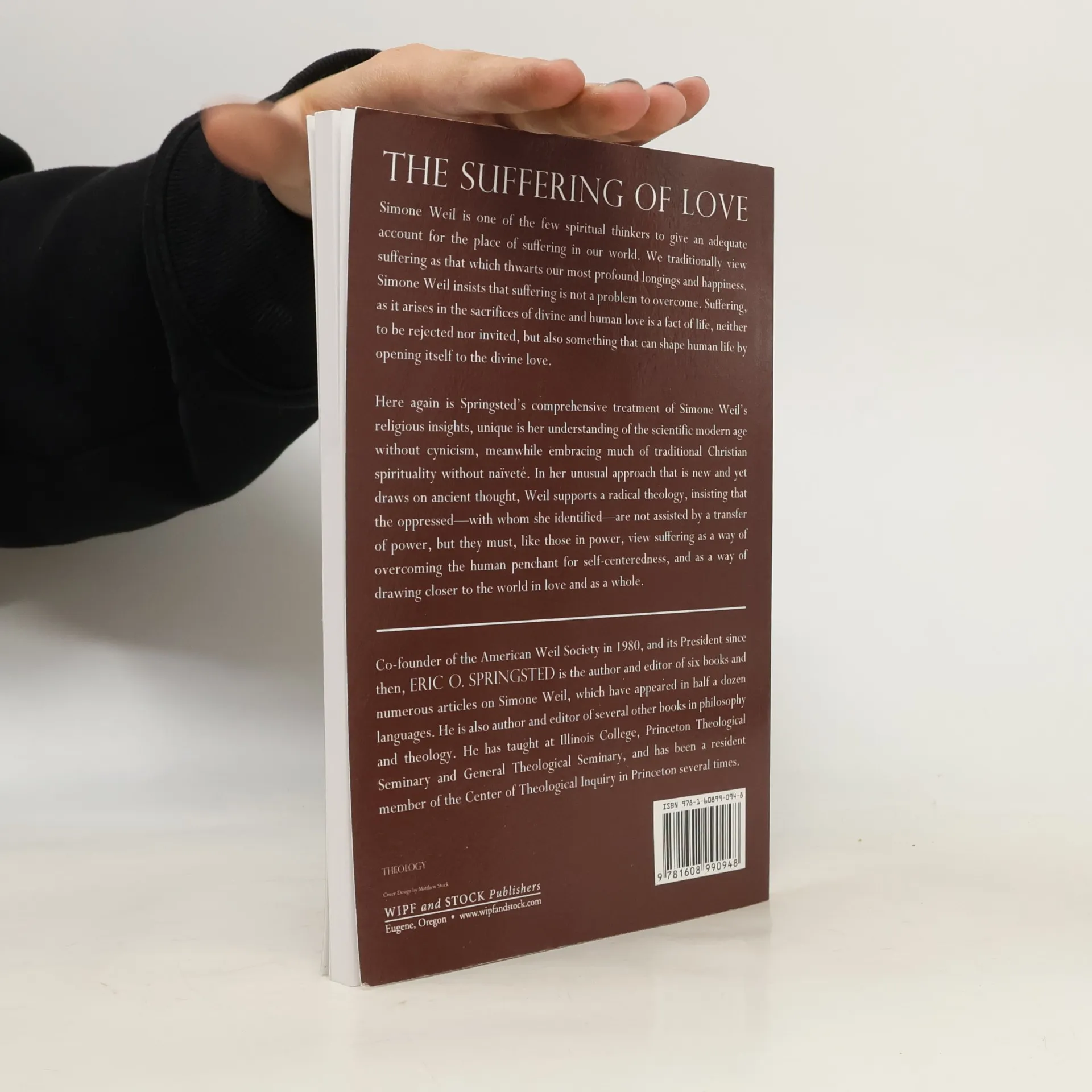
Simone Weil is one of the few spiritual thinkers to give an adequate account for the place of suffering in our world. We traditionally view suffering as that which thwarts our most profound longings and happiness. Simone Weil insists that suffering is not a problem to overcome. Suffering, as it arises in the sacrifices of divine and human love is a fact of life, neither to be rejected nor invited, but also something that can shape human life by opening itself to the divine love. Here again is Springsted's comprehensive treatment of Simone Weil's religious insights, unique is her understanding of the scientific modern age without cynicism, meanwhile embracing much of traditional Christian spirituality without naivet. In her unusual approach that is new and yet draws on ancient thought, Weil supports a radical theology, insisting that the oppressed - with whom she identified - are not assisted by a transfer of power, but they must, like those in power, view suffering as a way of overcoming the human penchant for self-centeredness, and as a way of drawing closer to the world in love and as a whole.
Book purchase
Simone Weil and The Suffering of Love, Robert Coles, Eric O. Springsted
- Language

- Released
- 2010
- Binding
- (Paperback)
Payment methods
No one has rated yet.
- Title
- Simone Weil and The Suffering of Love
- Language
- English
- Authors
- Robert Coles, Eric O. Springsted
- Publisher
- Wipf and Stock
- Released
- 2010
- Format
- Paperback
- Pages
- 148
- ISBN10
- 160899094X
- ISBN13
- 9781608990948
- Series
- Description
- Simone Weil is one of the few spiritual thinkers to give an adequate account for the place of suffering in our world. We traditionally view suffering as that which thwarts our most profound longings and happiness. Simone Weil insists that suffering is not a problem to overcome. Suffering, as it arises in the sacrifices of divine and human love is a fact of life, neither to be rejected nor invited, but also something that can shape human life by opening itself to the divine love. Here again is Springsted's comprehensive treatment of Simone Weil's religious insights, unique is her understanding of the scientific modern age without cynicism, meanwhile embracing much of traditional Christian spirituality without naivet. In her unusual approach that is new and yet draws on ancient thought, Weil supports a radical theology, insisting that the oppressed - with whom she identified - are not assisted by a transfer of power, but they must, like those in power, view suffering as a way of overcoming the human penchant for self-centeredness, and as a way of drawing closer to the world in love and as a whole.