

Explore the latest books of this year!
Bookbot

Eric O. Springsted

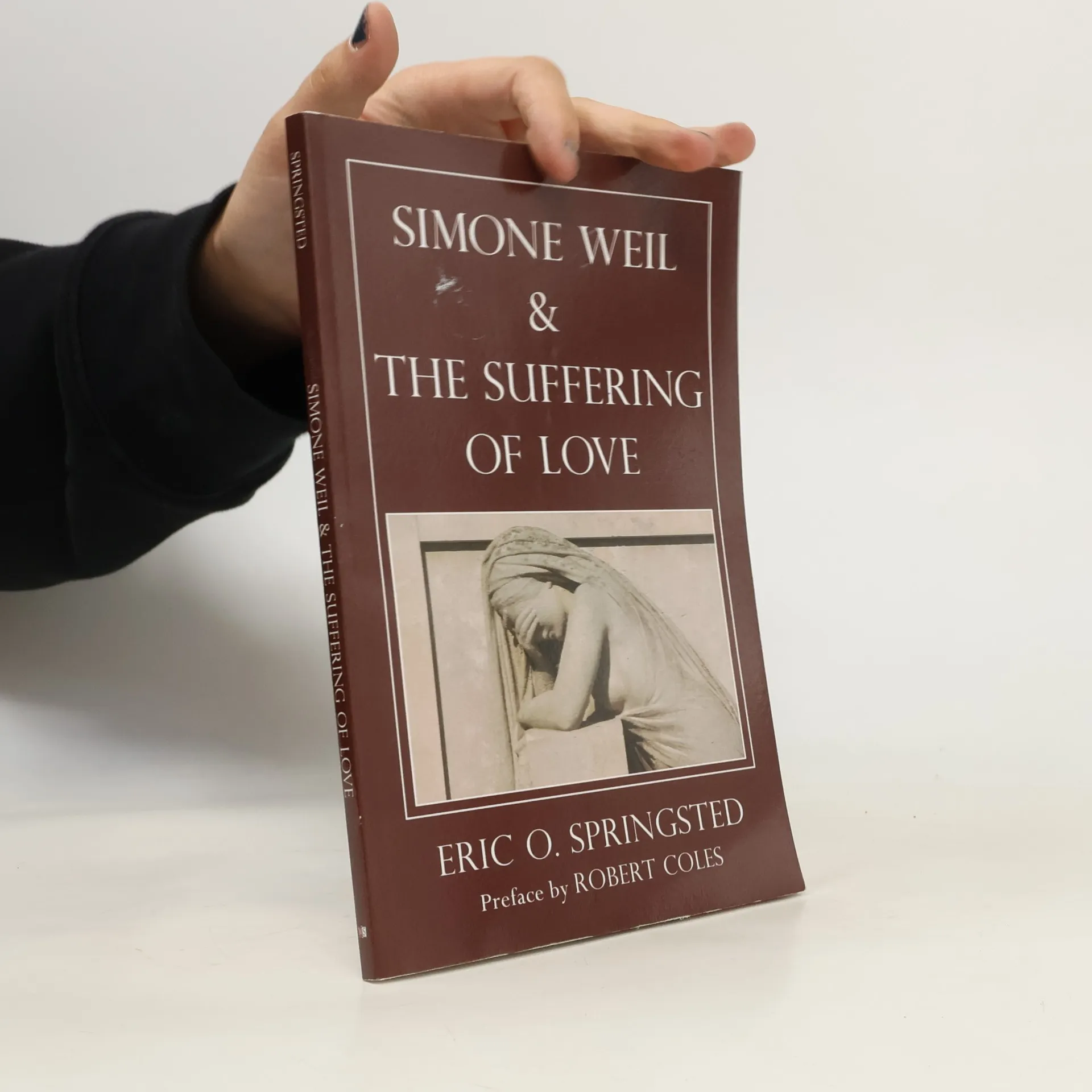
    Simone Weil and The Suffering of Love
    Simone Weil for the Twenty-First Century
    Philosophy for Understanding Theology
    • Philosophy for Understanding Theology

      • 294 pages
      • 11 hours of reading

      Exploring the interplay between philosophy and Christian theology, this classic text now includes updated chapters on postmodernism and contemporary issues regarding the self and the good. It guides students through the historical influence of significant philosophers and movements, illustrating how they have shaped theological understandings and expressions over time. This edition serves as a vital resource for those seeking to comprehend the philosophical foundations of Christian thought in light of modern scholarship.

      Philosophy for Understanding Theology
      4.2
    • This collection of essays presents a comprehensive analysis of Weil's interdisciplinary thought, focusing especially on the depth of its challenge to contemporary philosophical and religious studies ... For Weil, social and political questions cannot be separated from the supernatural. For her, rather, the world has a sacramental quality, such that life in the world is always a matter of life in God--and life in God, necessarily a way of life in the world. --Book cover

      Simone Weil for the Twenty-First Century
    • Simone Weil and The Suffering of Love

      • 148 pages
      • 6 hours of reading

      Simone Weil is one of the few spiritual thinkers to give an adequate account for the place of suffering in our world. We traditionally view suffering as that which thwarts our most profound longings and happiness. Simone Weil insists that suffering is not a problem to overcome. Suffering, as it arises in the sacrifices of divine and human love is a fact of life, neither to be rejected nor invited, but also something that can shape human life by opening itself to the divine love. Here again is Springsted's comprehensive treatment of Simone Weil's religious insights, unique is her understanding of the scientific modern age without cynicism, meanwhile embracing much of traditional Christian spirituality without naivet. In her unusual approach that is new and yet draws on ancient thought, Weil supports a radical theology, insisting that the oppressed - with whom she identified - are not assisted by a transfer of power, but they must, like those in power, view suffering as a way of overcoming the human penchant for self-centeredness, and as a way of drawing closer to the world in love and as a whole.

      Simone Weil and The Suffering of Love