

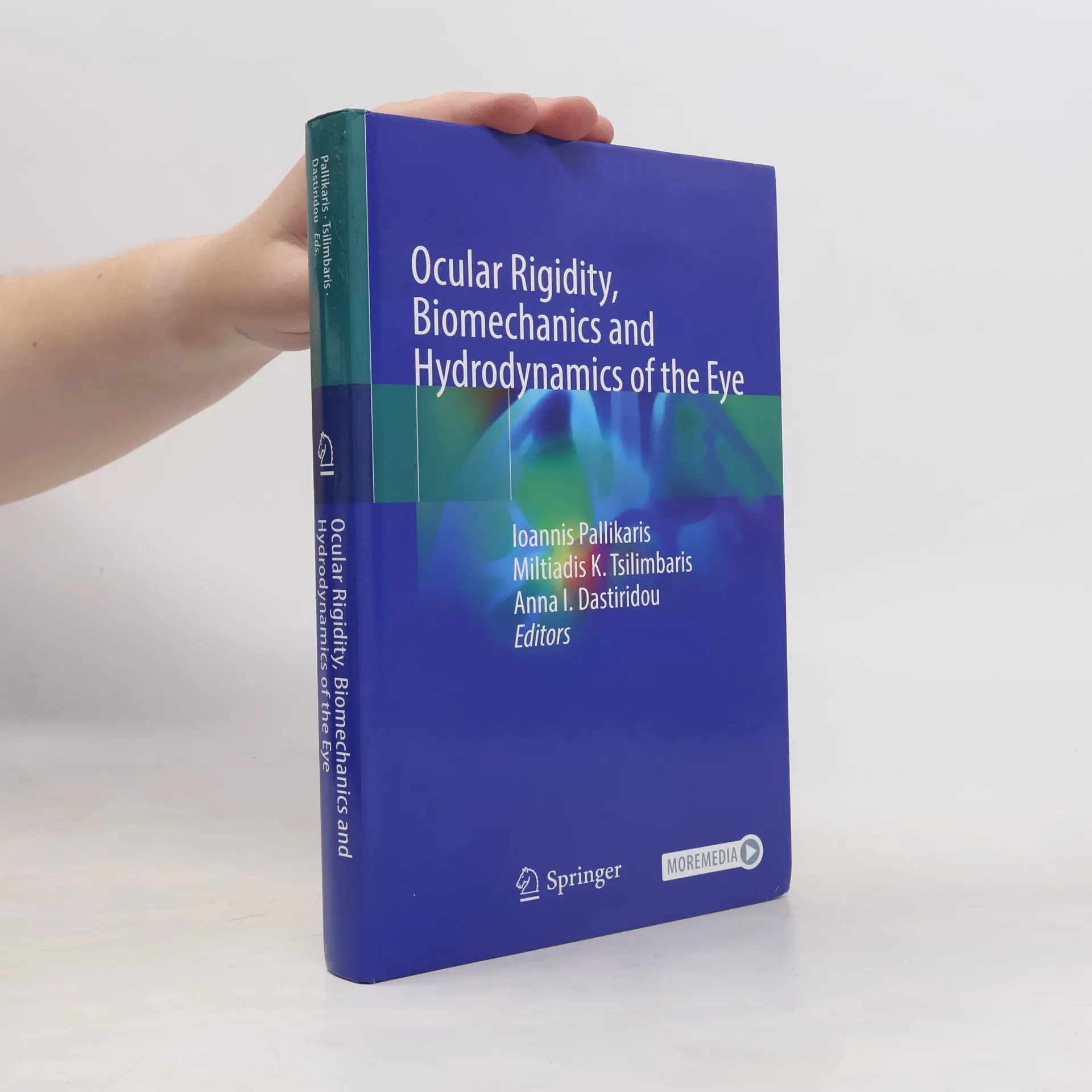

Ocular Rigidity, Biomechanics and Hydrodynamics of the Eye
More about the book
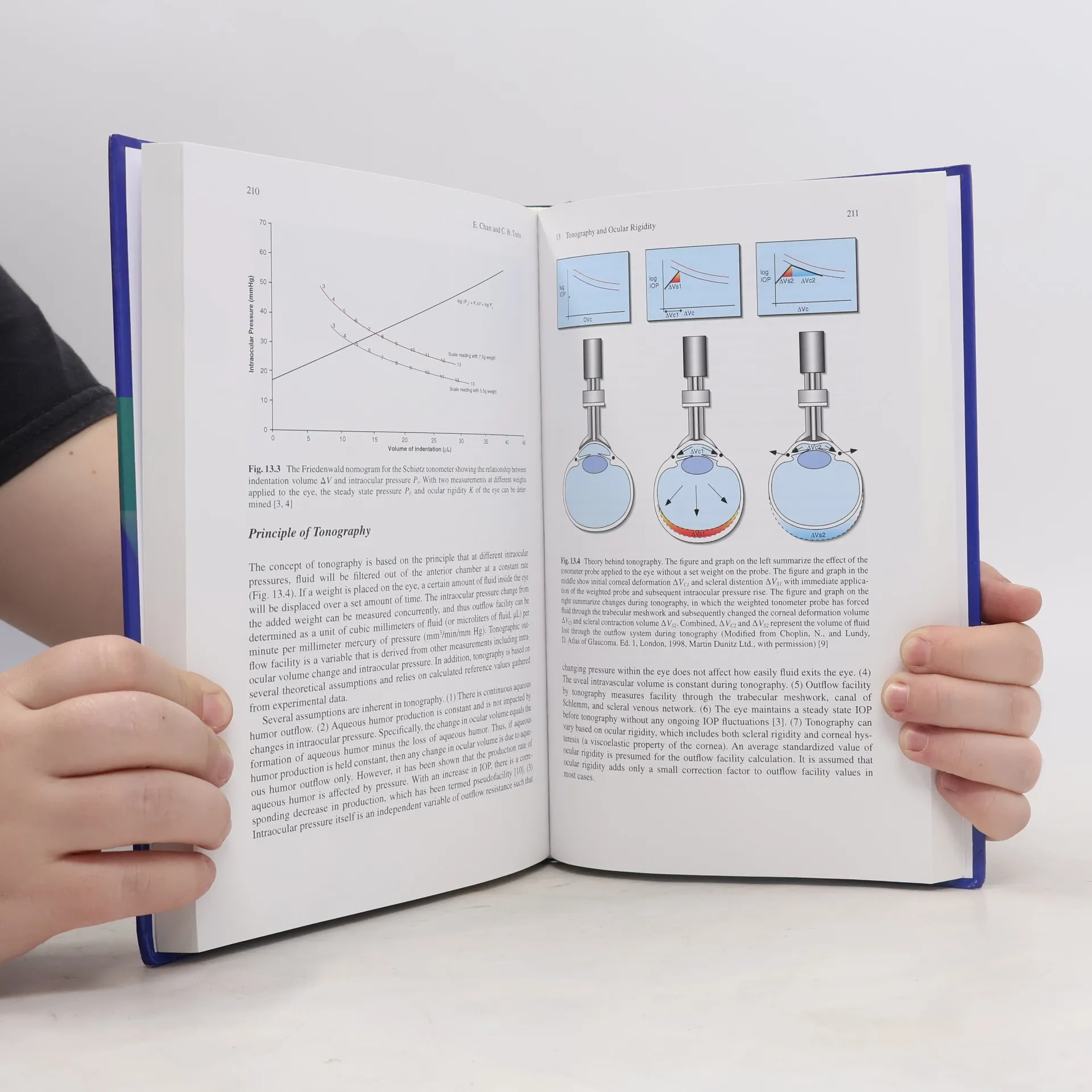
This book focuses on the concept of ocular rigidity, the biomechanical properties and hydrodynamics of the human eye. The basics of anatomy and physiology are explored and the relevant data for the clinician are emphasized throughout the book. The engineering aspects as well as the clinical interpretation are presented to provide context. Ocular Rigidity, Biomechanics and Hydrodynamics of the Eye summarises recent evidence on ocular rigidity, but also provides a complete presentation of the data so far. The authors have recently worked on ocular rigidity corneal and globe biomechanics and hydrodynamics and the new, up-to-date data on the subject are highlighted in each chapter. The aim is to provide the framework or the understanding of these parameters and to determine their relevance in health and disease. This book will be an essential read for all practicing ophthalmologists looking to gain a more in-depth understanding of this interesting area of research particularly in refractive surgery and glaucoma.
Book purchase
Ocular Rigidity, Biomechanics and Hydrodynamics of the Eye, Anna I. Dastiridou, Miltiadis K. Tsilimbaris, Ioannis Pallikaris
- Language

- Released
- 2021
- Binding
- (Hardcover)
Payment methods
No one has rated yet.
- Title
- Ocular Rigidity, Biomechanics and Hydrodynamics of the Eye
- Language
- English
- Publisher
- Springer
- Released
- 2021
- Format
- Hardcover
- Pages
- 367
- ISBN10
- 3030644219
- ISBN13
- 9783030644215
- Series
- Tags
- Medicine, Ophthalmology
- Description
- This book focuses on the concept of ocular rigidity, the biomechanical properties and hydrodynamics of the human eye. The basics of anatomy and physiology are explored and the relevant data for the clinician are emphasized throughout the book. The engineering aspects as well as the clinical interpretation are presented to provide context. Ocular Rigidity, Biomechanics and Hydrodynamics of the Eye summarises recent evidence on ocular rigidity, but also provides a complete presentation of the data so far. The authors have recently worked on ocular rigidity corneal and globe biomechanics and hydrodynamics and the new, up-to-date data on the subject are highlighted in each chapter. The aim is to provide the framework or the understanding of these parameters and to determine their relevance in health and disease. This book will be an essential read for all practicing ophthalmologists looking to gain a more in-depth understanding of this interesting area of research particularly in refractive surgery and glaucoma.