

More about the book
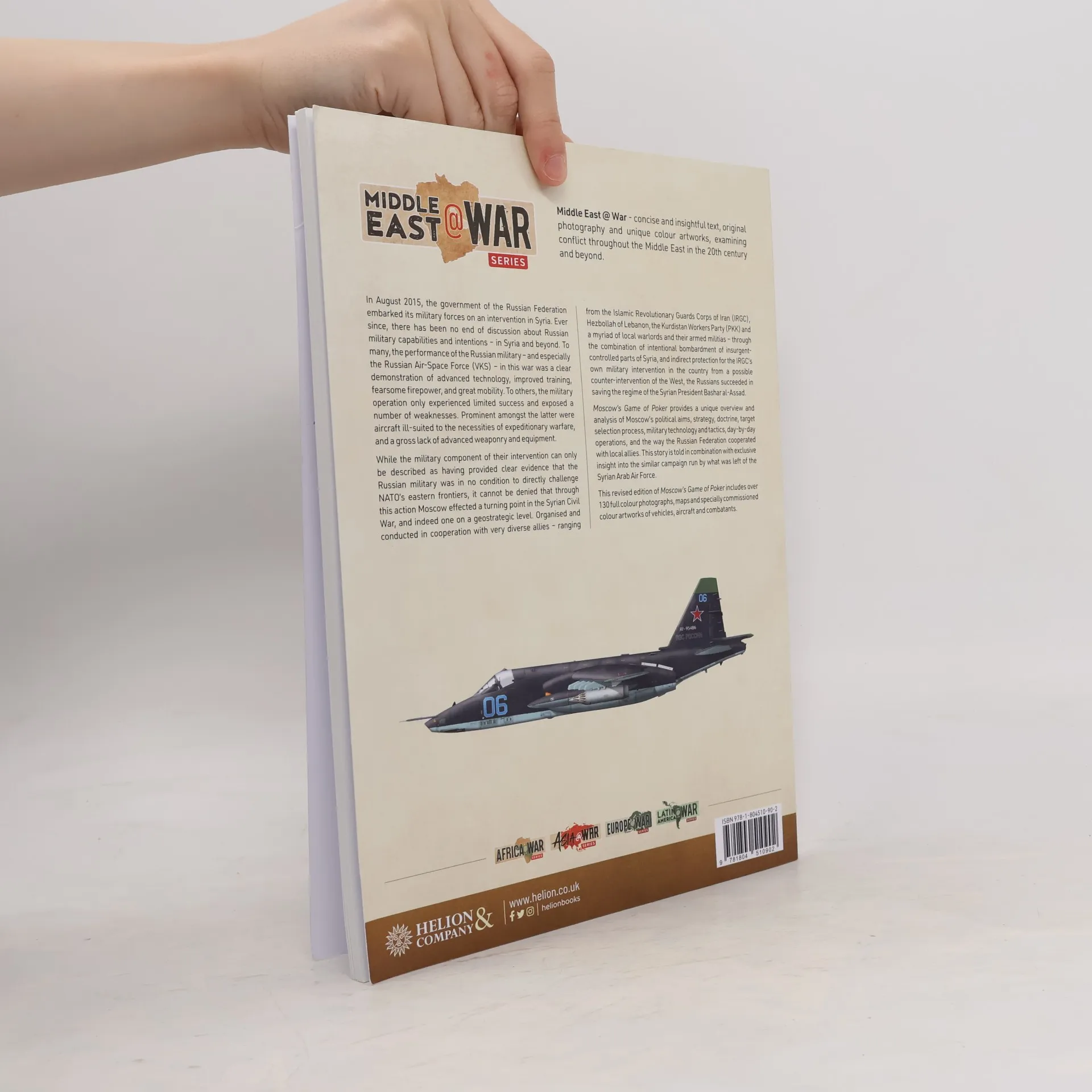
In August 2015, the Russian government initiated a military intervention in Syria, sparking extensive debate about its military capabilities and intentions. The performance of the Russian military, particularly the Air-Space Force (VKS), was seen by some as a showcase of advanced technology, improved training, and formidable firepower. Others argued that the operation revealed significant shortcomings, including the use of aircraft ill-suited for expeditionary warfare and a lack of advanced weaponry. While the military aspect indicated that Russia could not directly challenge NATO's eastern frontiers, it undeniably marked a turning point in the Syrian Civil War and had broader geostrategic implications. The intervention involved collaboration with diverse allies, including the Iranian Revolutionary Guards, Hezbollah, the PKK, and various local militias. Through targeted bombardments of insurgent-held areas and indirect support for Iranian forces, Russia played a crucial role in preserving Bashar al-Assad's regime. This analysis offers a detailed examination of Moscow's political objectives, strategy, military technology, tactics, and daily operations, alongside insights into the actions of the remaining Syrian Arab Air Force.
Book purchase
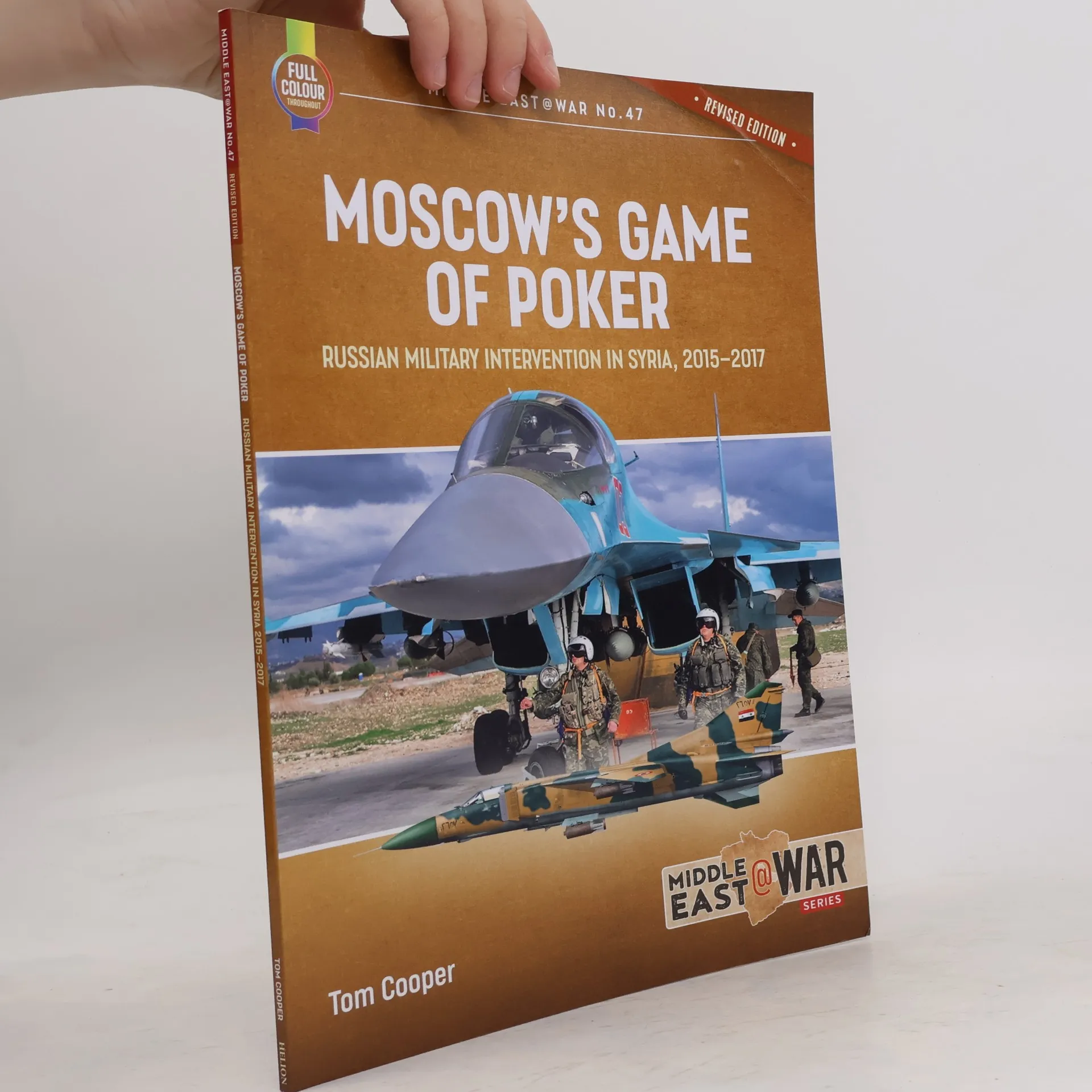
Middle East at War - 47: Moscow's Game of Poker, Tom Cooper
- Language

- Released
- 2022
- Binding
- (Paperback)
Payment methods
No one has rated yet.
- Title
- Middle East at War - 47: Moscow's Game of Poker
- Subtitle
- Russian Military Intervention in Syria, 2015-2017 - Revised Edition
- Language
- English
- Authors
- Tom Cooper
- Publisher
- Helion & Company
- Released
- 2022
- Format
- Paperback
- Pages
- 96
- ISBN10
- 1804510904
- ISBN13
- 9781804510902
- Series
- Categories
- Tags
- Historical Themes, Russia, Aviation, 21st Century, Iran, Military Technology, Syria, Lebanon, Russian Federation
- Description
- In August 2015, the Russian government initiated a military intervention in Syria, sparking extensive debate about its military capabilities and intentions. The performance of the Russian military, particularly the Air-Space Force (VKS), was seen by some as a showcase of advanced technology, improved training, and formidable firepower. Others argued that the operation revealed significant shortcomings, including the use of aircraft ill-suited for expeditionary warfare and a lack of advanced weaponry. While the military aspect indicated that Russia could not directly challenge NATO's eastern frontiers, it undeniably marked a turning point in the Syrian Civil War and had broader geostrategic implications. The intervention involved collaboration with diverse allies, including the Iranian Revolutionary Guards, Hezbollah, the PKK, and various local militias. Through targeted bombardments of insurgent-held areas and indirect support for Iranian forces, Russia played a crucial role in preserving Bashar al-Assad's regime. This analysis offers a detailed examination of Moscow's political objectives, strategy, military technology, tactics, and daily operations, alongside insights into the actions of the remaining Syrian Arab Air Force.