

More about the book
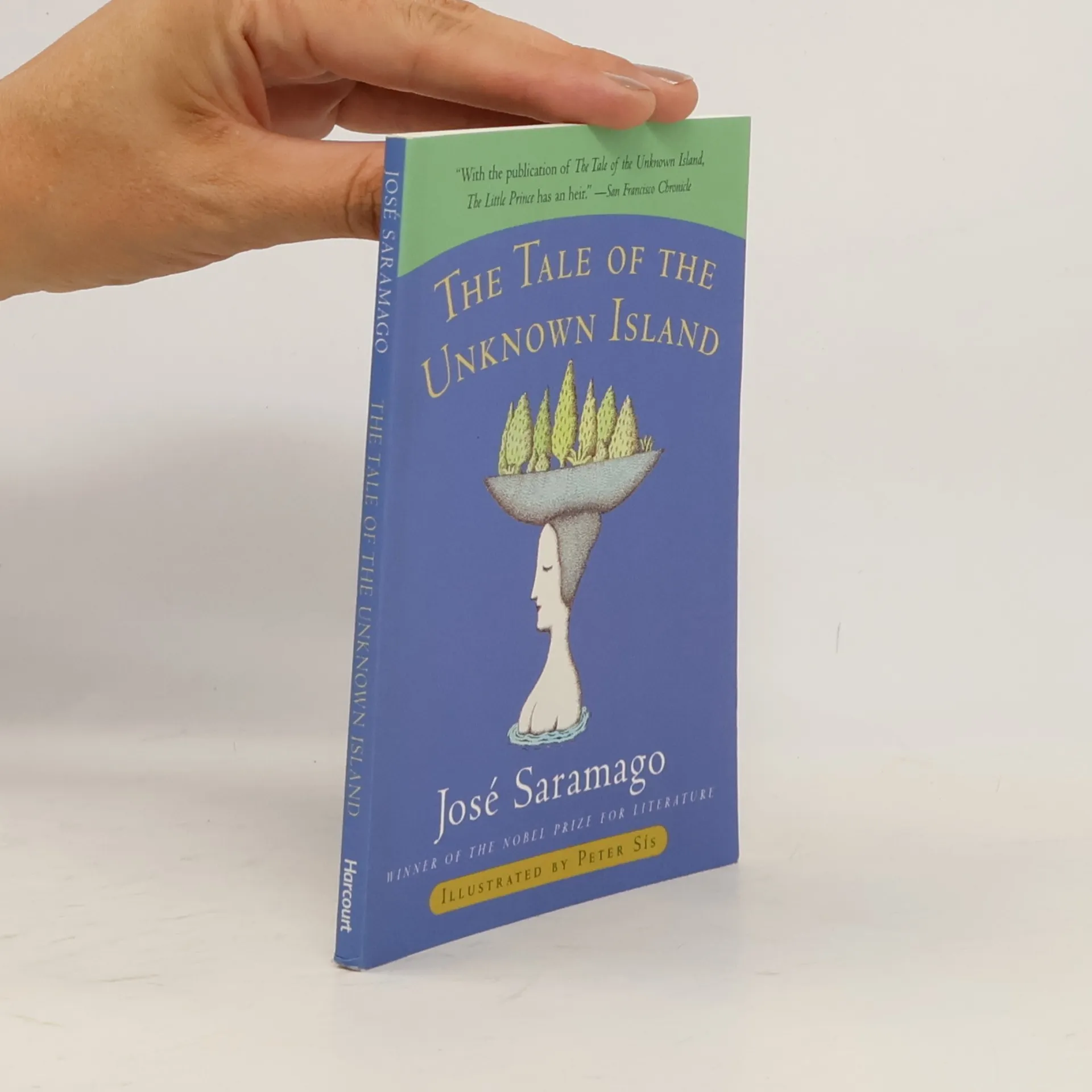
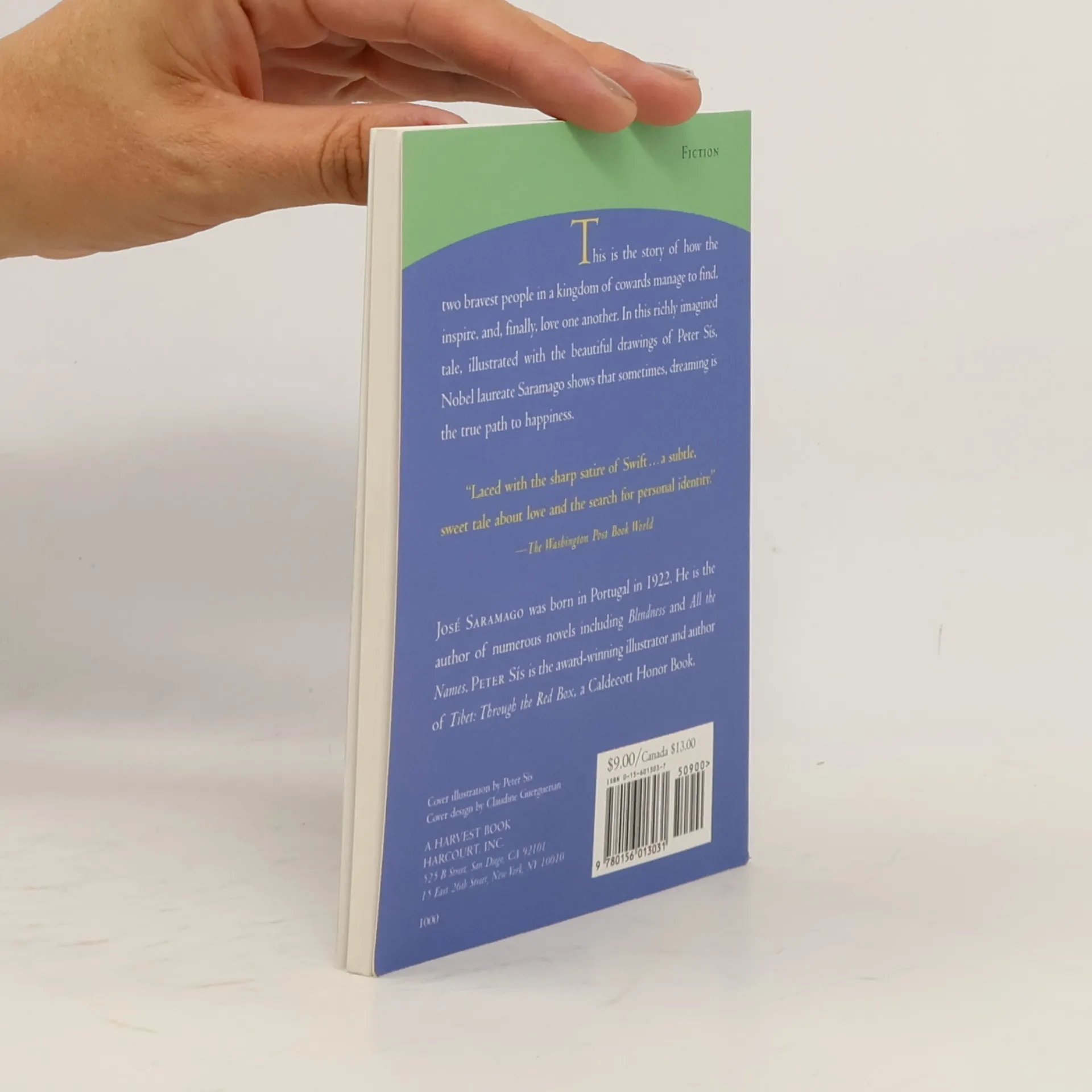
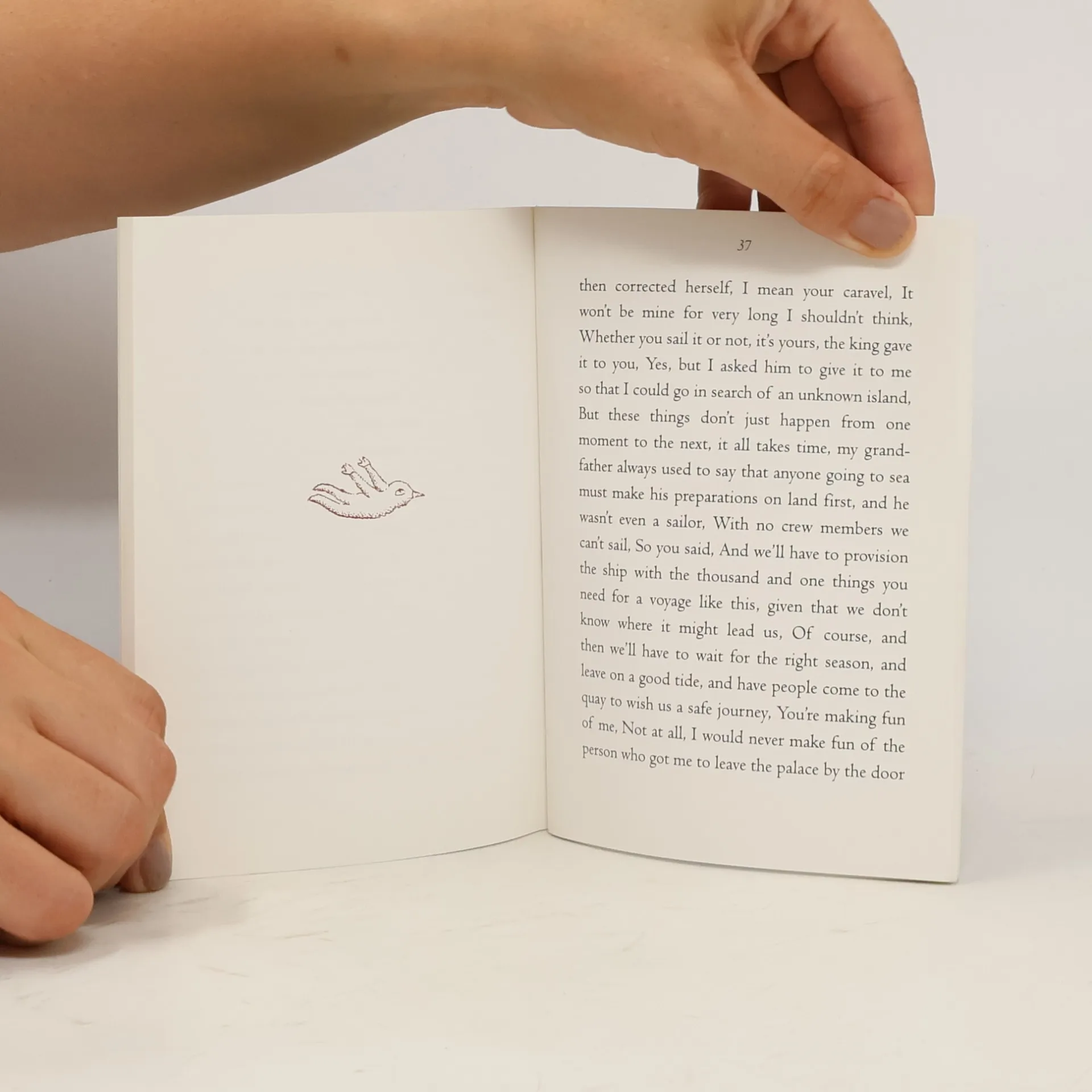
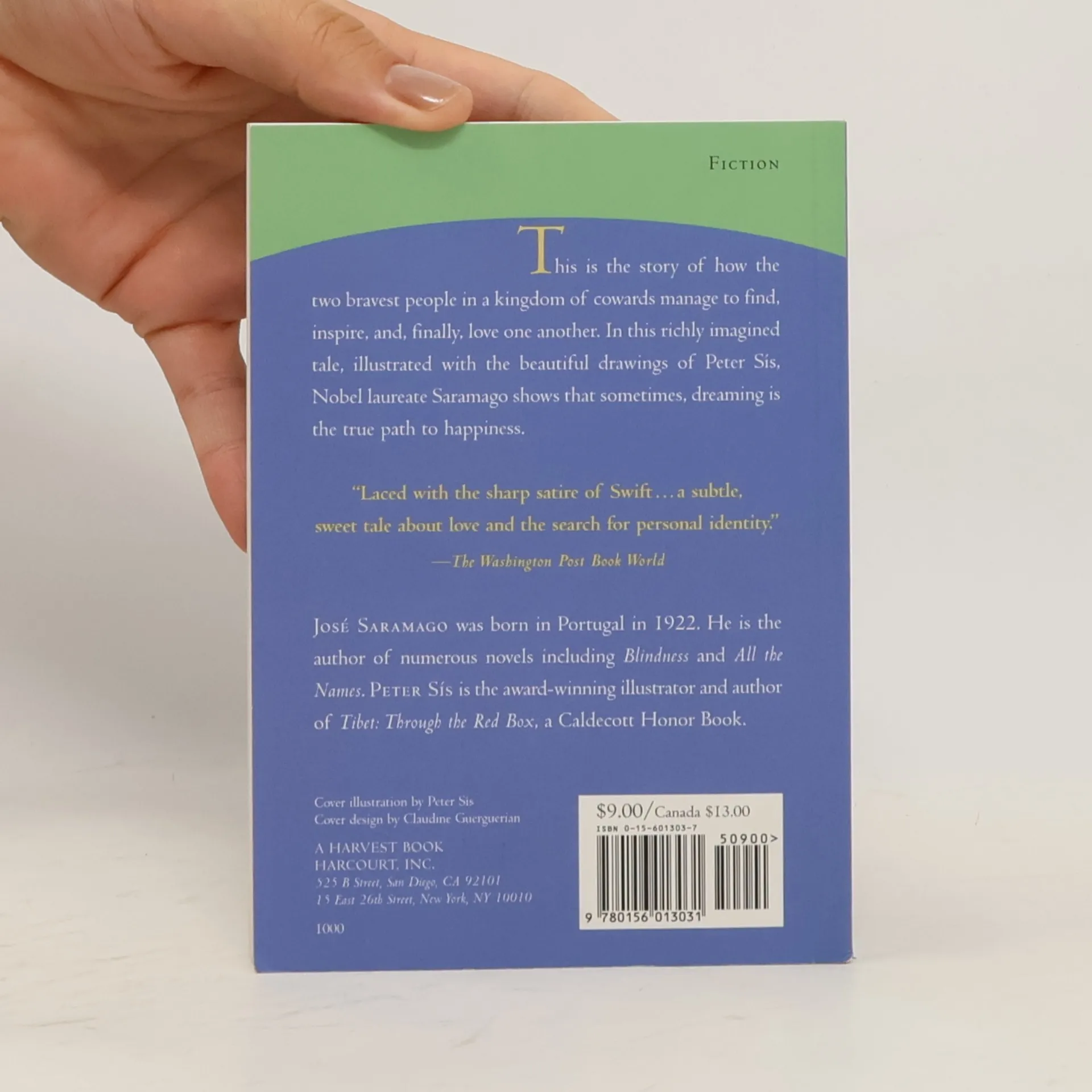
Nobel Prize–winning author Saramago departs from his usual dense, linguistic style to write a "mischievous and thoughtful satire on ruling elites and bold dreamers, cast in the form of revisionist fairy-tale" ( Kirkus Reviews )."A man went to knock at the king's door and said, Give me a boat. The king's house had many other doors, but this was the door for petitions. Since the king spent all his time sitting at the door for favors (favors being offered to the king, you understand), whenever he heard someone knocking at the door for petitions, he would pretend not to hear . . ."Why the petitioner required a boat, where he was bound for, and who volunteered to crew for him, the reader will discover in this delightful fable, a philosophic love story worthy of Swift or Voltaire.


Book purchase
The Tale of the Unknown Island, José Saramago, Peter Sís, Margaret Jull Costa
- Language

- Released
- 1999
- Binding
- (Paperback),
- Book condition
- Very Good
- Price
- €7.79
Payment methods
We’re missing your review here.
- Title
- The Tale of the Unknown Island
- Language
- English
- Authors
- José Saramago, Peter Sís, Margaret Jull Costa
- Publisher
- Mariner Books
- Released
- 1999
- Format
- Paperback
- Pages
- 51
- ISBN10
- 0156013037
- ISBN13
- 9780156013031
- Series
- Categories
- Rating
- 3.85 out of 5
- Description
- Nobel Prize–winning author Saramago departs from his usual dense, linguistic style to write a "mischievous and thoughtful satire on ruling elites and bold dreamers, cast in the form of revisionist fairy-tale" ( Kirkus Reviews )."A man went to knock at the king's door and said, Give me a boat. The king's house had many other doors, but this was the door for petitions. Since the king spent all his time sitting at the door for favors (favors being offered to the king, you understand), whenever he heard someone knocking at the door for petitions, he would pretend not to hear . . ."Why the petitioner required a boat, where he was bound for, and who volunteered to crew for him, the reader will discover in this delightful fable, a philosophic love story worthy of Swift or Voltaire.