

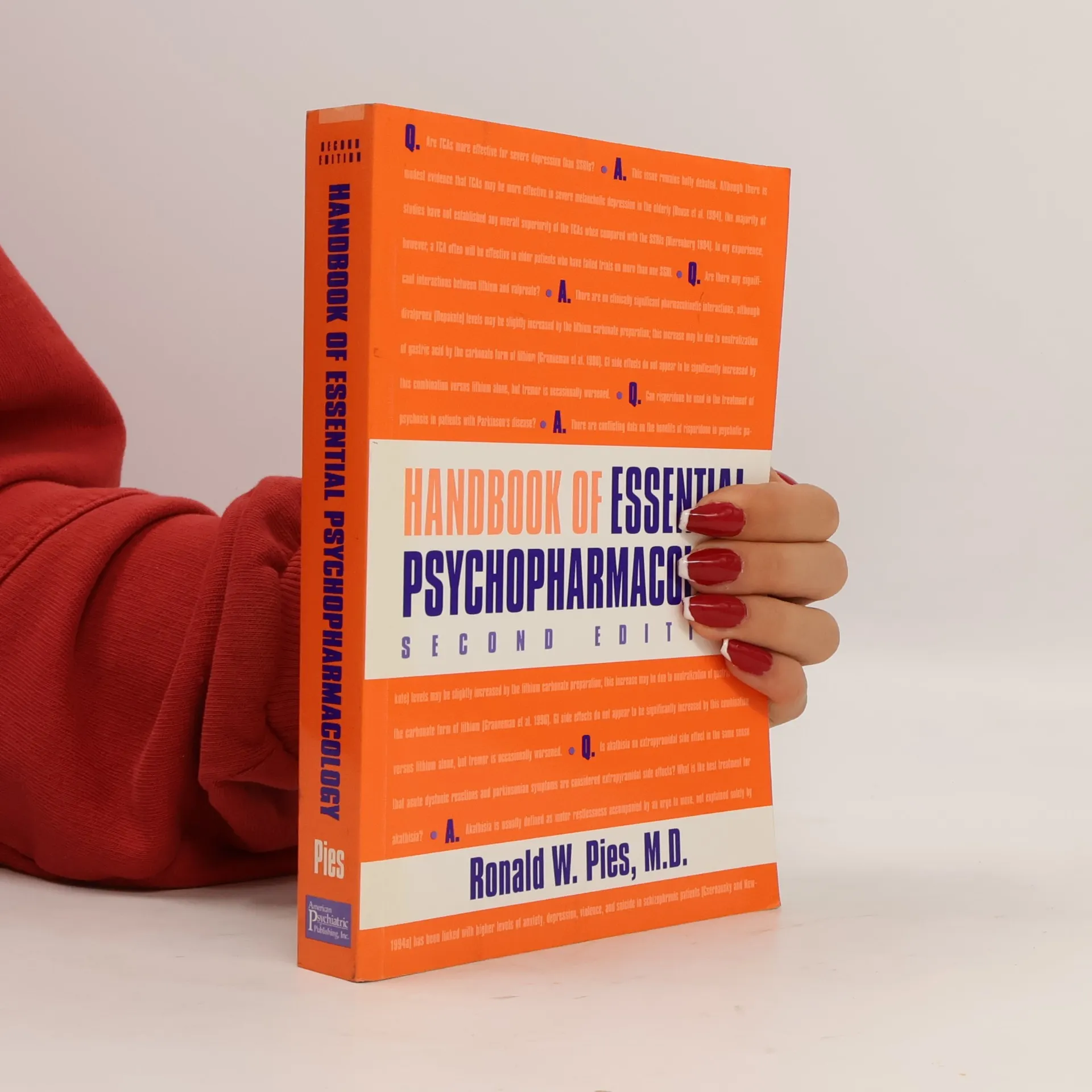



More about the book
The updated edition of this essential guide offers vital information in the expanding field of psychopharmacology, serving as a key reference for both residents and experienced clinicians. It provides a quick, accessible overview of psychotropic drugs, including dosages, indications, and drug interactions. The handbook features a clear structure, beginning with a new introductory chapter on pharmacodynamics and pharmacokinetics. It includes four main chapters dedicated to the primary groups of psychotropic medications: antidepressants, antipsychotics, anxiolytics, and mood stabilizers. Each chapter follows a consistent format summarizing critical information such as drug class, mechanisms of action, side effects, drug interactions, and special populations. Additionally, it contains numerous tables and graphs for quick reference, self-instruction questions, and engaging vignettes. The new appendix of fifty questions and answers tests the reader's knowledge and comprehension. This densely informative guide is a practical clinical reference for seasoned clinicians, a valuable teaching tool for educators, and a helpful resource for residents, particularly those preparing for psychiatry board exams.
Book purchase
Handbook of Essential Psychopharmacology, Ronald W. Pies, Donald P. Rogers
- Language

- Released
- 2005
- Binding
- (Paperback),
- Book condition
- Damaged
- Price
- €2.09
Payment methods
No one has rated yet.
- Title
- Handbook of Essential Psychopharmacology
- Subtitle
- Second Edition
- Language
- English
- Authors
- Ronald W. Pies, Donald P. Rogers
- Released
- 2005
- Format
- Paperback
- Pages
- 554
- ISBN10
- 1585621684
- ISBN13
- 9781585621682
- Series
- Tags
- USA, Medicine, Psychiatry, Pharmacology, Pain Management
- Description
- The updated edition of this essential guide offers vital information in the expanding field of psychopharmacology, serving as a key reference for both residents and experienced clinicians. It provides a quick, accessible overview of psychotropic drugs, including dosages, indications, and drug interactions. The handbook features a clear structure, beginning with a new introductory chapter on pharmacodynamics and pharmacokinetics. It includes four main chapters dedicated to the primary groups of psychotropic medications: antidepressants, antipsychotics, anxiolytics, and mood stabilizers. Each chapter follows a consistent format summarizing critical information such as drug class, mechanisms of action, side effects, drug interactions, and special populations. Additionally, it contains numerous tables and graphs for quick reference, self-instruction questions, and engaging vignettes. The new appendix of fifty questions and answers tests the reader's knowledge and comprehension. This densely informative guide is a practical clinical reference for seasoned clinicians, a valuable teaching tool for educators, and a helpful resource for residents, particularly those preparing for psychiatry board exams.