

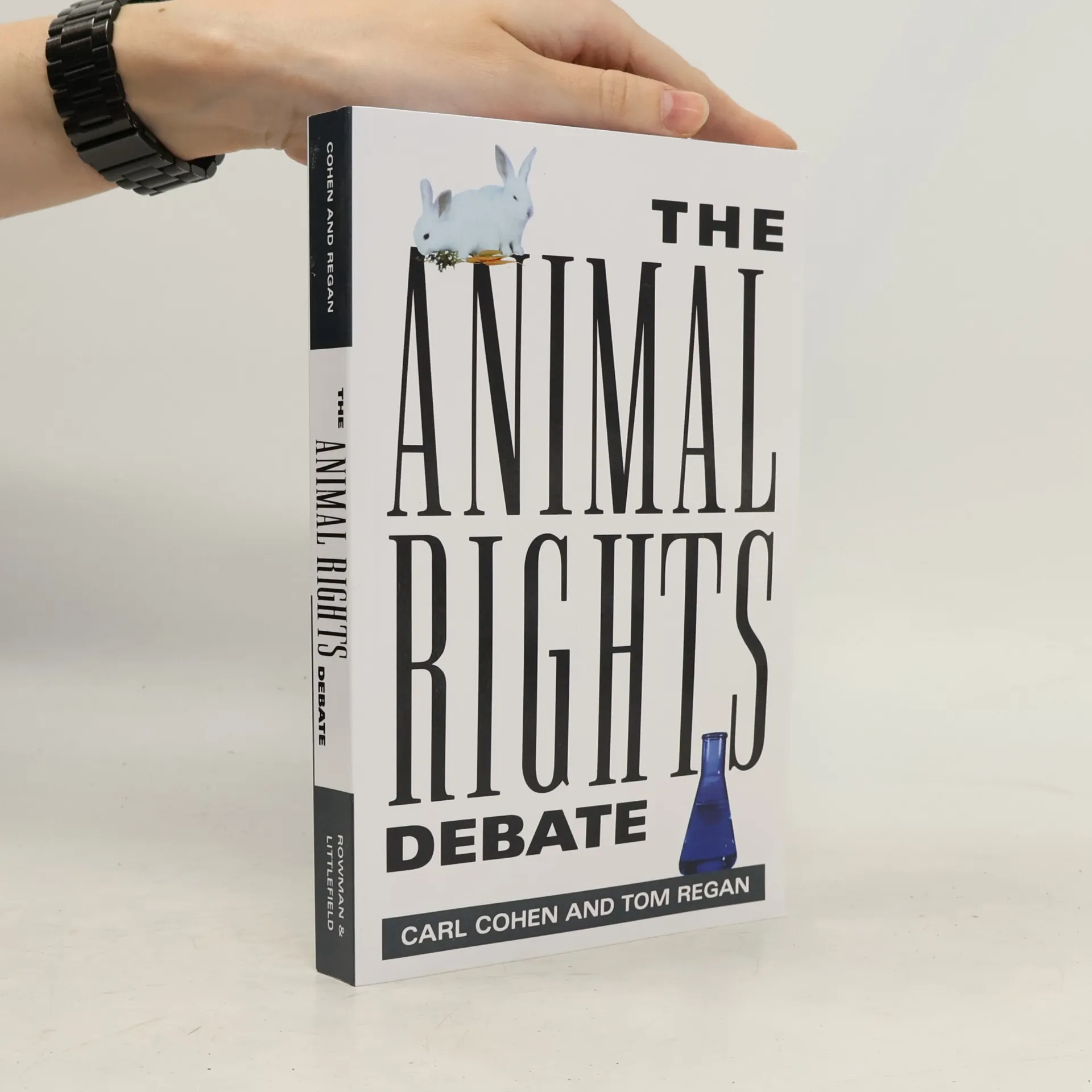

The Animal Rights Debate
Authors
More about the book
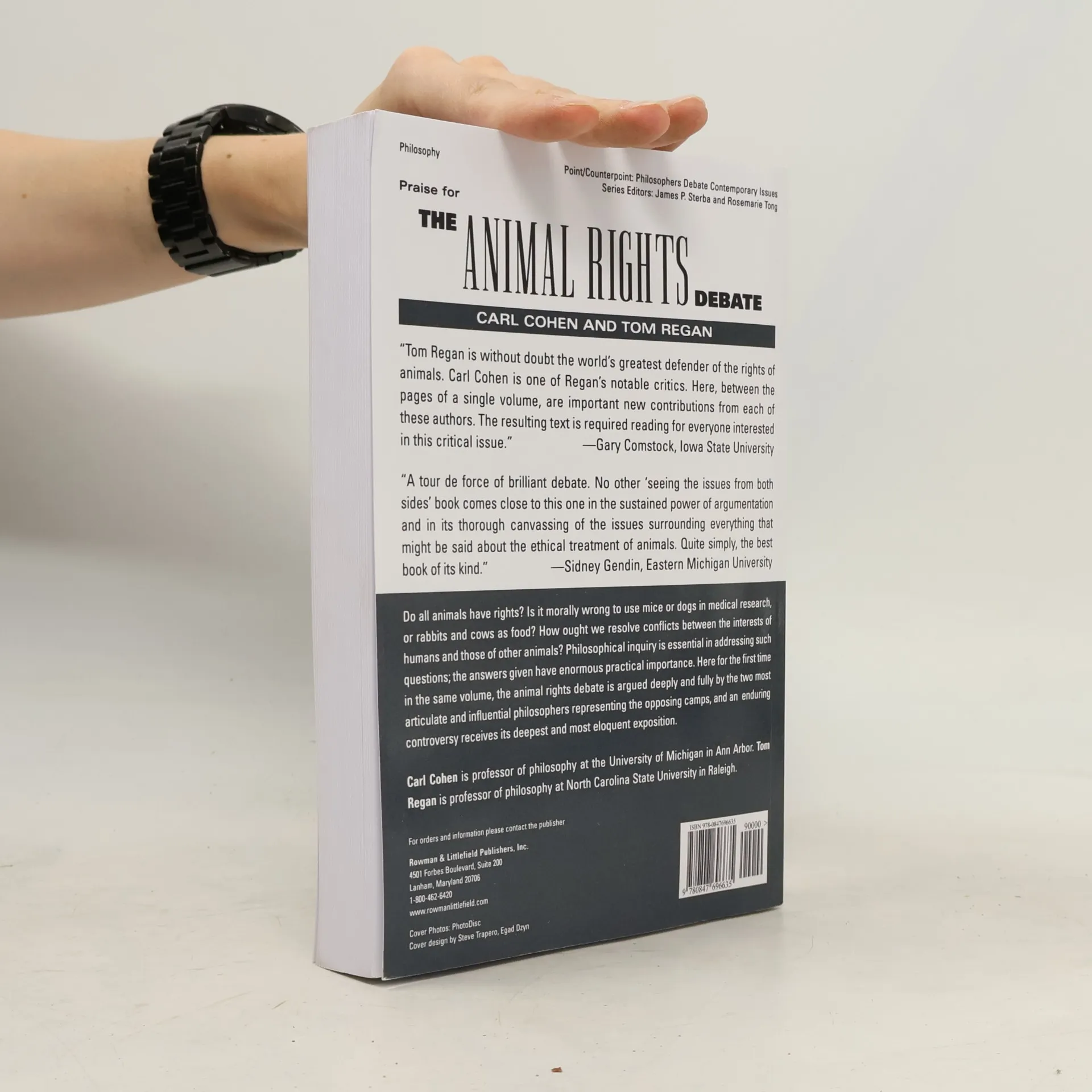
Do all animals have rights? Is it morally wrong to use mice or dogs in medical research, or rabbits and cows as food? How ought we resolve conflicts between the interests of humans and those of other animals? Philosophical inquiry is essential in addressing such questions; the answers given must have enormous practical importance. Here for the first time in the same volume, the animal rights debate is argued deeply and fully by the two most articulate and influential philosophers representing the opposing camps. Each makes his case in turn to the opposing case. The arguments meet head on: Are we humans morally justified in using animals as we do? A vexed and enduring controversy here receives its deepest and most eloquent exposition.
Book purchase
The Animal Rights Debate, Tom Regan, Carl Cohen
- Language

- Released
- 2001
- Binding
- (Paperback)
Payment methods
No one has rated yet.
- Title
- The Animal Rights Debate
- Language
- English
- Authors
- Tom Regan, Carl Cohen
- Publisher
- Rowman & Littlefield
- Released
- 2001
- Format
- Paperback
- Pages
- 323
- ISBN10
- 0847696634
- ISBN13
- 9780847696635
- Series
- Categories
- Description
- Do all animals have rights? Is it morally wrong to use mice or dogs in medical research, or rabbits and cows as food? How ought we resolve conflicts between the interests of humans and those of other animals? Philosophical inquiry is essential in addressing such questions; the answers given must have enormous practical importance. Here for the first time in the same volume, the animal rights debate is argued deeply and fully by the two most articulate and influential philosophers representing the opposing camps. Each makes his case in turn to the opposing case. The arguments meet head on: Are we humans morally justified in using animals as we do? A vexed and enduring controversy here receives its deepest and most eloquent exposition.