

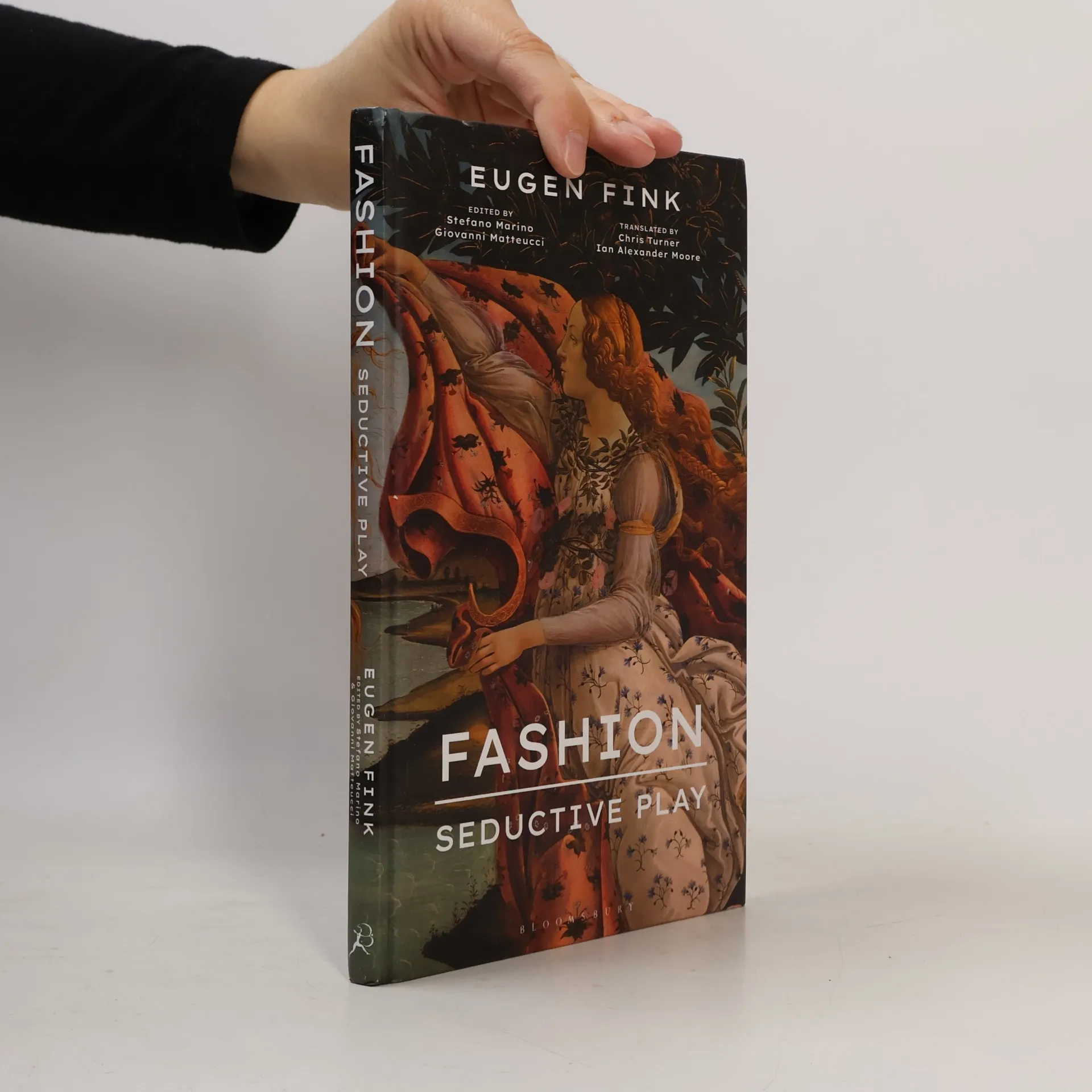
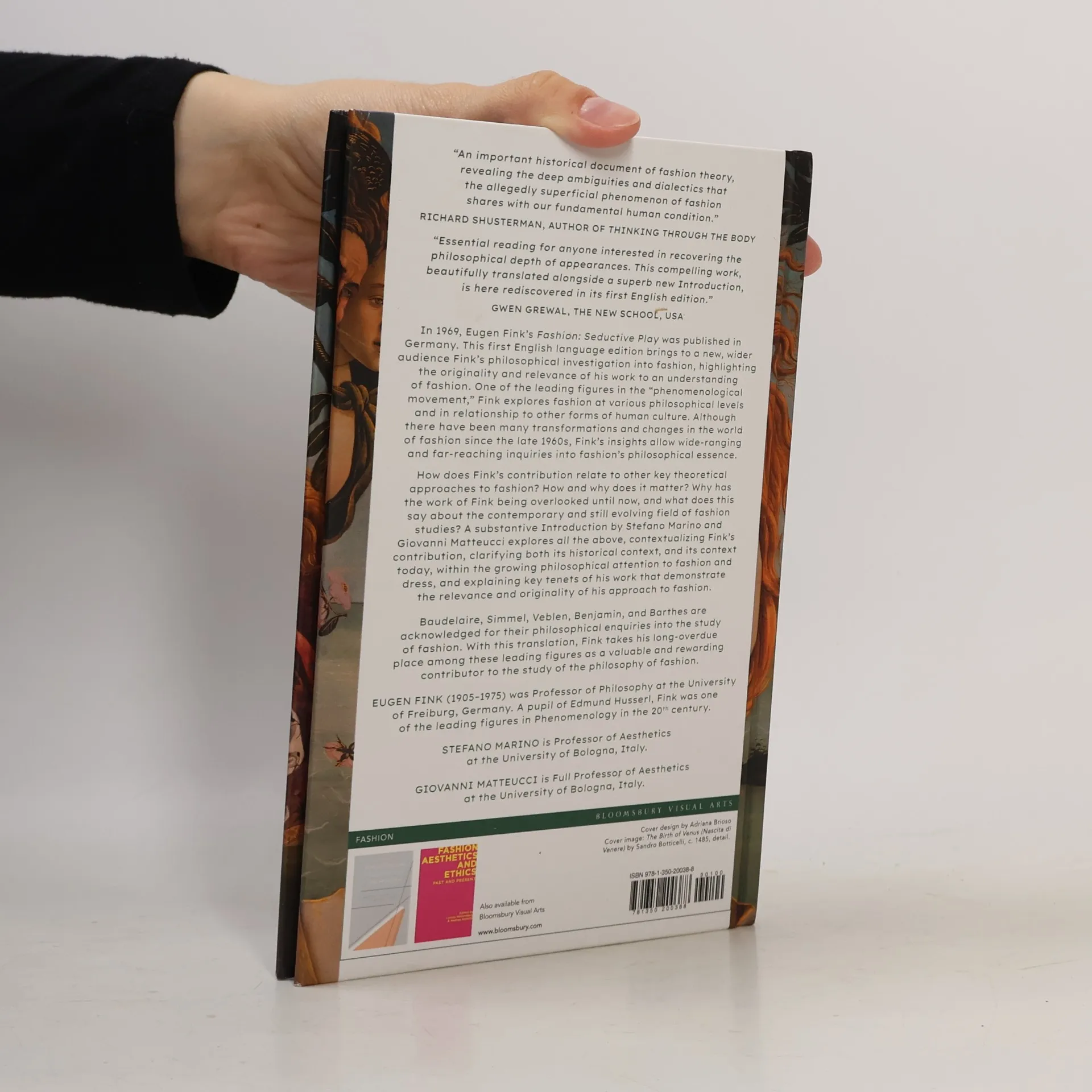

More about the book
In Germany, 1969, Eugen Fink's Fashion: Seductive Play was published. This first English language edition, updated with an introduction by Stefano Marino and Giovanni Matteucci, makes available Fink's philosophical investigation into fashion to an English-speaking audience. One of the greatest figures in the “phenomenological movement,” Fink here investigates fashion at various philosophical levels - aesthetic, ethical, social - and in relationship to other forms of human culture, especially contemporary culture. Although there have been many transformations and changes in the world of fashion since the late 1960s, from prêt-à-porter to fast fashion, fashion's connection to both high culture and popular culture, and the new relationship between fashion and the advent of social media, Fink's insights allow wide-ranging and far-reaching inquiries into fashion's philosophical essence. Fink's extraordinary lucidity and his unique conceptual capacities have made his work crucial to the study of the philosophy of fashion today. His work, like that of Simmel's, Veblen's or Benjamin's, is as essential and important now as when it was first published.
Book purchase
Fashion, Eugen Fink, Stefano Di Marino, Giovanni Matteucci, Christopher Turner, Ian Alexander Moore
- Language

- Released
- 2023
- Binding
- (Hardcover),
- Book condition
- Good
- Price
- €89.59
Payment methods
No one has rated yet.
- Title
- Fashion
- Subtitle
- Seductive Play
- Language
- English
- Publisher
- Bloomsbury Visual Arts
- Released
- 2023
- Format
- Hardcover
- Pages
- 138
- ISBN10
- 1350200387
- ISBN13
- 9781350200388
- Series
- Categories
- Tags
- Philosophical Topics, Art, Germany, 20th century, Society, History of Art, Fashion Themes, Ethics, Identity, Aesthetics, Theory of Art, Phenomenology
- Description
- In Germany, 1969, Eugen Fink's Fashion: Seductive Play was published. This first English language edition, updated with an introduction by Stefano Marino and Giovanni Matteucci, makes available Fink's philosophical investigation into fashion to an English-speaking audience. One of the greatest figures in the “phenomenological movement,” Fink here investigates fashion at various philosophical levels - aesthetic, ethical, social - and in relationship to other forms of human culture, especially contemporary culture. Although there have been many transformations and changes in the world of fashion since the late 1960s, from prêt-à-porter to fast fashion, fashion's connection to both high culture and popular culture, and the new relationship between fashion and the advent of social media, Fink's insights allow wide-ranging and far-reaching inquiries into fashion's philosophical essence. Fink's extraordinary lucidity and his unique conceptual capacities have made his work crucial to the study of the philosophy of fashion today. His work, like that of Simmel's, Veblen's or Benjamin's, is as essential and important now as when it was first published.