

More about the book
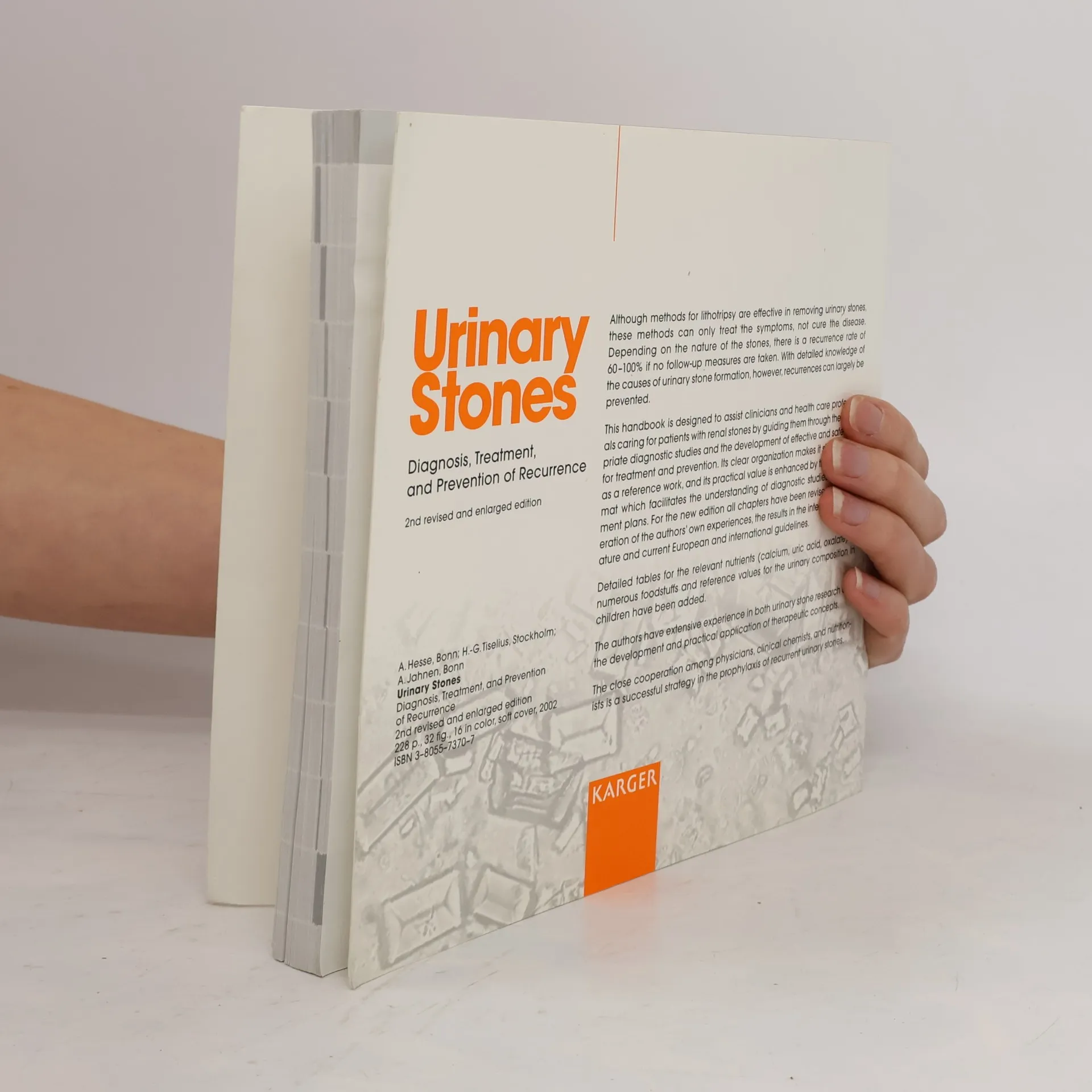
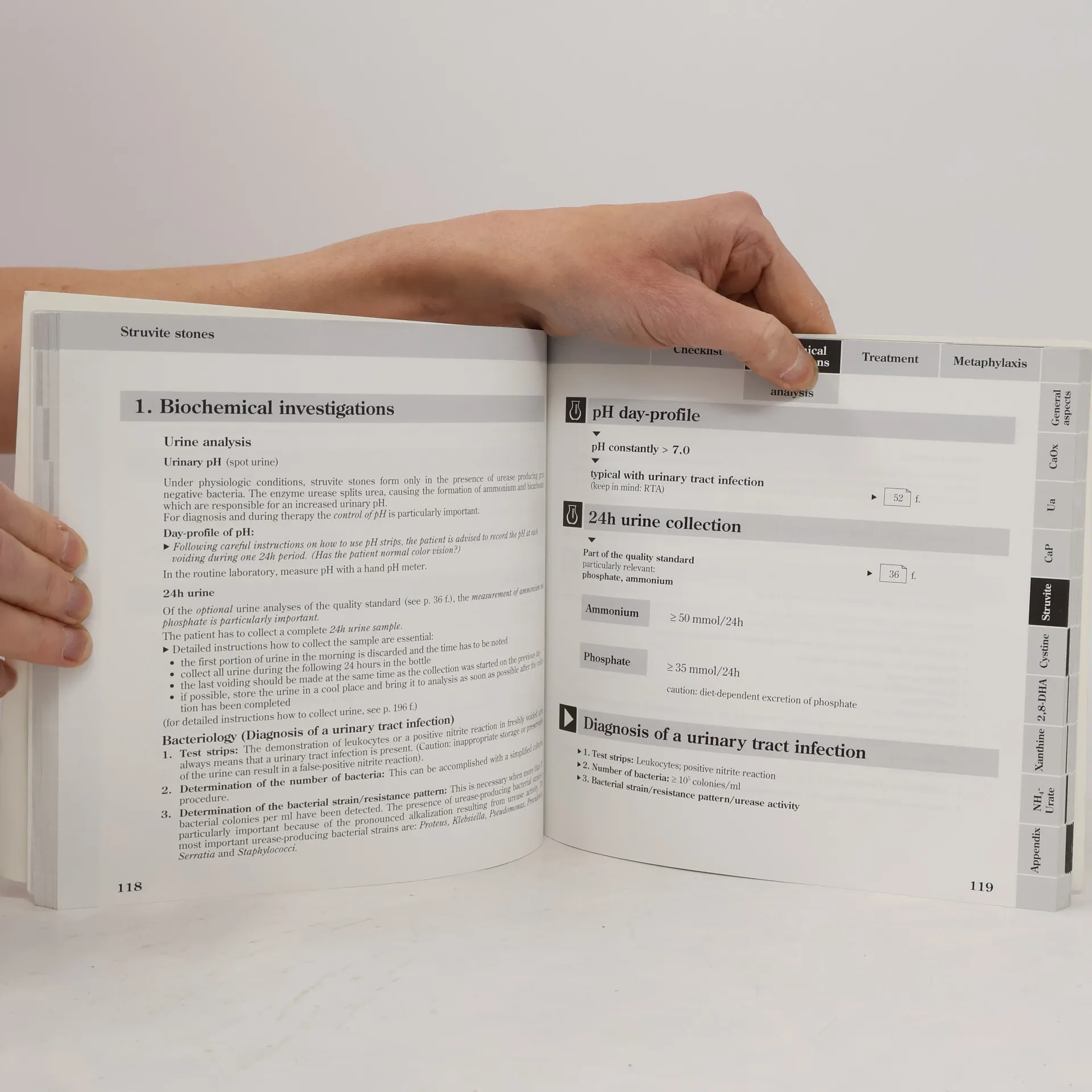
While lithotripsy effectively removes urinary stones, it only addresses symptoms and not the underlying disease, leading to a recurrence rate of 60-100% without follow-up measures. Understanding the causes of urinary stone formation is crucial for preventing recurrences. This handbook aids clinicians and healthcare professionals in managing patients with renal stones by guiding them through diagnostic studies and developing effective treatment and prevention plans. Its clear organization and outline format enhance its usability as a reference work, making it easier to understand diagnostic studies and treatment strategies. The new edition features revised chapters based on the authors' experiences, findings from international literature, and current European and international guidelines. It includes detailed tables of relevant nutrients (calcium, uric acid, oxalate) in various foods and reference values for urinary composition in children. The authors bring extensive experience in urinary stone research and the practical application of therapeutic concepts. Their collaboration with physicians, clinical chemists, and nutritionists exemplifies a successful strategy for preventing recurrent urinary stones.
Book purchase
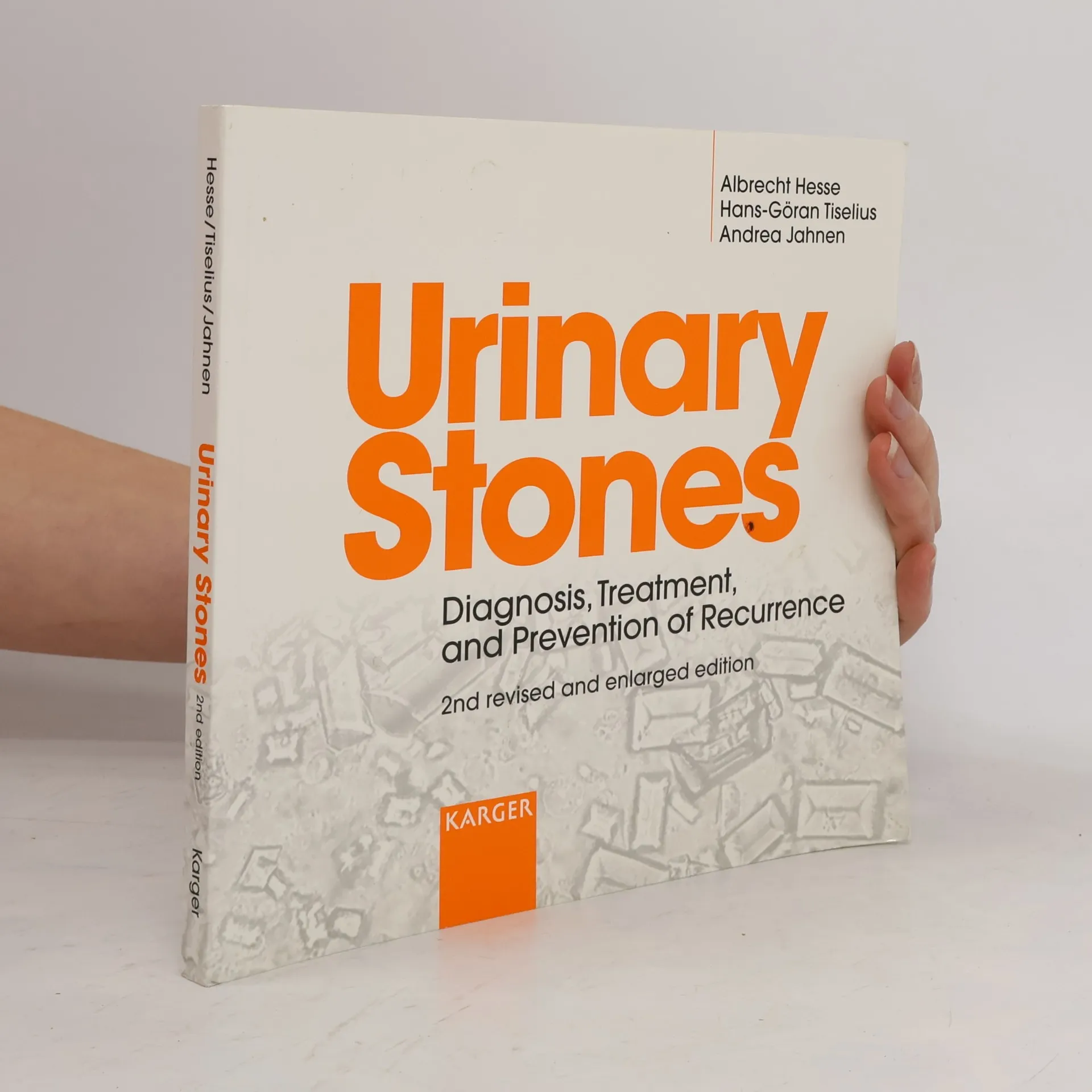
Urinary Stones - 2nd Revised and Enlarged Edition, Albrecht Hesse, Hans-Göran Tiselius, Andrea Jahnen
- Language

- Released
- 2002
- Binding
- (Paperback)
Payment methods
No one has rated yet.
- Title
- Urinary Stones - 2nd Revised and Enlarged Edition
- Language
- English
- Publisher
- Karger
- Released
- 2002
- Format
- Paperback
- Pages
- 228
- ISBN10
- 3805573707
- ISBN13
- 9783805573702
- Series
- Description
- While lithotripsy effectively removes urinary stones, it only addresses symptoms and not the underlying disease, leading to a recurrence rate of 60-100% without follow-up measures. Understanding the causes of urinary stone formation is crucial for preventing recurrences. This handbook aids clinicians and healthcare professionals in managing patients with renal stones by guiding them through diagnostic studies and developing effective treatment and prevention plans. Its clear organization and outline format enhance its usability as a reference work, making it easier to understand diagnostic studies and treatment strategies. The new edition features revised chapters based on the authors' experiences, findings from international literature, and current European and international guidelines. It includes detailed tables of relevant nutrients (calcium, uric acid, oxalate) in various foods and reference values for urinary composition in children. The authors bring extensive experience in urinary stone research and the practical application of therapeutic concepts. Their collaboration with physicians, clinical chemists, and nutritionists exemplifies a successful strategy for preventing recurrent urinary stones.