

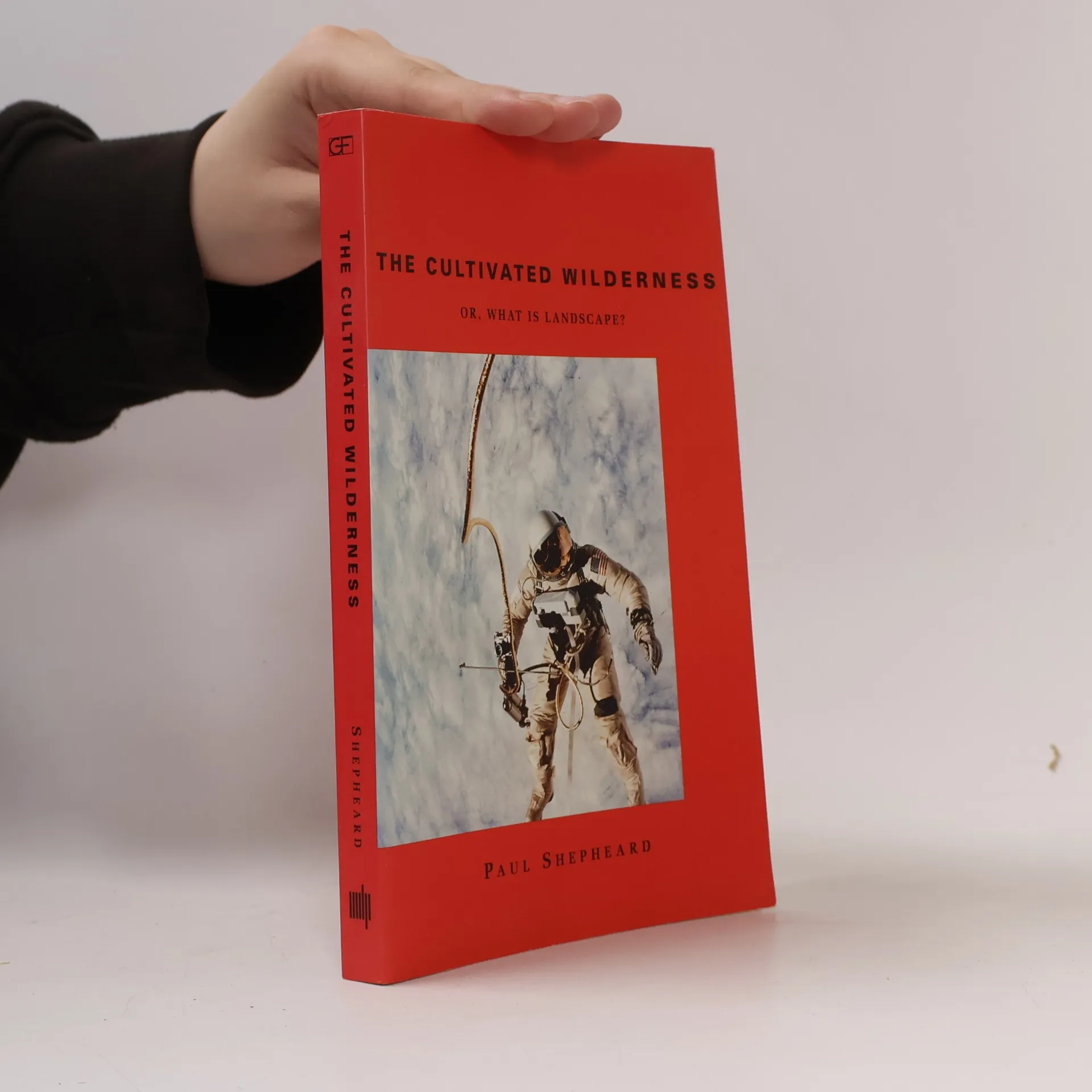


Graham Foundation / MIT Press Series in Contemporary Architectural Discourse: The Cultivated Wilderness
Or, What Is Landscape?
Authors
Book rating
Parameters
- 249 pages
- 9 hours of reading
More about the book
Paul Shepheard's previous work focused on creating tangible elements like landscapes, buildings, and machines. In this book, he explores the landscapes themselves and the strategies that shape them. The author emphasizes the importance of seeing larger patterns, asserting that every architectural decision is influenced by its landscape context. For instance, Norman England was designed as a network of strong points for occupation, while the grid cities of the New World exemplify a strategy rooted in reason. Currently, our approach revolves around the economic exploitation of the Earth, obscuring alternative possibilities for interacting with the landscape. Through a series of first-person narratives, Shepheard examines six landscapes, ranging from the seven wonders of the ancient world to the devastation of World War I's Western Front. His engaging style invites readers on a journey through these varied terrains, encountering diverse people and places along the way. As we reflect on a century that sought an ideal landscape but never achieved it, Shepheard presents this work as a contribution to rethinking our profit-driven relationship with the land. Important Notice: The digital edition lacks some images found in the physical edition.

Book purchase
Graham Foundation / MIT Press Series in Contemporary Architectural Discourse: The Cultivated Wilderness, Paul Shepheard
- Language

- Released
- 1997
- Binding
- (Paperback)
Payment methods
We’re missing your review here.
- Title
- Graham Foundation / MIT Press Series in Contemporary Architectural Discourse: The Cultivated Wilderness
- Subtitle
- Or, What Is Landscape?
- Language
- English
- Authors
- Paul Shepheard
- Publisher
- MIT Press
- Released
- 1997
- Format
- Paperback
- Pages
- 249
- ISBN10
- 0262691949
- ISBN13
- 9780262691949
- Series
- Rating
- 3.65 out of 5
- Description
- Paul Shepheard's previous work focused on creating tangible elements like landscapes, buildings, and machines. In this book, he explores the landscapes themselves and the strategies that shape them. The author emphasizes the importance of seeing larger patterns, asserting that every architectural decision is influenced by its landscape context. For instance, Norman England was designed as a network of strong points for occupation, while the grid cities of the New World exemplify a strategy rooted in reason. Currently, our approach revolves around the economic exploitation of the Earth, obscuring alternative possibilities for interacting with the landscape. Through a series of first-person narratives, Shepheard examines six landscapes, ranging from the seven wonders of the ancient world to the devastation of World War I's Western Front. His engaging style invites readers on a journey through these varied terrains, encountering diverse people and places along the way. As we reflect on a century that sought an ideal landscape but never achieved it, Shepheard presents this work as a contribution to rethinking our profit-driven relationship with the land. Important Notice: The digital edition lacks some images found in the physical edition.