


More about the book
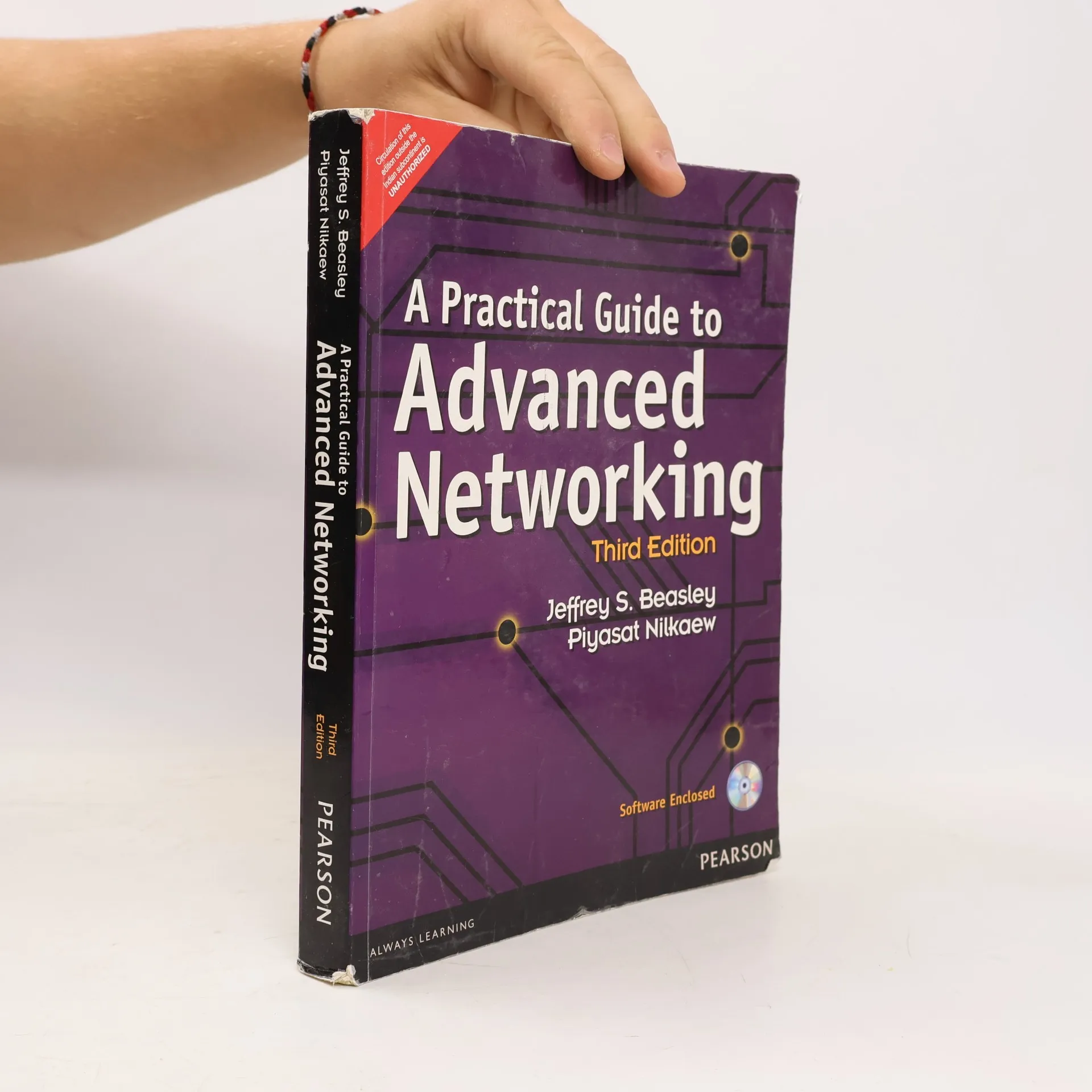
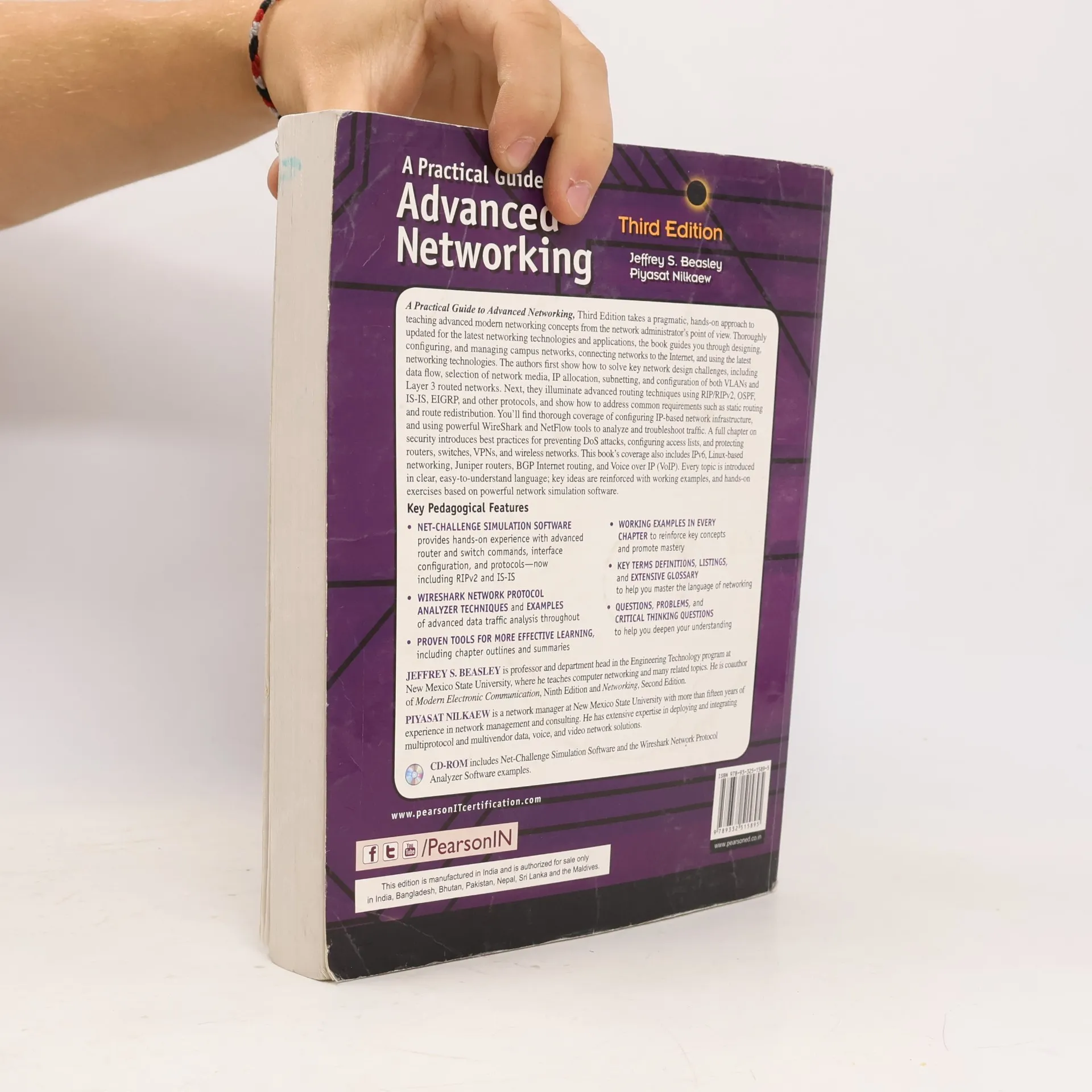
This practical guide adopts a hands-on approach to advanced networking concepts from the perspective of a network administrator. Updated for the latest technologies, it covers designing, configuring, and managing campus networks, as well as connecting to the Internet. The authors address key design challenges, including data flow, media selection, IP allocation, subnetting, VLANs, and Layer 3 routing. Advanced routing techniques are explored, utilizing protocols such as RIP/RIPv2, OSPF, IS-IS, and EIGRP, while also tackling static routing and route redistribution. The book provides comprehensive coverage of IP-based network infrastructure and employs tools like WireShark and NetFlow for traffic analysis and troubleshooting. A dedicated chapter on security outlines best practices for preventing DoS attacks and protecting routers, switches, VPNs, and wireless networks. Additional topics include IPv6, Linux networking, Juniper routers, BGP Internet routing, and Voice over IP (VoIP). Key pedagogical features include NET-CHALLENGE SIMULATION SOFTWARE for practical experience, advanced data analysis techniques with WireShark, chapter outlines and summaries, working examples, key terms, and critical thinking questions. A CD-ROM accompanies the text, featuring Net-Challenge Simulation Software and WireShark examples to enhance learning.
Book purchase
A Practical Guide to Advanced Networking, Jeffrey S. Beasley, Piyasat Nilkaew
- Language

- Released
- 2013
- Binding
- (Paperback),
- Book condition
- Damaged
- Price
- €6.09
Payment methods
No one has rated yet.
- Title
- A Practical Guide to Advanced Networking
- Subtitle
- Third Edition [with CD]
- Language
- English
- Authors
- Jeffrey S. Beasley, Piyasat Nilkaew
- Publisher
- PEARSON INDIA
- Released
- 2013
- Format
- Paperback
- ISBN10
- 9332515891
- ISBN13
- 9789332515895
- Series
- Tags
- Description
- This practical guide adopts a hands-on approach to advanced networking concepts from the perspective of a network administrator. Updated for the latest technologies, it covers designing, configuring, and managing campus networks, as well as connecting to the Internet. The authors address key design challenges, including data flow, media selection, IP allocation, subnetting, VLANs, and Layer 3 routing. Advanced routing techniques are explored, utilizing protocols such as RIP/RIPv2, OSPF, IS-IS, and EIGRP, while also tackling static routing and route redistribution. The book provides comprehensive coverage of IP-based network infrastructure and employs tools like WireShark and NetFlow for traffic analysis and troubleshooting. A dedicated chapter on security outlines best practices for preventing DoS attacks and protecting routers, switches, VPNs, and wireless networks. Additional topics include IPv6, Linux networking, Juniper routers, BGP Internet routing, and Voice over IP (VoIP). Key pedagogical features include NET-CHALLENGE SIMULATION SOFTWARE for practical experience, advanced data analysis techniques with WireShark, chapter outlines and summaries, working examples, key terms, and critical thinking questions. A CD-ROM accompanies the text, featuring Net-Challenge Simulation Software and WireShark examples to enhance learning.