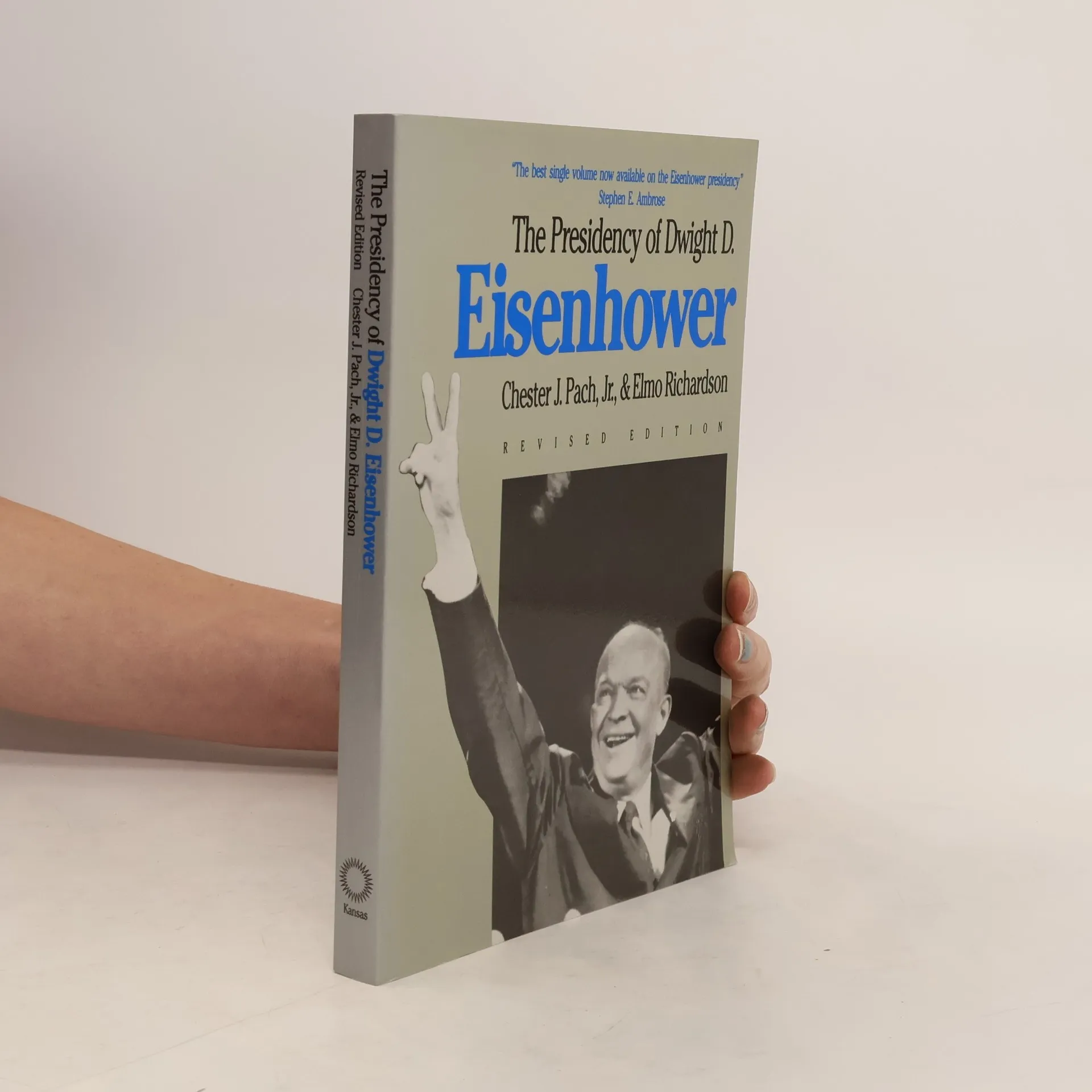
The focus of this revision is not how Eisenhower made policy, but how his decisions shaped American life in the 1950s and beyond. In this first post-revisionist study of the Eisenhower presidency, historian Chester Pach reaches beyond the issues the revisionists raised: Was Eisenhower in command of his own administration? Did he play a significant role in shaping foreign and domestic policy?Drawing on the wide range of works published within the past decade, Pach expands Elmo Richardson's 1979 study by nearly one third. In addition to new material on national security policy, Pach deepens the analysis of Eisenhower's leadership and managerial style and explores the significance of the decisions Eisenhower made on a whole range of critical issues, from civil rights to atomic testing.By emphasizing the fundamental failings of Eisenhower's presidency, Pach swims against the stream of recent scholarship. He concludes, for example, that Eisenhower's commitment to support South Vietnam in 1954, with its attendant responsibilities and consequences, was far more important--and ultimately disastrous--than his refusal to intervene with military force in support of the French in 1954. Eisenhower's unleashing of the CIA (in Iran, Guatemala, and elsewhere) also draws sharp criticism, as does his timid and ineffective handling of McCarthy.
American Presidency Series Series
This series delves into the tumultuous history and dynamic politics of the White House. It explores pivotal moments and critical decisions that shaped American governance. Readers interested in political intrigue and historical analysis will appreciate the depth and detail with which these eras and their leaders are portrayed. It offers an inside look at the exercise of power and influence.