

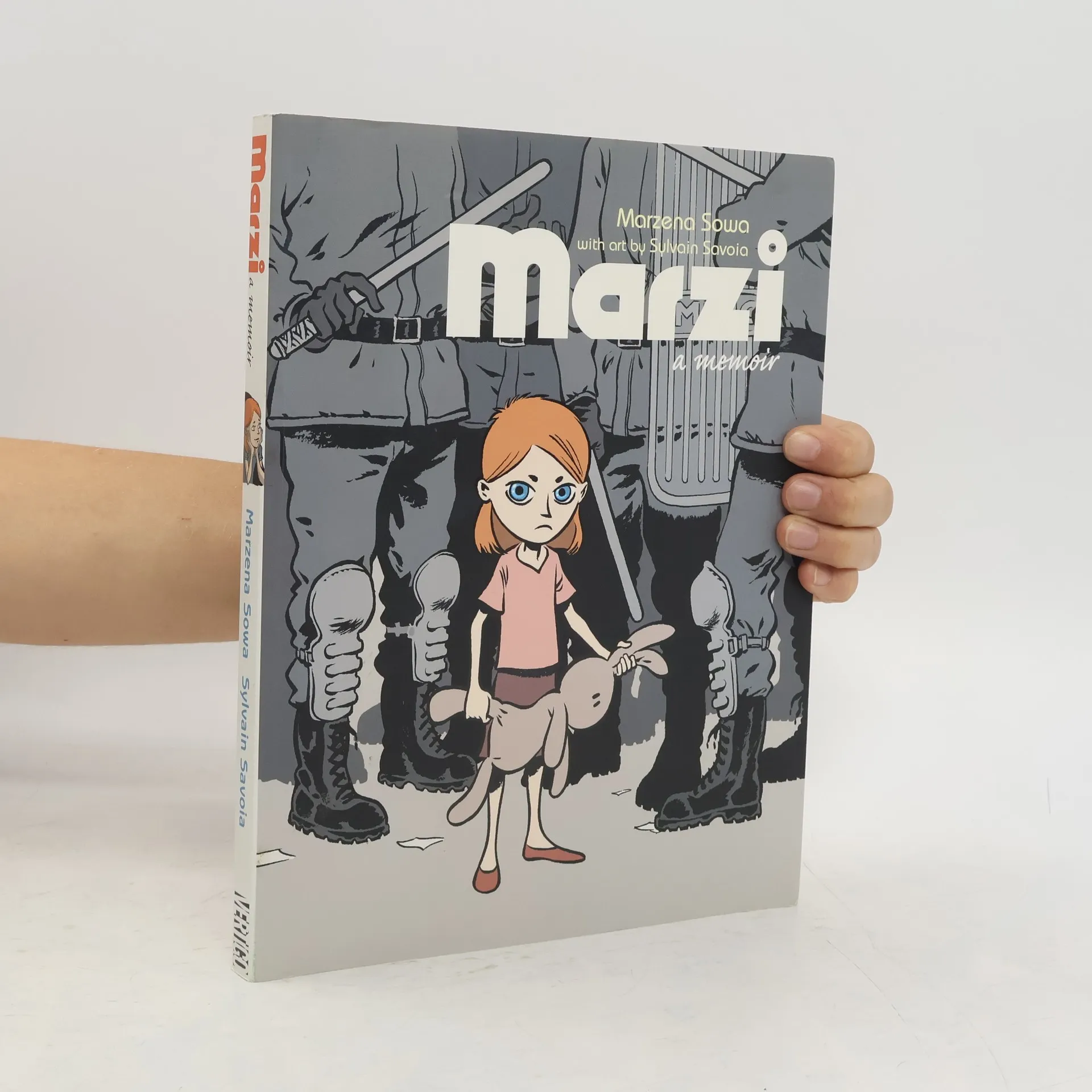
In graphic novel format, chronicles the author's life growing up in Poland during the last ten years of communism, witnessing the crumbling of the ideology, and eventually seeing her country rise to freedom.
Marzi Series
This series offers a touching and honest portrayal of growing up and family dynamics amidst significant historical upheaval. It follows the experiences of a young girl, her brother, and their parents during turbulent times in Iran. The works expertly blend personal narratives with broader socio-political events, providing a unique window into life during a revolutionary period. It's a powerful story about love, loss, and the search for identity.
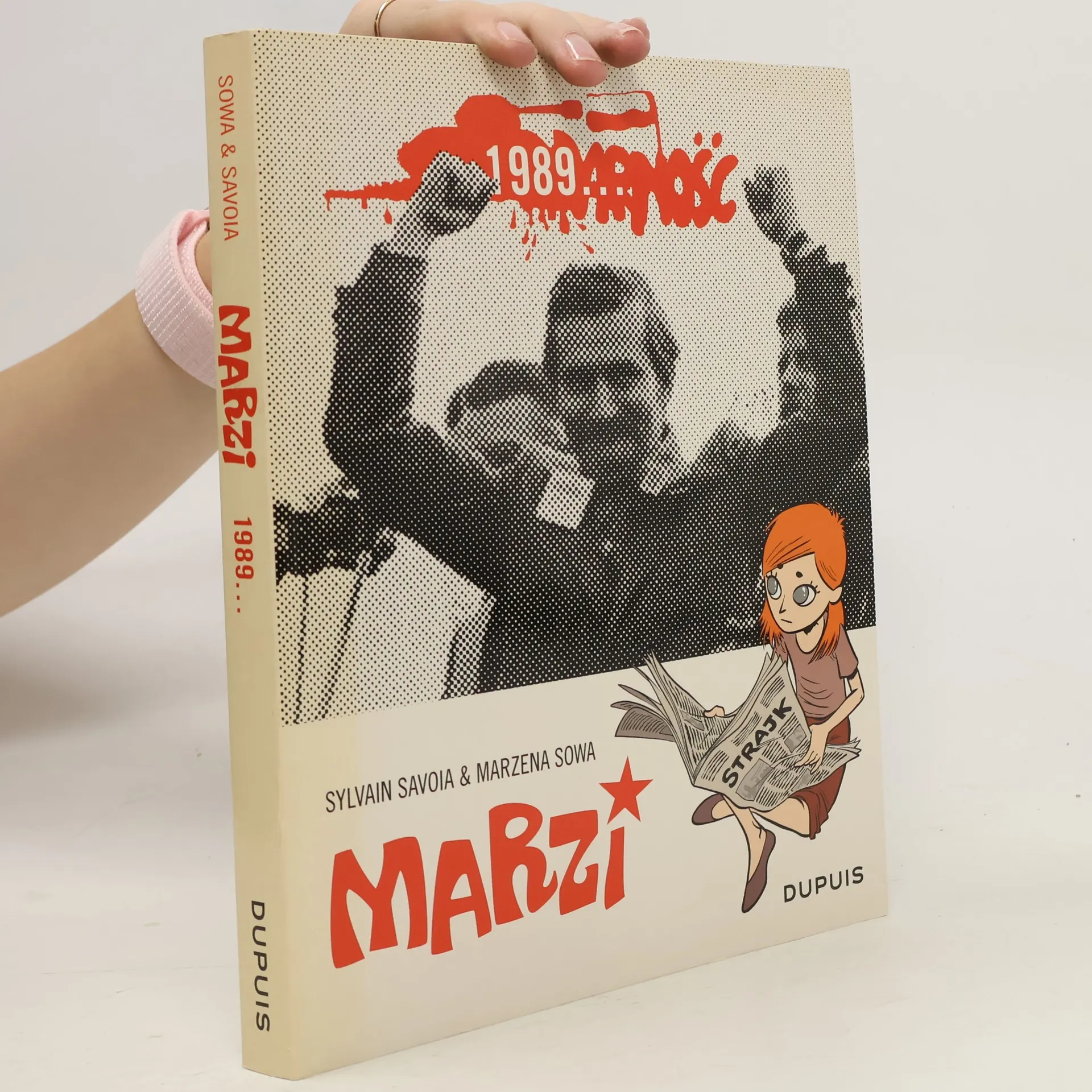
La Pologne, de 1988 à 1989, est le premier des pays du bloc soviétique à passer du communisme à la démocratie. Une révolution calme, qui inaugure le temps du changement à l'Est, et qui culmine avec la chute du Mur de Berlin. Le monde change, Marzi grandit... Marzena Sowa poursuit le récit de son enfance polonaise lors de ces années charnières, élégamment retranscrit par le graphisme tendre de Sylvain Savoia. Un journal de voyage en Pologne conclut l'ouvrage. Rencontres, photos et dessins d'aujourd'hui font écho aux souvenirs d'hier.