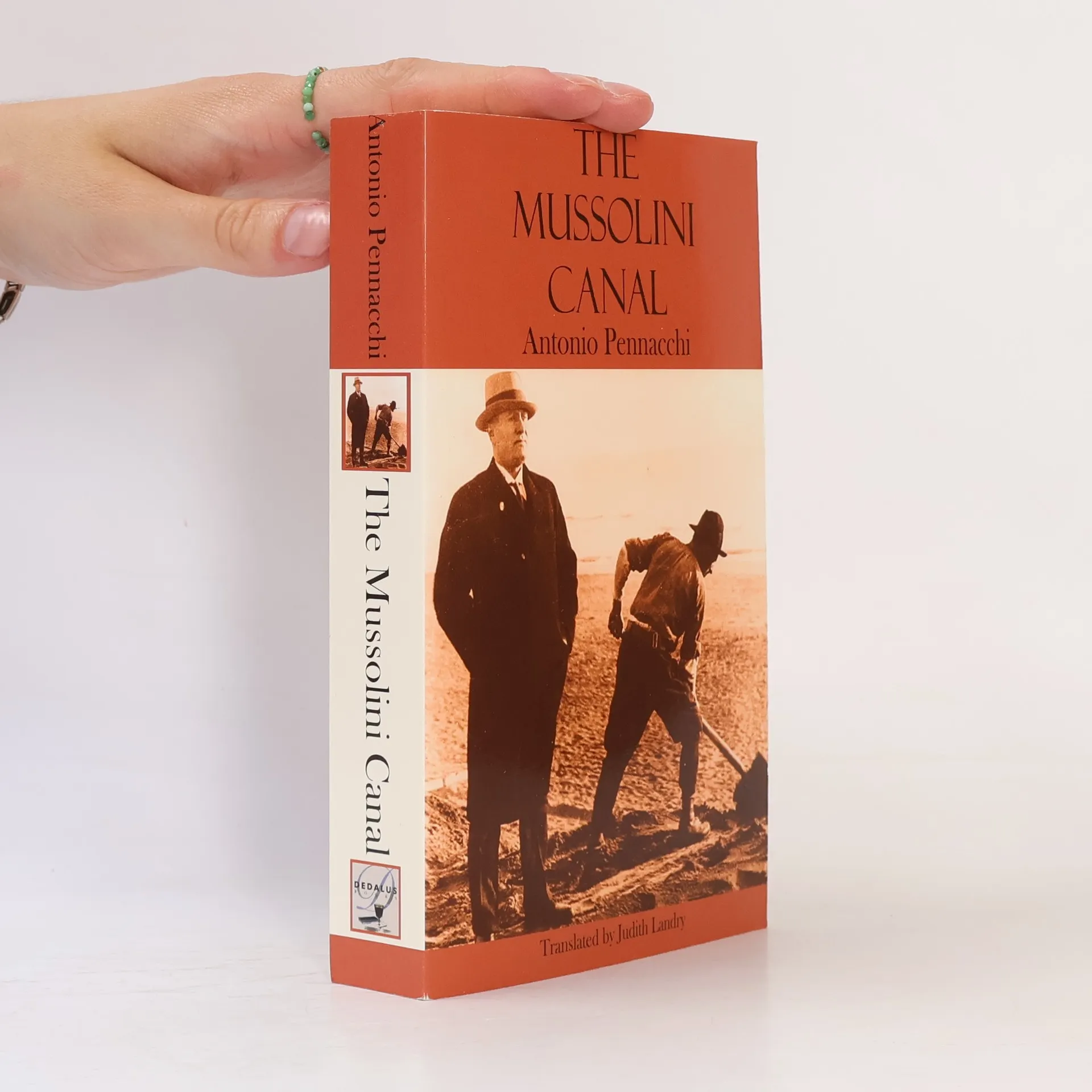
This series delves into the heart of Italy's Pontine Marshes, set against the backdrop of ambitious Fascist-era reclamation projects. It chronicles the saga of the Peruzzi family as they leave their northern homes to establish a new life on newly cultivated land. The narratives are woven with themes of family bonds, sacrifice, love, and inescapable fate, all unfolding within a dramatic historical period. This is a powerful, evocative, and poignant exploration of the desire for a fresh start amidst the relentless march of history.
The Mussolini Canal is one of the great achievements of contemporary Italian fiction. It spans 100 years of Italian history as seen through the lives of the Peruzzi family, who are among the 30,000 peasants from Northern Italy sent down to farm the newly-drained Pontine Marshes outside Rome in the 1930s. Mussolini is revered by the Peruzzi family, who must reconcile their admiration for Il Duce with the failings of Fascism which slowly envelop them. Contemporary events permeate the book and the hardship and misery of earlier periods are seen against the background of modern prosperity. It won the Strega prize in 2010 in Italy and has sold over 400,000 copies in Italy
Il 25 maggio 1944, nel breve intervallo tra la partenza dei tedeschi e l'arrivo degli angloamericani a Littoria, Diomede Peruzzi entra nella devastata Banca d'Italia e ne svaligia il tesoro, segnando l'inizio della sua carriera imprenditoriale e dello sviluppo di Latina. Nel frattempo, il Canale Mussolini, dopo essere stato un fronte di guerra, torna a essere il fulcro della bonifica pontina. Gli sfollati, in un nuovo esodo, lasciano i rifugi montani per ripopolare la città e le campagne, nonostante i segni dei bombardamenti. La ricostruzione inizia, mentre la guerra continua nel resto d'Italia, spostandosi verso nord. Gli alleati, con l'aiuto delle brigate partigiane e dell'esercito italiano, costringono i tedeschi e le milizie fasciste alla ritirata. La famiglia Peruzzi vive il conflitto su tutti i fronti: Paride al nord nella Rsi, Statilio combatte in Corsica e a Cassino, e Demostene è partigiano. Accanto a loro ci sono lo zio Adelchi, Benassi, zia Santapace, l'Armida e la nonna Peruzzi, che guida le nuove generazioni. Diomede, il vero demiurgo della nuova città, con il suo linguaggio vivace e la sua umanità, rappresenta la famiglia Peruzzi, un gruppo di pionieri e lavoratori. In questa seconda parte, l'autore mantiene viva la memoria del difficile processo di costruzione dell'Italia democratica e repubblicana, offrendo un romanzo corale che riflette su ciò che siamo, in virtù di ciò che siamo stati.