

With an undercurrent of sensual excitement, C line paints an almost unbearably vivid picture of society and the human condition.
The German Trilogy Series
This series delves into the dark corners of the human psyche during tumultuous periods of European history. It explores the complex interplay of collaboration and resistance, guilt and redemption, within a tense atmosphere rife with moral dilemmas. Authentic dialogue and sharp observations reveal the psychological depth of characters struggling to survive and find their way in a world on the brink of collapse.
Recommended Reading Order
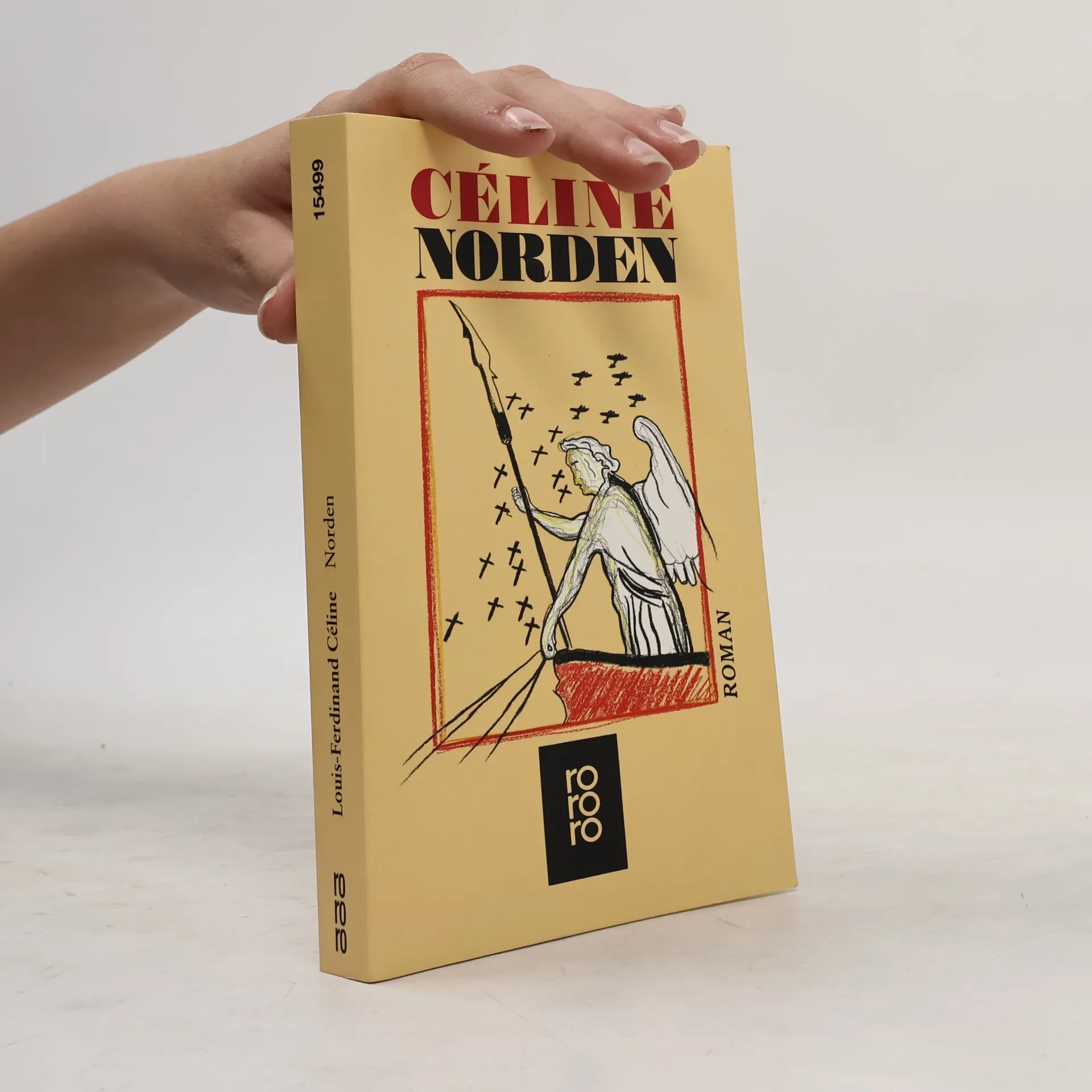
Norden
- 378 pages
- 14 hours of reading
Im Vordergrund dieses Romans steht die Not des Menschen auf der Flucht, des Menschen in der Falle, des Menschen, der, verzweifelt und voller Greuel über die Ungerechtigkeit der Welt, kein Vertrauen in die Zukunft hat, der nicht weiß, wovon er sich am nächsten Tag ernähren und ob er diesen Tag überhaupt erleben wird. Die Sprache dieser letzten Eruption des Vulkans Celine ist jener gehetzte und hetzende Argot, jenes "Französisch des 21. Jahrhunderts", dem dieser Autor seinen Platz in der Weltliteratur verdankt. «Eine Schilderung vom Zusammenbruch Nazideutschlands, wie sie in der deutschen Literatur nicht ihresgleichen hat.» (Die ZEIT)
Docteur, vite ! ... vous devez vous douter...toute cette gare ici n'est qu'un piege...tous ces gens des trains sont a liquider...ils sont de trop...vous aussi vous etes de trop...moi aussi. - Comment savez-vous ? - Docteur je vous expliquerai plus tard...maintenant il faut vous attendre...vite ! ...ça sera fait cette nuit... - Pourquoi ? - Parce qu'ils n'ont plus de places dans les camps...et plus de nourriture et que dehors ça se sait.
Related books
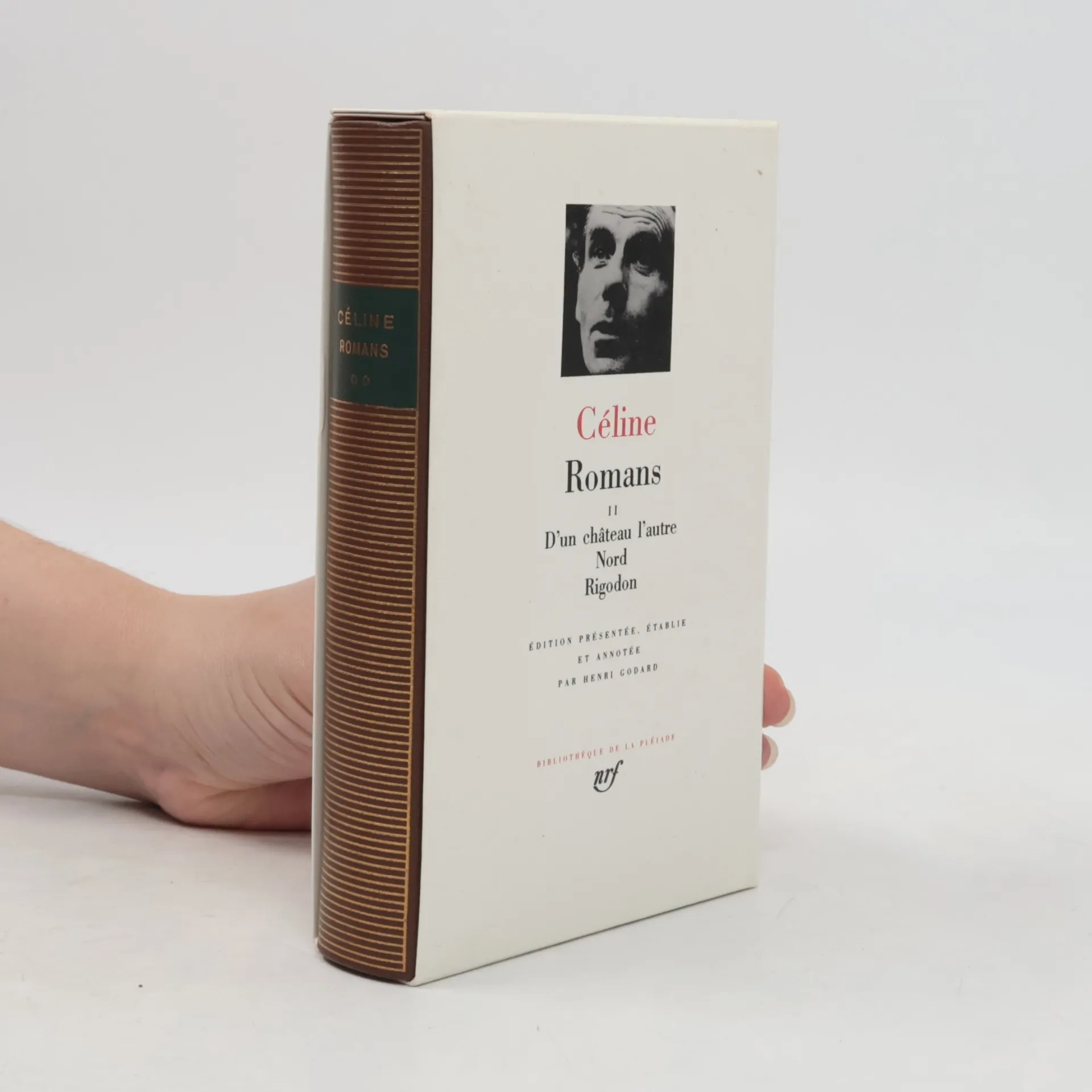
Ce volume contient :D'un château l'autreNordRigodon.Appendices : Louis-Ferdinand Céline vous parle - Entretien avec Albert Zbinden.Ces trois romans qui n'en font presque qu'un seul peuvent à plus d'un titre être tenus pour une œuvre importante. En choisissant d'évoquer à sa manière ce qu'il avait vu et ce qu'il avait vécu dans l'Allemagne de 1944-1945, nul doute que Céline n'ait été conscient d'être l'un des seuls que sa sensibilité, son imagination et son style mettaient à même de donner une existence littéraire à cette apocalypse.