The Stranger in the Seine
- 320 pages
- 12 hours of reading
THE NEW NOVEL FROM THE NO. 1 BESTSELLING AUTHOR, AN IMPOSSIBLE ENIGMA SET IN THE MISTY STREETS OF PARIS



THE NEW NOVEL FROM THE NO. 1 BESTSELLING AUTHOR, AN IMPOSSIBLE ENIGMA SET IN THE MISTY STREETS OF PARIS
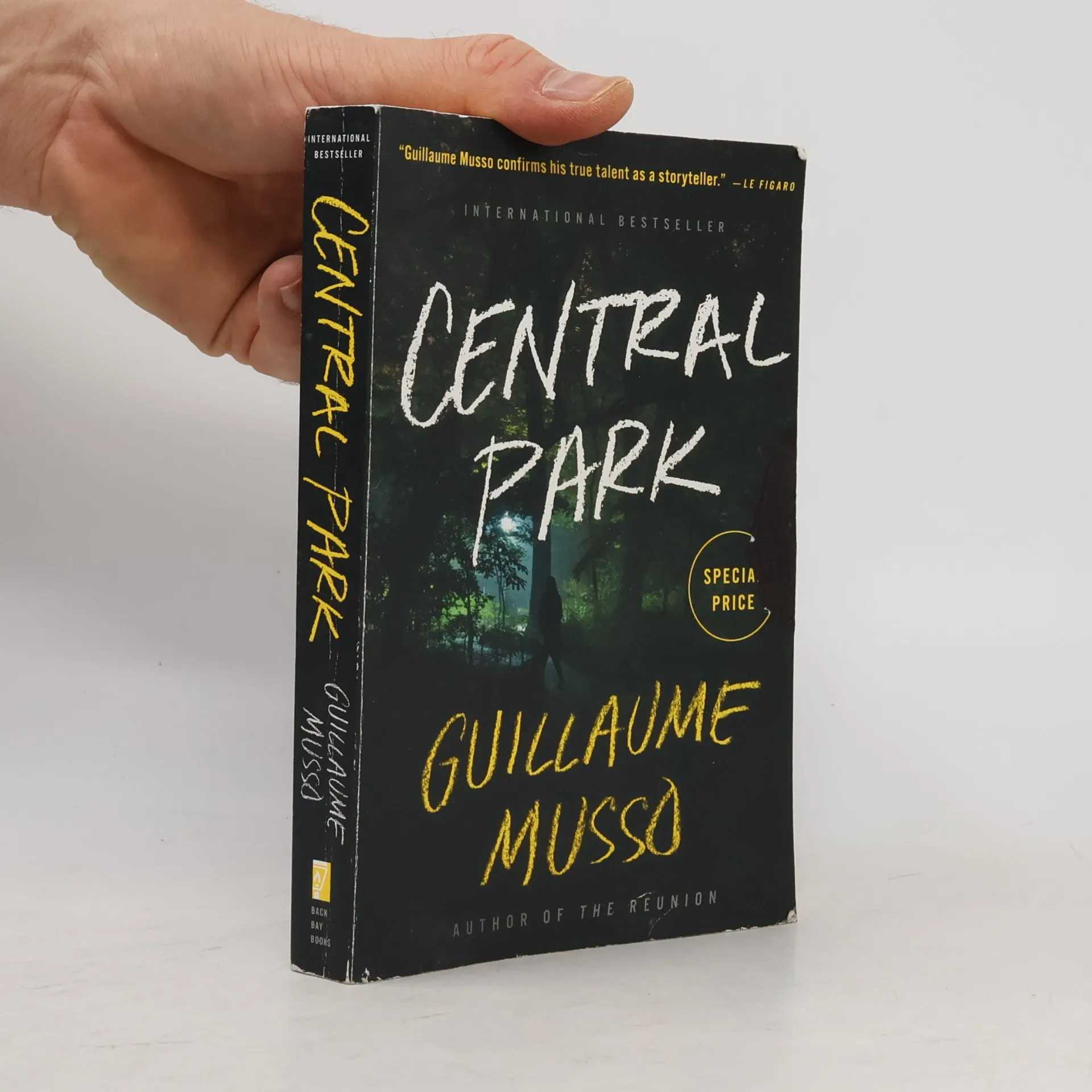
From the #1 international bestselling author: a woman wakes up on a Central Park bench with no memory of how she got there in this “unpredictable and moving psychological thriller that keeps you holding your breath” ( Métro ) Alice, a fierce and respected Parisian cop, wakes up on a Central Park bench with no memory of the night before, handcuffed to a complete stranger—a musician named Gabriel. Disoriented, dazed, and with someone else’s blood on her shirt, Alice works furiously to reconnect the dots. She remembers clubbing with her friends the night before on the Champs-Élysées. Gabriel claims he was playing a gig in Dublin. Was she drugged? Kidnapped? Why is the gun in her jacket pocket missing a bullet? And whose blood is on her clothes? Over the next twenty-four hours, Alice and Gabriel race across New York in search of answers, stumbling upon a startling set of clues that point to a terrible adversary from the past. Alice must finally confront her memories of hunting the serial killer who took everything from her—a man she thought was dead, until now. From France's #1 bestselling author, Central Park is a taut and suspenseful thriller that will keep readers riveted until its final shocking twist.
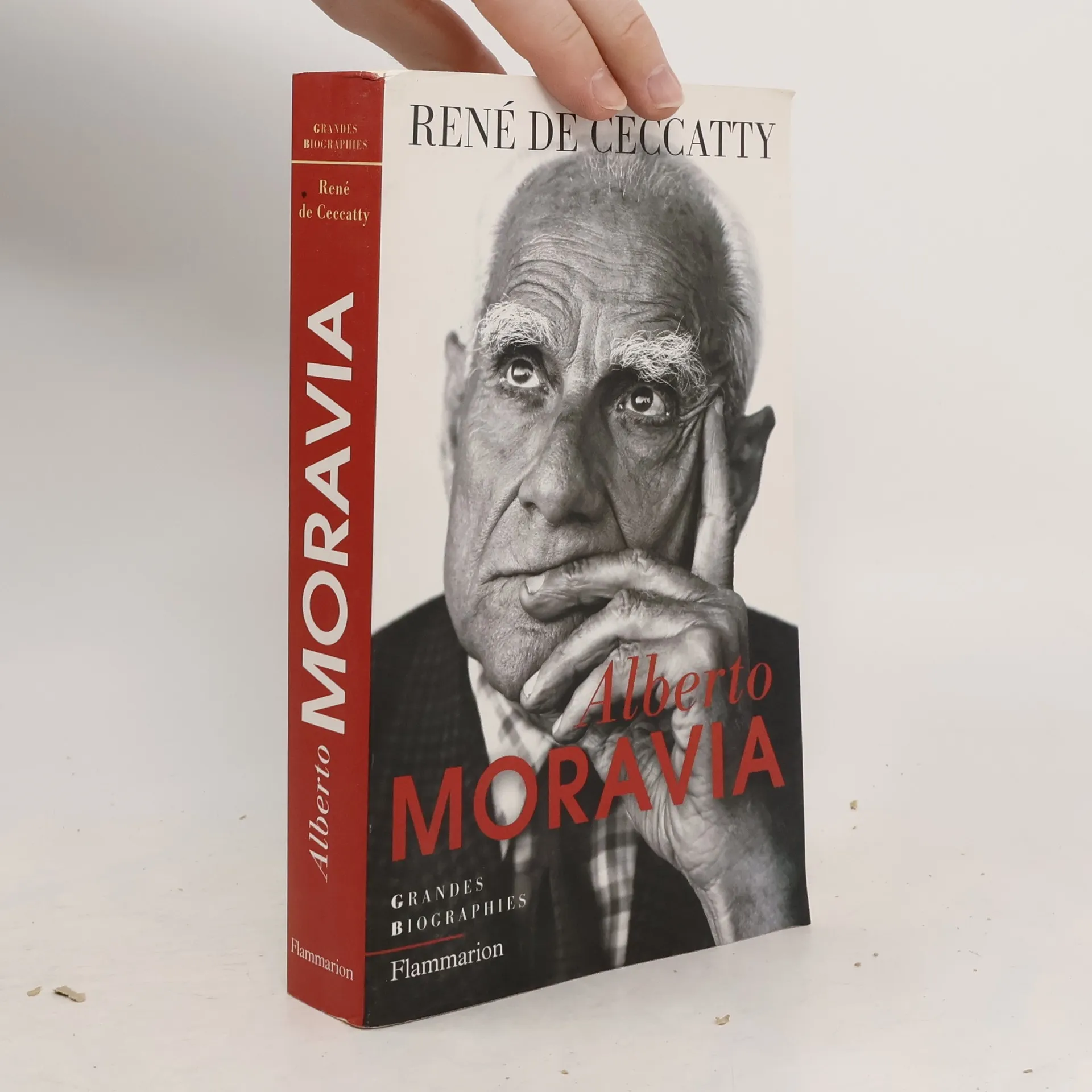
Entre 1929, année de parution de son premier roman, et 1990, année de sa mort, Alberto Moravia observe l'Italie et le monde, analysant leur évolution tout en contribuant au roman moderne. Écrivain précoce, il commence à rédiger un chef-d'œuvre à 17 ans, alors qu'il est immobilisé par la tuberculose osseuse. Sa notoriété est immédiate. Antifasciste, il fait face à la persécution des lois raciales avant et pendant la guerre, mais parvient à publier. Ses romans, tels qu'Agostino, Le Conformiste, et Le Mépris, connaissent un grand succès, avec des adaptations cinématographiques qui renforcent sa renommée. En tant que grand reporter, il cherche à comprendre les événements majeurs du XXe siècle à travers des voyages aux États-Unis, en Inde, en Chine, au Japon, en URSS et en Afrique. Il distingue l'art comme une fin en soi et l'engagement politique comme nécessitant une autre forme d'action. Sa vie et son œuvre révèlent une personnalité affranchie de ses origines bourgeoises. Sa vie affective est marquée par des relations avec trois femmes de caractère et des créateurs, dont Pier Paolo Pasolini. Ainsi, Moravia incarne un destin assumé et un reflet du XXe siècle, tant en Italie qu'à l'échelle mondiale. C'est ici sa première biographie intellectuelle.