

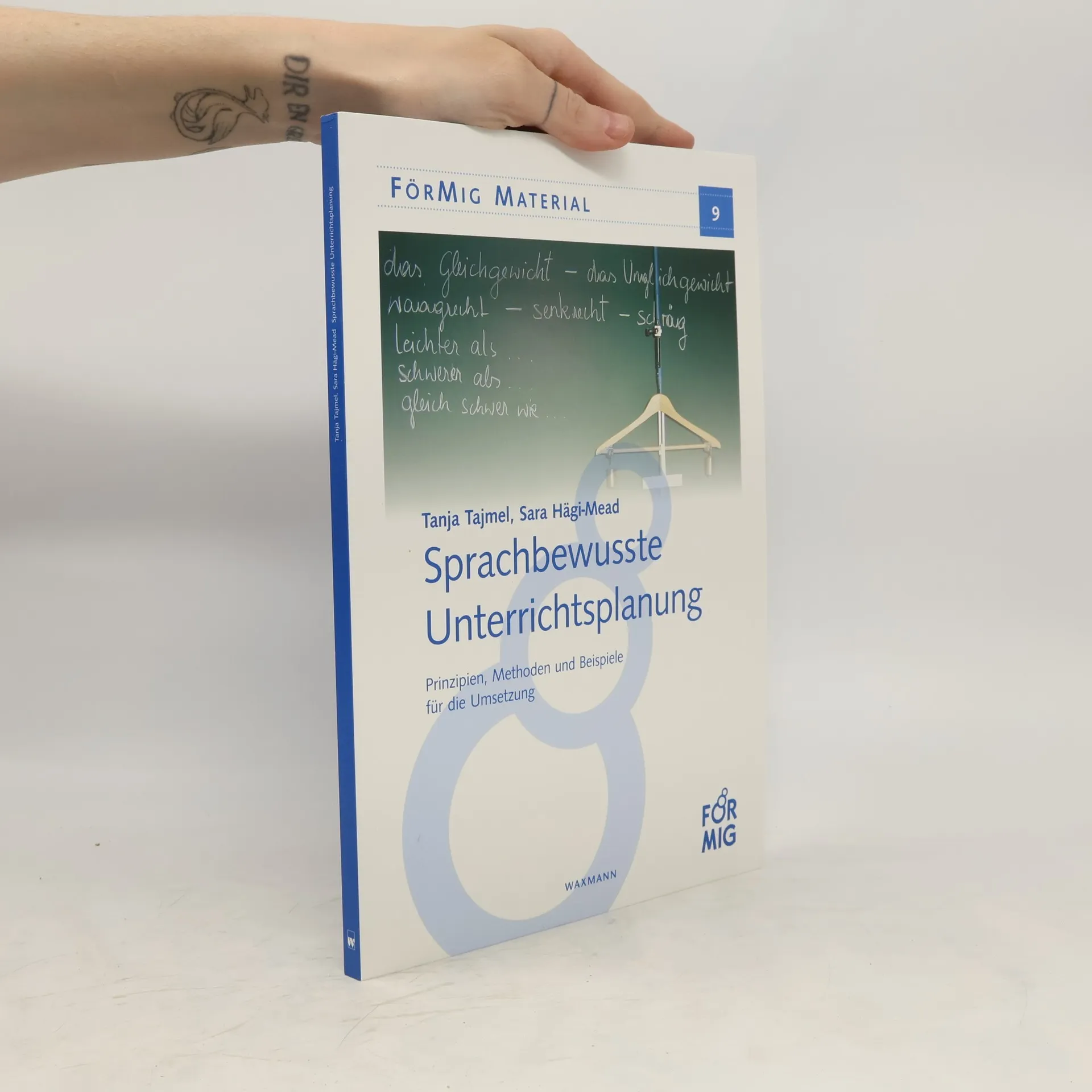
Sprachbewusste Unterrichtsplanung
Prinzipien, Methoden und Beispiele für die UmSetzung
- 152 pages
- 6 hours of reading
Allen Schülerinnen und Schülern den Zugang zu schulischer Bildung zu ermöglichen, bedeutet, sie gleichwertig in Unterrichtsprozesse einzubeziehen. Sprache und sprachliche Handlungsfähigkeit sind dabei zentral, da Fachunterricht eng an Sprache gebunden ist. Sie sind sowohl Mittel als auch Ziel des fachlichen Lernens. Jeder Fachunterricht beinhaltet somit auch Sprachunterricht. Dies ist besonders herausfordernd für Schülerinnen und Schüler, die Deutsch als neue Sprache lernen, sowie für Lehrkräfte ohne Erfahrung in sprachlicher Bildung im Fachunterricht. Diese Lehrkräfte müssen sich der sprachlichen Lernziele im Fachunterricht bewusst sein und diese systematisch verfolgen. Der erste Schritt dazu ist eine sprachbewusste Unterrichtsplanung, die hier praxisorientiert und nachvollziehbar angeleitet wird. Der Band richtet sich an Lehrkräfte der Primar- und Sekundarstufe, sowohl in Willkommens- als auch in Regelklassen, sowie an Lehramtsstudierende, Fach- und SprachdidaktikerInnen, MultiplikatorInnen und FortbildnerInnen. Er dient als Grundlage für die universitäre Lehre im Bereich Sprachbildung/Deutsch als Zweitsprache und für Weiterbildungsveranstaltungen zur Lehrkräftefortbildung.