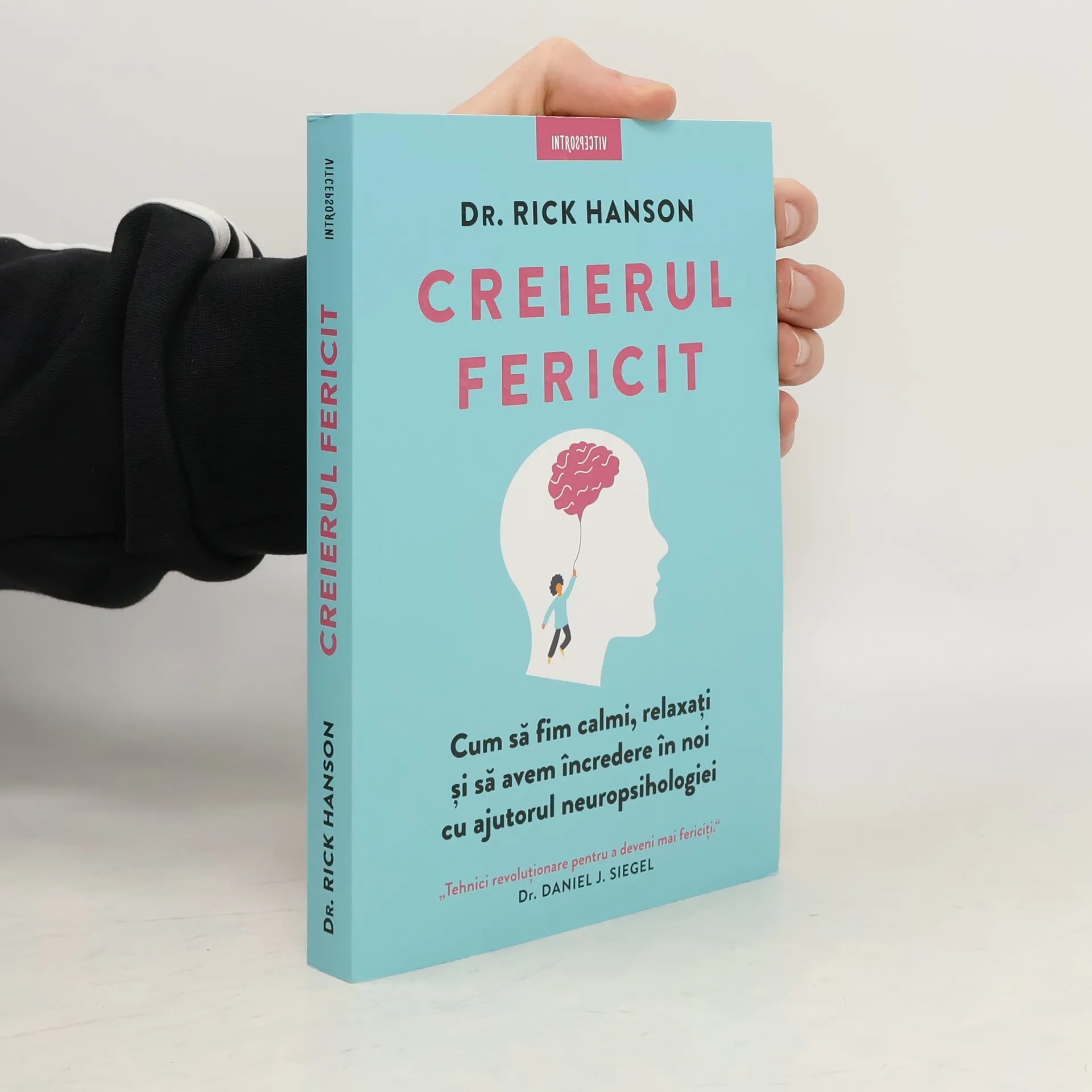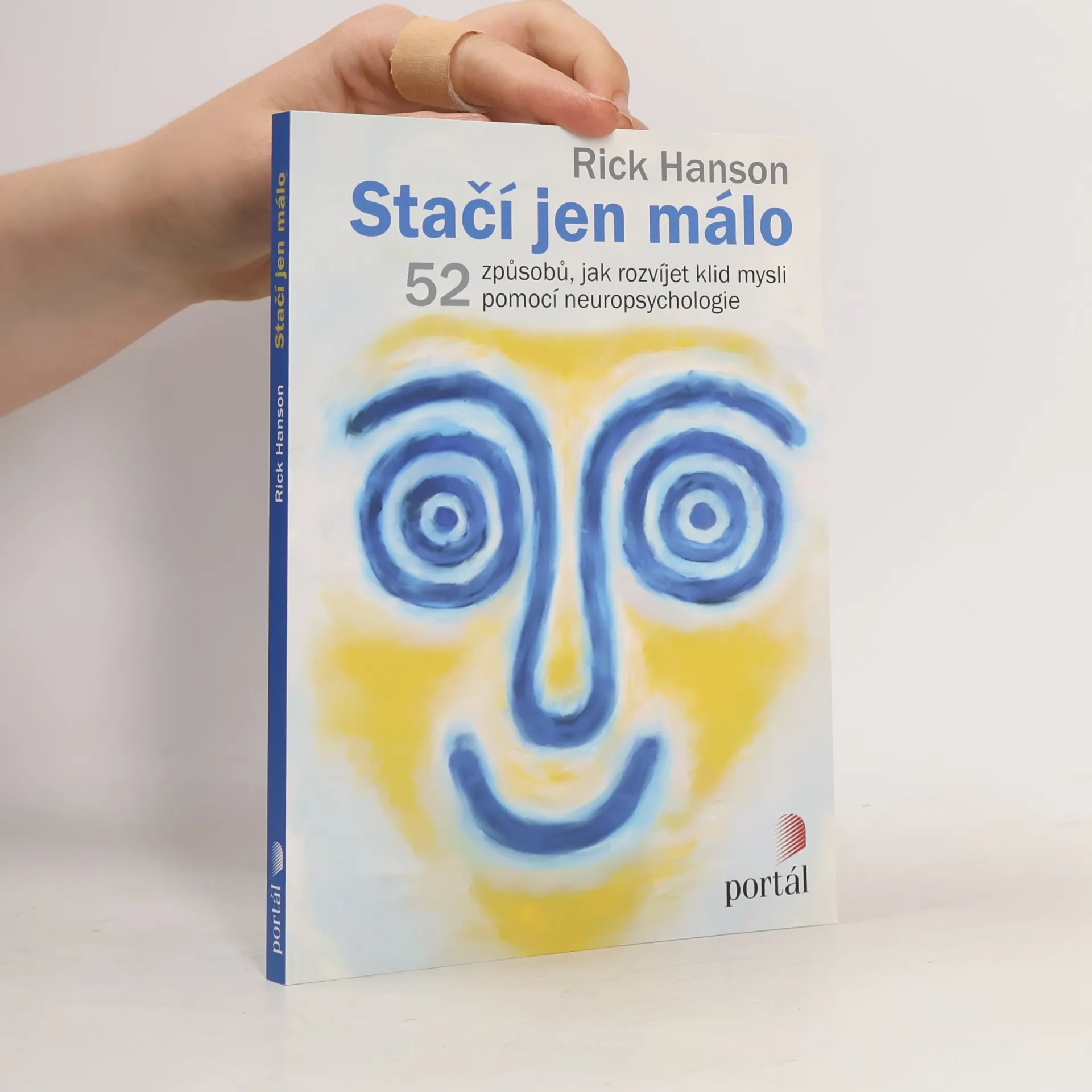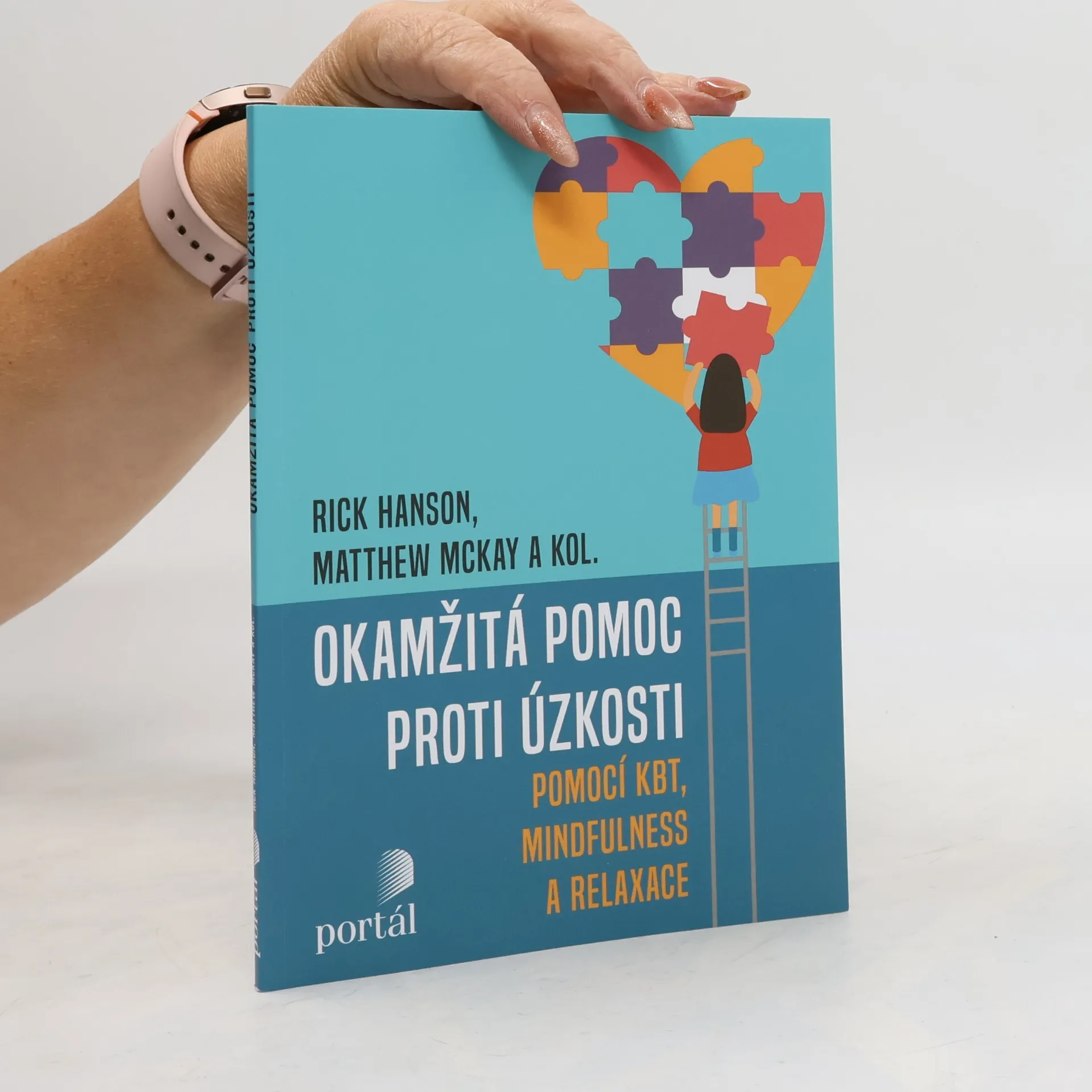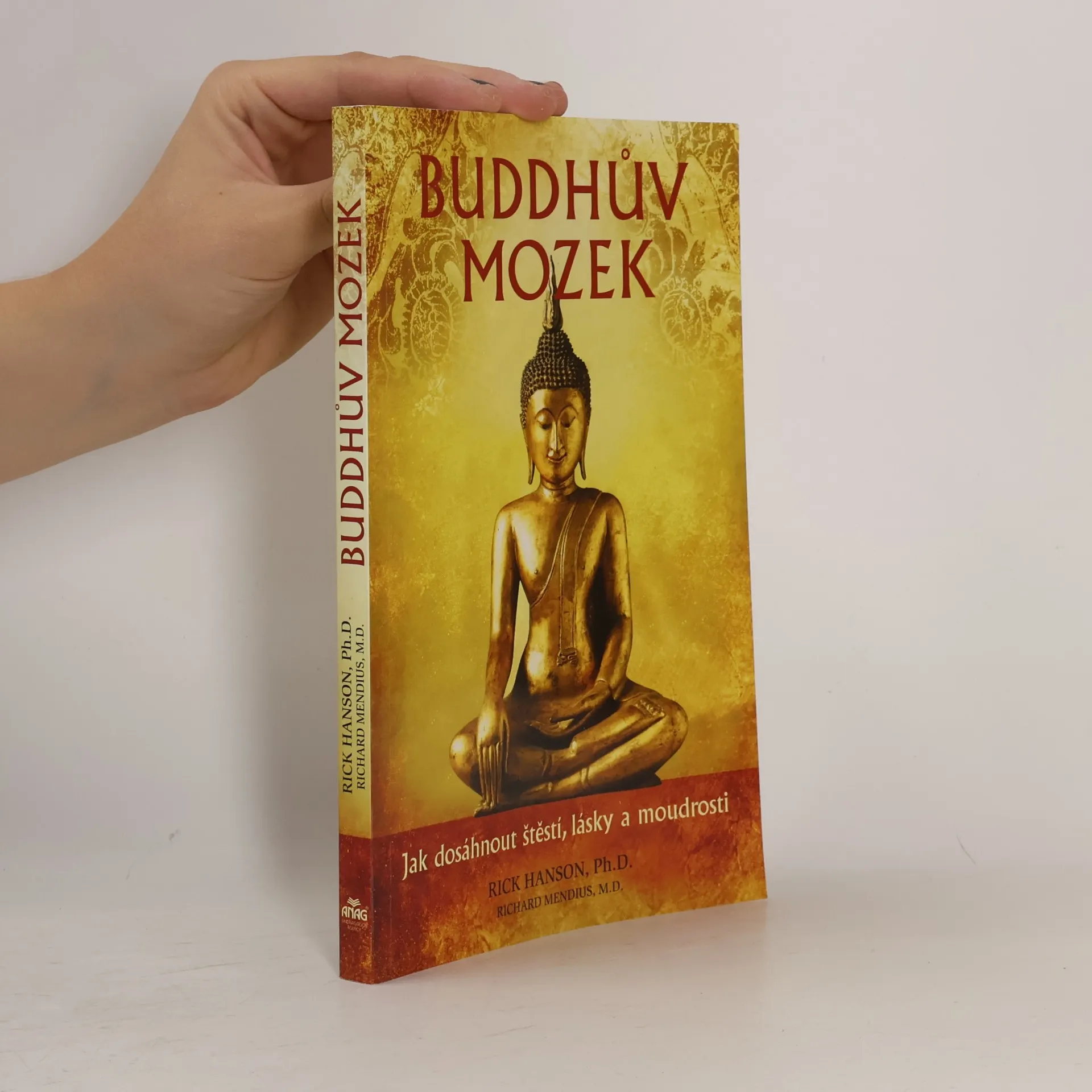

Rick Hanson is a psychologist and leading expert in positive neuroplasticity, whose work focuses on bridging science and wisdom. He writes about how we can actively shape our brains for greater happiness and resilience. His goal is to make scientifically-backed techniques accessible to help people cultivate inner peace and strength. Hanson's writings offer practical guidance for achieving deeper well-being and a more fulfilling life.
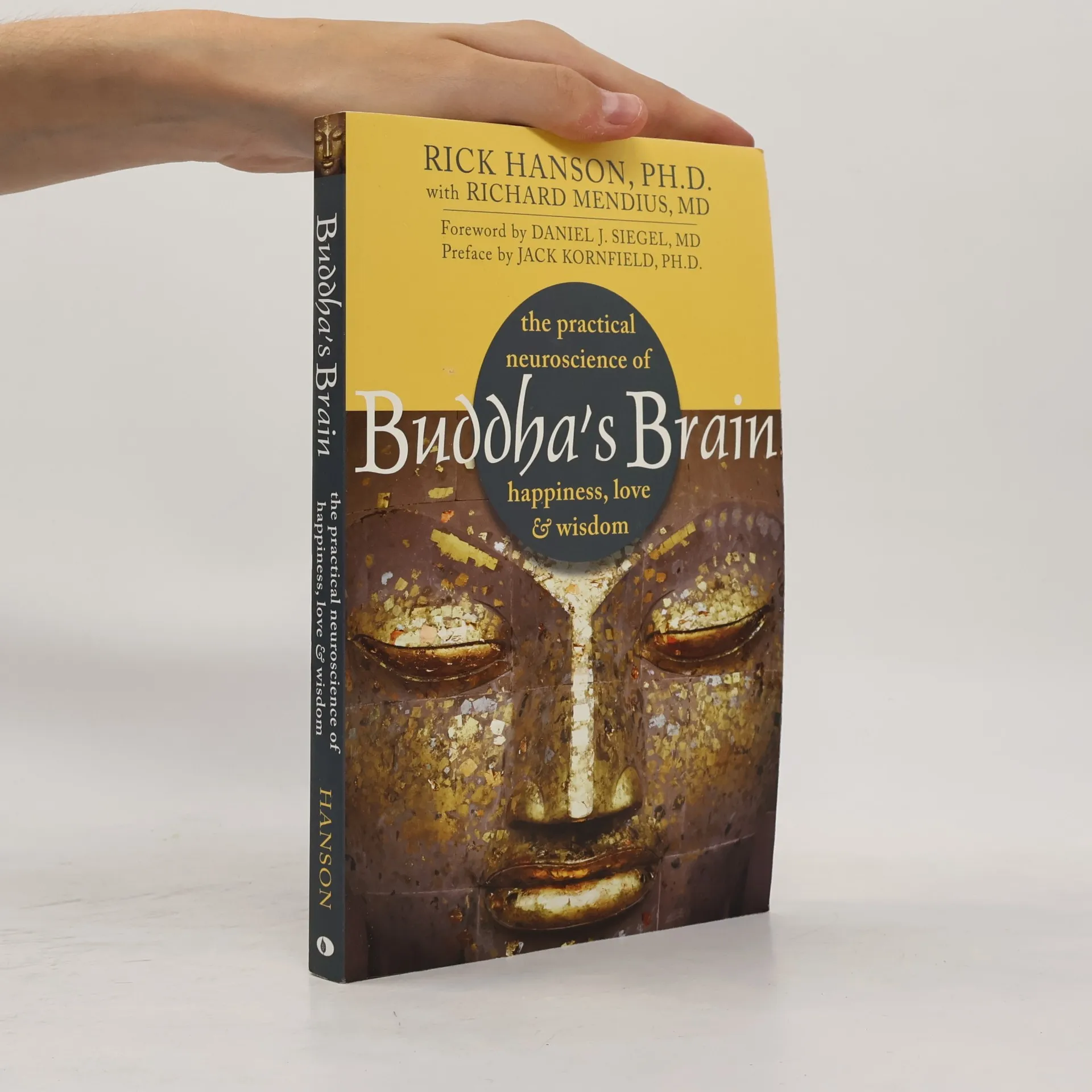
Recent scientific breakthroughs have revealed that what we think and feel changes the brain. This book shows how to transform the simple positive experiences of daily life into neural structures that promote lasting health, contentment, love and inner peace.
Blending modern neuroscience with ancient Buddhist teaching, explains how elements of psychological well-being and spiritual awareness are based in the core functions of the brain and offers exercises to help rewire the brain to achieve peace, happiness,and wisdom.
Reverse-engineer your brain to experience freedom from suffering with this radically bold yet practical seven-step plan from the New York Times bestselling author of Buddha's Brain and Hardwiring Happiness. Building on his classic bestseller Buddha's Brain, New York Times bestselling author and senior fellow of the Greater Good Science Center at UC Berkeley Rick Hanson uses the Buddhist analysis of the mind as a roadmap for strengthening the neural circuitry of deep calm, contentment, kindness, and wisdom--qualities we all need to succeed in the face of adversity. Most books about transformations of consciousness are theoretical or religious, typically full of jargon, pep talks, and calls to believe on faith alone. Instead, this is a book of practice, immediately actionable with simple, powerful guided meditations--and despite this grounded approach, its promise is radically life-changing. This book is nothing short of a path to transcendence, a method for liberating the mind and heart, discovering freedom from suffering, and engaging life with a kind heart and inner peace. A step-by-step path of practical ideas and tools, Dr. Hanson guides readers with his usual encouragement, good humor, and personal examples.
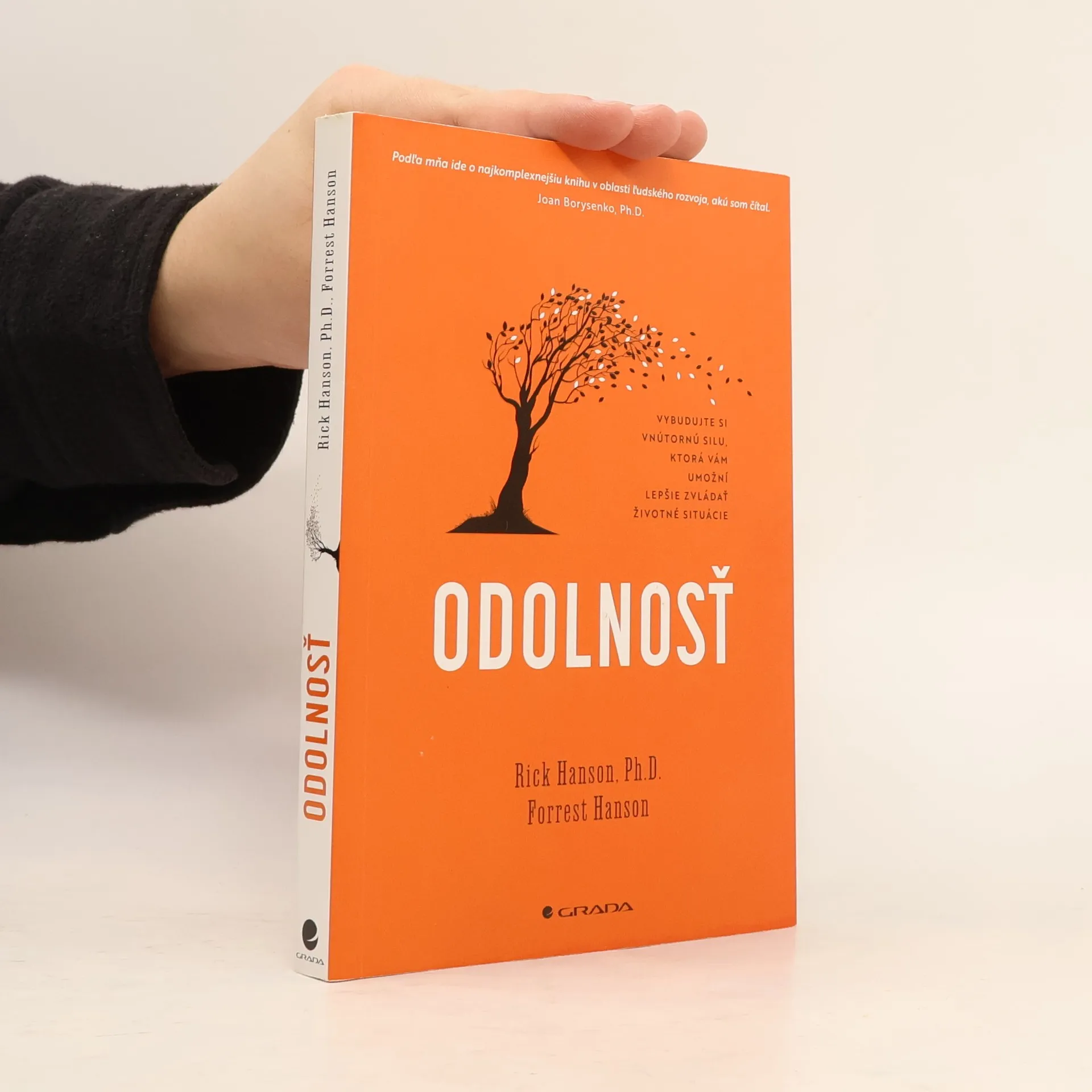
The author of the New York Times bestselling Hardwiring Happiness, Rick Hanson is known for his trademark blend of neuroscience, positive psychology and contemplative practices. In Resilient, he explains how to build the very foundations of well-being by harnessing the power of positive experiences to build an unshakeable core. Dr. Hanson has distilled 40 years of clinical work and teaching into 12 highly effective tools. Working with these tools allows you to enter a positive cycle which creates a sense of well-being, which in turn establishes resilience, which feeds upon itself to strengthen you. Developed from his incredibly popular online course called The Foundations of Well-Being, here is the groundwork you need to be able to meet life with a whole heart.
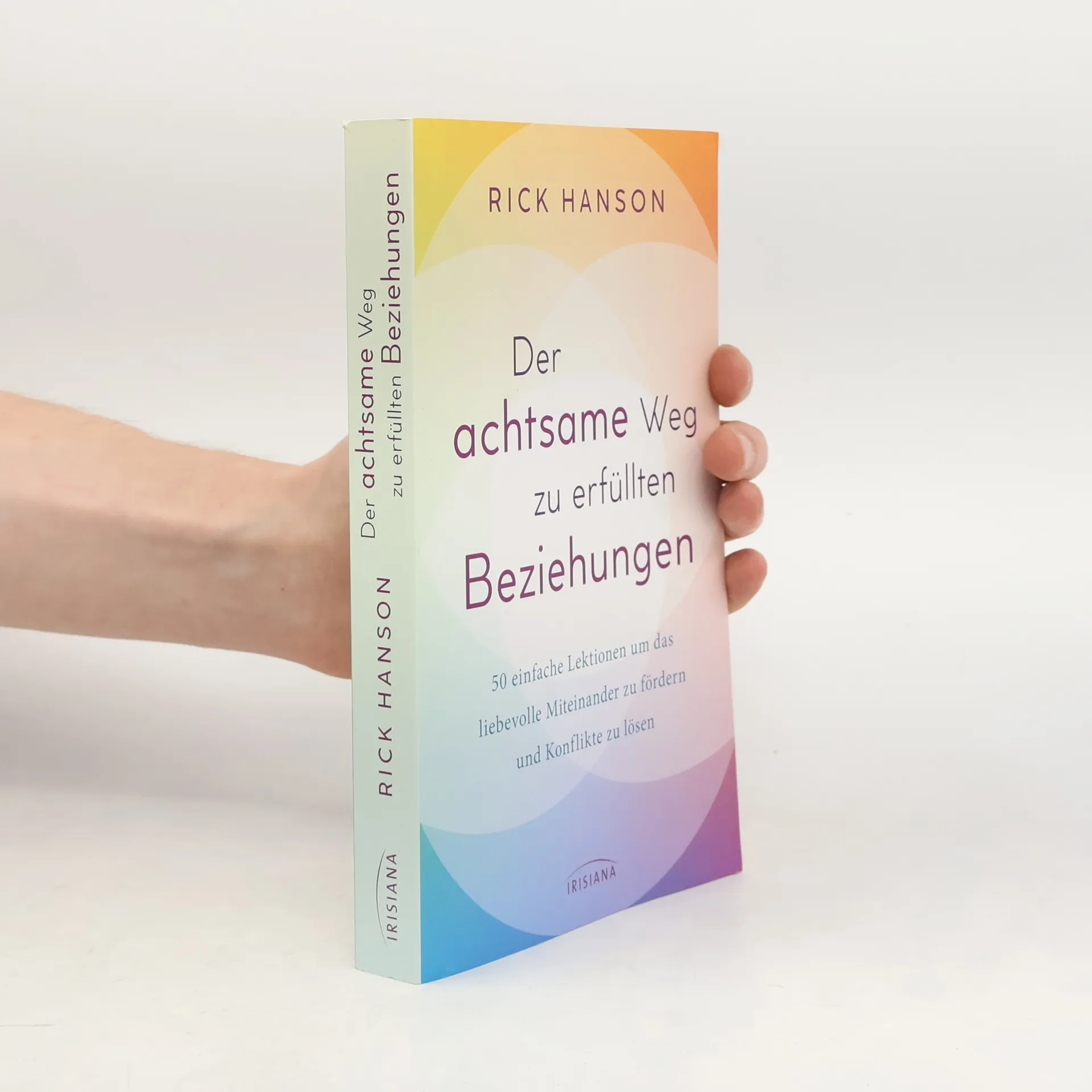
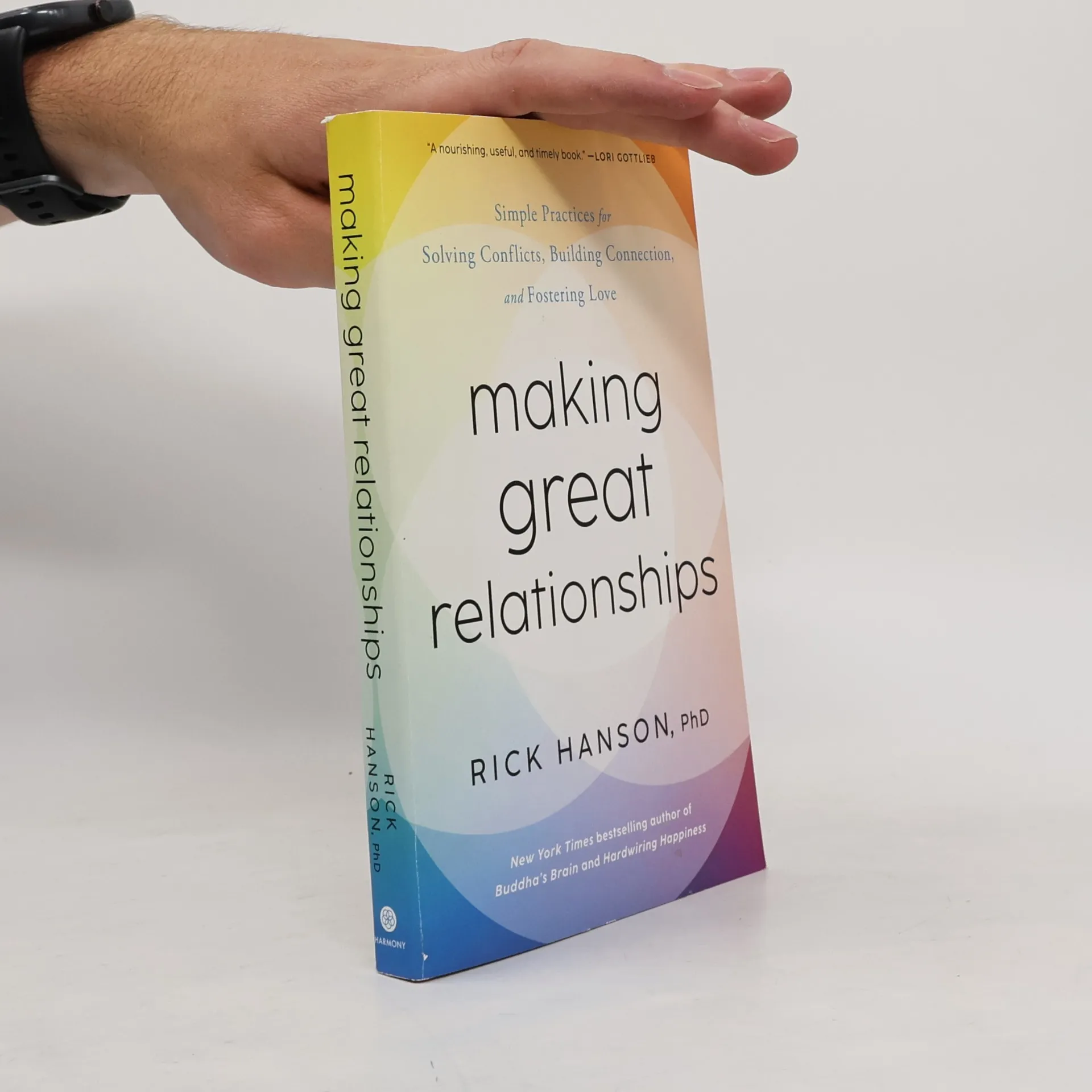
Focusing on the transformative power of thoughts and words, this book offers practical tools to enhance relationships, addressing common challenges like stress and conflict. It presents fifty-two actionable practices grounded in brain science and clinical psychology, aimed at fostering fulfilling connections at home, work, and beyond. Dr. Rick Hanson draws from his extensive experience in psychology and mindfulness, providing insights on self-worth, conflict resolution, and effective communication. Each bite-sized chapter serves as a guide to improving interactions with others.
Jump in, have some fun. Political books can be way too serious, not this one. Take the journey as we follow La Firm's attempt to inject their candidate, Trekker Hammond, into the highest office in the United States. This book is a Political Fiction puzzlement with actual history, dates, and locations. Could the actions divulged in this story happen in real life? You will have to determine the answer to that question yourself. As you read this book you will take a look into the past, remember or learn about political events that have shaped this country for the good, or bad.
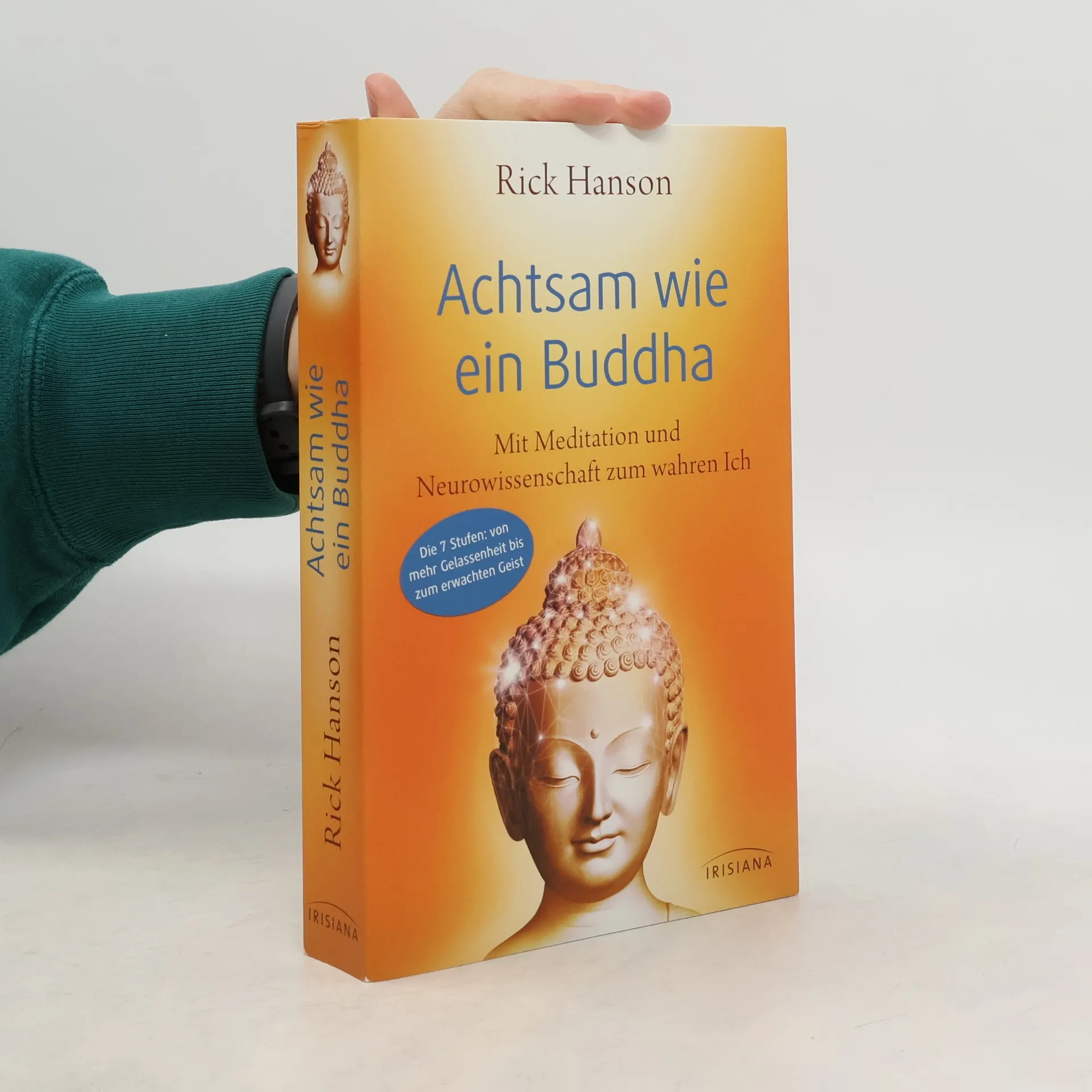
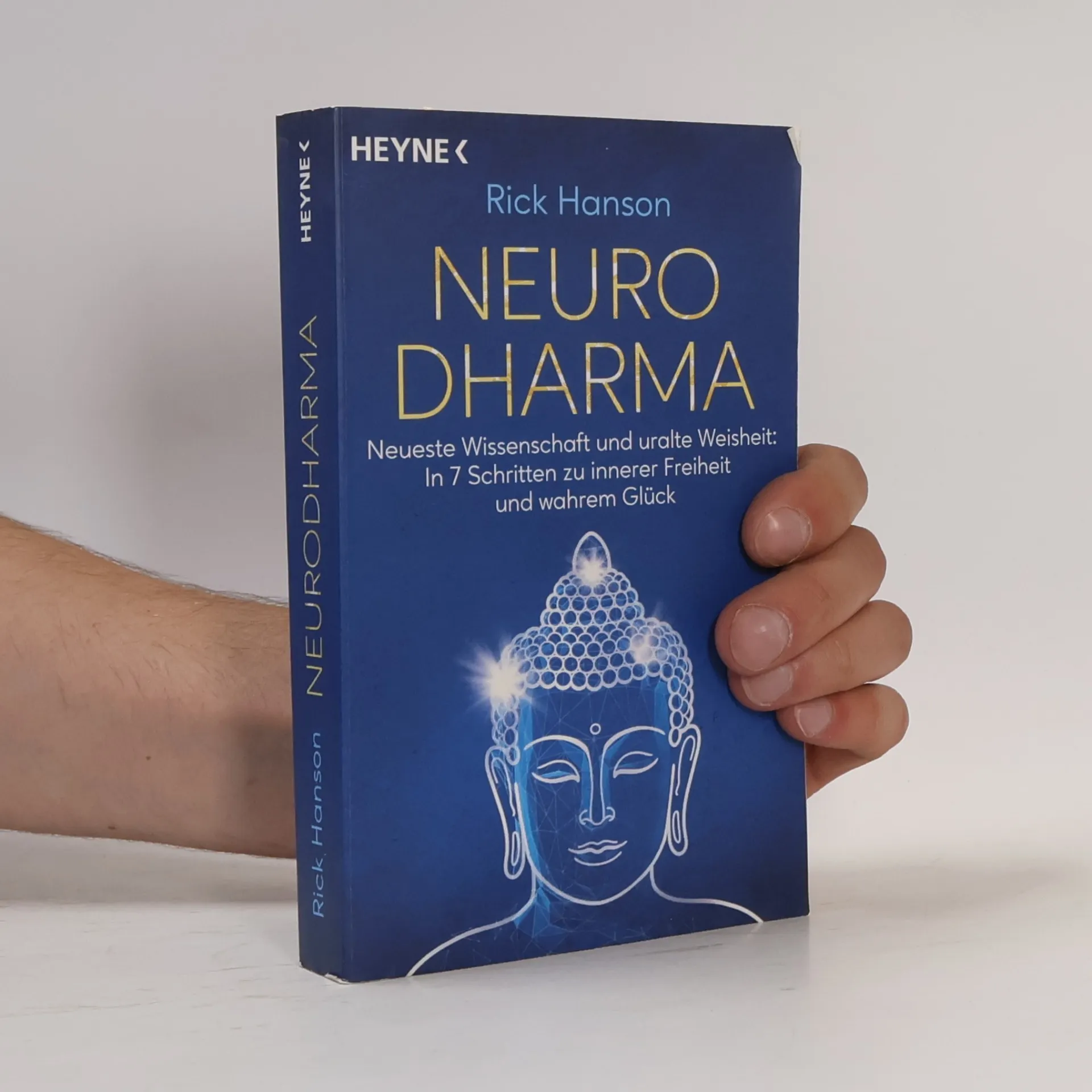
In diesem Buch verbindet Dr. Rick Hanson neueste Neurowissenschaften mit buddhistischer Weisheit und präsentiert sieben Wege zu einem erwachten Geist. Durch einfache Übungen und Meditationen können Leser neuronale Schaltkreise stärken, um Gelassenheit, Güte und Achtsamkeit zu entwickeln. Ein praxisnahes Programm für ein erfülltes Leben.
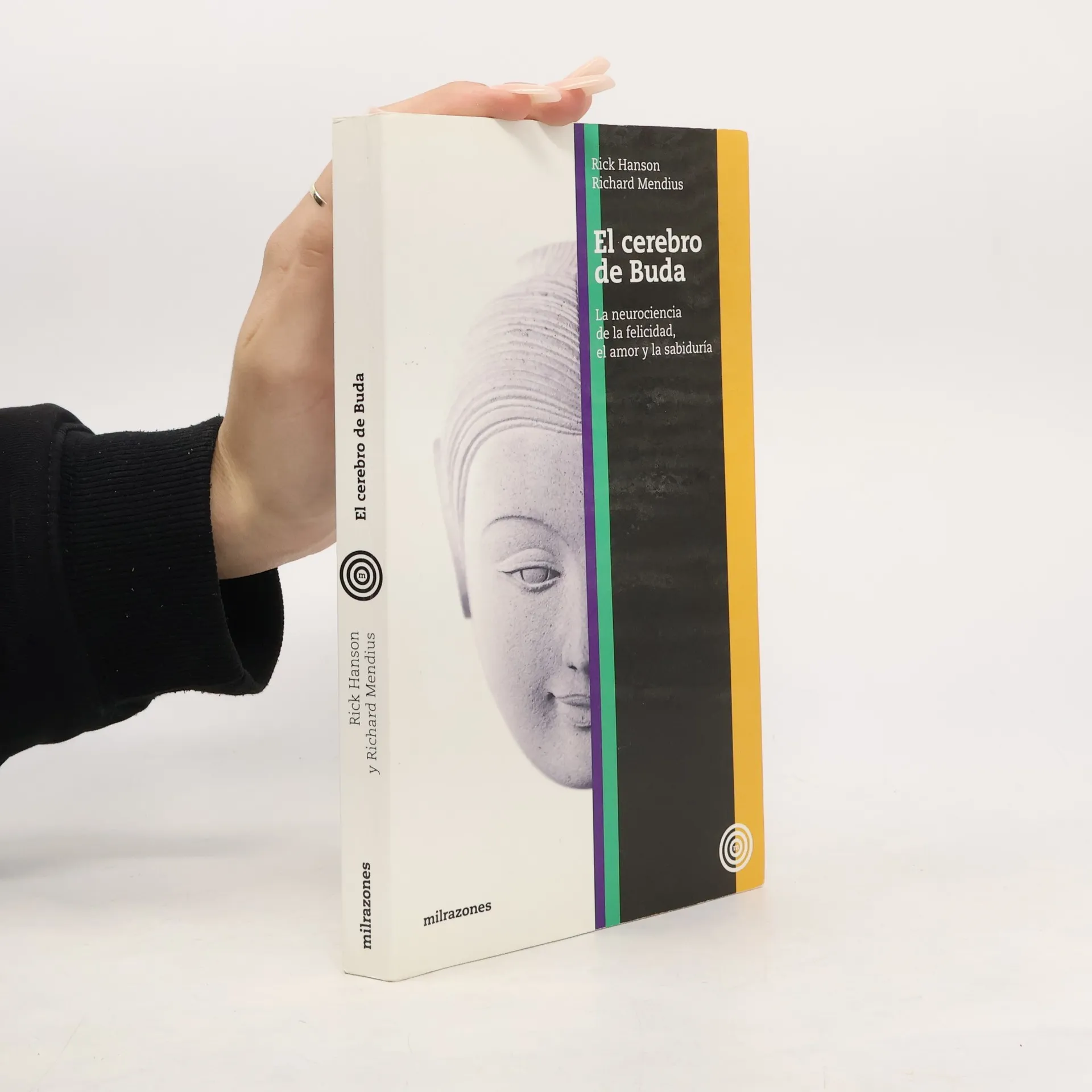
Das Gehirn eines Buddha weist uns wirksame Wege, wie wir Liebe, Weisheit und wahres Glück in unserem Leben erfahren können, und erklärt uns auch physiologisch, wie und warum das funktioniert. Der Strom unserer Gedanken formt unser Gehirn und vermag uns so, neue Möglichkeiten, Handlungsräume und Gefühlswelten zu eröffnen – oder auch zu verschließen. Demgemäß lautet die grundlegende Botschaft aktueller neurobiologischer Forschung: „Indem du dein Gehirn verändern kannst, kannst du dein Leben ändern.“ Gestützt auf jüngste Forschungsergebnisse zeigt uns Das Gehirn eines Buddha auf, wie wir unser Gehirn stimulieren und stärken können, um zu erfüllenderen Beziehungen und zu einem stärkeren Gefühl von innerem Vertrauen und Wert zu finden.
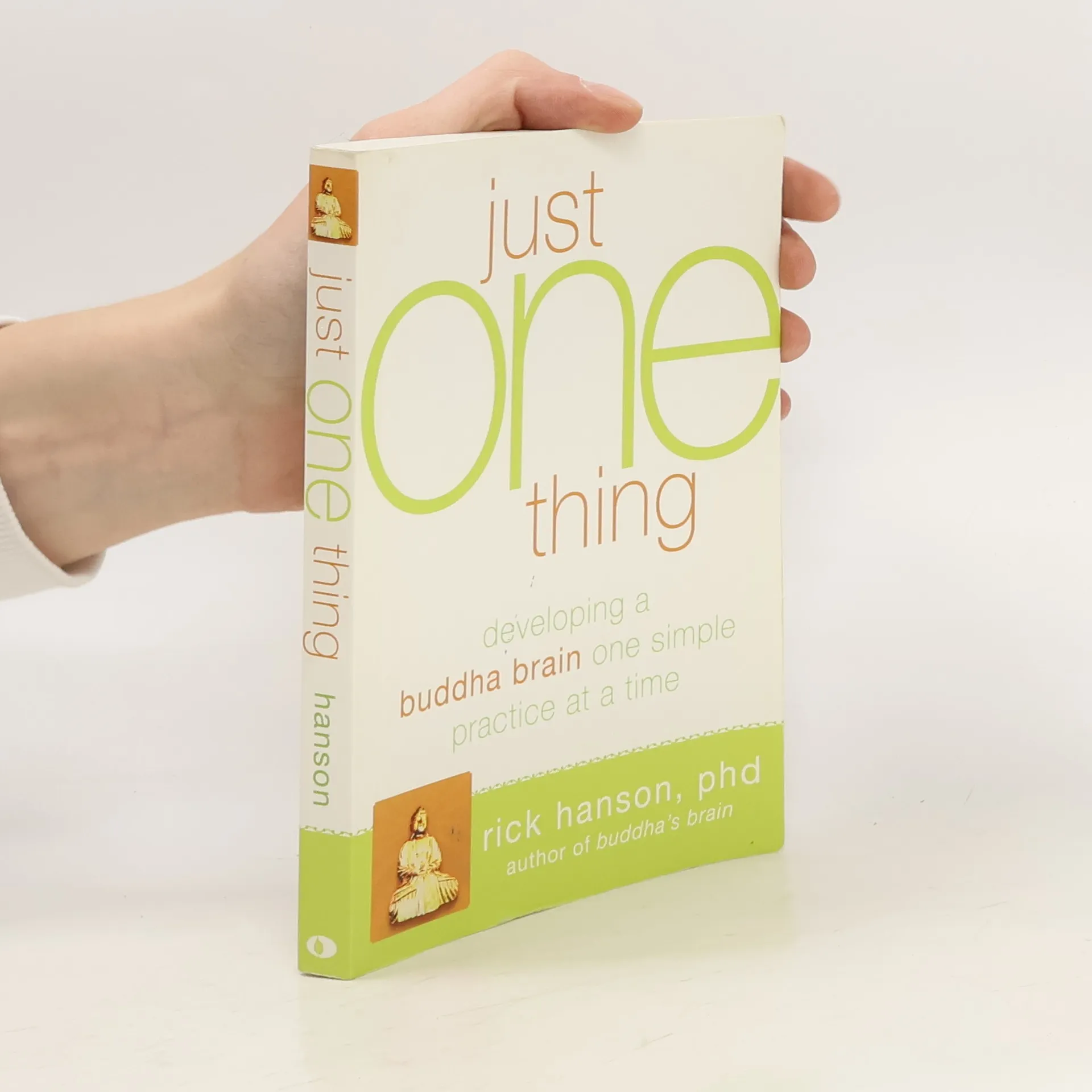
Presents more than fifty simple practices readers can do each day to wire the
brain for increased happiness, positive thinking, and wisdom. Written by Rick
Hanson, author of Buddha's Brain, this pocket-sized book helps readers reap
the benefits of meditation through simple five to ten-minute practices they
can access anytime, anywhere. Building on the success of Buddha's Brain, each
practice is grounded in neuroscience and positive psychology. The book offers
information on why the practice is important and how it works, guidance for
performing the practice, and additional resources readers can use to delve
deeper into that particular type of practice. Some of the practices encourage
readers to focus on gratitude for what they have, while others offer guidance
for taking refuge and slowing down in stressful times. All of the practices
are designed to gradually change the way readers process their emotions and
create new neural pathways for greater happiness and fulfillment.
Co pozwala nam stawiać czoła wielu przeciwnościom? Dzięki czemu możemy nie
tylko się z nimi zmierzyć i je pokonać, ale także wyjść z trudnej sytuacji
silniejsi niż wcześniej? W jaki sposób kształtuje się nasza zdolność radzenia
sobie z wyzwaniami i elastycznego przystosowywania się do zmiennych, nie
zawsze sprzyjających okoliczności? Nasza droga życiowa zależy od trzech
czynników: tego, jak radzimy sobie z trudnościami, jak chronimy swoje słabości
oraz jak zwiększamy swoje zasoby. Nie zawsze mamy wpływ na innych ludzi i
okoliczności zewnętrzne. Możemy jednak polegać na swoich siłach wewnętrznych,
wzmacniać je i rozwijać. O tym, jak to robić, pisze w swojej książce Rick
Hanson, autor bestsellera Szczęśliwy mózg. Nasze mentalne zasoby stanowią o
naszej rezyliencji, czyli umiejętności radzenia sobie z przeciwnościami i
stawiania czoła wyzwaniom na drodze do wykorzystania pojawiających się
możliwości. Rezyliencja sprzyja także dobrostanowi, kształtuje fundament
spokoju, wewnętrznej siły i szczęścia. Autorzy pokazują, jak rozwinąć 12
kluczowych dla niej kompetencji psychicznych: współczucie, uważność, uczenie
się, siłę charakteru, wdzięczność, wiarę w siebie, spokój, motywację,
intymność, odwagę, dążenia i szczodrość. Rick Hanson wraz z synem napisali
przejrzysty i wyczerpujący poradnik, w którym łączą teorię z osobistym
doświadczeniem i praktycznymi wskazówkami. Napisana przyjaznym, jasnym i
pełnym życzliwości stylem książka stanowi nieocenione źródło wiedzy i
narzędzie do codziennej pracy. CO ZNAJDZIESZ W TEJ KSIĄŻCE? • Praktyczne
sposoby doświadczania, rozwijania i wykorzystywania podstawowych zasobów
mentalnych w celu budowania rezyliencji • Ćwiczenia i narzędzia służące
rozwijaniu konkretnych kompetencji • Szczere, osobiste obserwacje, przykłady i
sugestie na każdy dzień • Przystępne metody służące pokonaniu negatywnego
nastawienia • Przydatne informacje na temat mózgu i rozwijania jego pozytywnej
plastyczności JAK KORZYSTAĆ Z TEGO PORADNIKA? Z książki możesz korzystać na
wiele sposobów, zależnie od potrzeb. Nie musisz czytać jej w tradycyjny
sposób, od początku do końca. W każdym miesiącu składającym się na rok
osobistego rozwoju możesz przeczytać jeden rozdział. Możesz też wybrać
potrzebę lub kompetencję, która jest dla ciebie szczególnie istotna (na
przykład bezpieczeństwo lub uważność), i skoncentrować się na powiązanych z
nią rozdziałach