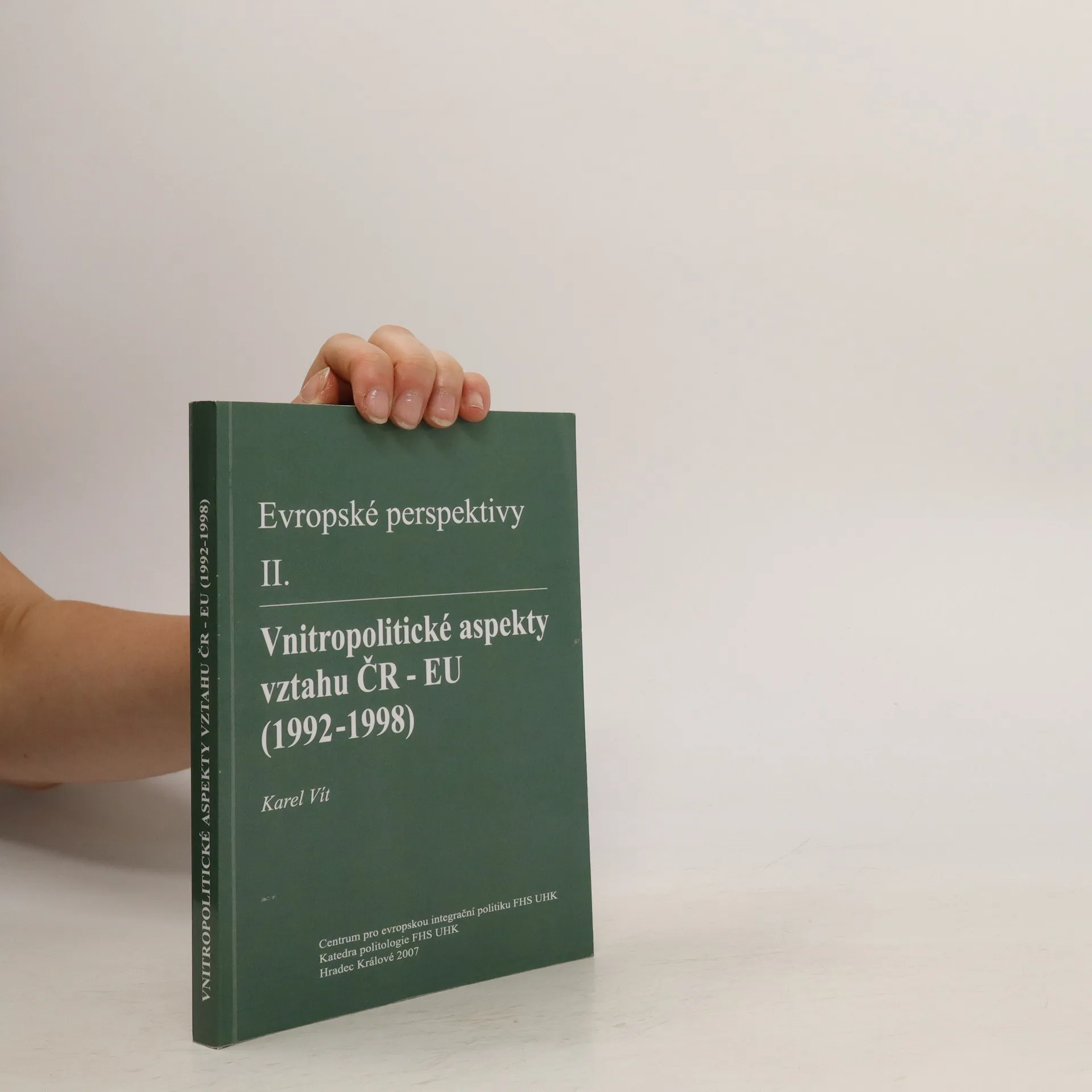
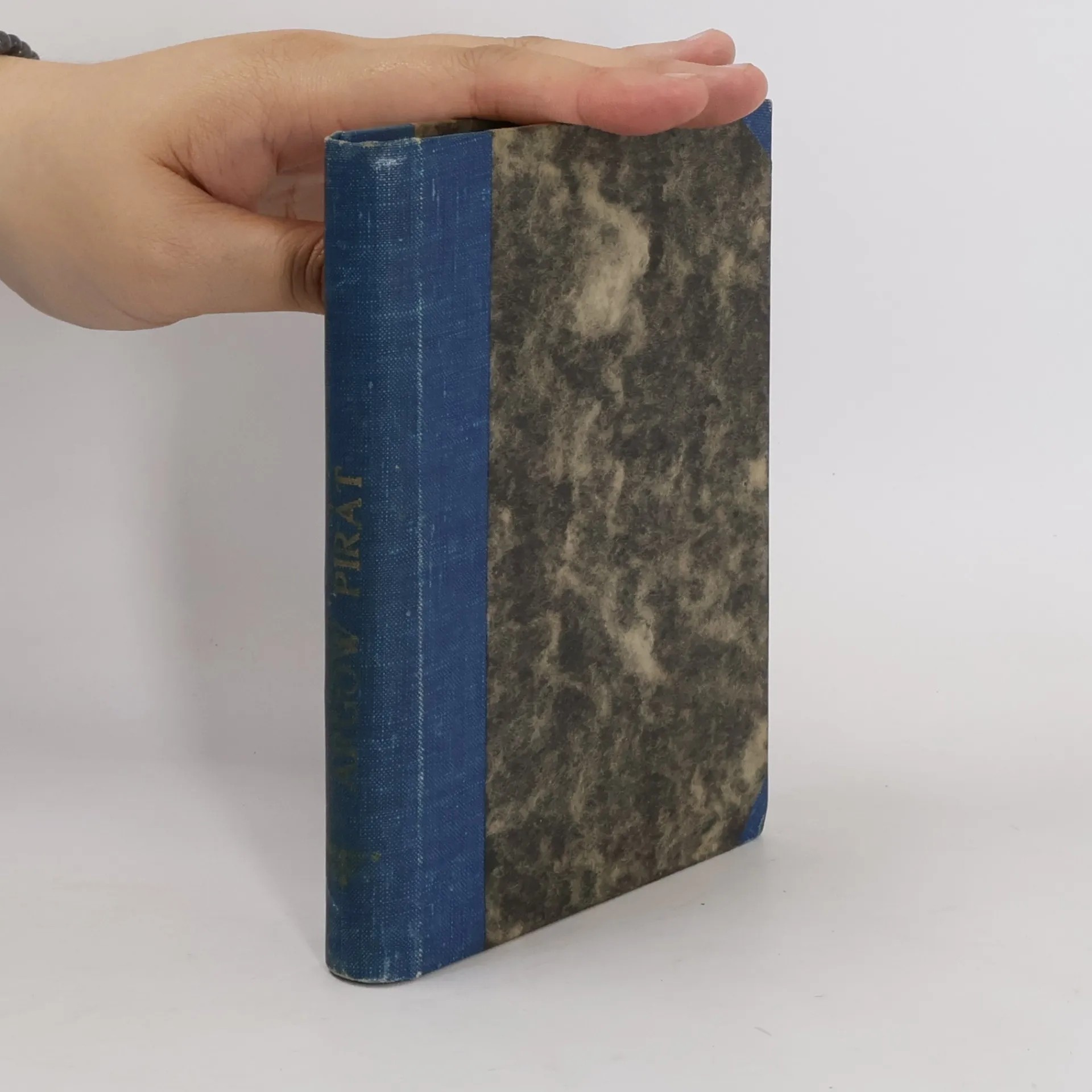
Evropské perspektivy. II, Vnitropolitické aspekty vztahu ČR-EU (1992-1998)
- 263 pages
- 10 hours of reading




Ramuntcho raconte l'histoire touchante d'un jeune Basque dont l'amour pour une fille échoue face aux barrières sociales de la vie. Comme ses amis, le jeune charpentier s'adonne à toutes les activités qu'offre la vie basque : berger, contrebandier, pêcheur et joueur de pelote. L'histoire d'amour suit les saisons, dont les changements se reflètent dans la nature envoûtante du Pays basque, mais aussi dans le comportement des gens. À l'instar de Jean Giono lors de ses promenades en Provence ou de Ramuz dans ses romans vaudois, Loti réussit à offrir de magnifiques descriptions de paysages au style inimitable. Avec beaucoup de sensibilité littéraire, il dépeint les traditions basques et leur rythme de vie rigoureux dans cette région sauvage entre montagnes et mer, offrant au lecteur un aperçu profond de l'âme basque.
Překlad: Karel Vít Ilustrace: Václav Čutta Vydalo: Nakladatelství Miloslav Nebeský v Praze Vydání: r. 1925
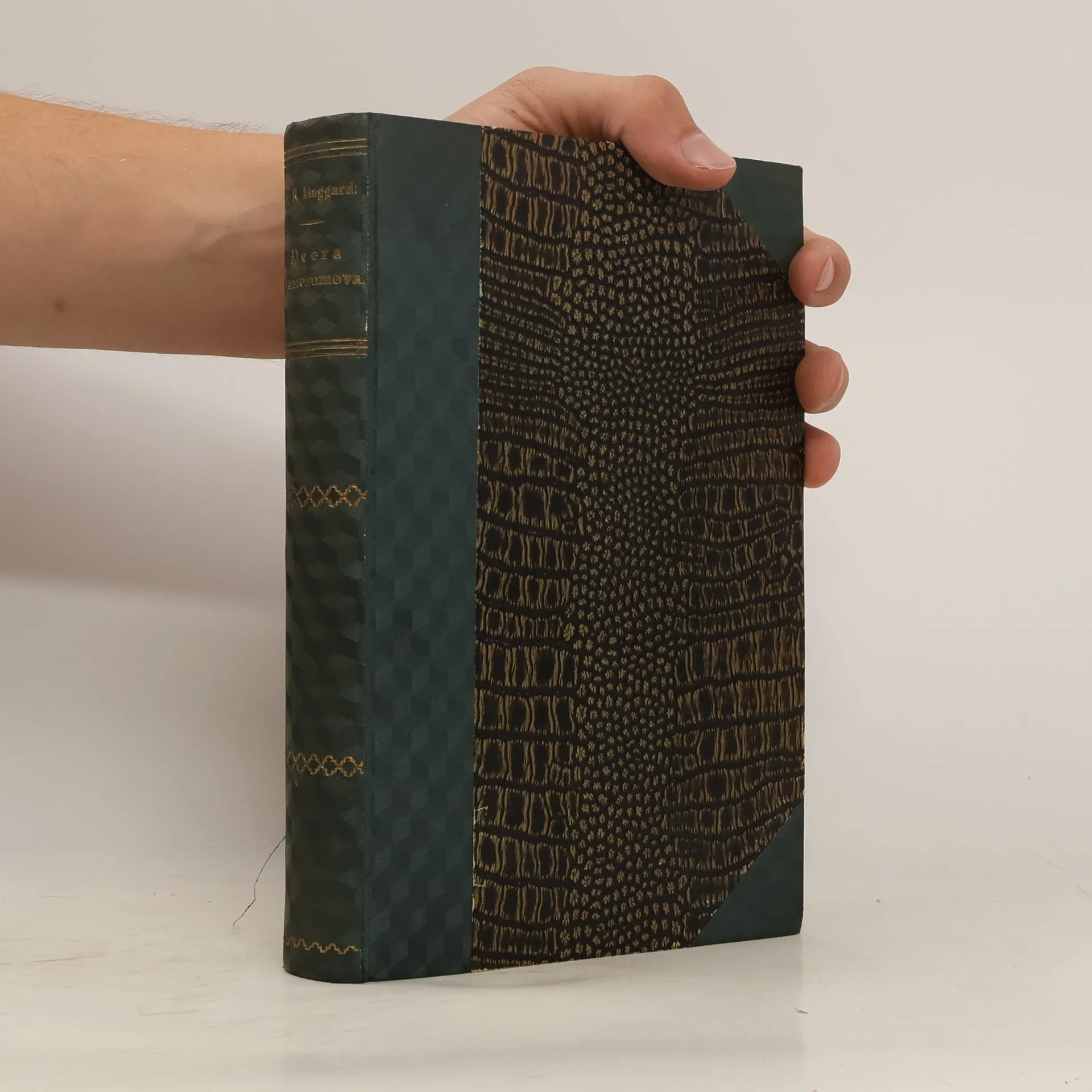
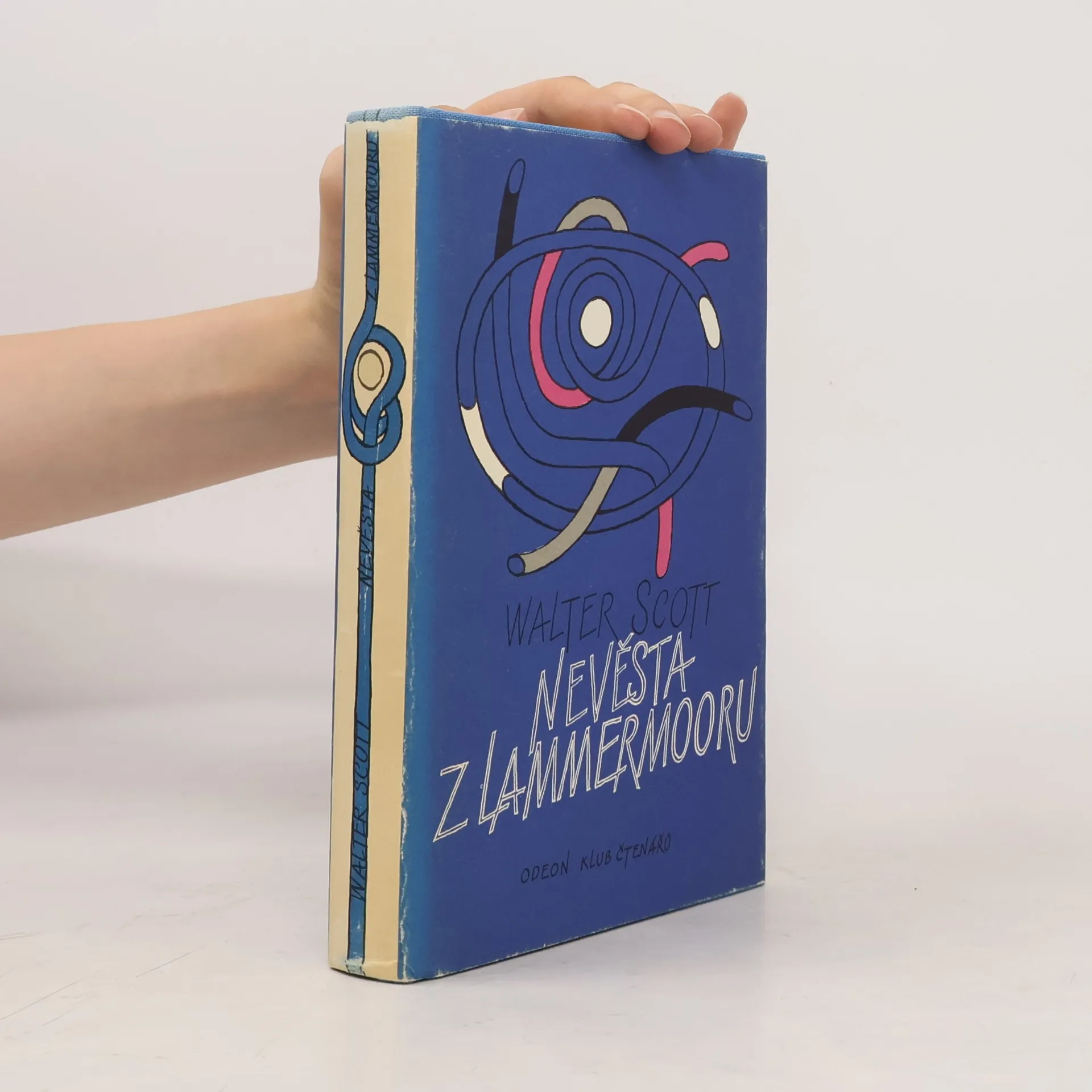
Milovníkům historických románů se otevírá barvitý svět společenských protikladů z poč. 18. stol., kdy král Jakub IV. odešel do Anglie a ve Skotsku se ve vládě střídali jednotliví regenti a země se zmítá v konfliktech mezi whigy a thoryi. Milostná romance je tak v prudkém kontrastu ke složitosti a dramatičnosti ostatního děje, který je výstižnou ilustrací doby konce feudalismu a současně úspěšně evokuje skotskou bohatýrskou národní minulost.
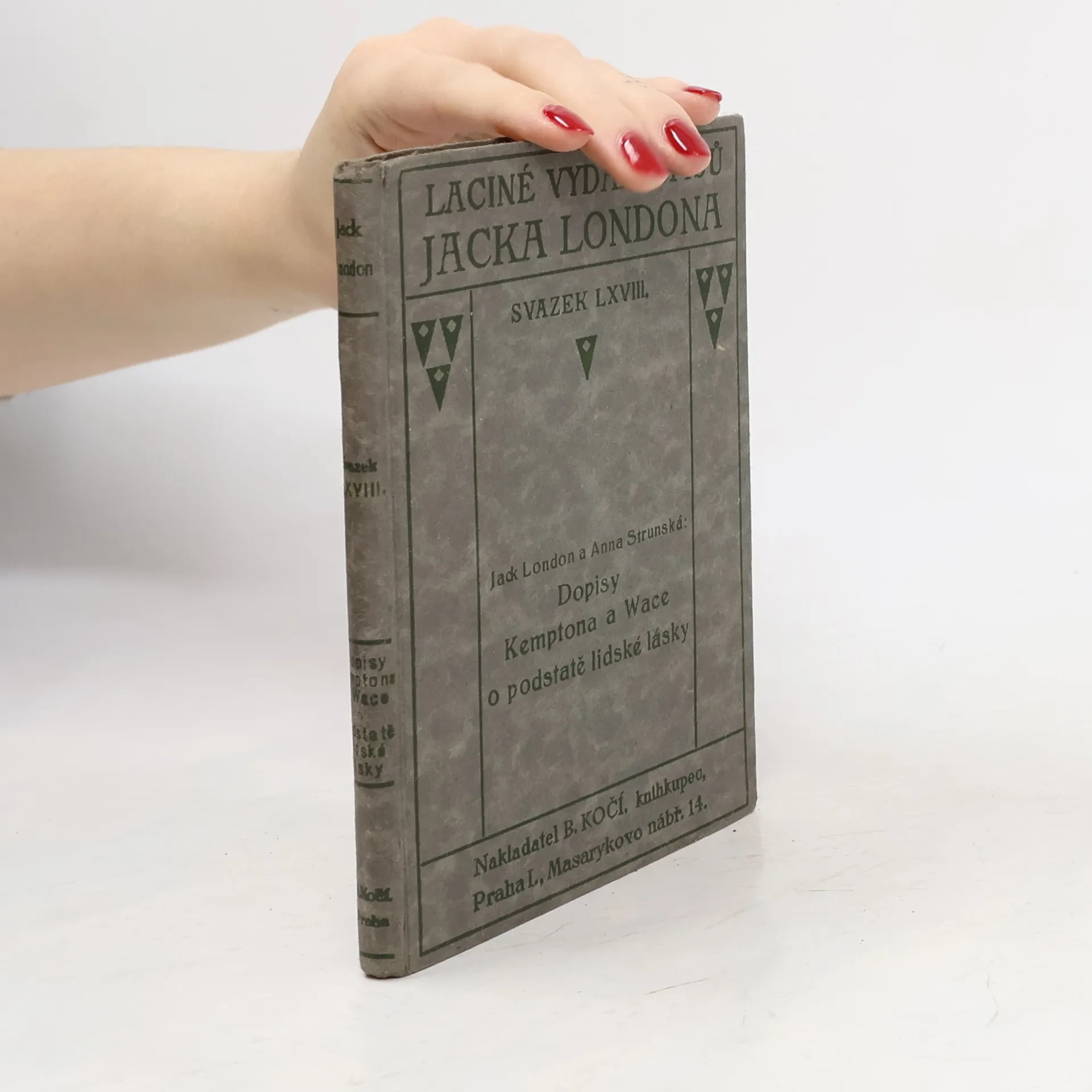
John Griffith London, an influential American novelist and journalist, gained fame as a pioneer in commercial magazine fiction and a precursor to modern science fiction. His innovative storytelling and social activism not only made him a global celebrity but also allowed him to amass considerable wealth from his writing. His works reflect a blend of adventure and social commentary, showcasing his impact on literature and his role in shaping the genre.
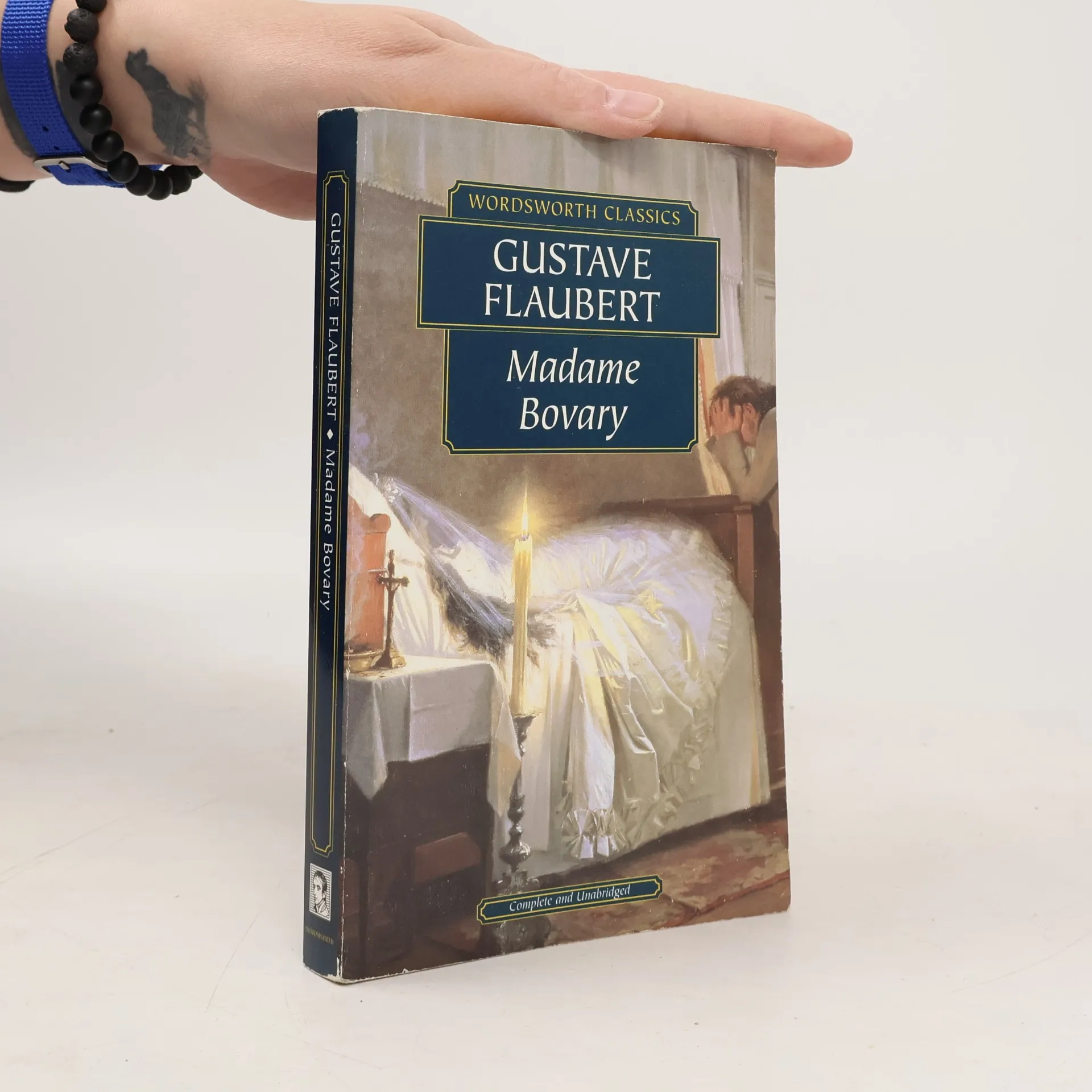
This novel is a tale of human bondage. The author's realistic and explicit descriptions of the fall of Emma Bovary into adultery, debt and eventual death at her own hand, shocked the establishment at the time it was published.