

Explore the latest books of this year!
Bookbot

Kenneth Arrow

    August 23, 1921 – February 21, 2017
    Barriers to Conflict Resolution
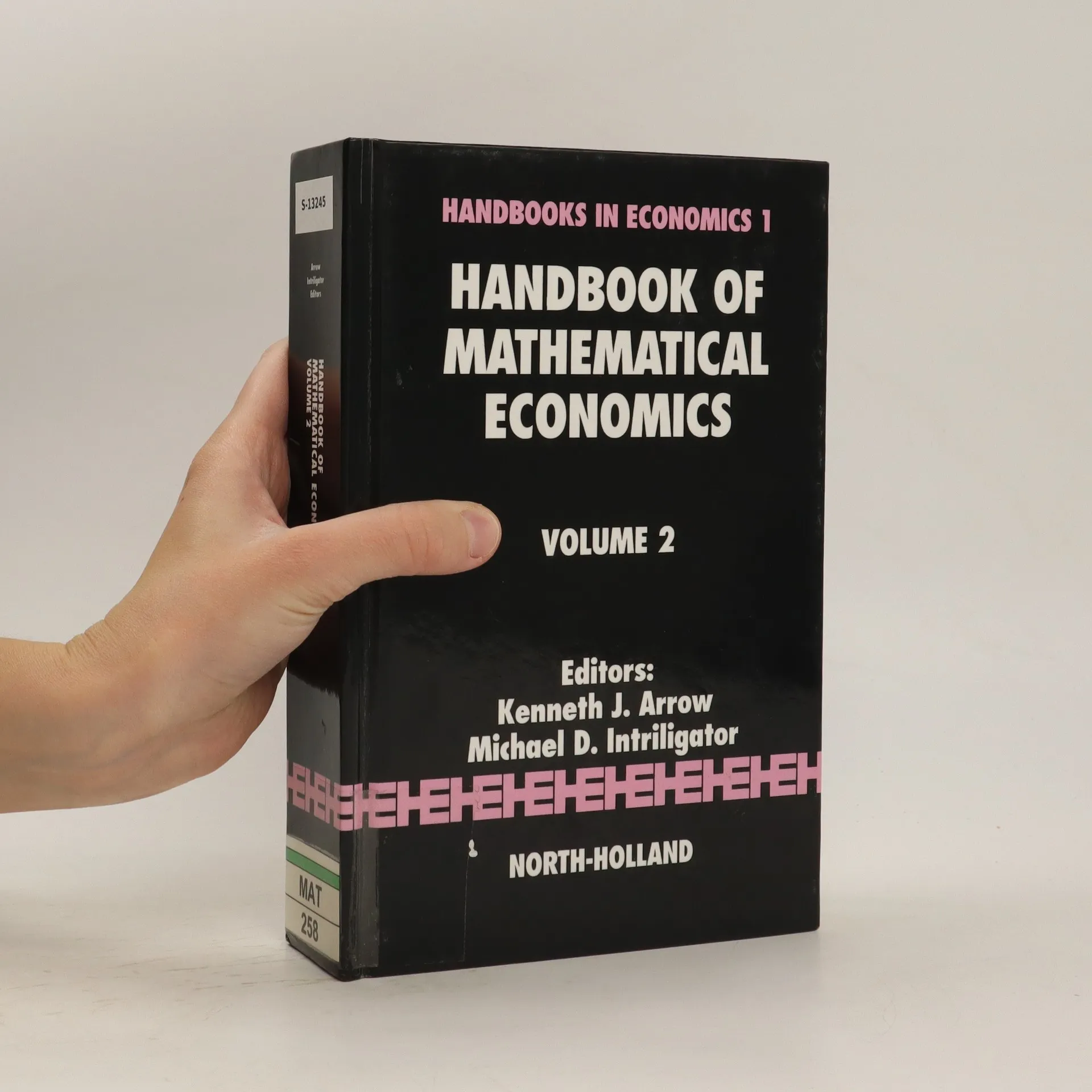
    Handbook of mathematical economics. Volume 2
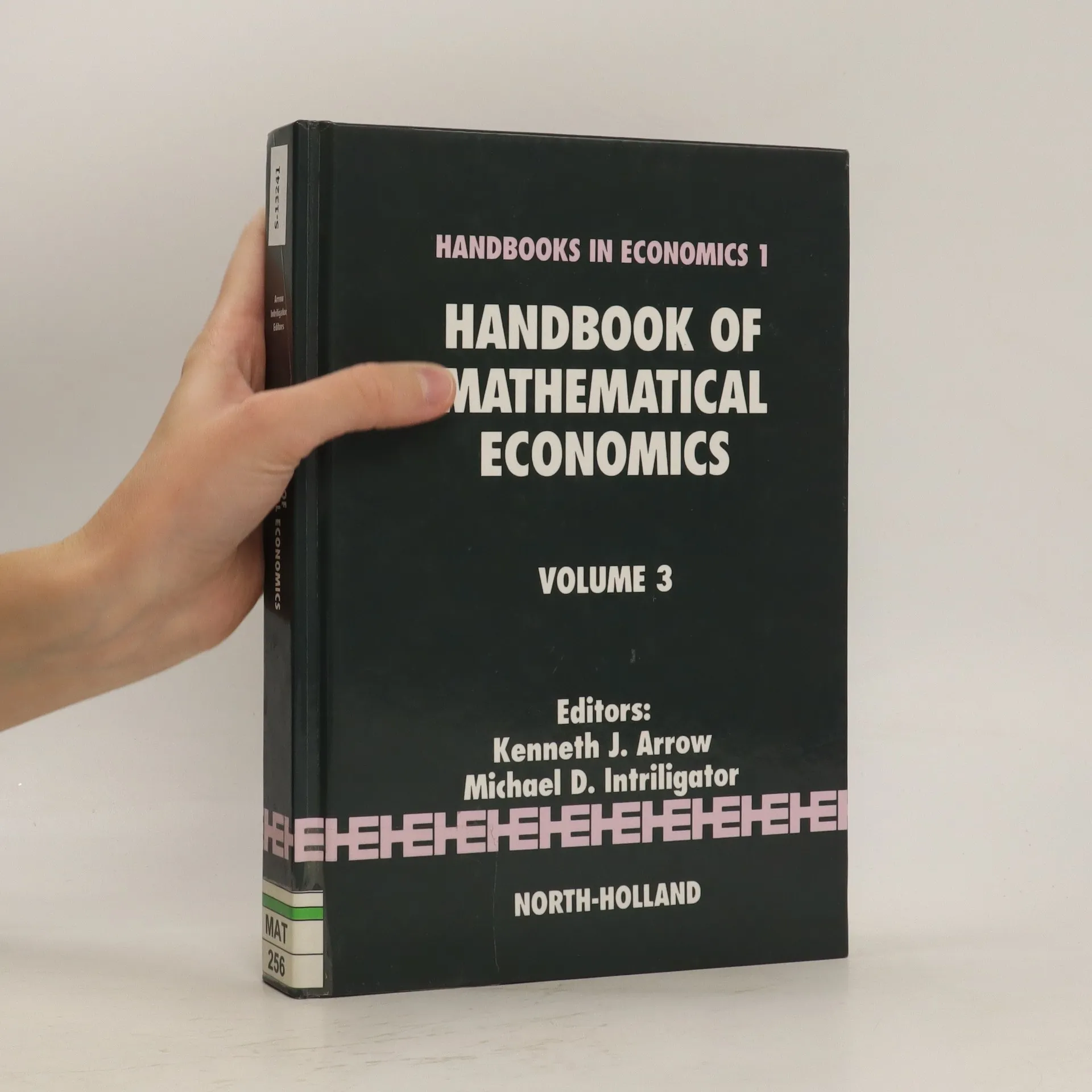
    Handbook of mathematical economics. Volume 3
    The Limits of Organization
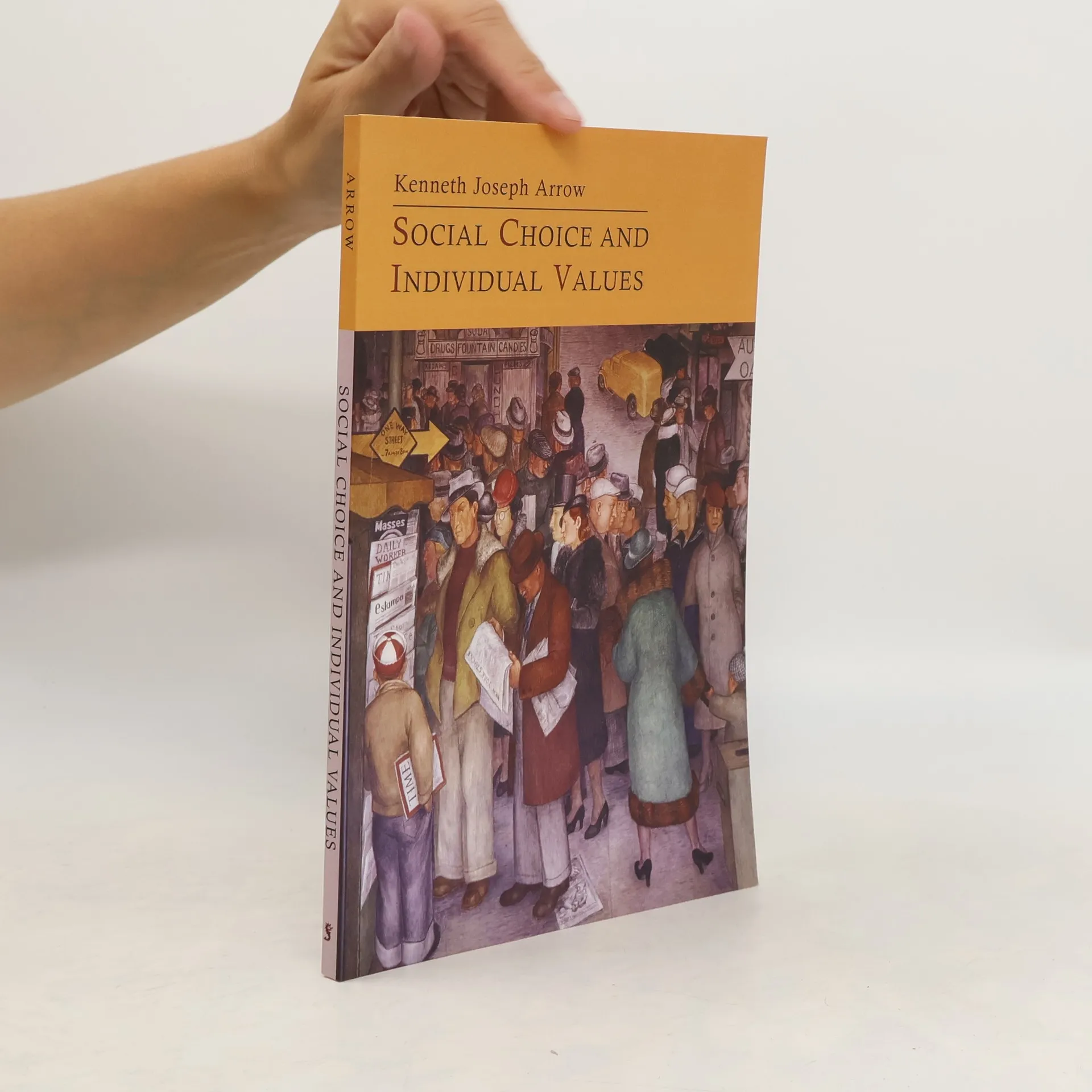
    Social Choice and Individual Values
    Handbook of mathematical economics. Volume 1
    • The Handbook of Mathematical Economics aims to provide a definitive source, reference, and teaching supplement for the field of mathematical economics. It surveys, as of the late 1970's the state of the art of mathematical economics. This is a constantly developing field and all authors were invited to review and to appraise the current status and recent developments in their presentations. In addition to its use as a reference, it is intended that this Handbook will assist researchers and students working in one branch of mathematical economics to become acquainted with other branches of this field. Volume 1 deals with Mathematical Methods in Economics , including reviews of the concepts and techniques that have been most useful for the mathematical development of economic theory. For more information on the Handbooks in Economics series, please see our home page on
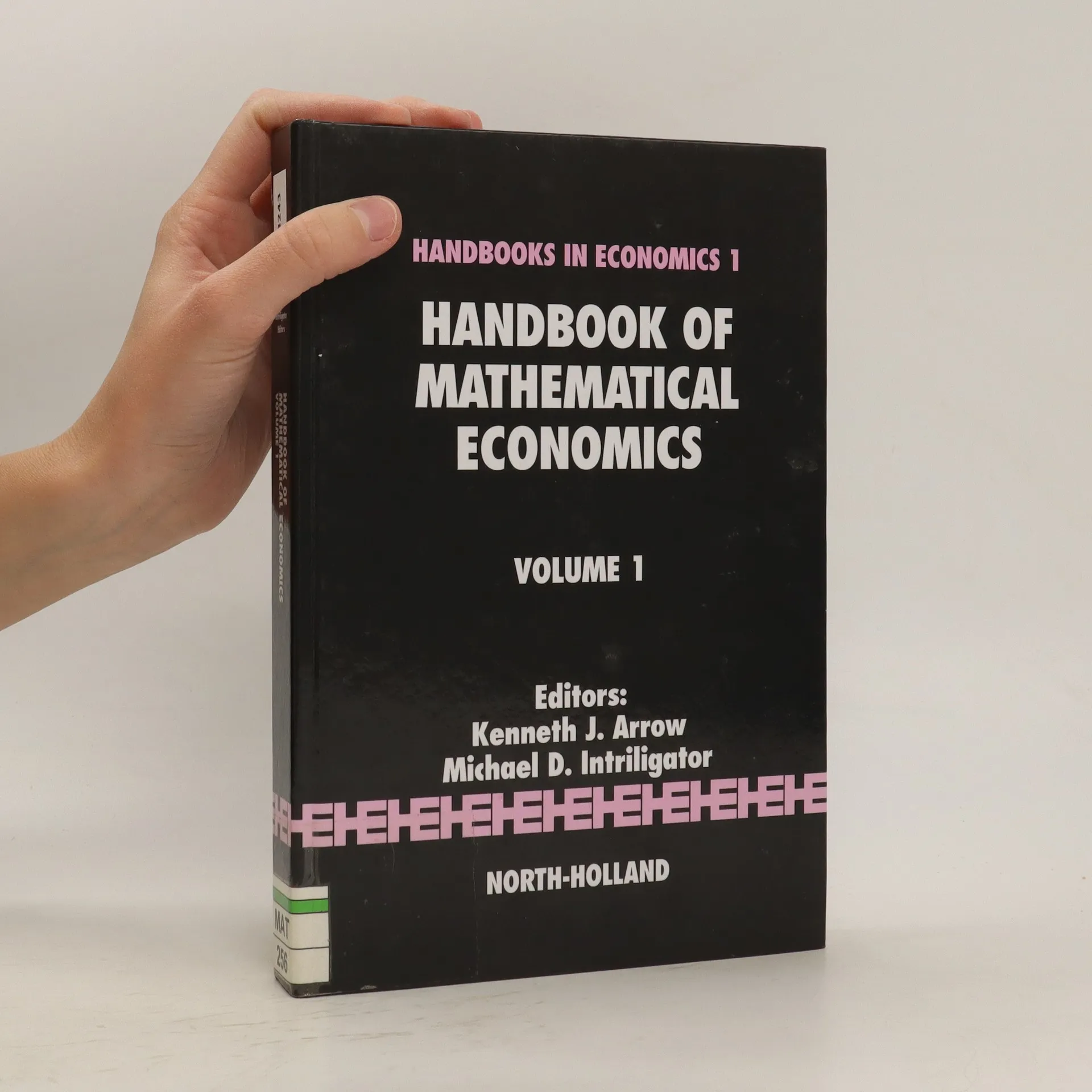

      Handbook of mathematical economics. Volume 1
    • Social Choice and Individual Values

      • 110 pages
      • 4 hours of reading
      4.1(12)Add rating

      The book presents Kenneth Arrow's groundbreaking work that established modern social choice theory, integrating social ethics with voting and economic principles. Central to this study is the "General Possibility Theorem," also known as Arrow's impossibility theorem, which asserts that no social choice rule can meet certain reasonable criteria without imposing restrictions on individual preferences or the neutrality of alternatives. This work expands on the voting paradox, illustrating the potential instability of majority voting outcomes.

      Social Choice and Individual Values
    • The Limits of Organization

      • 88 pages
      • 4 hours of reading

      The tension between what we wish for and what we can get, between values and opportunities, exists even at the purely individual level. A hermit on a mountain may value warm clothing and yet be hard-pressed to make it from the leaves, bark, or skins he can find. But when many people are competing with each other for satisfaction of their wants, learning how to exploit what is available becomes more difficult. In this volume, Nobel Laureate Kenneth J. Arrow analyzes why - and how - human beings organize their common lives to overcome the basic economic problem: the allocation of scarce resources.

      The Limits of Organization
    • The Handbook of Mathematical Economics aims to provide a definitive source, reference, and teaching supplement for the field of mathematical economics. It surveys, as of the late 1970's the state of the art of mathematical economics. This is a constantly developing field and all authors were invited to review and to appraise the current status and recent developments in their presentations. In addition to its use as a reference, it is intended that this Handbook will assist researchers and students working in one branch of mathematical economics to become acquainted with other branches of this field. Volume I deals with Mathematical Methods in Economics, including reviews of the concepts and techniques that have been most useful for the mathematical development of economic theory. Volume II elaborates on Mathematical Approaches to Microeconomic Theory, including consumer, producer, oligopoly, and duality theory, as well as Mathematical Approaches to Competitive Equilibrium including such aspects of competitive equilibrium as existence, stability, uncertainty, the computation of equilibrium prices, and the core of an economy.

      Handbook of mathematical economics. Volume 3
    • The Handbook of Mathematical Economics aims to provide a definitive source, reference, and teaching supplement for the field of mathematical economics. It surveys, as of the late 1970's the state of the art of mathematical economics. This is a constantly developing field and all authors were invited to review and to appraise the current status and recent developments in their presentations. In addition to its use as a reference, it is intended that this Handbook will assist researchers and students working in one branch of mathematical economics to become acquainted with other branches of this field. Volume 2 elaborates on Mathematical Approaches to Microeconomic Theory , including consumer, producer, oligopoly, and duality theory, as well as Mathematical Approaches to Competitive Equilibrium including such aspects of competitive equilibrium as existence, stability, uncertainty, the computation of equilibrium prices, and the core of an economy. For more information on the Handbooks in Economics series, please see our home page on

      Handbook of mathematical economics. Volume 2
    • Barriers to Conflict Resolution

      • 376 pages
      • 14 hours of reading

      Why can't we all just get along? In family life, schools, law, the business world, and domestic and international affairs, it is all too common for disputes to fester unresolved even when the parties are committed to a negotiated settlement. In this book members and associates of the Stanford Center on Conflict and Negotiation address the complex issues that protract disputes and turn potential win-win negotiations into conflicts that leave everyone worse off. Drawing on such diverse but related disciplines as economics, cognitive psychology, statistics, and game and decision-making theory, the book considers the barriers to successful negotiation in such areas as civil litigation, family law, arms control, labor-management disputes, environmental treaty making, and politics. When does it pay for parties to a dispute to cooperate, and when to compete? How can third-party negotiators further resolutions and avoid the pitfalls that deepen the divisions between antagonists? Offering answers to these and related questions, this book is a comprehensive guide to the latest understanding of ways to resolve human conflict.

      Barriers to Conflict Resolution