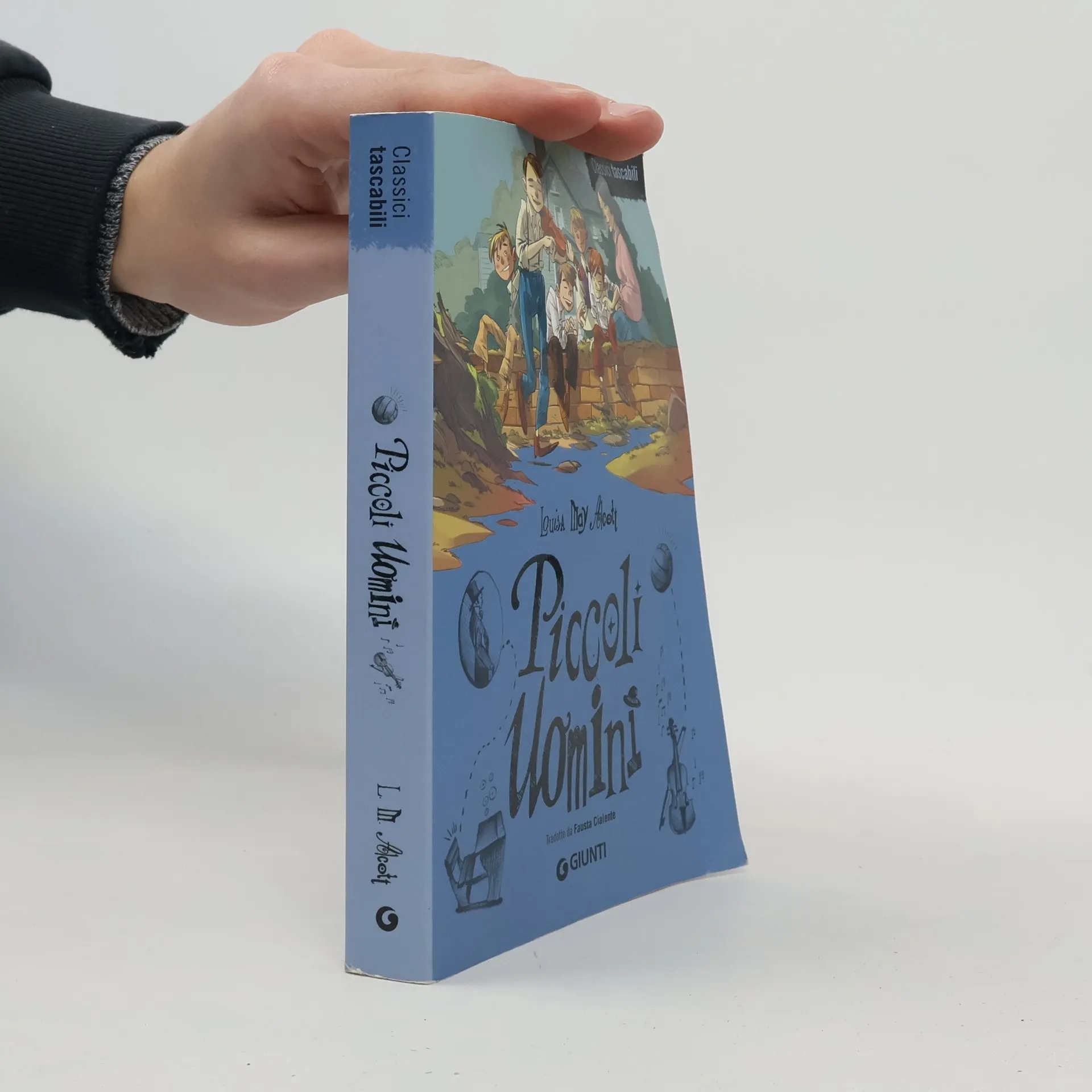
Classici tascabili: Piccoli uomini
- 352 pages
- 13 hours of reading


Fausta Cialente was an Italian novelist, journalist, and political activist. Her early work explored bold themes, such as a lesbian relationship, which led to censorship from the Fascist regime. Cialente refused to compromise, and her books were not reprinted, though they did find an audience in French translation. Throughout her career, she actively opposed Fascism through her writings and radio broadcasts.

COLLECTABLE, COMPLETE AND UNABRIDGED QUALITY HARDCOVER EDITIONS OF THE WORLDS MOST POPULAR AND ENDURING STORIES
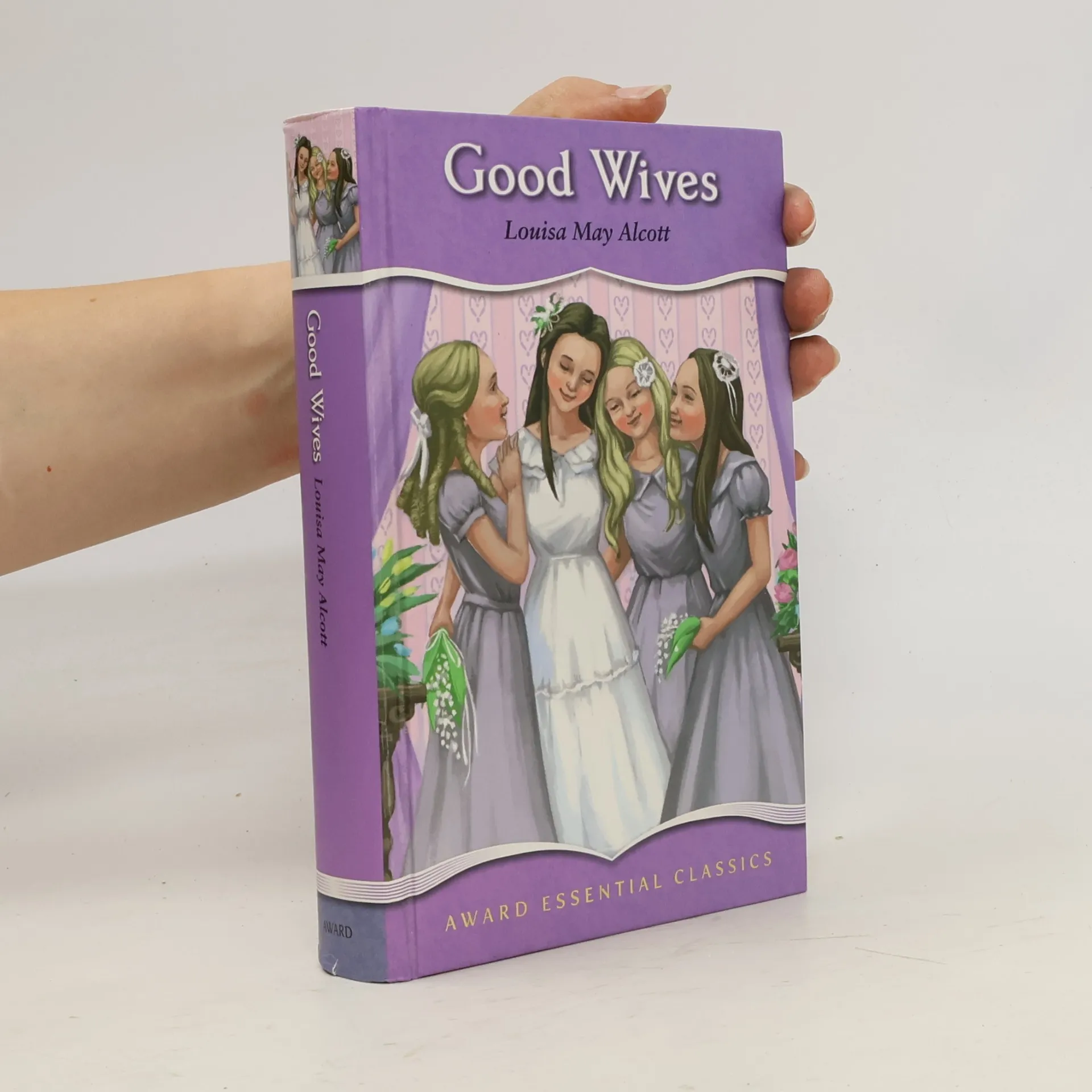
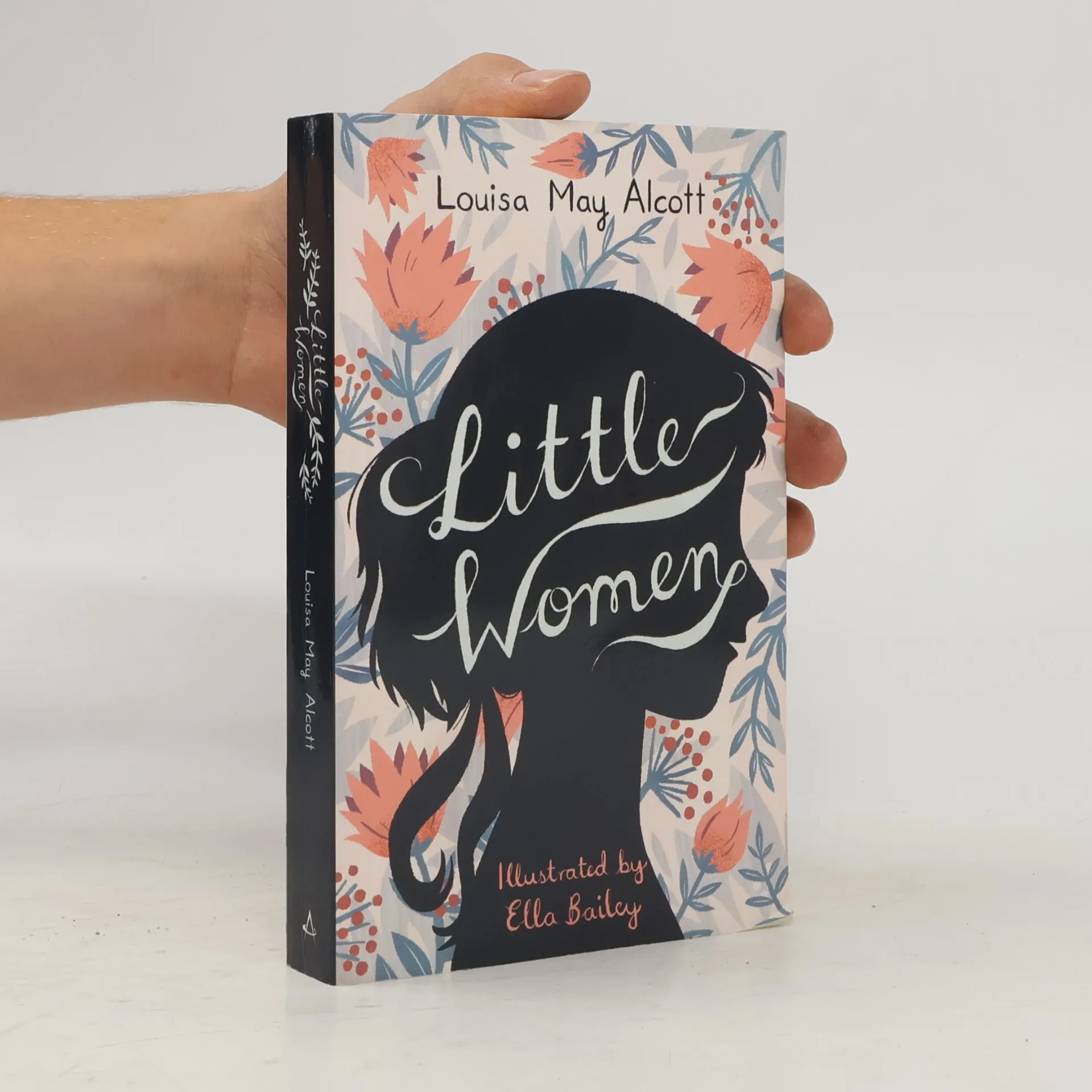
A book about growing up which has delighted generations of young readers. The illustrations by Ella Bailey are perfect for the modern audience. This edition includes extra material for young readers. The four March sisters – Meg, Jo, Beth and Amy – live in financial hardship in New England with their mother, while their father has been drafted to fight in the Civil War. The girls embark on a series of adventures and endure a number of unexpected misfortunes – experiences that allow their personalities to emerge: Meg sensible and outgoing, Jo literary and boyish, Beth musical and shy, and Amy artistic and selfish – but the bonds holding together the March family remain unbroken. Initially written as a novel for girls, Little Women is now regarded as an all-time American classic for all readers, inspiring generations of women writers and giving rise to many adaptations.
To read a story by Henry James is to enter a world - a rich, perfectly crafted domain of vivid language and splendid, complex characters. In this classic novella, a young governess who goes to an isolated English estate to take charge of two precocious children gradually realizes that her young charges are under the evil influence of the ghosts of the family's ex-steward and former governess.
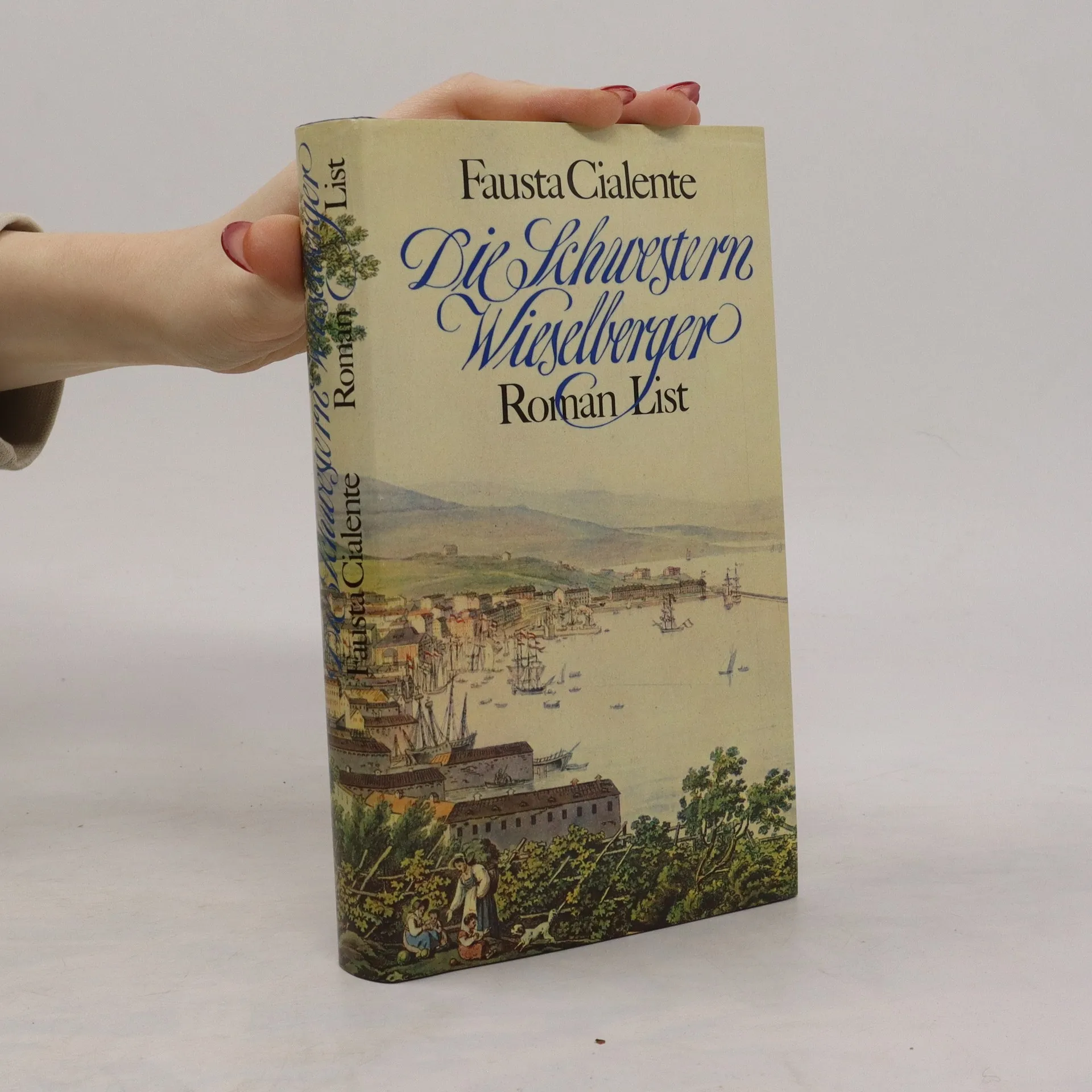
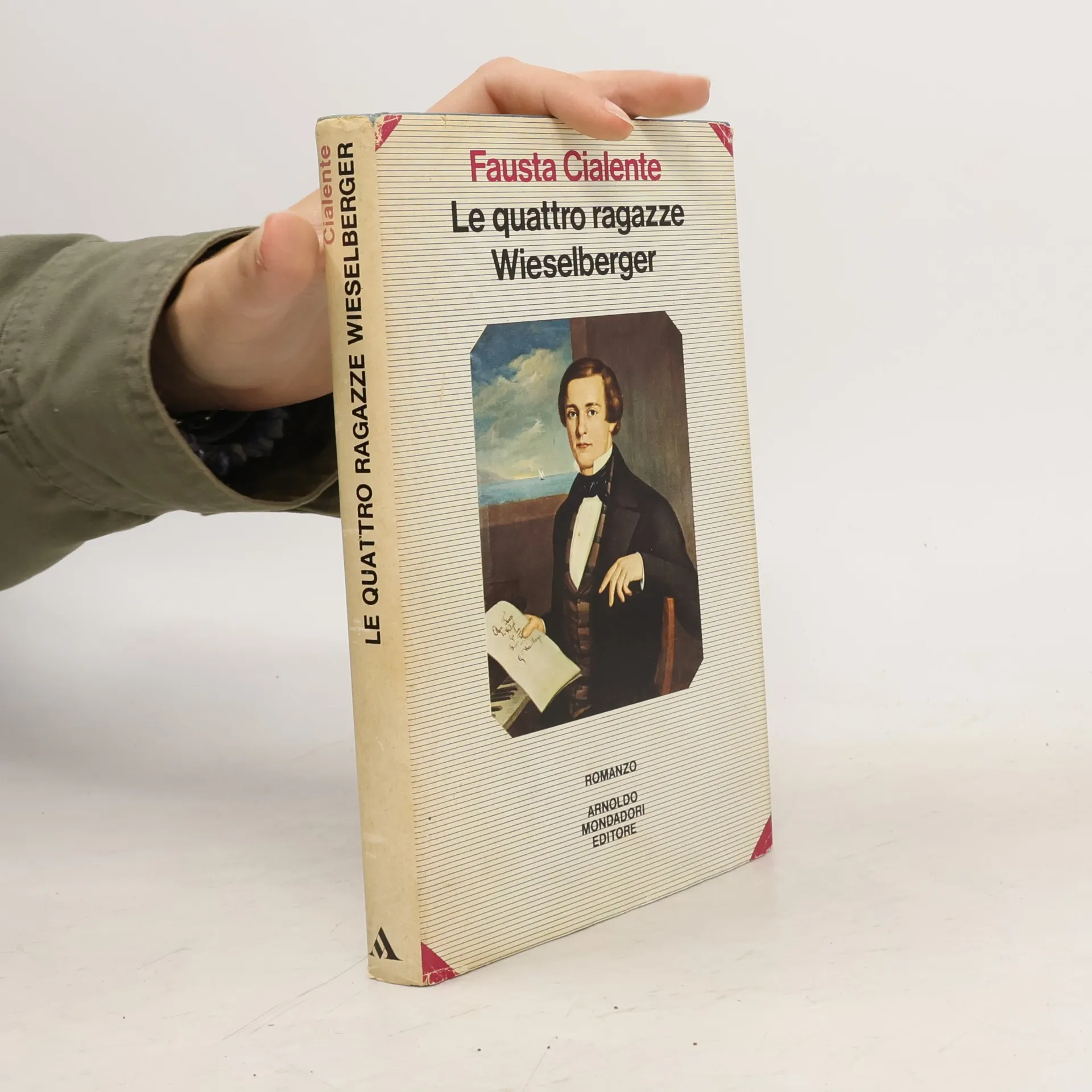
In einem bezaubernden Triest Ende des 19. Jahrhunderts, belebt von der mitteleuropäischen Luft und dem Wind des Irredentismus, bewegen sich die vier Schwestern Wieselberger, anmutig und sich ihres tragischen Schicksals bewusst. Sie gehören zur besseren Gesellschaft: die Mutter ist eine ruhige Dame, die sich zwischen der Stadtwohnung, die nach Wachs und Sauberkeit duftet, und dem großen Landhaus mit Garten, Gemüsebeet und Weinberg aufteilt; der Vater ist ein geschätzter Musiker, der sowohl die Familie als auch das Orchester der "dilettanti filarmonici" mit liebevoller Autorität leitet. Indem sie ihre Geschichte erzählt, die auch die ihrer weitverzweigten Familie ist, schildert Fausta Cialente ein halbes Jahrhundert Geschichte. Durch die Verbindung von Erinnerung und Fantasie und das Erfassen der expliziten und verborgenen Zusammenhänge zwischen Privatleben und Öffentlichkeit, zwischen Individuum und Geschichte, bringt „Die vier Schwestern Wieselberger“, Gewinner des Premio Strega 1976, die menschliche und expressive Reife der schriftstellerischen Tätigkeit von Cialente, die sich über vierzig Jahre erstreckt, zur vollendeten Entfaltung und verwirklicht den geheimsten und wahrhaftigsten Sinn ihrer künstlerischen Berufung.
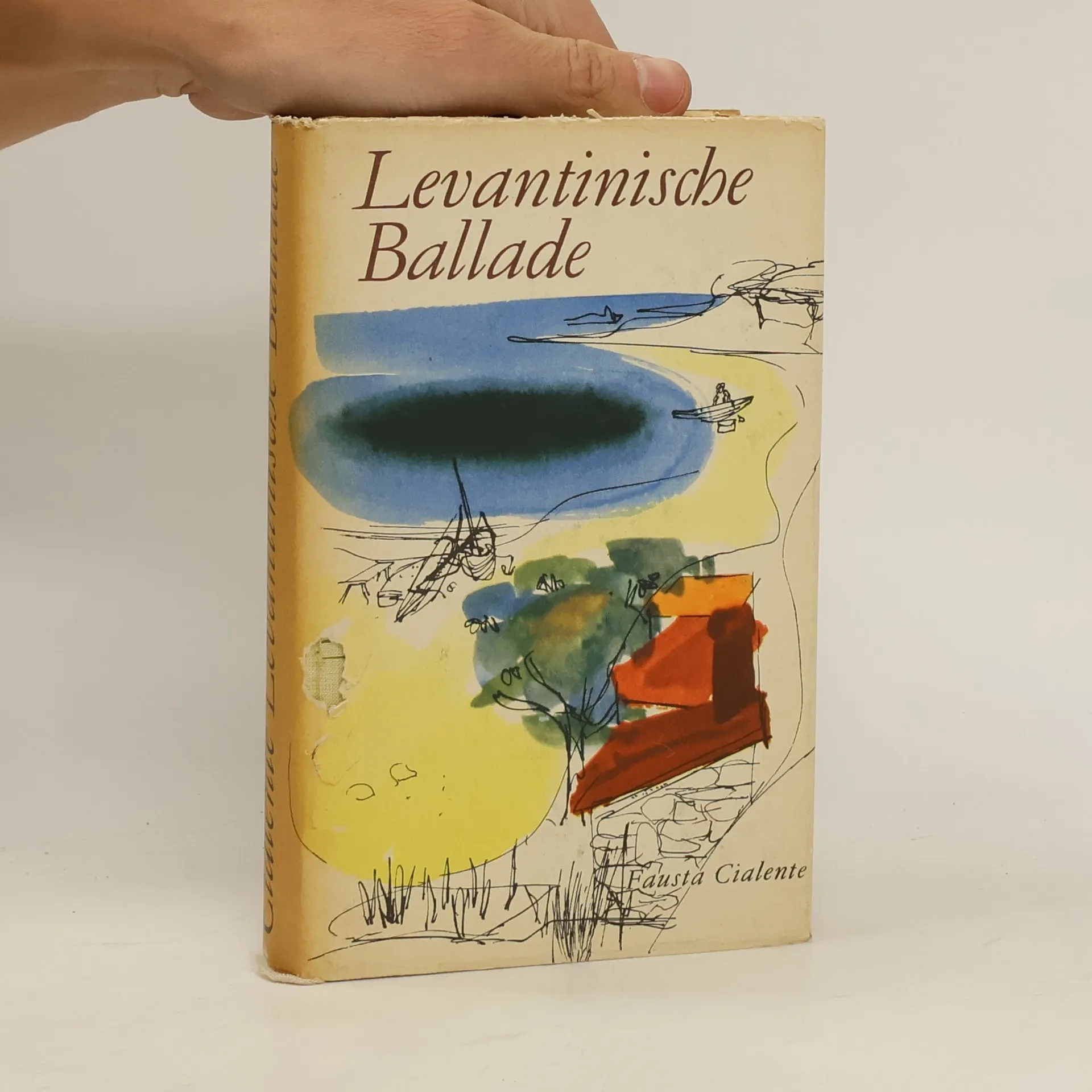
Apparso per la prima volta nel 1936 e poi ripubblicato nel 1953, questo romanzo racconta la decadenza di un ambiente esotico nella cosmopolita e levantina Alessandria d'Egitto prima di Nasser, dove i personaggi sembrano vivere al contempo in una polveriera e in un acquario, ma sempre ai margini della storia. Fausta Cialente è considerata da alcuni studiosi una delle maggiori scrittrici italiane del secondo Novecento.