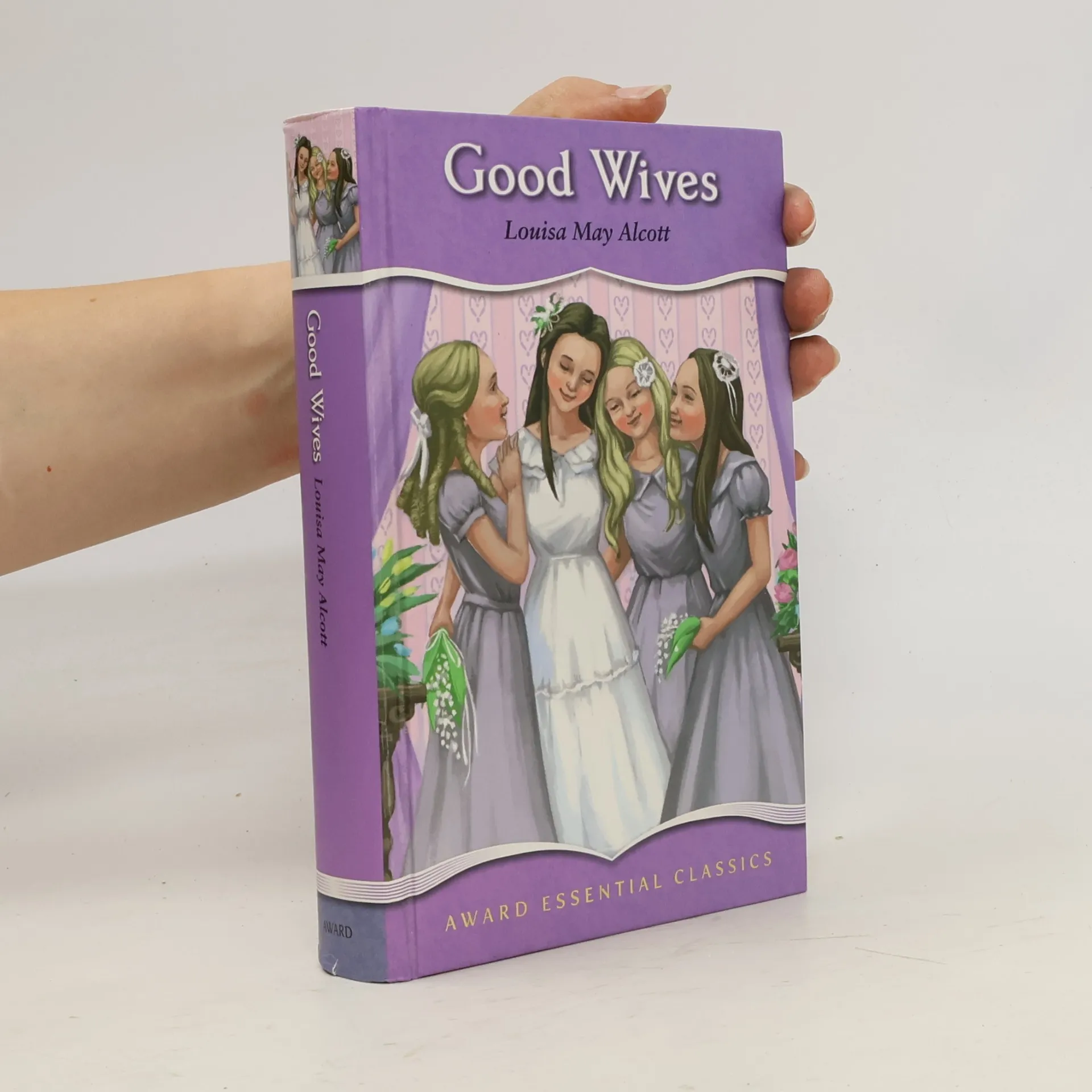

Chronicles the joys and sorrows of the four March sisters as they grow into young women in nineteenth-century New England.
Fausta Cialente Books
Fausta Cialente was an Italian novelist, journalist, and political activist. Her early work explored bold themes, such as a lesbian relationship, which led to censorship from the Fascist regime. Cialente refused to compromise, and her books were not reprinted, though they did find an audience in French translation. Throughout her career, she actively opposed Fascism through her writings and radio broadcasts.


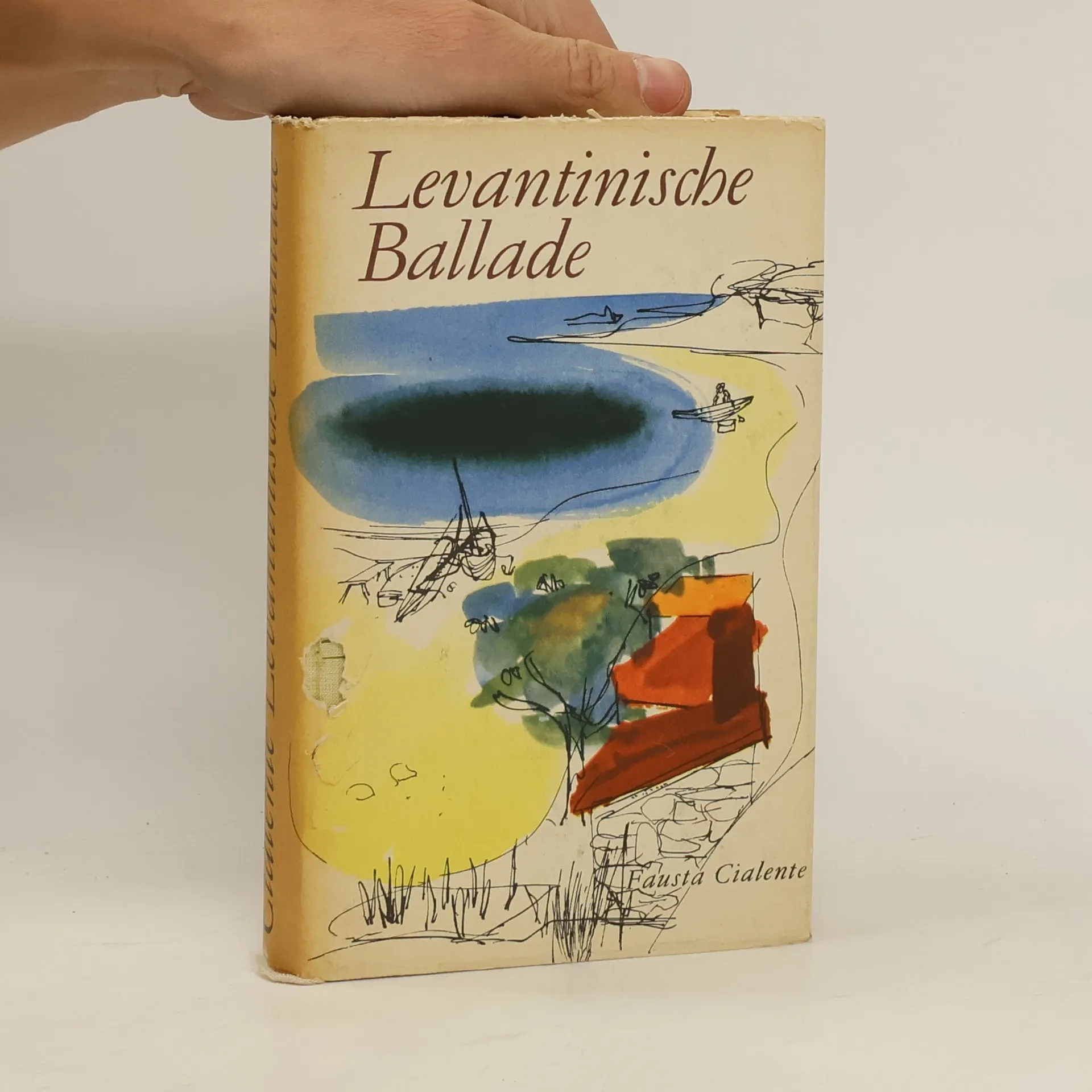
Apparso per la prima volta nel 1936 e poi ripubblicato nel 1953, questo romanzo racconta la decadenza di un ambiente esotico nella cosmopolita e levantina Alessandria d'Egitto prima di Nasser, dove i personaggi sembrano vivere al contempo in una polveriera e in un acquario, ma sempre ai margini della storia. Fausta Cialente è considerata da alcuni studiosi una delle maggiori scrittrici italiane del secondo Novecento.
The story starts conventionally enough with friends sharing ghost stories 'round the fire on Christmas Eve. One of the guests tells about a governess at a country house plagued by supernatural visitors. But in the hands of Henry James, the master of nuance, this little tale of terror is an exquisite gem of sexual and psychological ambiguity. Only the young governess can see the ghosts; only she suspects that the previous governess and her lover are controlling the two orphaned children (a girl and a boy) for some evil purpose. The household staff don't know what she's talking about, the children are evasive when questioned, and the master of the house (the children's uncle) is absent. Why does the young girl claim not to see a perfectly visible woman standing on the far side of the lake? Are the children being deceptive, or is the governess being paranoid? By leaving the questions unanswered, The Turn of Screw generates spine-tingling anxiety in its mesmerized readers.
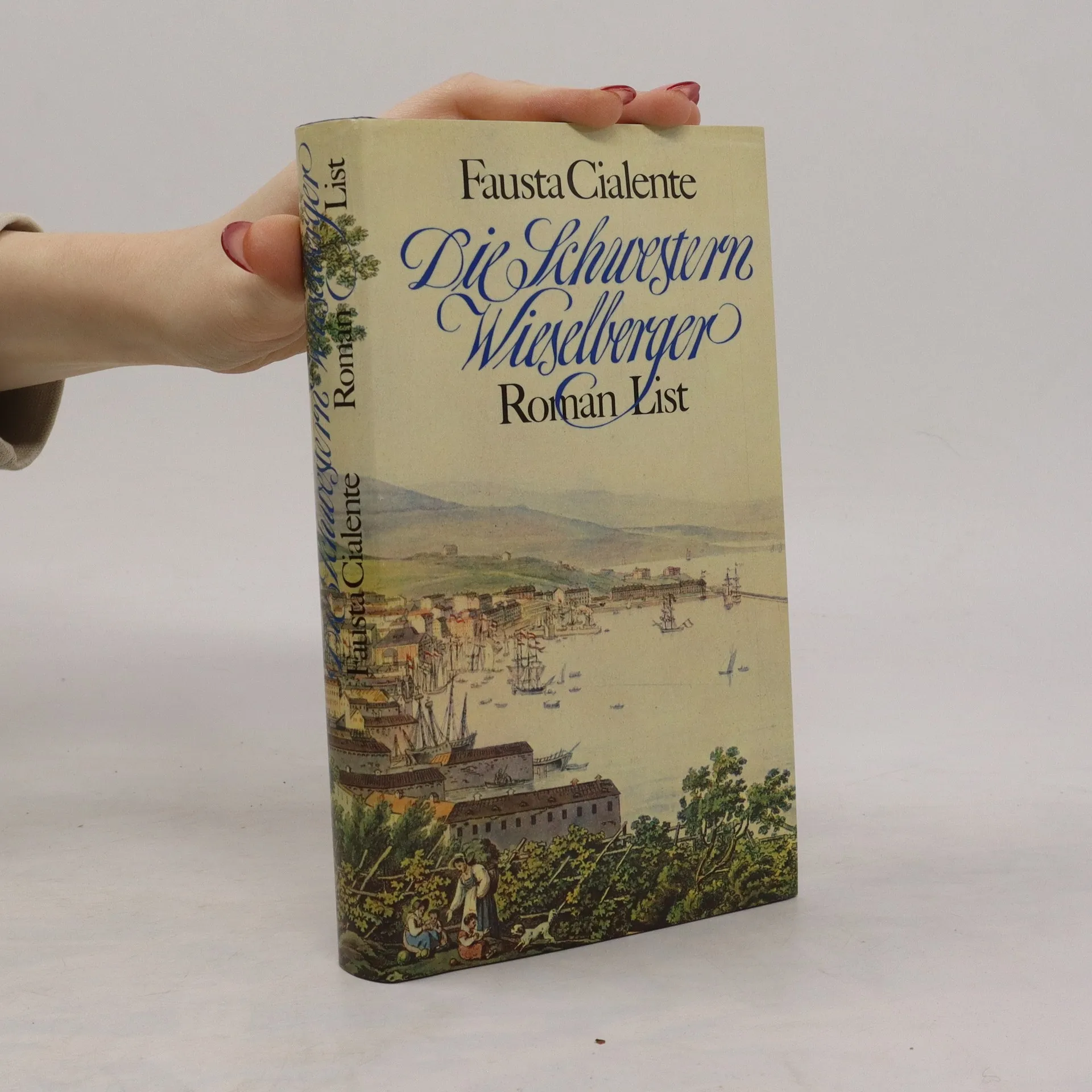
Die Schwestern Wieselberger
- 239 pages
- 9 hours of reading
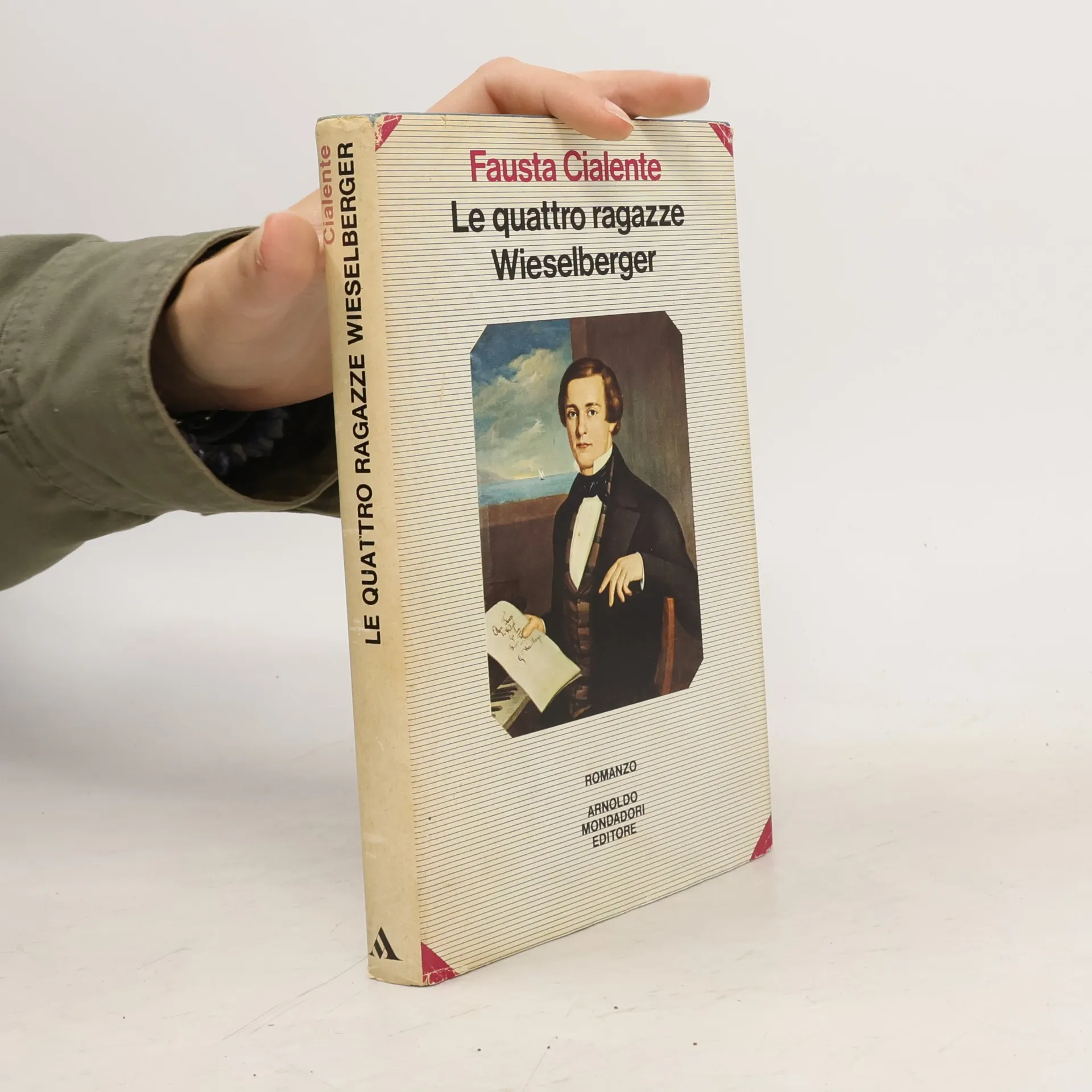
In einem bezaubernden Triest Ende des 19. Jahrhunderts, belebt von der mitteleuropäischen Luft und dem Wind des Irredentismus, bewegen sich die vier Schwestern Wieselberger, anmutig und sich ihres tragischen Schicksals bewusst. Sie gehören zur besseren Gesellschaft: die Mutter ist eine ruhige Dame, die sich zwischen der Stadtwohnung, die nach Wachs und Sauberkeit duftet, und dem großen Landhaus mit Garten, Gemüsebeet und Weinberg aufteilt; der Vater ist ein geschätzter Musiker, der sowohl die Familie als auch das Orchester der "dilettanti filarmonici" mit liebevoller Autorität leitet. Indem sie ihre Geschichte erzählt, die auch die ihrer weitverzweigten Familie ist, schildert Fausta Cialente ein halbes Jahrhundert Geschichte. Durch die Verbindung von Erinnerung und Fantasie und das Erfassen der expliziten und verborgenen Zusammenhänge zwischen Privatleben und Öffentlichkeit, zwischen Individuum und Geschichte, bringt „Die vier Schwestern Wieselberger“, Gewinner des Premio Strega 1976, die menschliche und expressive Reife der schriftstellerischen Tätigkeit von Cialente, die sich über vierzig Jahre erstreckt, zur vollendeten Entfaltung und verwirklicht den geheimsten und wahrhaftigsten Sinn ihrer künstlerischen Berufung.
Scrittori tradotti da scrittori - 2: Giro di vite
- 175 pages
- 7 hours of reading
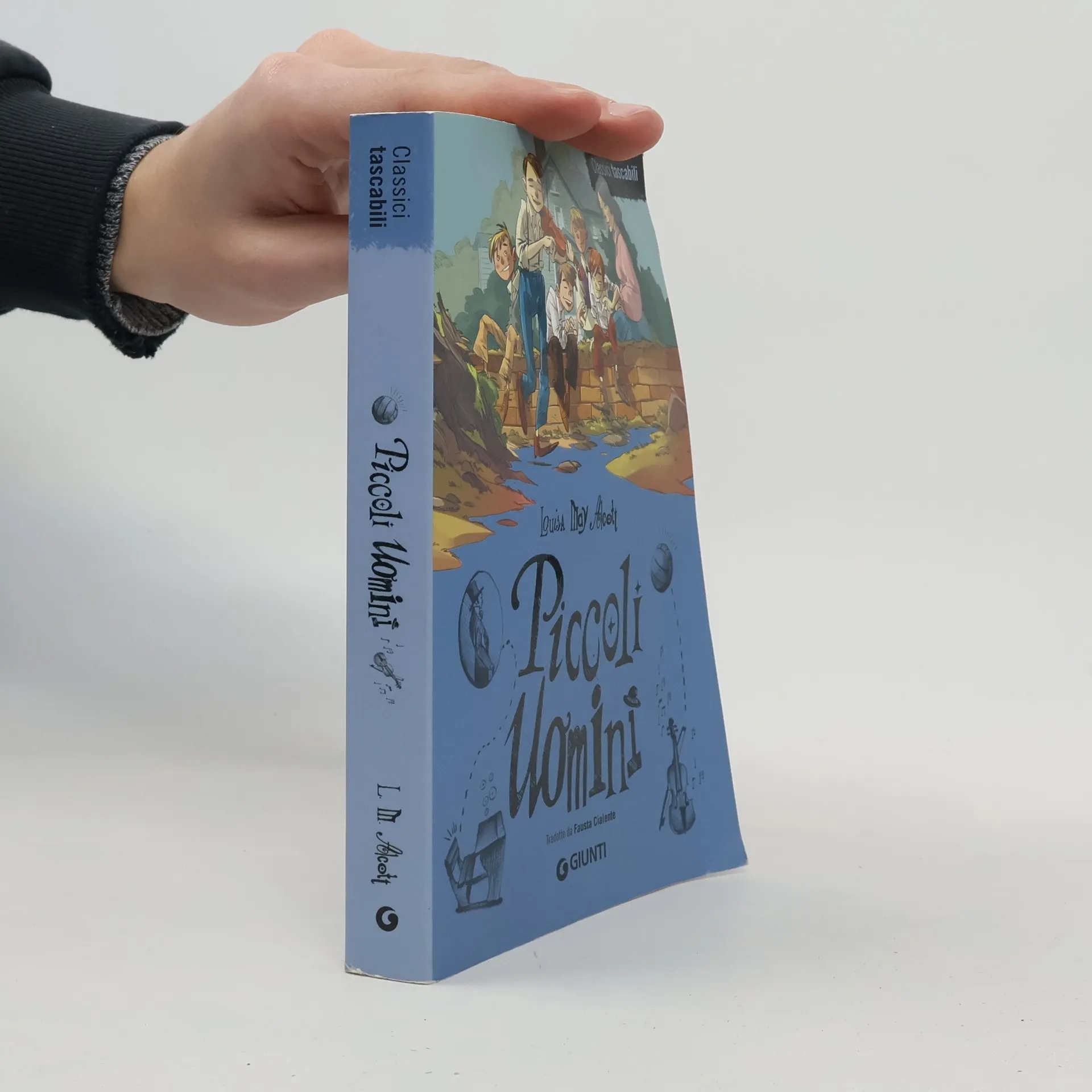
Classici tascabili: Piccoli uomini
- 352 pages
- 13 hours of reading