

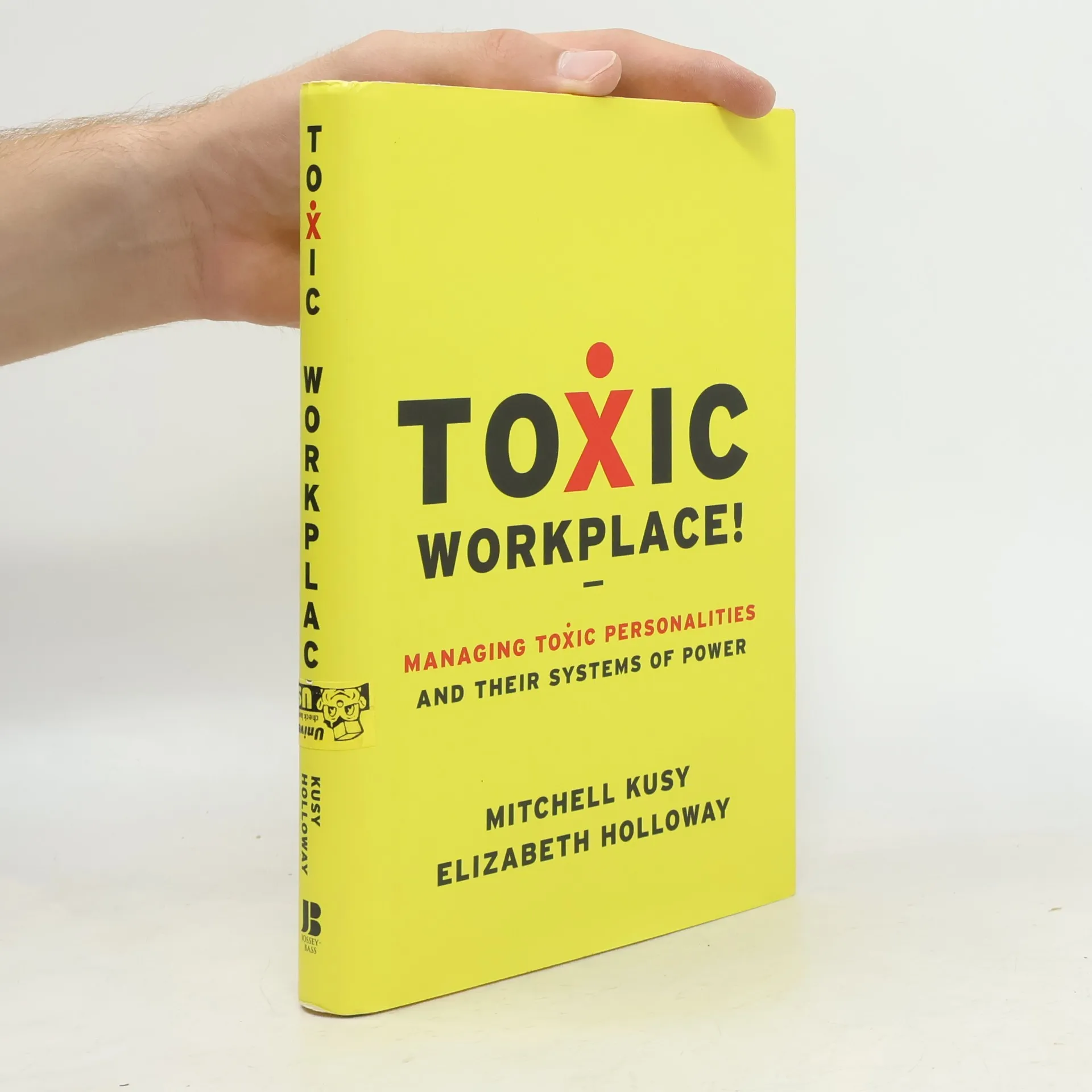
“This person’s departure is an annual holiday!” This quote from Kusy and Holloway’s research on toxic personalities captures the frustration of dealing with difficult individuals in the workplace. Just one toxic person can cripple individuals, teams, and organizations. This book is the first to address the systemic issues that allow a toxic individual to wreak havoc, affecting others' well-being and productivity. Drawing on new research involving over 400 leaders, including many from Fortune 500 companies, it provides strategies for managing toxic behaviors, establishing norms to prevent toxic environments, and fostering respectful organizational communities. The authors identify warning signs of serious behavioral issues and explain how toxicity can permeate systems, impacting organizational climate long after the individual has left. Their two-year research study outlines specific actions leaders can take to mitigate the effects of toxic personalities. This book offers a unique menu of options from a systems perspective, emphasizing practical relevance in real-world situations. Readers will learn to recognize toxic personalities and understand ineffective leader responses. With research-based strategies applicable at individual, team, and organizational levels, this work offers fresh insights into leadership, organizational culture, and team dynamics in the presence of toxic individuals.
Mitchell Kusy Book order (chronological)
This author focuses on cultivating environments of respectful engagement and addressing the impact of toxic employees. His work bridges organizational development with practical strategies designed to enhance individual, team, and organizational performance. He emphasizes the financial and emotional costs that can arise from negative workplace cultures, offering guidance on how to effectively offset these challenges. His approach is grounded in extensive experience in consulting and leading organizational change.
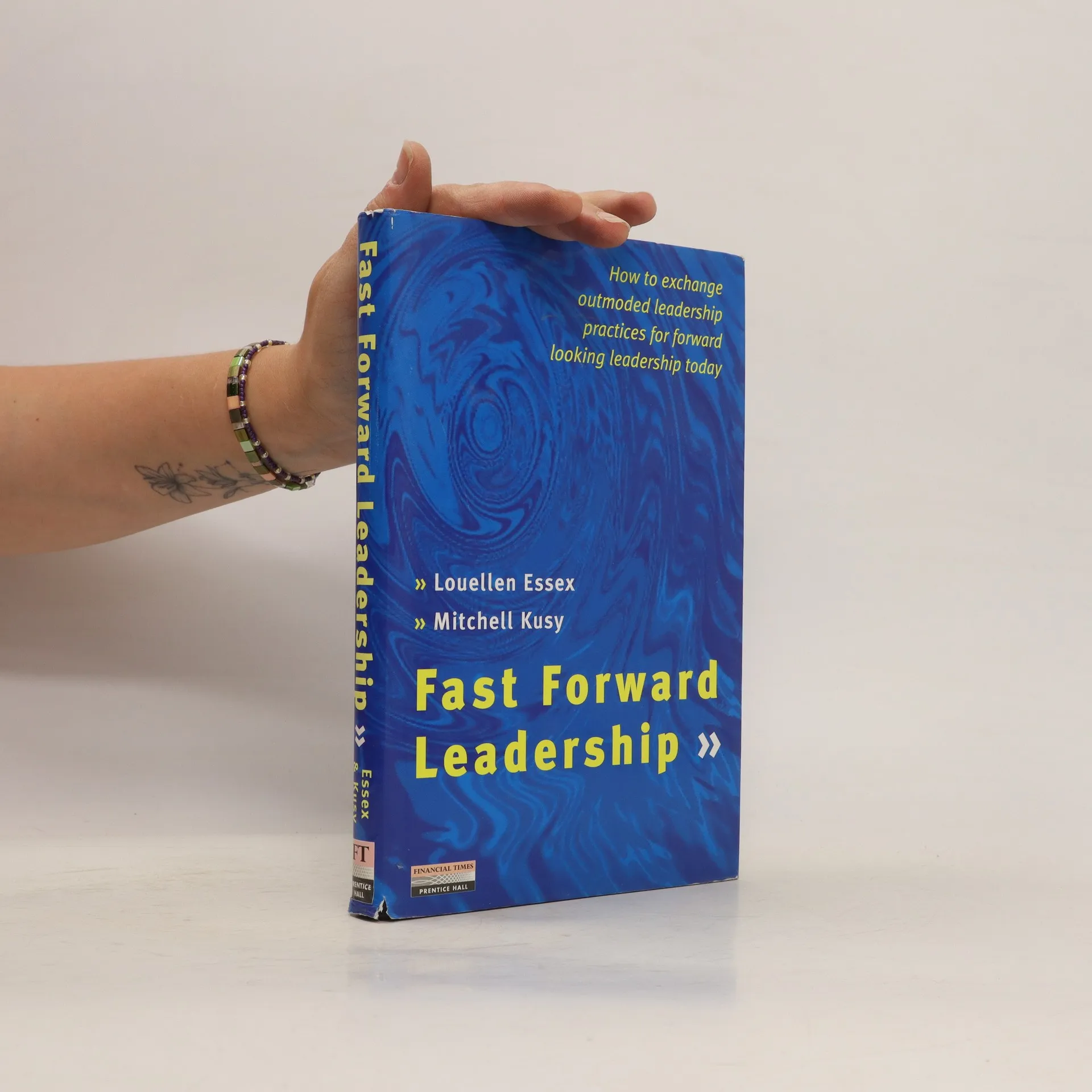
Fast Forward Leadership
- 208 pages
- 8 hours of reading
Helps leaders discover exactly what they need and their organizations must stop doing, as well as start doing, to increase organizational effectiveness.