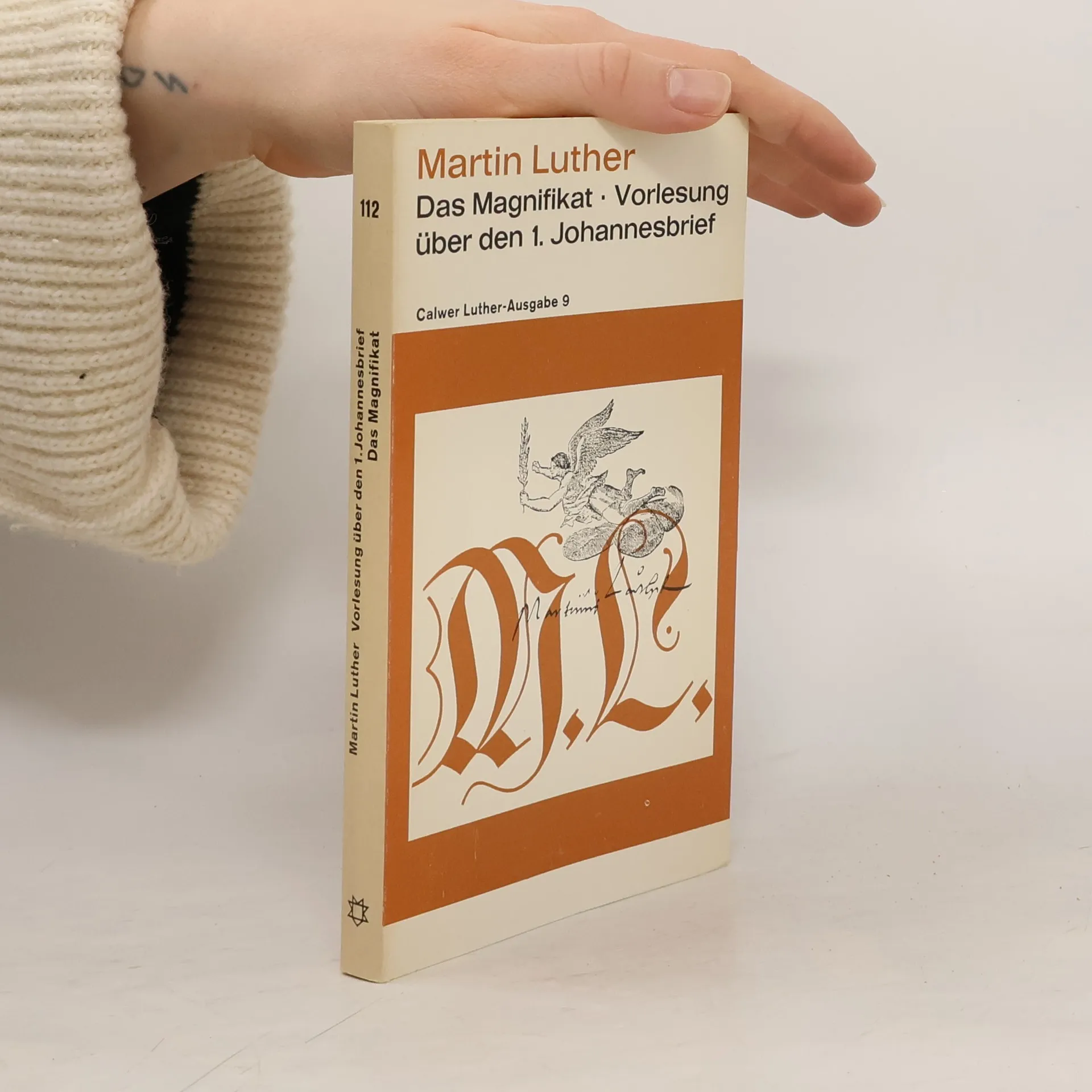
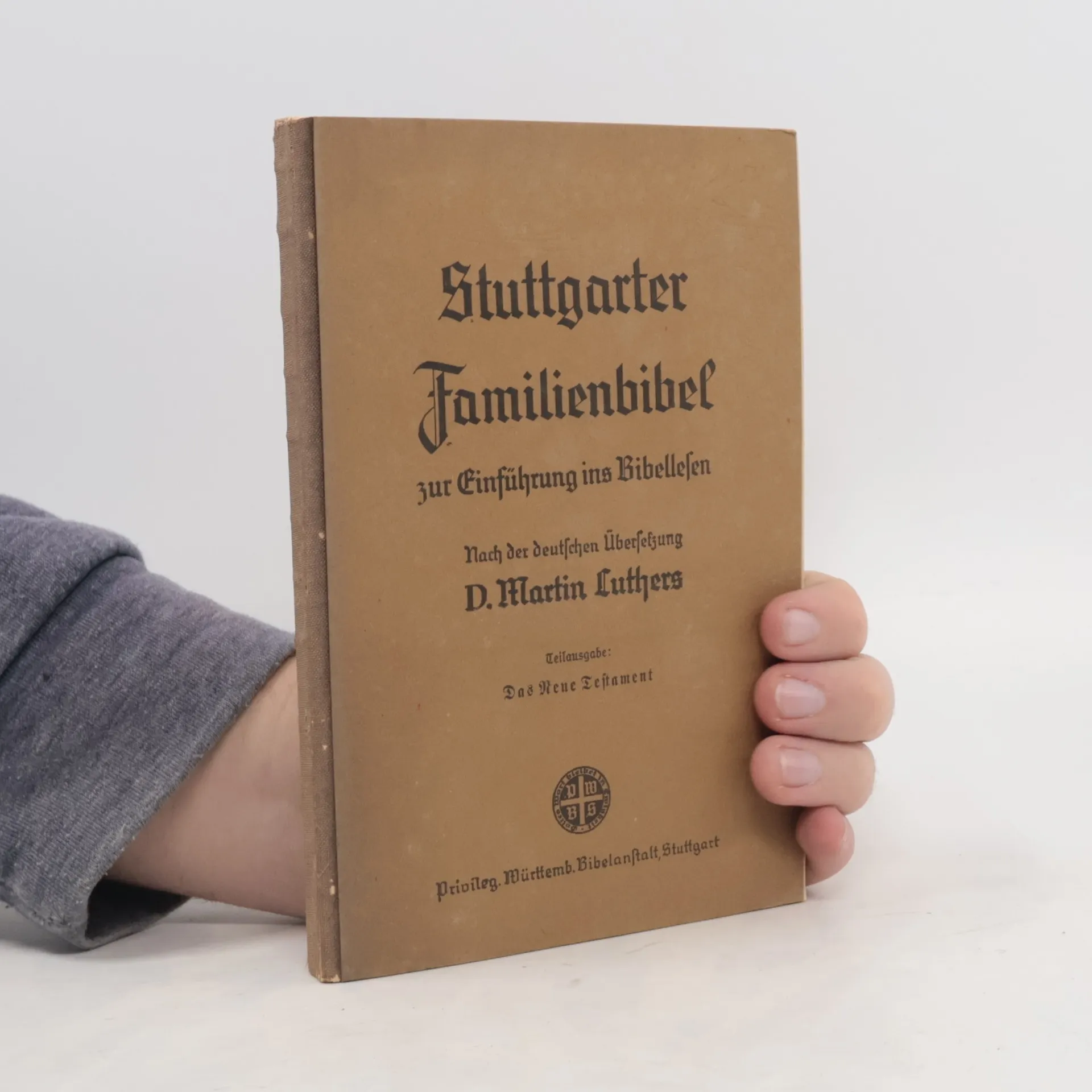
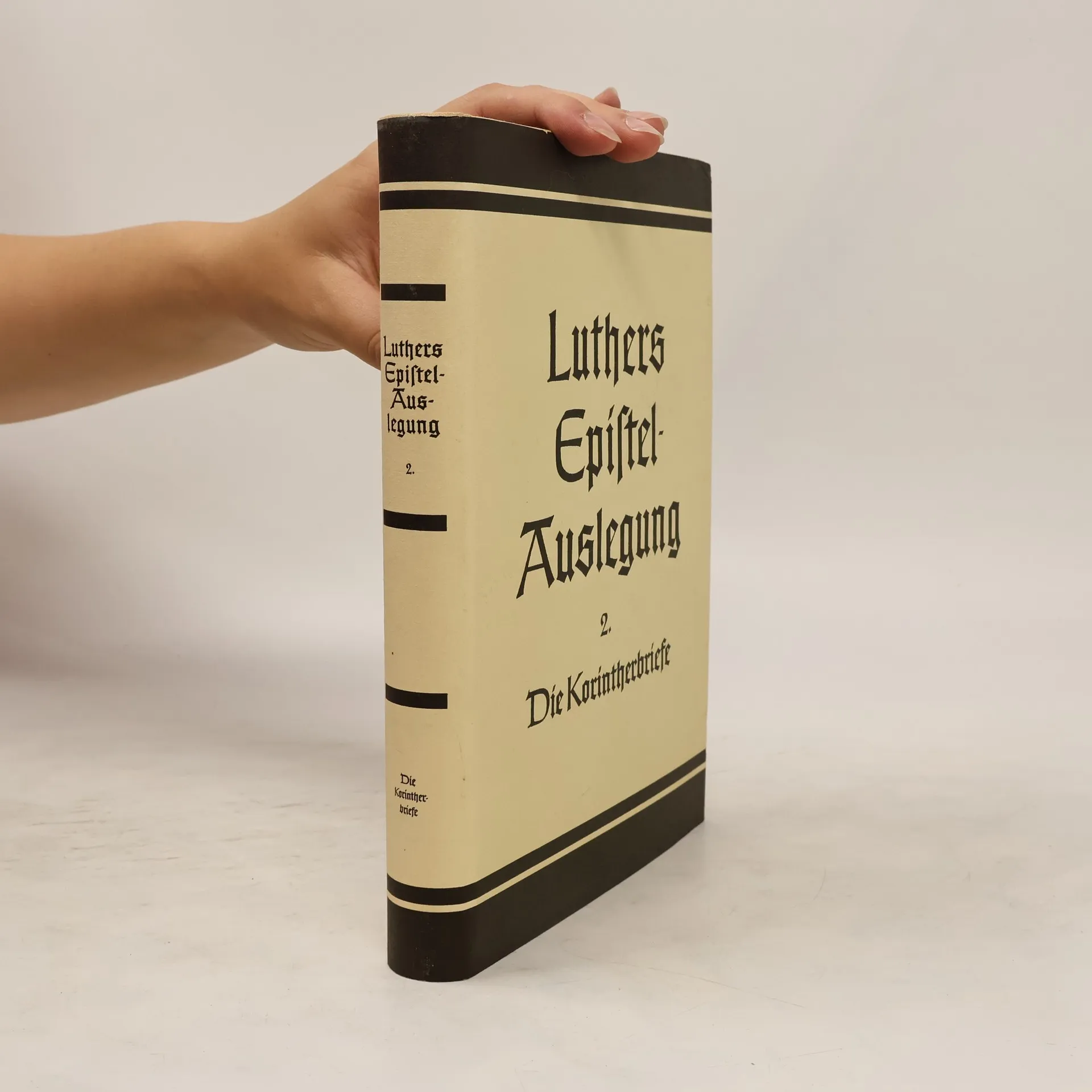
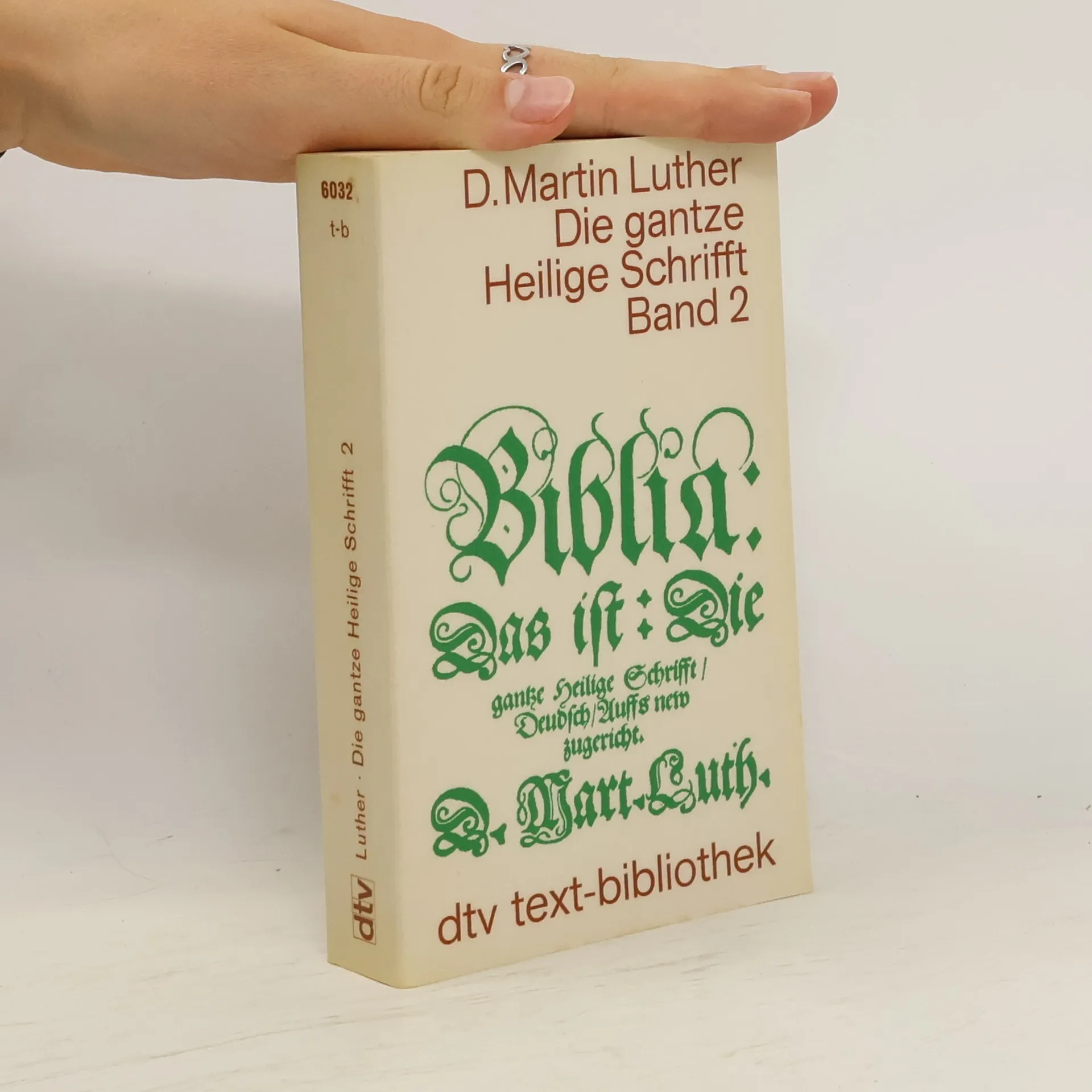
Martin Luther was a German monk and theologian whose writings and reformist ideas profoundly influenced Western civilization. His theology challenged papal authority, asserting the Bible as the sole infallible source of religious truth and all baptized Christians as a spiritual priesthood. Luther believed salvation was a free gift from God, received through repentance and faith in Jesus, unmediated by the church. His translation of the Bible into German made scripture accessible to common people, significantly impacting the German language and culture, as well as inspiring congregational singing and the practice of clerical marriage. His controversial views on certain groups contribute to a complex legacy.
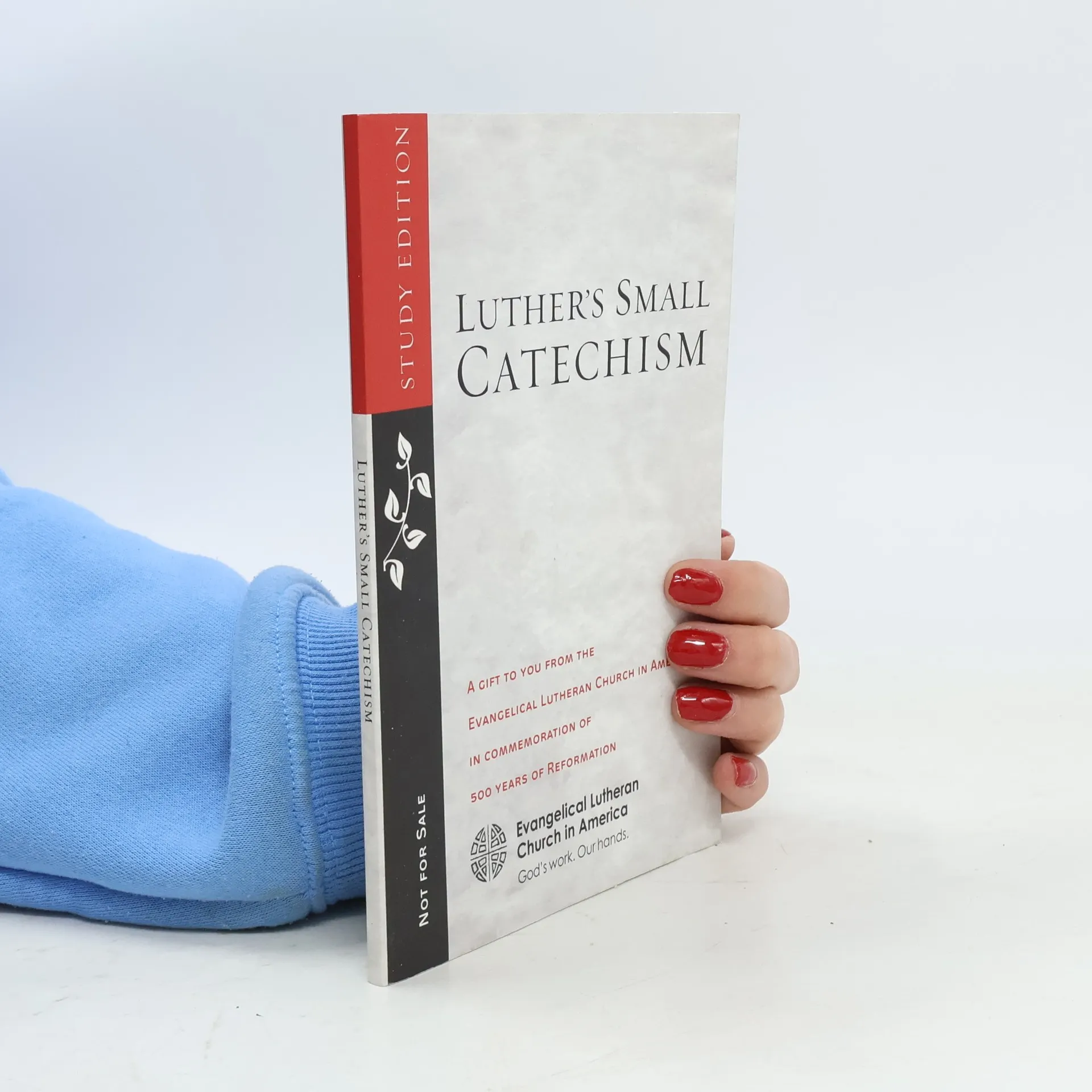
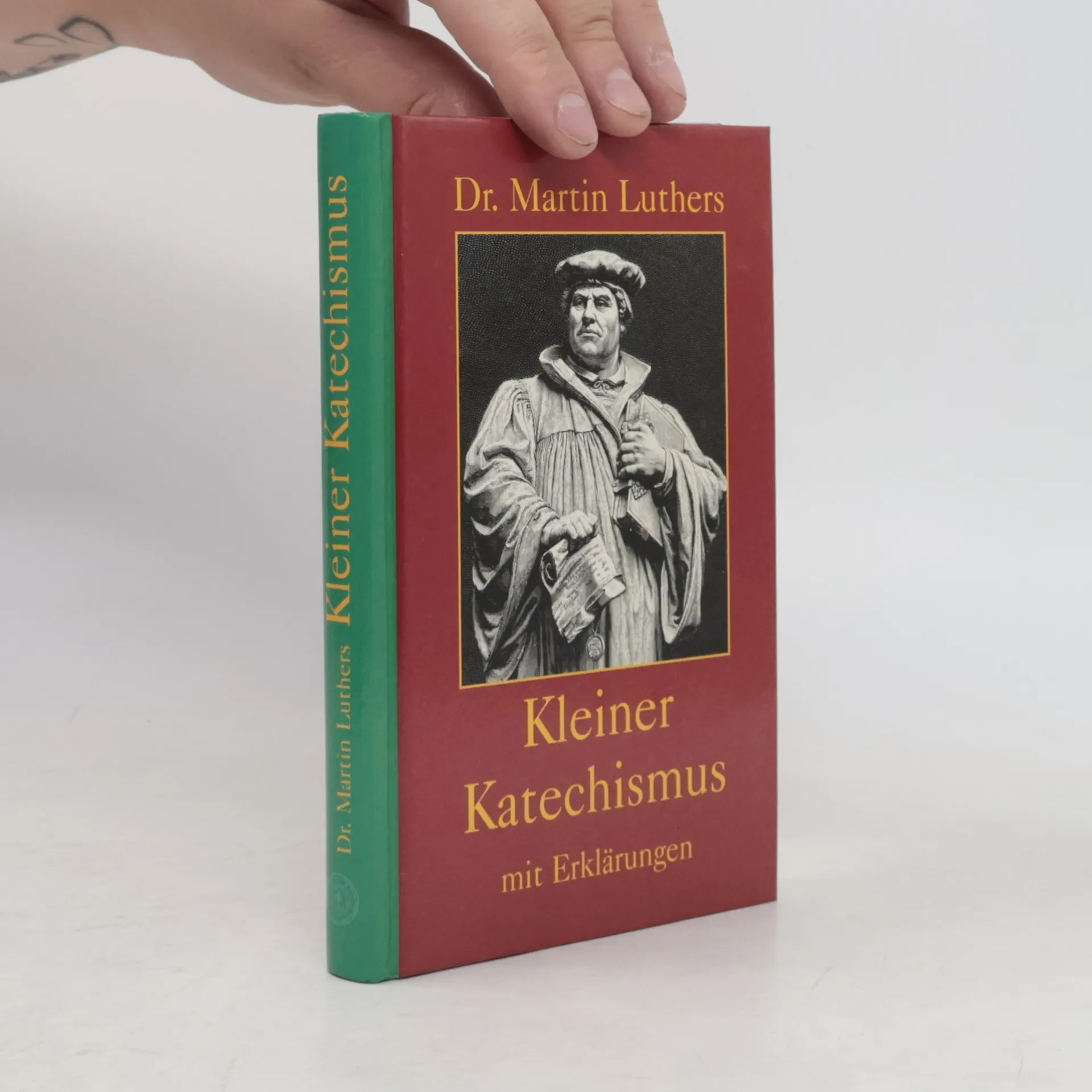
Martin Luther wrote the catechism as a teaching tool of Christian doctrine and faith for individuals and families. It is a powerful tool for the Christian life because of its brief, clear summary of God's Word on the essentials of the Christian faith.
This annotated edition of "Commentary on Galatians" offers insights into Martin Luther's life, including his peasant roots, education, and pivotal role in the Protestant Reformation. It explores his interpretation of Paul's epistle on justification, emphasizing grace and faith. The edition includes an introduction by Theodore Graebner and additional appendices.
A translation of Luther’s explanations along with other catechetical study helps, such as prayers, worship rites, and Luther’s introduction. NRSV and Evangelical Lutheran Worship texts are used for the wording of the Ten Commandments, Lord’s Prayer, Apostles’ Creed, and the included worship rites. The Anniversary Study Edition includes a letter from Presiding Bishop Elizabeth Eaton, a revised introduction by Timothy Wengert, and features new illustrations by Roman Catholic artist Gertrud Mueller Nelson.
The collection features lively and candid dialogues that reveal Martin Luther's theological insights, personal reflections, and humor, offering a unique glimpse into the mind of a pivotal figure in the 16th-century Reformation. Through these conversations, readers explore the complexities of faith and the socio-religious landscape of the time, making it a captivating exploration of Luther's influence on Christianity.
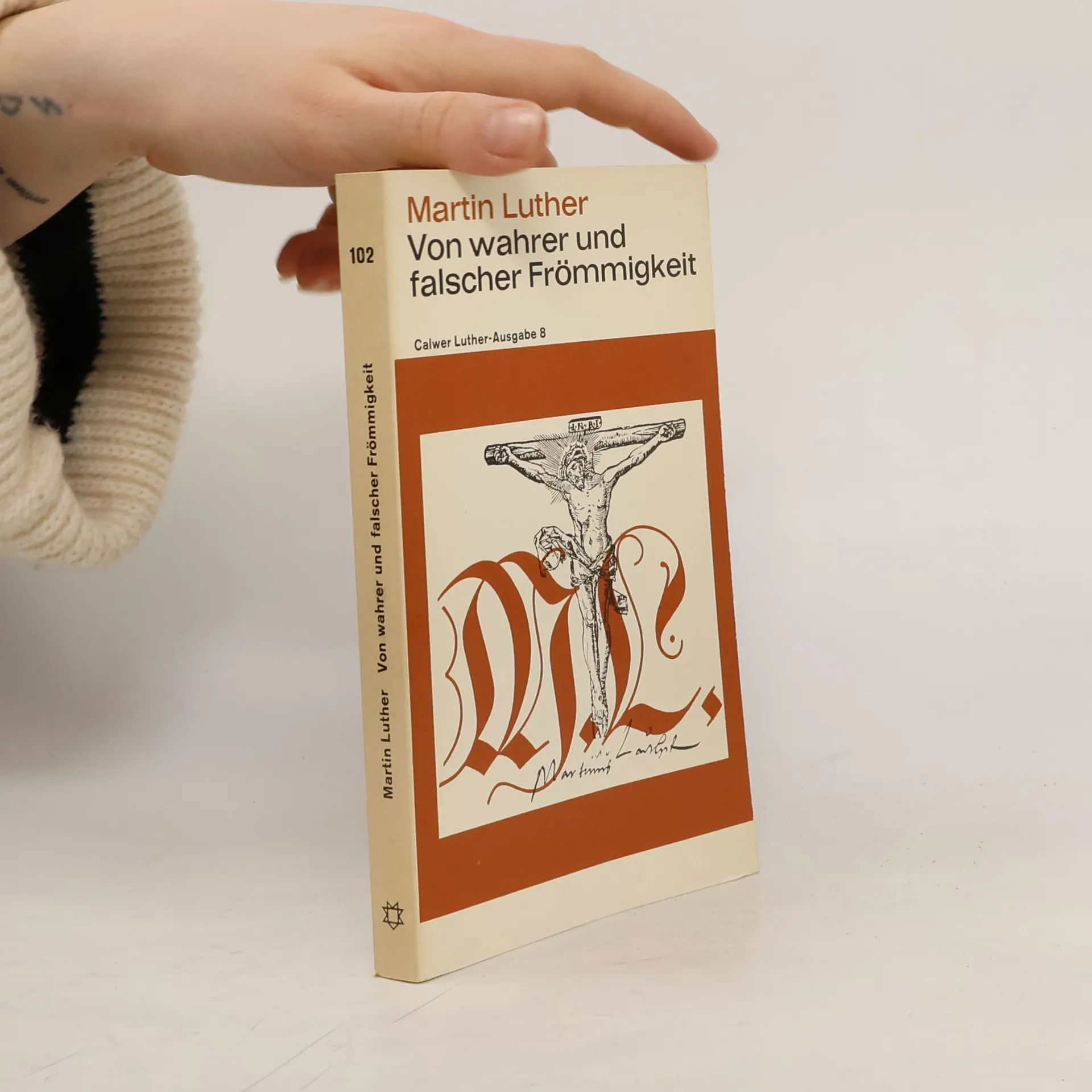
The essay delves into the essence of the Protestant Reformation, presenting Martin Luther's theological insights on faith, freedom, and good works. Central to his argument is the belief that true Christian freedom stems from faith in Christ, which justifies believers and liberates them from sin and the law. Luther emphasizes that salvation is a divine gift obtained through faith, not through human efforts. He explores the dual nature of Christians as both free rulers and devoted servants, urging them to express their faith through love for others rather than mere rituals.
Exploring the principles of the Protestant Reformation, this work emphasizes the relationship between faith and good deeds, arguing that true redemption comes from trust in God's mercy rather than through actions. Luther critiques the belief that salvation can be earned, asserting that genuine righteousness stems from faith in Christ. He advocates for a life rooted in faith and love, where good works are a natural expression of a transformed heart, rather than a means to gain favor or salvation. This modern edition is designed for accessibility and engagement.
Based on Machiavelli's own first-hand experience as an emissary of the Florentine Republic to the courts of Europe, 'The Prince' analyses the usually violent ways by which men seize, retain and lose political power.
or the Familiar Discourses of Dr. Martin Luther at His Table
342 pages
12 hours of reading
The book offers a vibrant collection of Martin Luther's informal discussions on a multitude of topics, including theology, Scripture, and civil matters. Known for its engaging and often humorous tone, the text provides insight into Luther's thoughts and daily life, showcasing his passionate drive for ecclesial reform. Originally published in 1566, much of the work was destroyed due to papal decree, with only one copy surviving until its secret translation into English in 1652. This new edition has been meticulously proofed for clarity and accuracy.
Focusing on accessibility, this book is a reproduction of a historical work presented in large print, catering specifically to individuals with impaired vision. The publishing house Megali is dedicated to enhancing the reading experience for those who may struggle with standard text sizes, ensuring that important historical narratives remain available to a wider audience.
The narrative presents Captain Henry Bell's declaration regarding his experiences abroad during significant state affairs under King James and King Charles. He recounts the widespread sorrow and lamentation he witnessed over the destruction of over eighty thousand copies of Martin Luther's influential works, "His Last Divine Discourses." This account highlights the cultural and historical impact of censorship and the loss of important theological literature during that period.
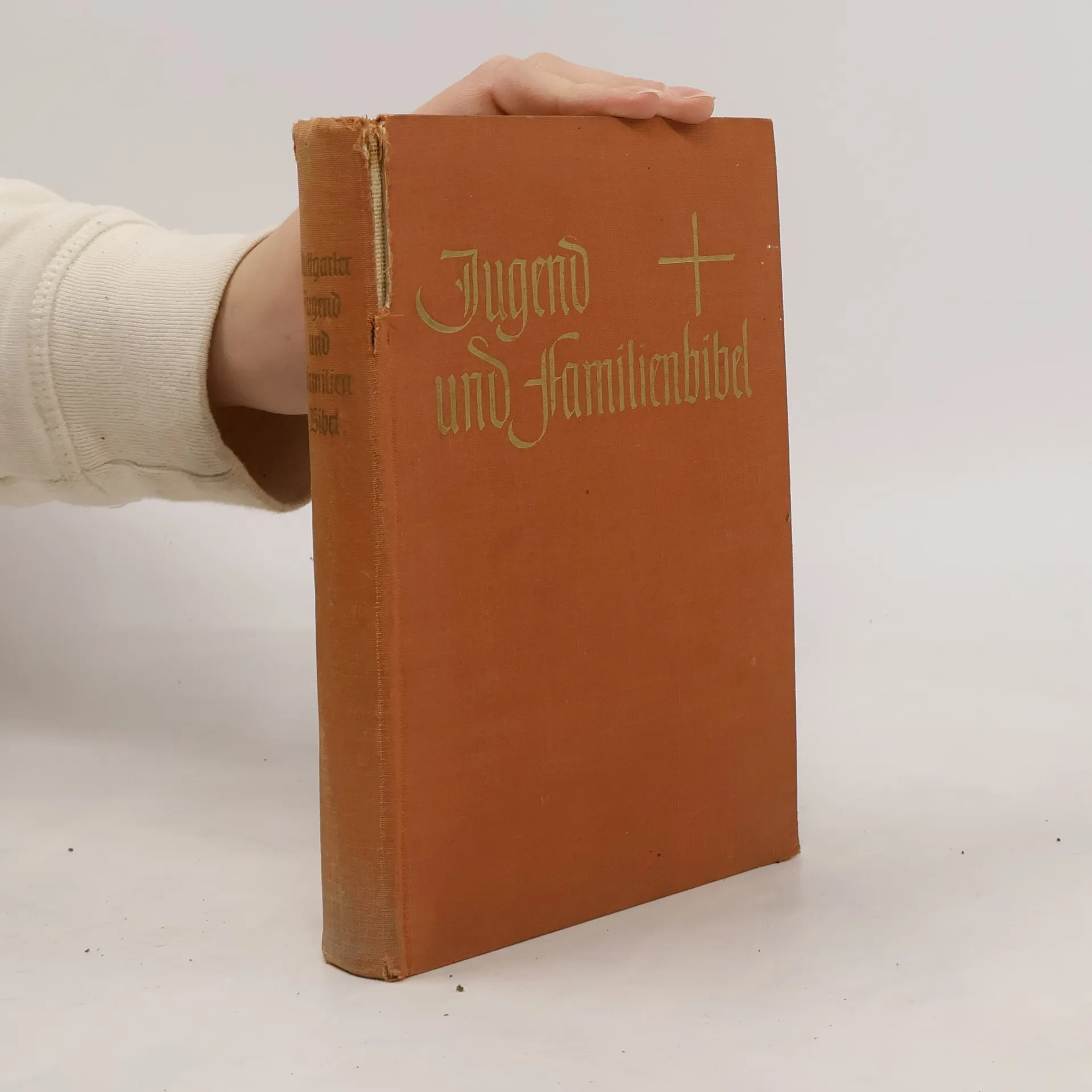
Die 'Lutherbibel' in der Fassung von 1912 war lange Zeit die amtliche Übersetzung zum Gebrauch im evangelischen Gottesdienst, und sie dient bis heute als maßgebliche Referenz für Bibel-Zitate. 1534 lag Martin Luthers Bibel-Übersetzung ins Deutsche erstmals vollständig vor, seither wurde sie sprachlich vielfach überarbeitet. Jenseits aller historischen oder modernisierten Ausgaben ist dies die ebenso verlässliche wie gut lesbare 'klassische' Fassung, hier präsentiert mit über 200 ganzseitigen Holzschnitten von Julius Schnorr von Carolsfeld.
Martin Luthers Veröffentlichung seiner 95 Thesen an der Schlosskirche in Wittenberg führte zu einem Umbruch in Europa, der sowohl Aufruhr als auch Hoffnung brachte. Seine Schriften prangern Missstände in Kirche und Staat an und fordern eine Reform des Glaubens, was tiefgreifende Einblicke in seine revolutionären Gedanken bietet.
Martin Luther: An den christlichen Adel deutscher Nation von des christlichen Standes Besserung Edition Holzinger. Taschenbuch Berliner Ausgabe, 2014, 3. Auflage Vollstandiger, durchgesehener Neusatz mit einer Biographie des Autors bearbeitet und eingerichtet von Michael Holzinger Erstdruck: Wittenberg (Melchior Lotther) 1520. Textgrundlage ist die Ausgabe: Martin Luther: Werke. Kritische Gesamtausgabe, 120 Bande, Weimar: H. Bohlaus Nachfolger, 1888 ff. Herausgeber der Reihe: Michael Holzinger Reihengestaltung: Viktor Harvion Umschlaggestaltung unter Verwendung des Bildes: Martin Luther (Gemalde von Lucas Cranach d.A., 1522) Gesetzt aus Minion Pro, 10 pt.
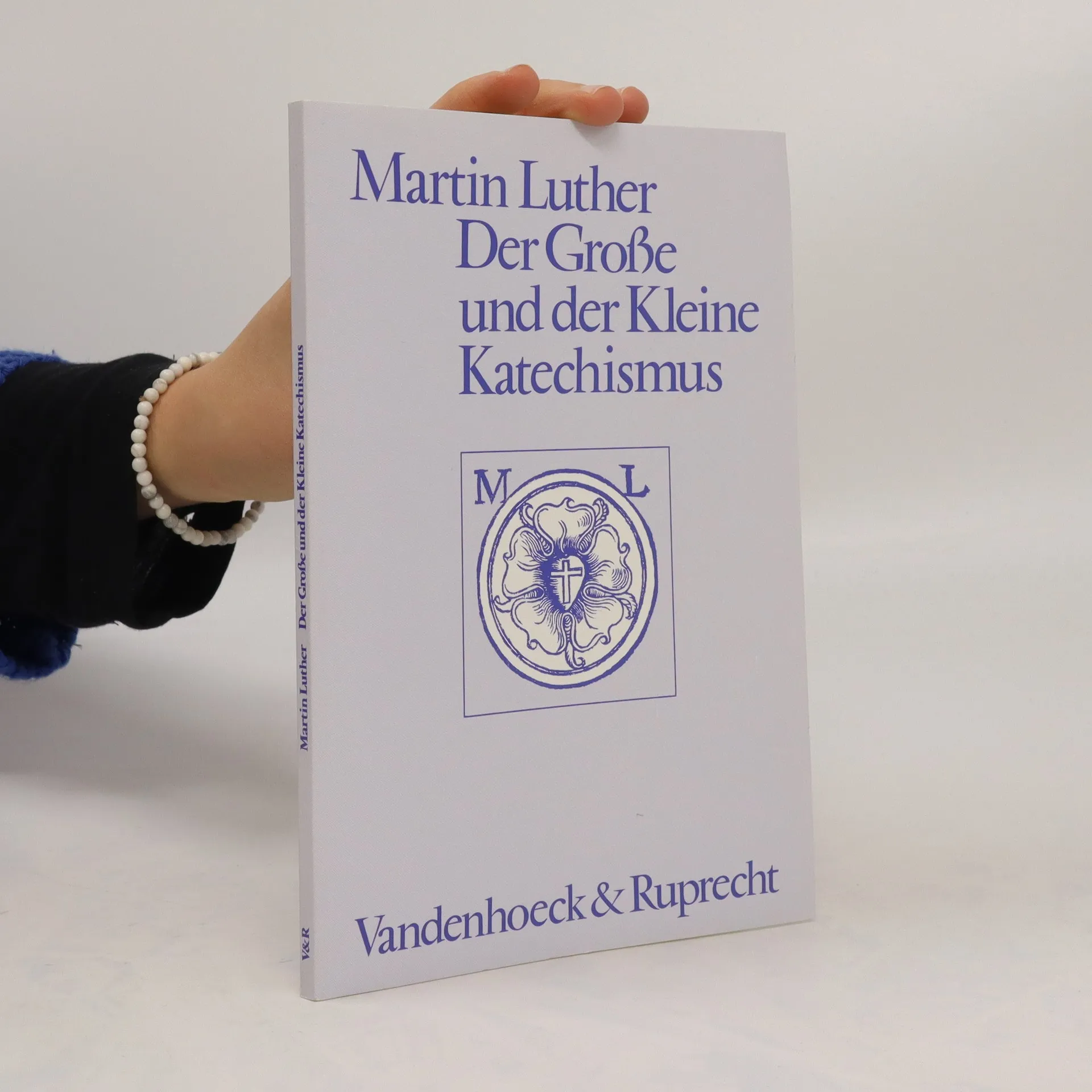
Der Große Katechismus von Martin Luther ist eine Lehrschrift, die biblische Kernelemente für zukünftige Generationen bewahren will. Ab 1517 predigten die Reformatoren über Glaubensbekenntnis und Sakramente, wobei sie die Schrift auf den Gottesdienst und das tägliche Leben der Gläubigen anwendeten.
»Und wenn die Welt voll Teufel wär und wollt uns gar verschlingen, so fürchten wir uns nicht so sehr, es soll uns doch gelingen.« Luther kämpfte nicht nur gegen den Papst, sondern auch gegen den Teufel mit Feder und Tintenfass. Er reformierte den Gottesdienst, sammelte Fabeln und Sprichwörter, verfasste Kirchenlieder – und schaute dem Volk aufs Maul. Er wusste zu allen Dingen ein trefflich Wort zu sagen, in Predigten, Traktaten und Tischgesprächen am heimischen Herd. Vieles hiervon ist noch in aller Munde, häufig falsch zitiert, manches ihm auch nur zugeschrieben. Martin Luthers legendäre Sprüche zur Bibel, zum Papsttum, zu Kirche, Kaiser und Küche, zu Ehe und Familie, zum Schlemmen und Saufen versammelt dieser Band.
Freundlich und frech kommt die neue „Lutherbibel für dich“ mit den beiden sympathischen Figuren daher, die mit vielen witzigen Impulsen auf 96 Sonderseiten zum Nachdenken anregen. Mit Bibelleseplan im Buchdeckel und farbigem Widmungsblatt.
Diese unschlagbar günstige Sonderausgabe des Neuen Testaments in der klassischen Übersetzung Martin Luthers ist ideal für die eigene Lektüre ebenso wie für Verteilaktionen in der Kirchengemeinde. Ohne Anhang. Mit Aufschlagregister am Rand.
In "Wie man beten soll" gibt Martin Luther Einblicke in die Praxis des Gebets, das zentral für das christliche Leben ist. Die 1535 entstandene Schrift bleibt auch für heutige Leser relevant. Ergänzt wird sie durch den Beitrag "Martin Luther als Beter" von Pfarrer i.R. Gerhard Schittko.
Die Serie "Meisterwerke der Literatur" bietet eine Sammlung klassischer Werke der deutschen und weltweiten Literatur für Ihren eBook Reader. Diese Sammlung umfasst die bedeutendsten Schriften großer Schriftsteller, Poeten, Autoren und Philosophen. Zusätzlich enthält das Werk eine Biografie/Bibliografie des Autors. Der Kleine Katechismus, von Martin Luther 1529 verfasst, dient als Einführung in den christlichen Glauben und ist Teil der lutherischen Bekenntnisschriften, die aus Luthers eigener Feder stammen. In den lutherischen Kirchen hat er Bekenntnis- und Lehrcharakter; Pfarrer und Pfarrerinnen der evangelischen Landeskirchen sowie Pastoren der evangelischen Bekenntniskirchen werden auf dieser Grundlage ordiniert. Die Erstellung von Katechismen zielt darauf ab, zentrale Elemente biblischer Überlieferung über Generationen weiterzugeben (Dtn 6,20 ff Lut). Seit 1517 predigten die Reformatoren regelmäßig über Gebote, Glaubensbekenntnis und Vaterunser. Ab 1525 legte Luther zusammen mit Johannes Bugenhagen besonderen Wert auf das Verständnis der Sakramente. Die Reformatoren bezogen die Aussagen der Heiligen Schrift auf deren Anwendung im Gottesdienst und im Alltag der Gläubigen, während über das hinausgehende nicht mehr gelehrt wurde, wodurch mittelalterliche Mariengebete in den Hintergrund traten.
The Book of Moses in German in a version of 1912 from the original translation of Martin Luther.The ebook includes Book Genesis Exodus Leviticus Numbers DeuteronomyOverview of the twelve tripe's of Israel.
In Luthers Schriften vereinen sich Witz und Derbheit mit großer gedanklicher Schärfe und der Kraft des geschliffenen Worts. Nach Themen geordnet präsentiert diese Ausgabe Maximen, Sprüche und Aphorismen aus der Feder des großen Reformators.
Als Martin Luther am 31.10.1517 seine 95 Thesen gegen den Ablasshandel an die Tür der Stiftskirche zu Wittenberg schlug, nahm die Weltgeschichte eine neue Richtung. Allerdings ahnte er nichts von den Folgen, die seine schulmäßig lateinische Abhandlung haben würde. (Und ob der Text wirklich an der hölzernen Kirchentür hing, das wissen wir gar nicht. Bis heute tobt der Gelehrtenstreit darum.) Unzweifelhaft ist aber, dass die losgetretene Lawine sofort rollte, dass Luther selbst in einer Predigt, dem »Sermon von Ablass und Gnade«, seine Thesen allgemeinverständlich aufbereitete, in Begleitbriefen an Herrscher, Kirchenobere und Gelehrte erläuterte, direkt publizistische Gegenrede erfuhr, und 1541 in »Wider Hans Worst« staunend und leicht selbstironisch auf das zurückblicken konnte, was er angerichtet hatte. Die Ausgabe rollt den Streit für jeden verständlich in Originaltexten mit Übersetzungen und Kommentaren zum gegebenen Anlass neu auf.
Dem rechtschaffenen Mann, seinen Prüfungen und seinem Streit mit Gott.
113 pages
4 hours of reading
Die Geschichte von Hiob, dem rechtschaffenen Mann, seinen Prüfungen und sein Streit mit Gott - bk1564; Diogenes Verlag; Martin Luther; pocket_book; 1997
Vorwort§§I 'Das ist der Luther'§II Gott und die Welt§III Menschenleben -
Christenleben§IV 'Es ist nicht gut, dass der Mensch allein sei'§V 'Das ist der
Anfang des Lutherischen Lärmens'§VI Freund und Feind§VII Probieren geht über
Studieren§VIII Wort und Glaube§IX 'Die Musik ist eine herrliche Gabe Gottes'§X
Stadt, Land, Fluss§XI Zeit und Ewigkeit§XII Ende gut, alles gut
Textnachweise§Lektüreempfehlungen
Das Dokument aus dem sechzehnten Jahrhundert, das den Verlauf des Christentums veränderte. Der Mönch und Theologieprofessor Martin Luther war mit der römisch-katholischen Kirche über das Thema der Ablassbriefe uneinig – Zertifikate, die von der Kirche verkauft wurden und ihren Besitzern versprachen, sie von der Strafe für ihre Sünden zu befreien. Mit seinen 95 Thesen schlug Luther eine Debatte zu diesem Thema vor, wurde jedoch letztendlich exkommuniziert, und die protestantische Reformation begann. Dies ist sowohl ein religiöses als auch ein historisches Dokument – ein Wendepunkt, der eine Herausforderung der päpstlichen Autorität darstellte, politische Konflikte und blutige Kriege in Europa auslöste und zur bemerkenswerten Vielfalt der christlichen Konfessionen und Sekten führte, die heute in der Welt existieren.
Luther, Martin – Lektüre zu soziologischen Theorien
96 pages
4 hours of reading
Martin Luther (1483-1546) war der theologische Urheber der Reformation. Als zu den Augustiner-Eremiten gehörender Theologieprofessor entdeckte er Gottes Gnadenzusage im Neuen Testament wieder und orientierte sich fortan ausschließlich an Jesus Christus als dem "fleischgewordenen Wort Gottes". Nach diesem Maßstab wollte er Fehlentwicklungen der Christentumsgeschichte und in der Kirche seiner Zeit überwinden. Aus dem Buch: "Aufs erste wollen wir sehen, welche Personen miteinander die Ehe schließen können. Und auf dass wir dazu einen passenden Eingang machen, nehmen wir uns den Spruch 1. Mose 1, 27 vor: "Gott schuf den Menschen, als Mann und Weib." Auf Grund dieses Spruches sind wir sicher, dass Gott die Menschen in die zwei Teile geteilt hat: dass Mann und Weib oder ein Er und Sie sein soll. Und das hat ihm so gefallen, dass er's selbst ein gutes Schöpfungswerk nennt (1. Mose 1, 31). Darum wie Gott seinen Leib einem jeden von uns geschaffen hat, so muss er ihn haben, und es steht nicht in unserer Gewalt, dass ich mich zu einem Weibsbild oder du dich zu einem Mannsbilde machest, sondern wie er mich und dich gemacht hat, so sind wir: ich ein Mann, du ein Weib."
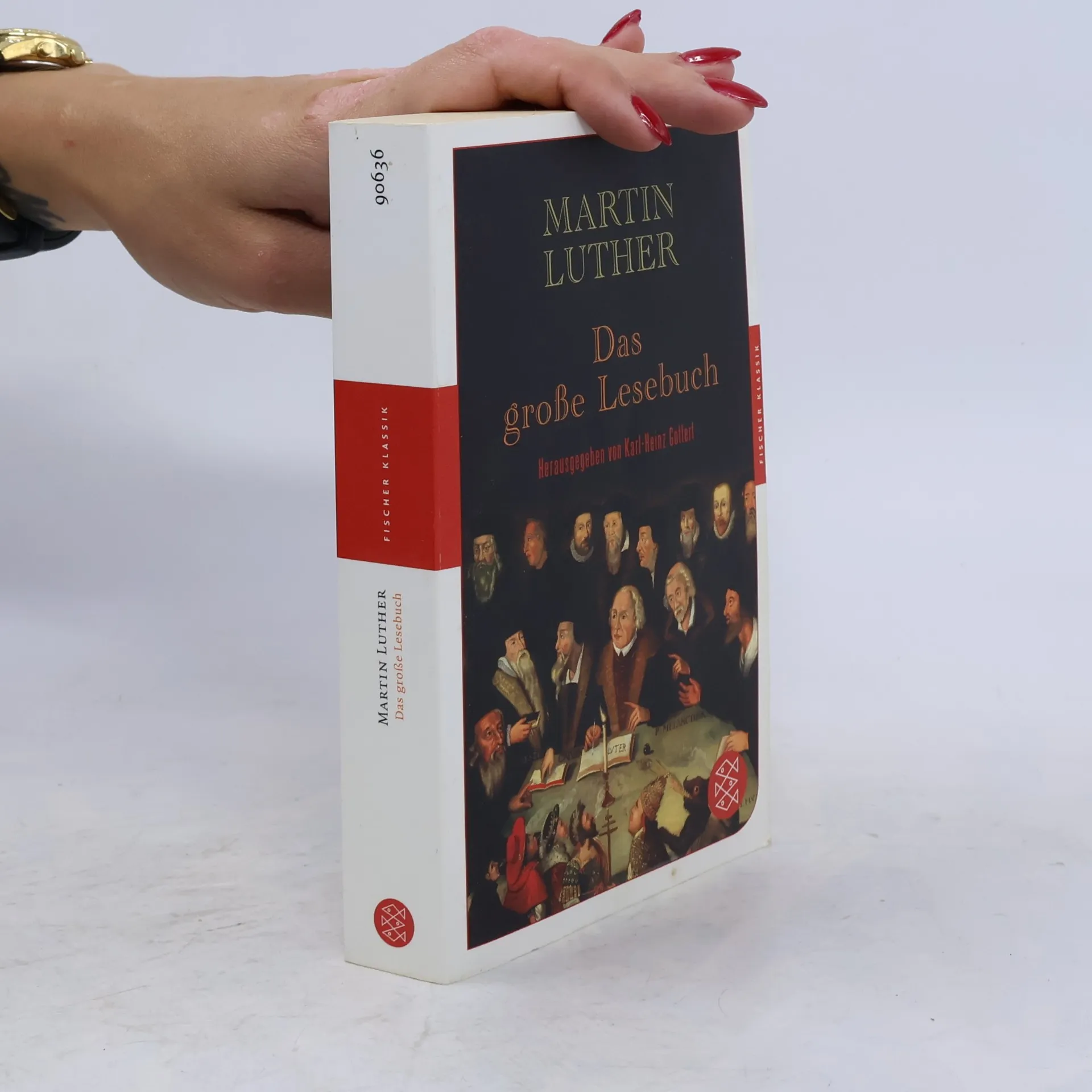
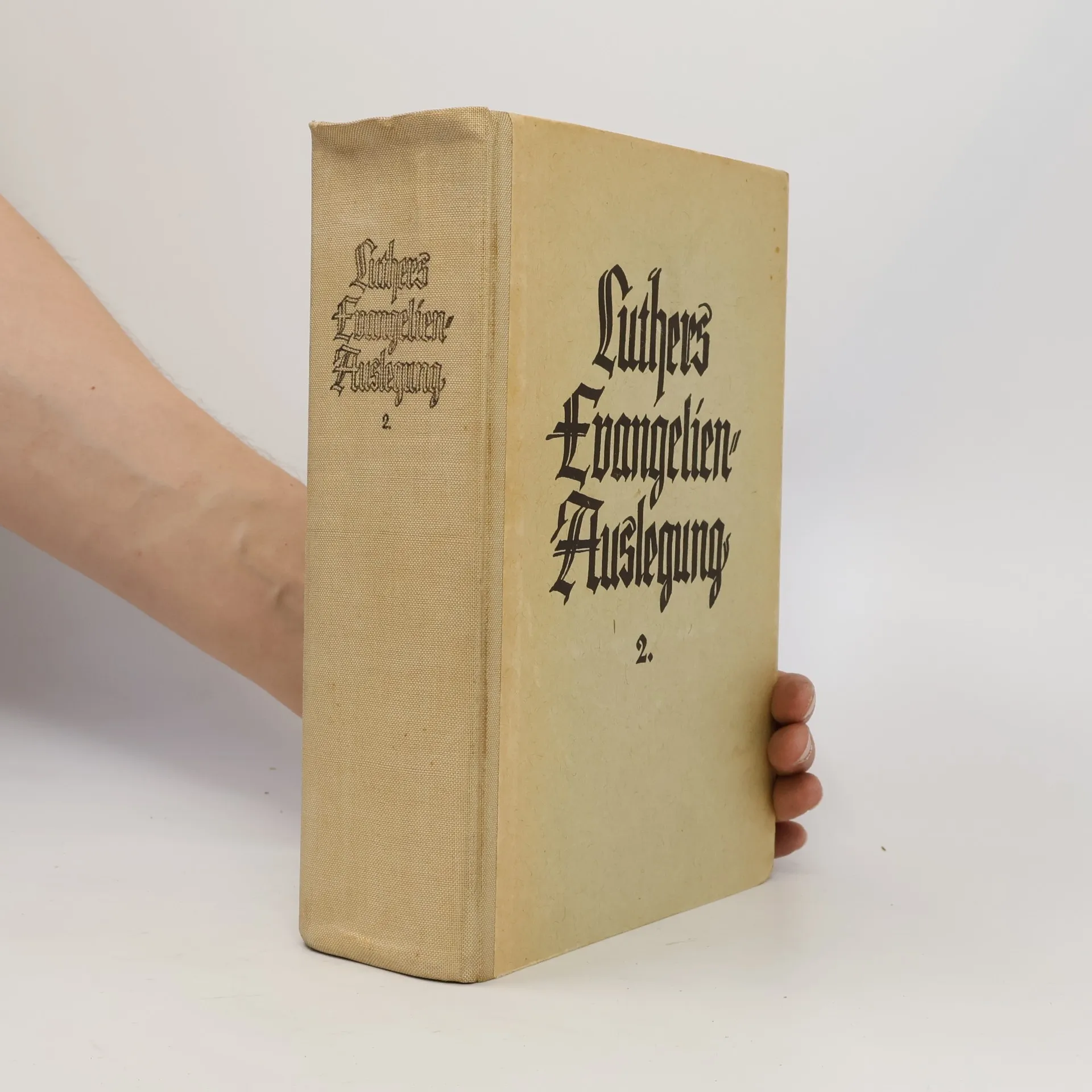
Alles, was man von Luther gelesen haben muss - Alle Texte in ein modernes Deutsch gebracht - Jeder Text wird in seinem Kontext kurz präsentiert - Mit einer Einleitung und erklärenden Kommentaren - Von dem renommierten Kölner Mediävisten Karl-Heinz Göttert Martin Luthers Schriften gaben nicht nur den Anstoß zur Reformation, sondern schufen die Grundlage für eine einheitliche deutsche Sprache. Seine »protestantische« Haltung unerschütterlichen Glaubens, seine volkstümlichen Predigten inspirierten nicht nur die Zeitgenossen, sondern wirken bis heute. In dem Martin Luther-Lesebuch sind nun seine zentralen und wichtigsten, auf Deutsch verfassten Texte versammelt und kundig und verständlich kommentiert: u.a. »Ein Sermon von Ablass und Gnade«, »Von den guten Werken«, »An den christlichen Adel deutscher Nation«, »Von der Freiheit eines Christenmenschen«, » Ein Sendbrief vom Dolmetschen«. Hier gibt es Luther, die Reformation und seine Zeit neu zu entdecken!
Die Standardausgabe der Lutherbibel 1984 in alter Rechtschreibung mit Apokryphen. Zweispaltig, versweise gesetzt, fett gedruckte Kernstellen, Verweisstellen zwischen den Versen. Mit ausführlichem Anhang und mehrfarbigen Landkarten.
Erstmals in heutigem Deutsch mit Originaltext und Begriffserläuterungen
Mit Martin Luther hat die Evangelische Kirche ein erhebliches Problem: der Reformator war ein wirkmächtiger Judenhasser. Unter seinen judenfeindlichen Hetzschriften sticht sein Buch Von den Juden und ihren Lügen von 1543 in makabrer Weise hervor. Darin entwickelt er sein berüchtigtes Sieben-Punkte-Programm zur Beseitigung des Judentums in Deutschland: • Verbrennen ihrer Synagogen • Zerstörung ihrer Häuser und Zwangsunterbringung • Wegnahme ihrer religiösen Bücher • Lehrverbot für Rabbiner bei Androhung der Todesstrafe • Aufhebung der Wegefreiheit • Zwangsenteignung • Zwangsarbeit Hatte der Philosoph Karl Jaspers also Recht, als er bemerkte: "Was Hitler getan, hat Luther geraten, mit Ausnahme der direkten Tötung durch Gaskammern"? Diese Ausgabe stellt erstmals Luthers Originaltext einer werkgetreuen Übertragung in heutiges Deutsch gegenüber – ergänzt durch eine Einführung und 200 Begriffserläuterungen. Dies ermöglicht es, die fatale Wirkung des Reformators zur Verbreitung der Judenfeindschaft in Europa zu erkennen. Quelle: Klappentext
Weinen Hat Seine Zeit, Lachen Hat Seine Die Grossen Dichtungen des Weisen Konigs Salomo In der Ubertragung von Martin Luther (German Edition). Foreword by Ludwig Marcuse. Small 1983 paperback (approximately 4.5 inches by 3 inches) published by Diogenes.