

More about the book
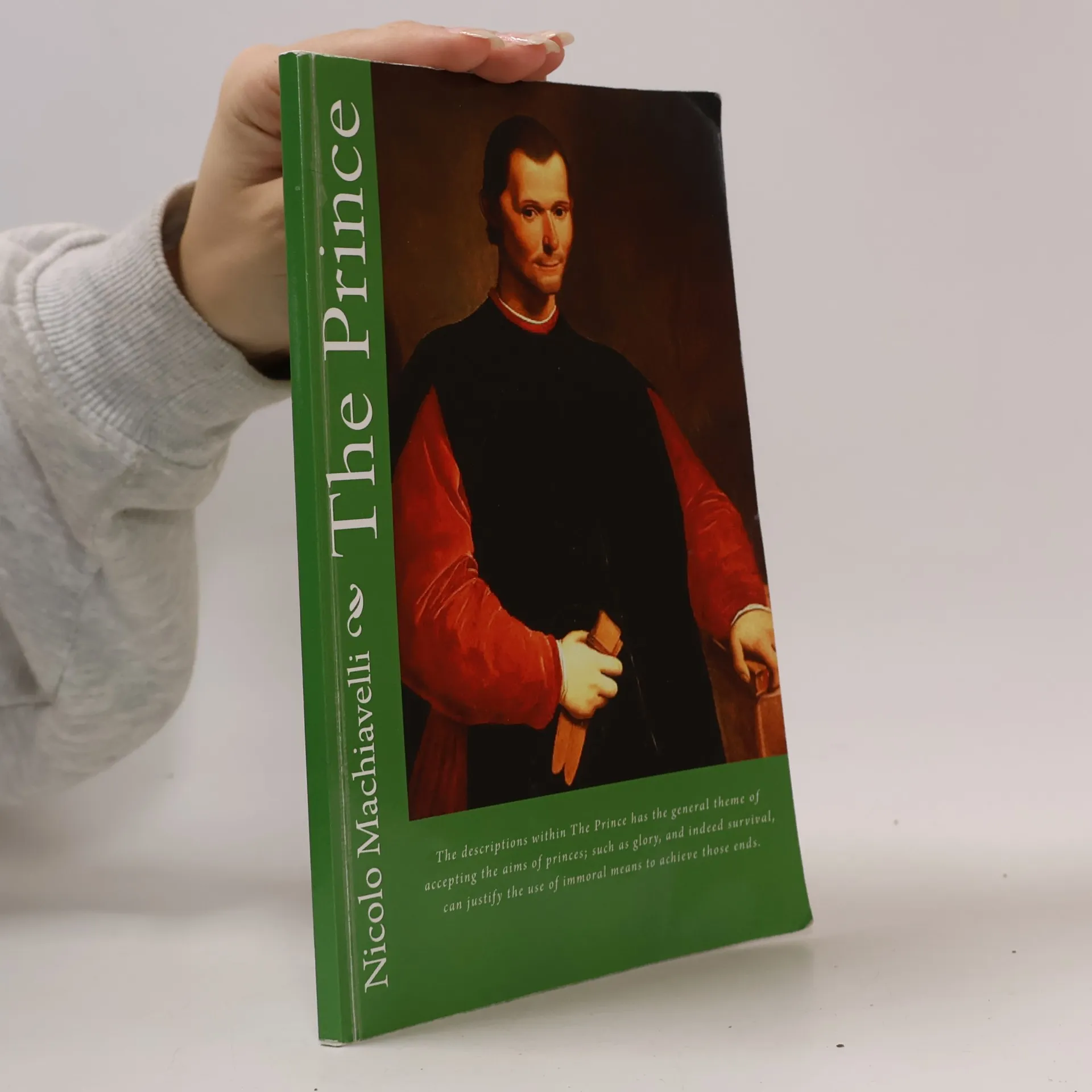
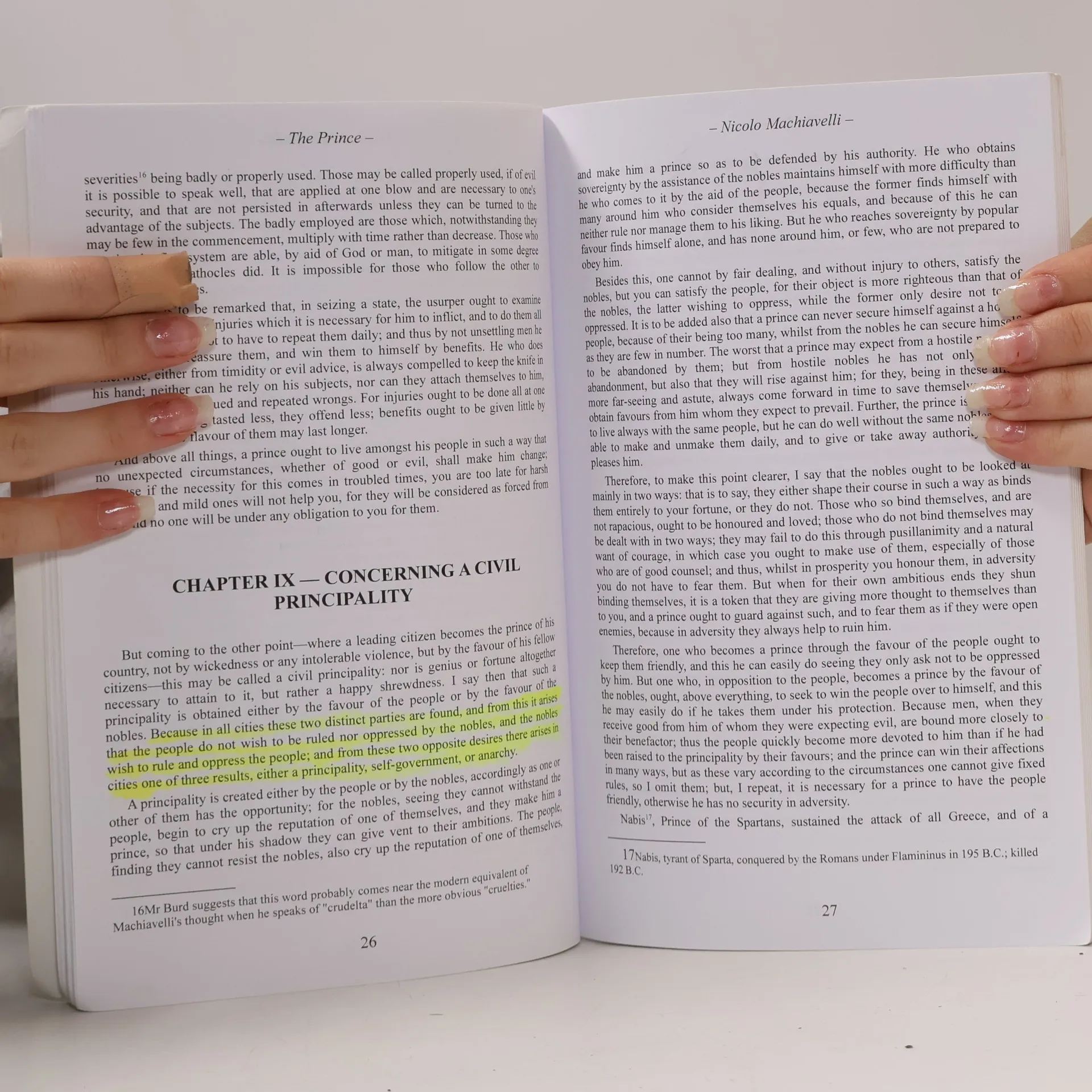
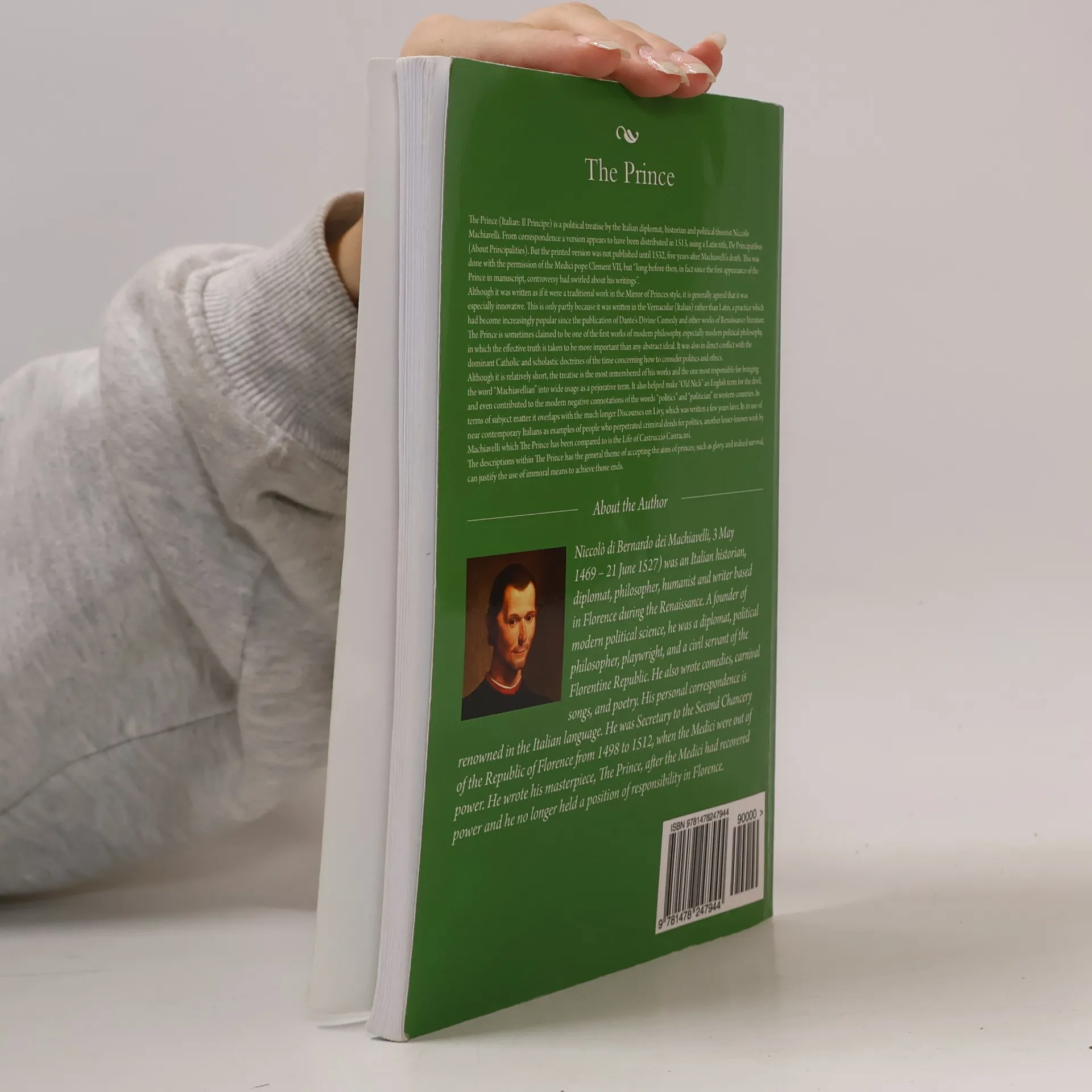
The Prince is a political treatise by Niccolò Machiavelli, an Italian diplomat and political theorist. A version circulated in 1513, but the printed edition was published in 1532, posthumously and with the Medici pope's approval. Controversy surrounded Machiavelli's writings from the outset. Although it appears to follow the traditional Mirror of Princes style, it is recognized as innovative, partly due to its use of Italian instead of Latin, a trend gaining traction since Dante's works. Often regarded as a foundational text of modern political philosophy, The Prince prioritizes practical truth over abstract ideals, challenging the prevailing Catholic and scholastic views on politics and ethics. Despite its brevity, it remains Machiavelli's most famous work, coining the term "Machiavellian" as a pejorative. It also contributed to the negative connotations associated with "politics" and "politician" in the West. The treatise overlaps with Machiavelli's later work, Discourses on Livy, and draws on contemporary Italian examples of political criminality, similar to his lesser-known Life of Castruccio Castracani. The central theme suggests that the ambitions of princes, like glory and survival, can justify immoral actions to achieve their goals.



Book purchase
The Prince, Niccolò Machiavelli
- Language

- Released
- 2012
- Binding
- (Paperback),
- Book condition
- Damaged
- Price
- €12.49
Payment methods
We’re missing your review here.
- Title
- The Prince
- Language
- English
- Authors
- Niccolò Machiavelli
- Released
- 2012
- Format
- Paperback
- Pages
- 86
- ISBN10
- 1478247940
- ISBN13
- 9781478247944
- Series
- First published
- 1532
- Original title
- Il Principe
- Rating
- 3.7 out of 5
- Description
- The Prince is a political treatise by Niccolò Machiavelli, an Italian diplomat and political theorist. A version circulated in 1513, but the printed edition was published in 1532, posthumously and with the Medici pope's approval. Controversy surrounded Machiavelli's writings from the outset. Although it appears to follow the traditional Mirror of Princes style, it is recognized as innovative, partly due to its use of Italian instead of Latin, a trend gaining traction since Dante's works. Often regarded as a foundational text of modern political philosophy, The Prince prioritizes practical truth over abstract ideals, challenging the prevailing Catholic and scholastic views on politics and ethics. Despite its brevity, it remains Machiavelli's most famous work, coining the term "Machiavellian" as a pejorative. It also contributed to the negative connotations associated with "politics" and "politician" in the West. The treatise overlaps with Machiavelli's later work, Discourses on Livy, and draws on contemporary Italian examples of political criminality, similar to his lesser-known Life of Castruccio Castracani. The central theme suggests that the ambitions of princes, like glory and survival, can justify immoral actions to achieve their goals.