

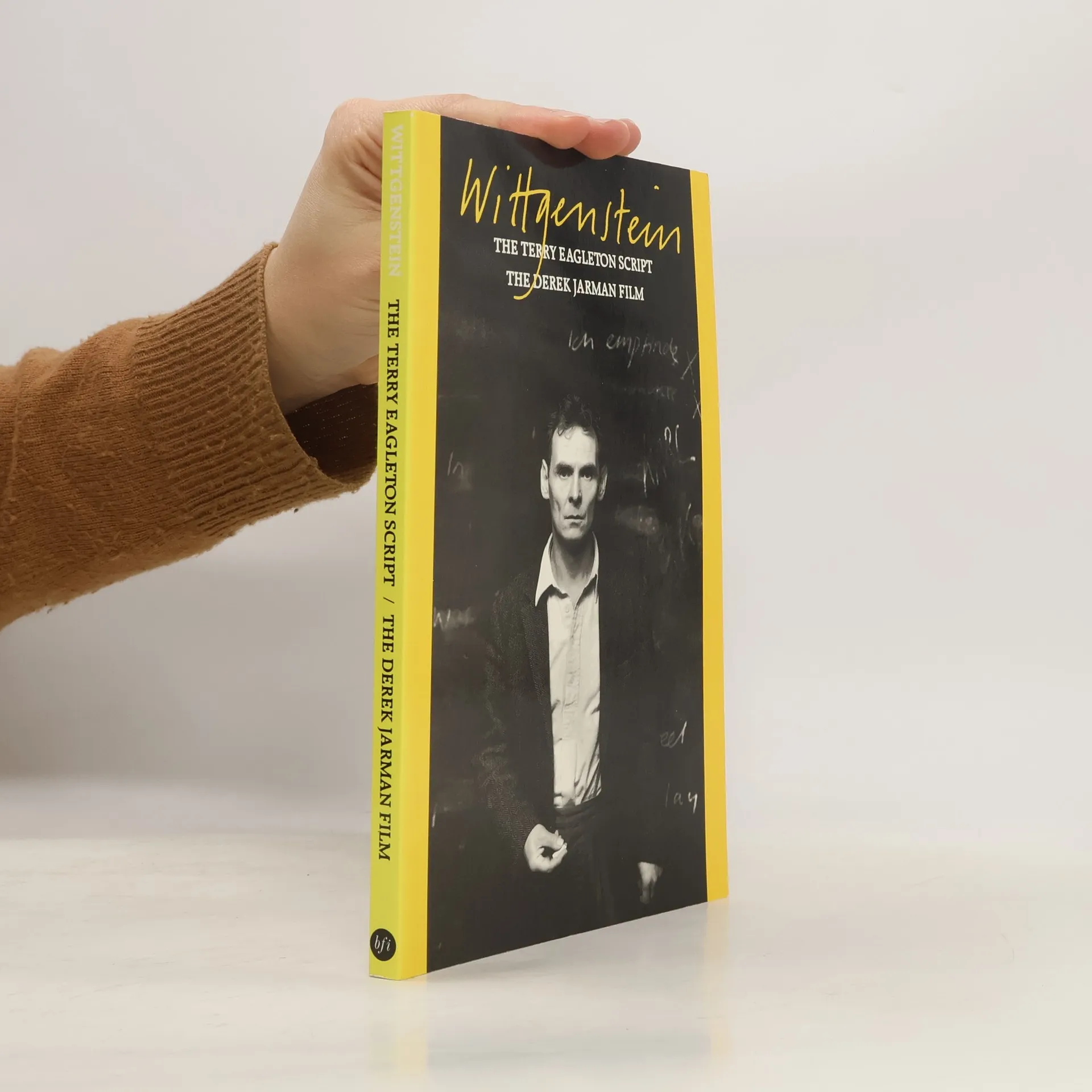
Derek Jarman's film "Wittgenstein" articulates the themes of this major 20th-century philosopher. Channel 4 television commissioned literary critic Terry Eagleton to write a television play which was eventually filmed by Derek Jarman. This illustrated book includes both the original screenplay & Jarman's very different shooting script. It also contains reflections on Wittgenstein, film & the problems of biography by both Derek Jarman & Terry Eagleton. Terry Eagleton is Britain's most influential radical literary critic. He's been a fellow of four Oxford & Cambridge colleges, & is presently Thomas Warton Professor of English Literature at Oxford. Derek Jarman was both a major film-maker & artist, a gay activist & an English patriot. Caravaggio & Blue were both acclaimed feature films. "An imaginative & serious attempt to render its subject's life in form & color."--The New Republic
Colin MacCabe Books
Colin MacCabe is a distinguished academic and writer whose work delves into the core of literary and cinematic artistry. He is known for his incisive analyses of prominent figures, exploring the distinctive styles and profound contributions that have shaped modern culture. MacCabe's approach offers intellectual depth, revealing fresh insights into works that continue to influence artistic expression.
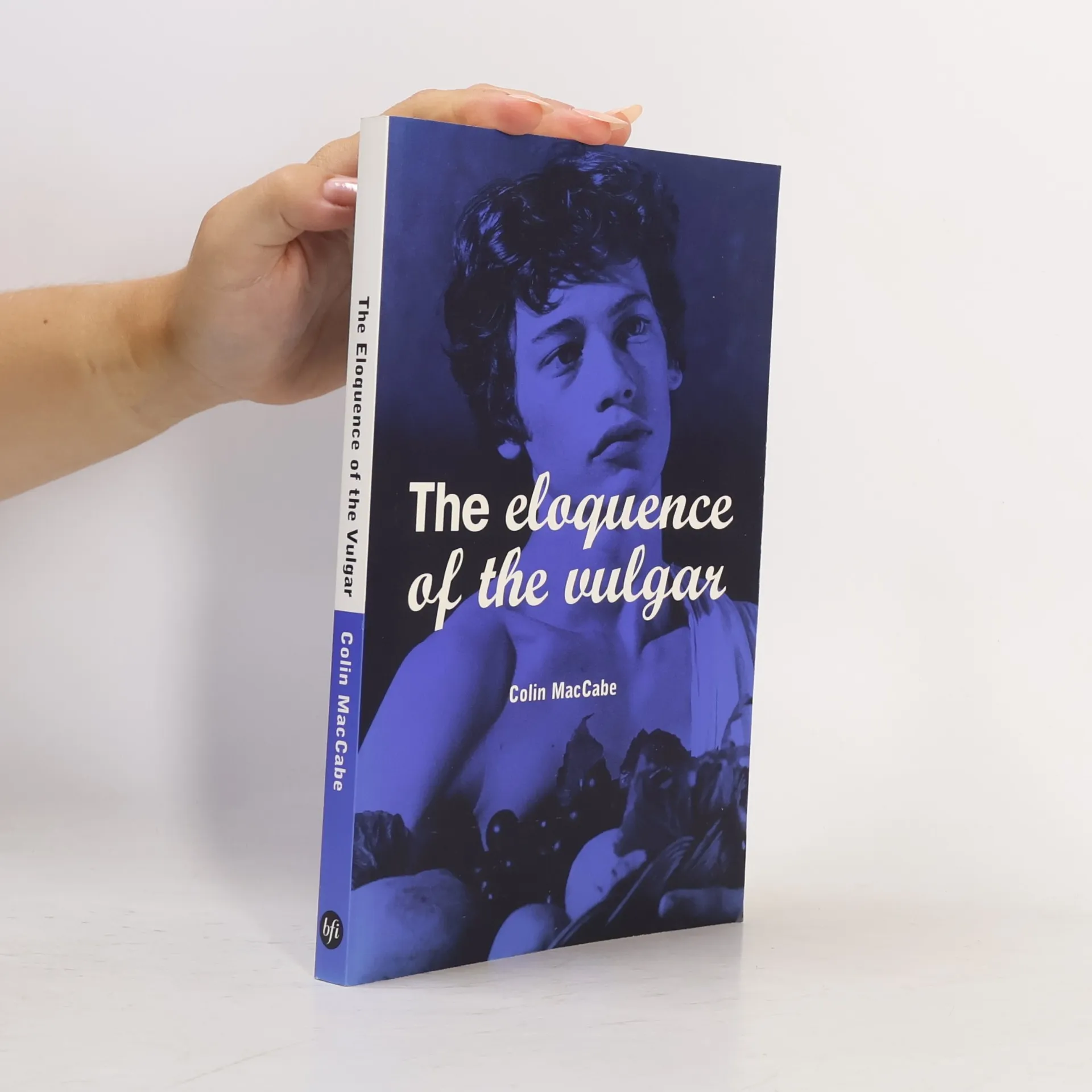
Cultural theorist Colin McCabe reflects on cultural change from Shakespeare to Derek Jarman, on the institutional forms of knowledge, on the links between the popular and elite art, and on the role of the intellectual in contemporary life.
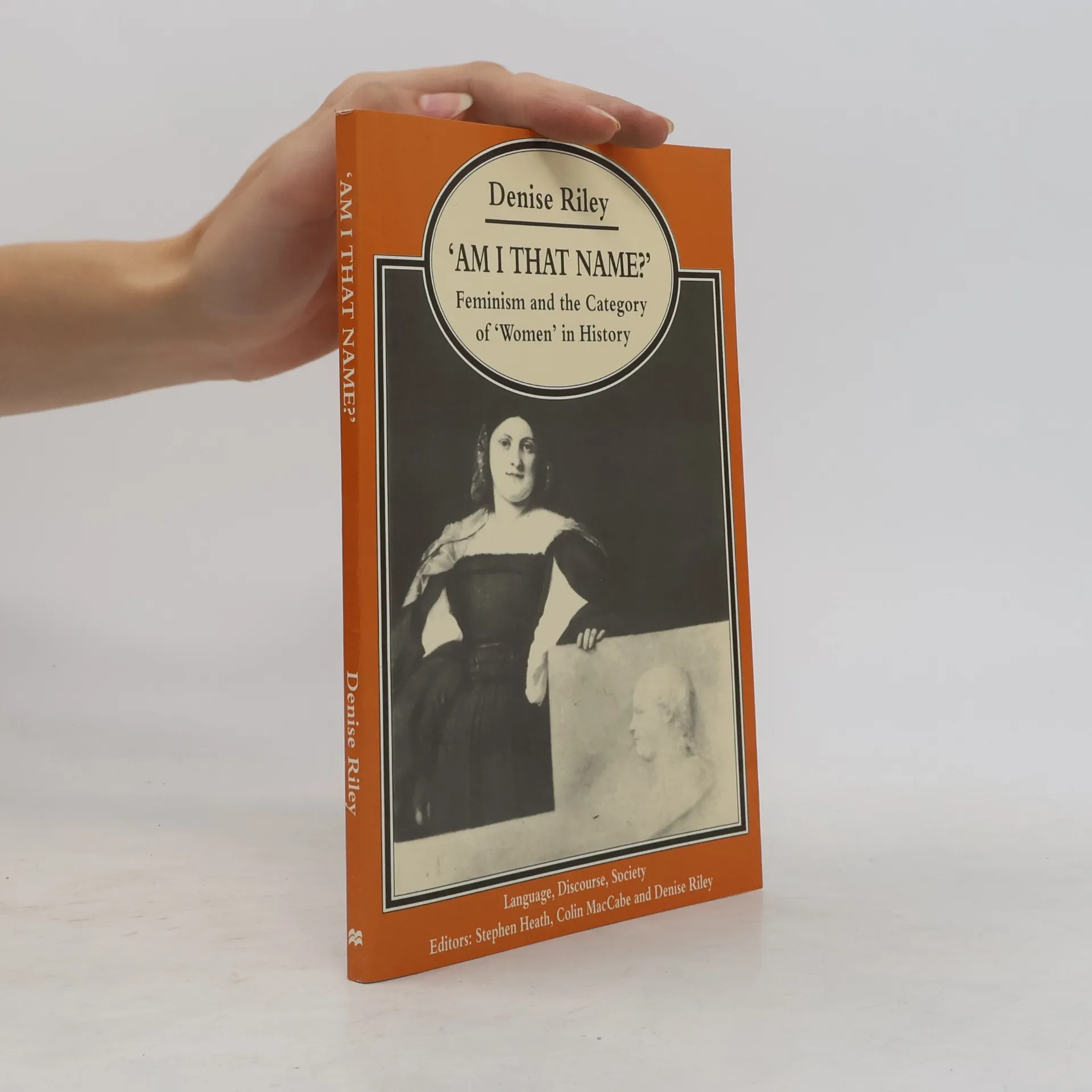
Language, Discourse, Society: Am I That Name?
Feminism and the Category of 'Women' in History
- 132 pages
- 5 hours of reading
Writing about changes in the notion of womanhood, Denise Riley examines, in the manner of Foucault, shifting historical constructions of the category of "women" in relation to other categories central to concepts of personhood: the soul, the mind, the body, nature, the social. Feminist movements, Riley argues, have had no choice but to play out this indeterminacy of women. This is made plain in their oscillations, since the 1790s, between concepts of equality and of difference. To fully recognize the ambiguity of the category of "women" is, she contends, a necessary condition for an effective feminist political philosophy.