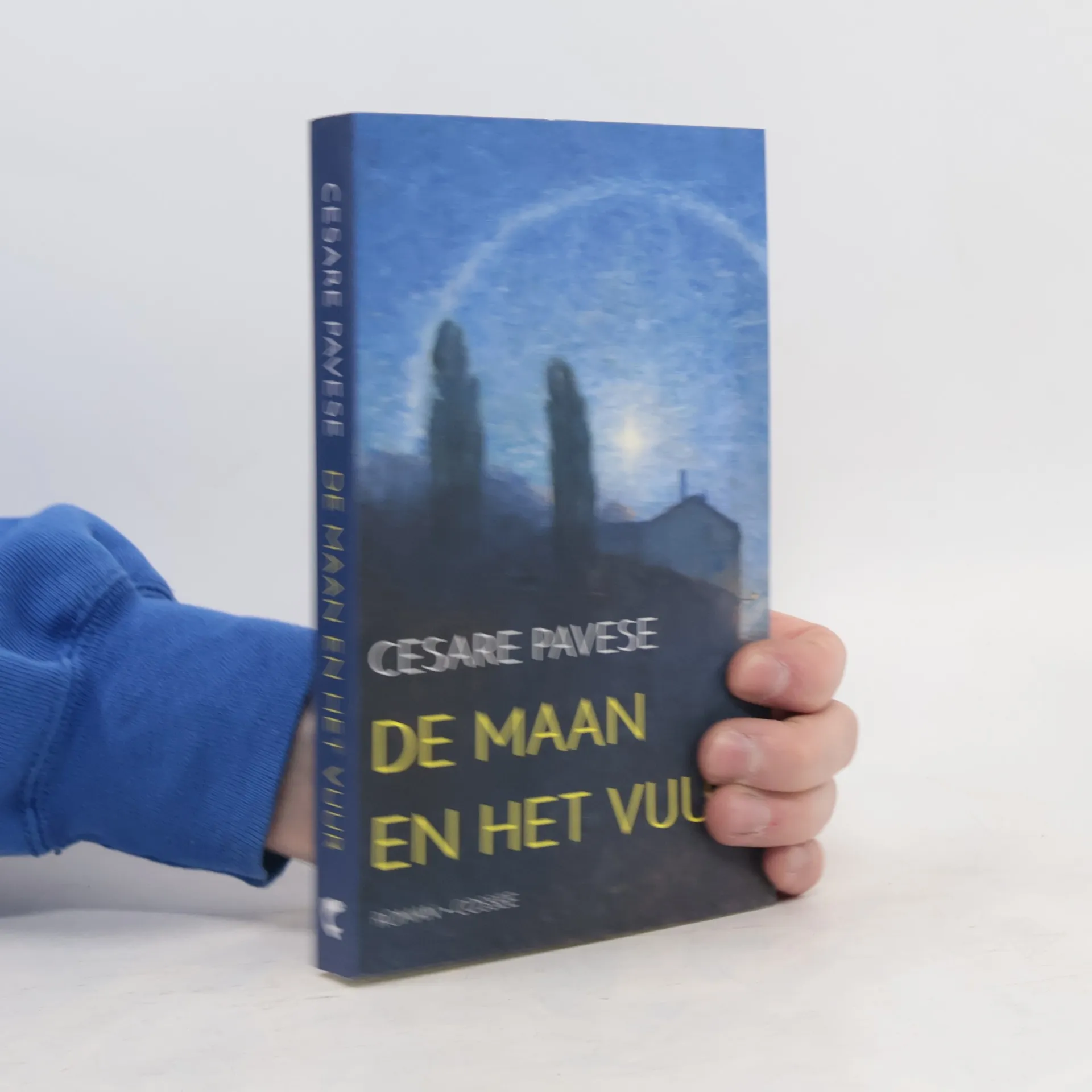
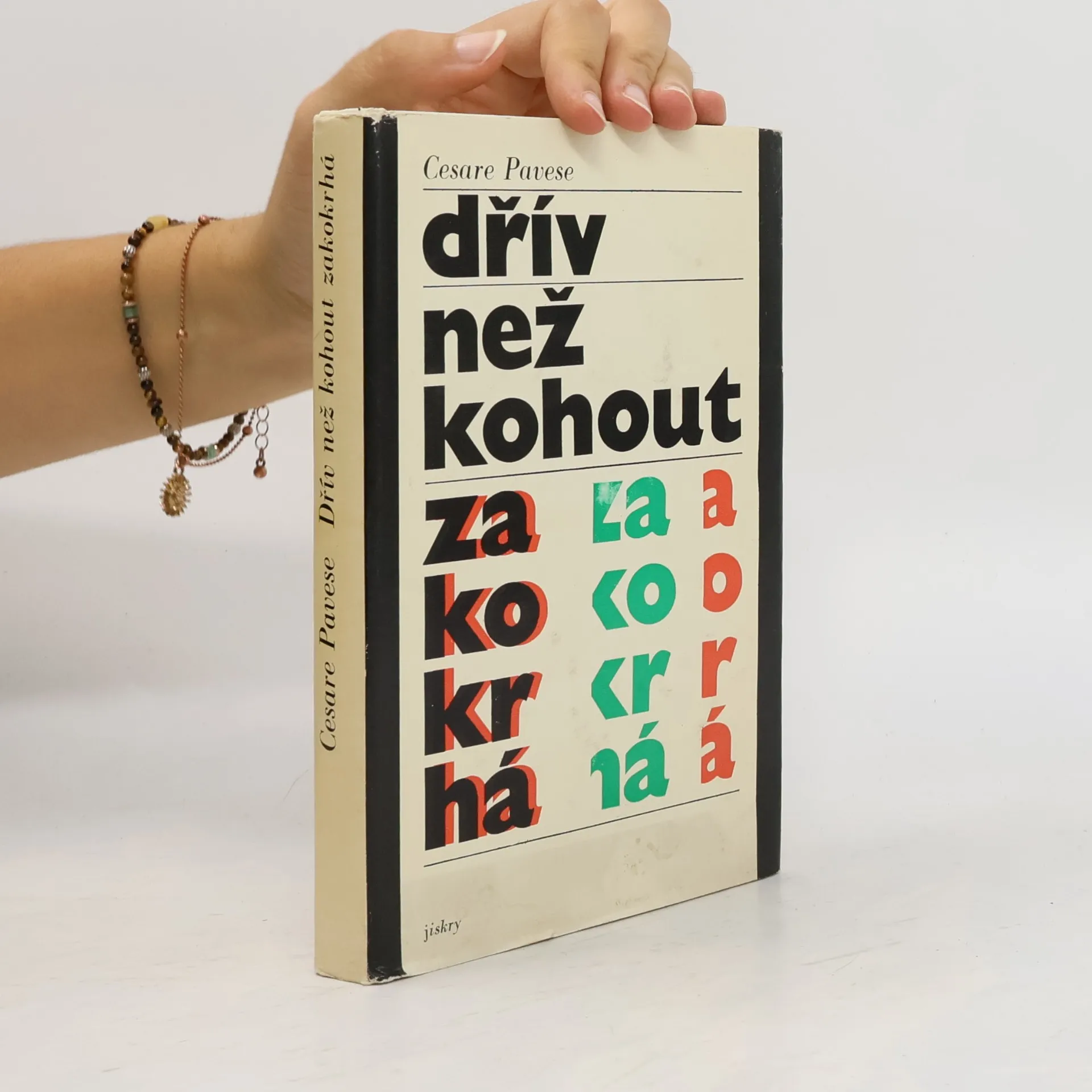
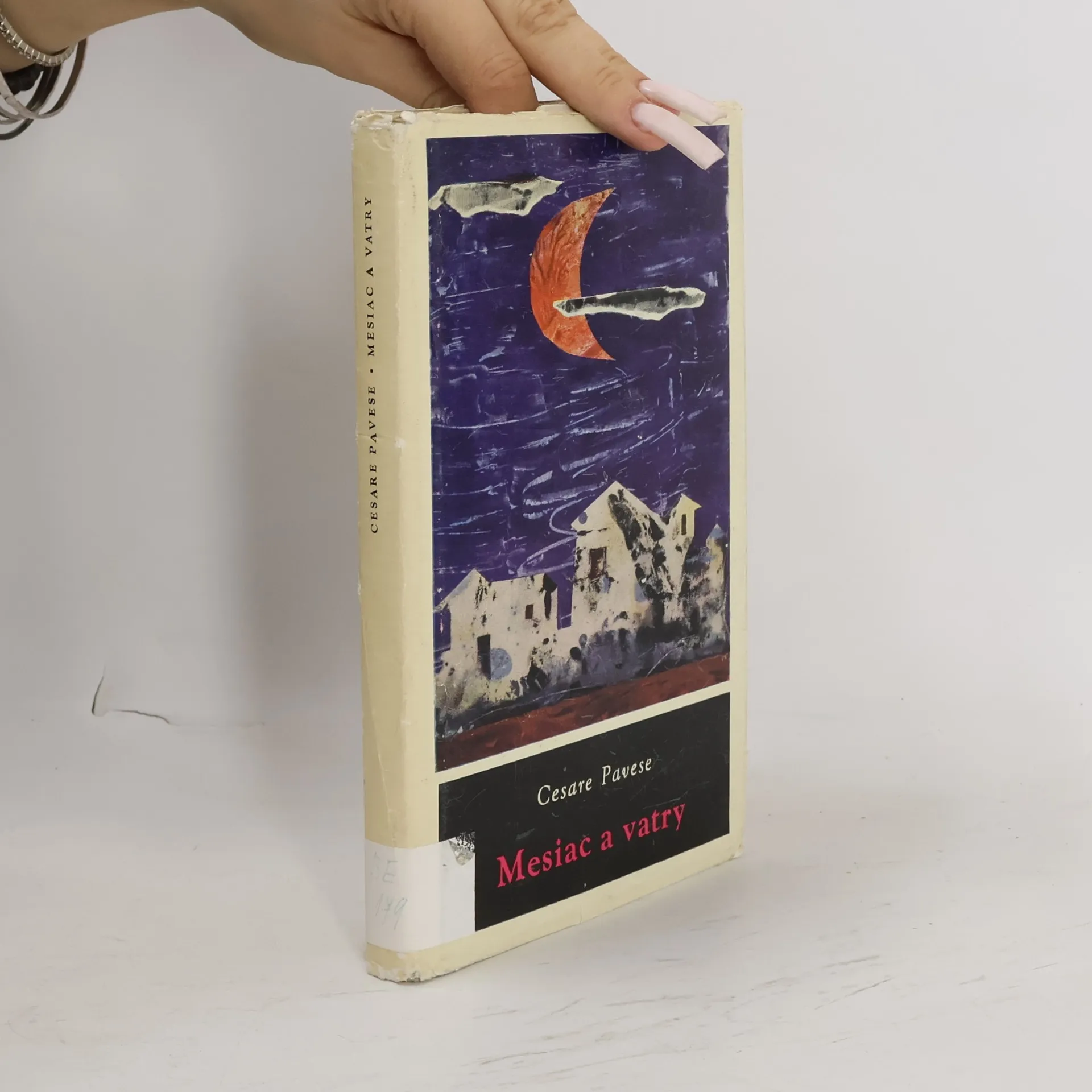
De maan en het vuur
Roman
Analytische annotatie: Een Italiaanse emigrant keert na de Tweede Wereldoorlog terug naar zijn geboortestreek


Cesare Pavese's work, primarily short stories and novellas, is deeply rooted in the exploration of childhood's sacred places and the search for self. Denied an immediate outlet under Fascist rule, he became a pivotal figure in introducing American literature to Italy through his significant translations. Pavese's writing is imbued with a profound engagement with myth, symbol, and archetype, often manifesting in poetically wrought dialogues that delve into the human condition. His narratives, characterized by a blend of bleakness and compassion, compellingly portray individuals grappling with their past and place in the world, solidifying his status as a significant voice in Italian letters.


Roman
Analytische annotatie: Een Italiaanse emigrant keert na de Tweede Wereldoorlog terug naar zijn geboortestreek
This landmark translation showcases the passionate and fiercely intelligent poetry of a pivotal twentieth-century Italian writer, exploring themes of coming of age. The work captures the emotional depth and complexity of youth, offering readers a profound insight into the struggles and triumphs of growing up.
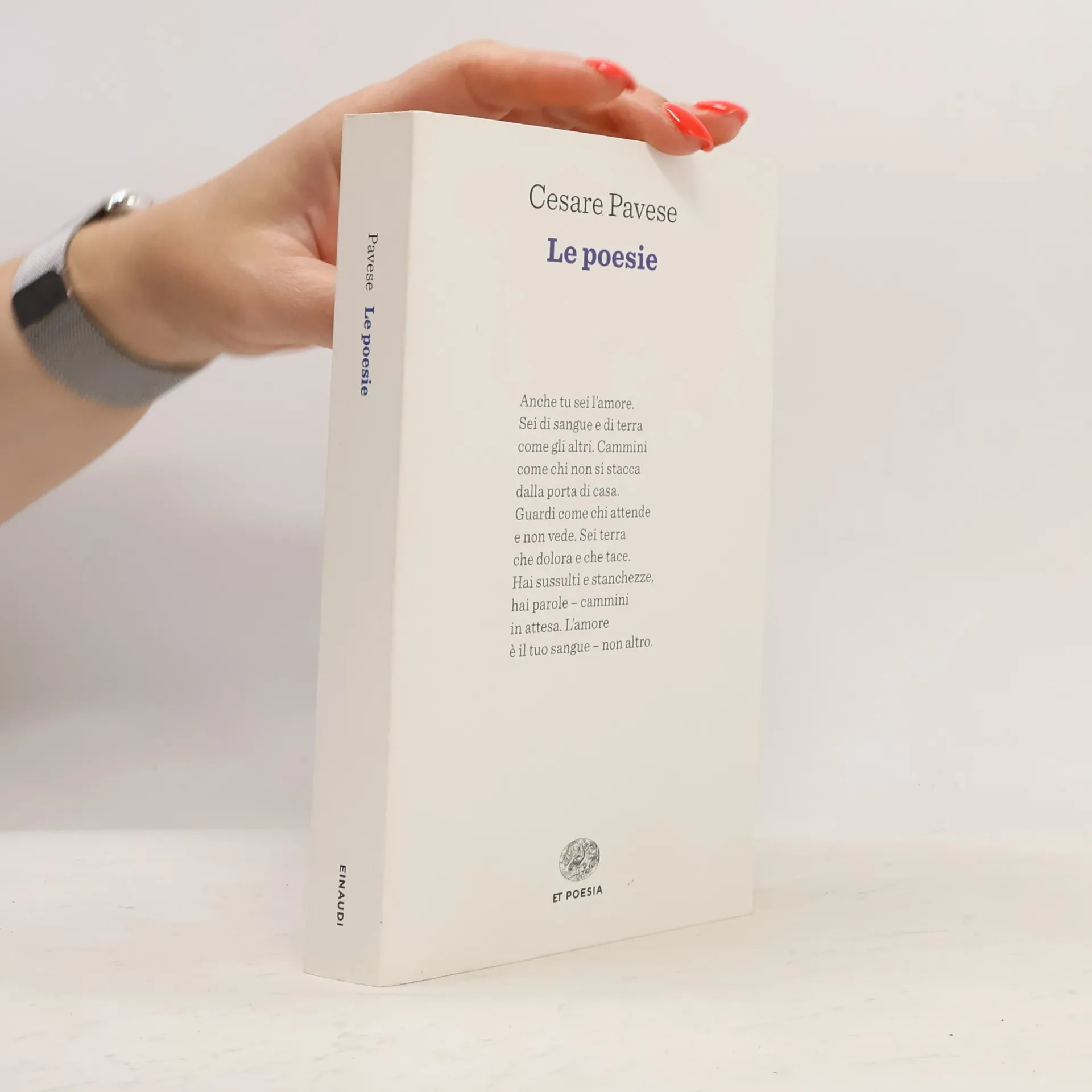
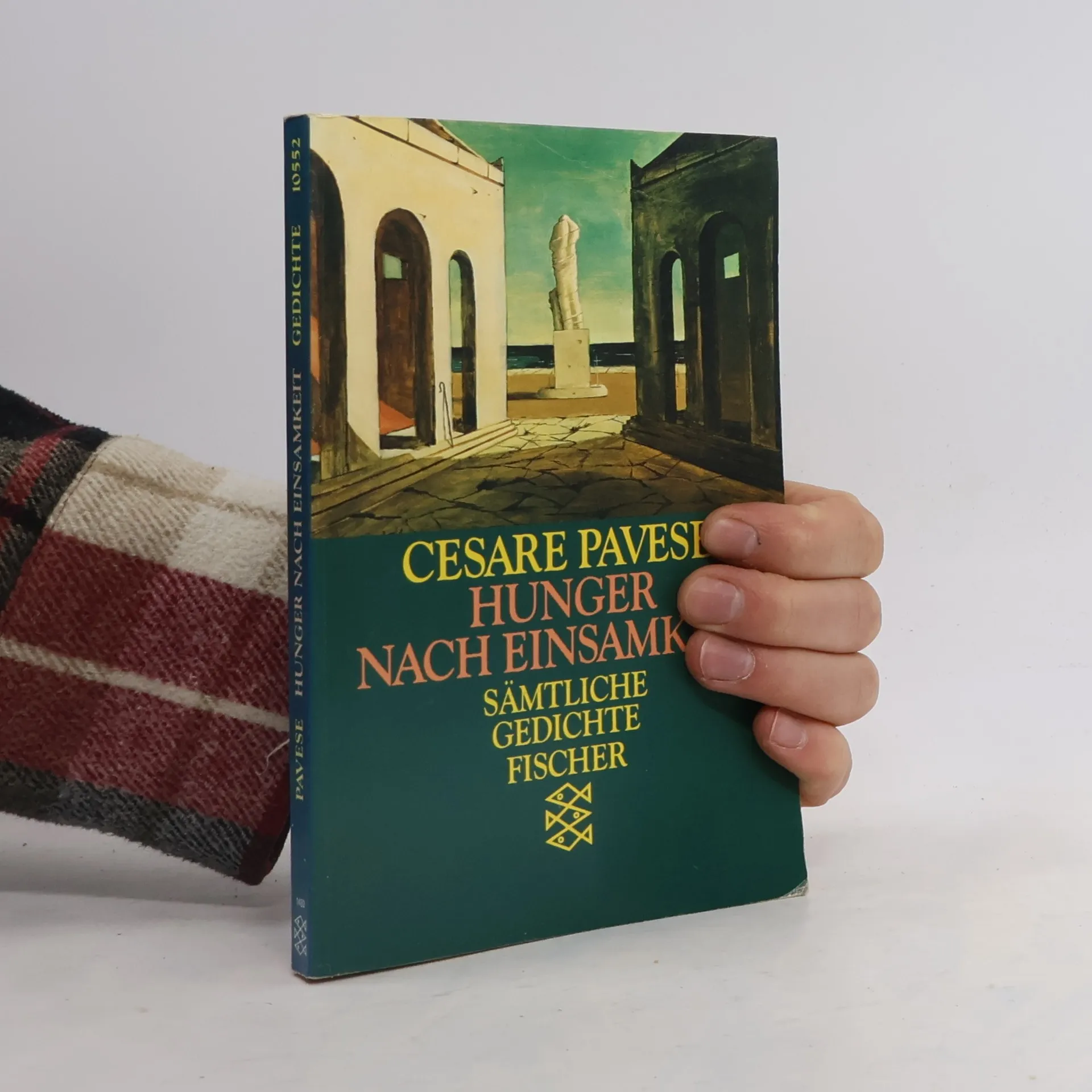
Cesare Pavese reflektiert in seinen Gedichten Erinnerungen an seine Kindheit im Piemont, doch sie sind keine Heimatlyrik. Er bringt die avantgardistische Literatur Amerikas nach Italien und nutzt moderne Formen, um Themen wie Stadt-Land-Gegensätze, Einsamkeit und Mythologie zu erkunden. Dagmar Leupold hat seine Gedichte sensibel übersetzt.
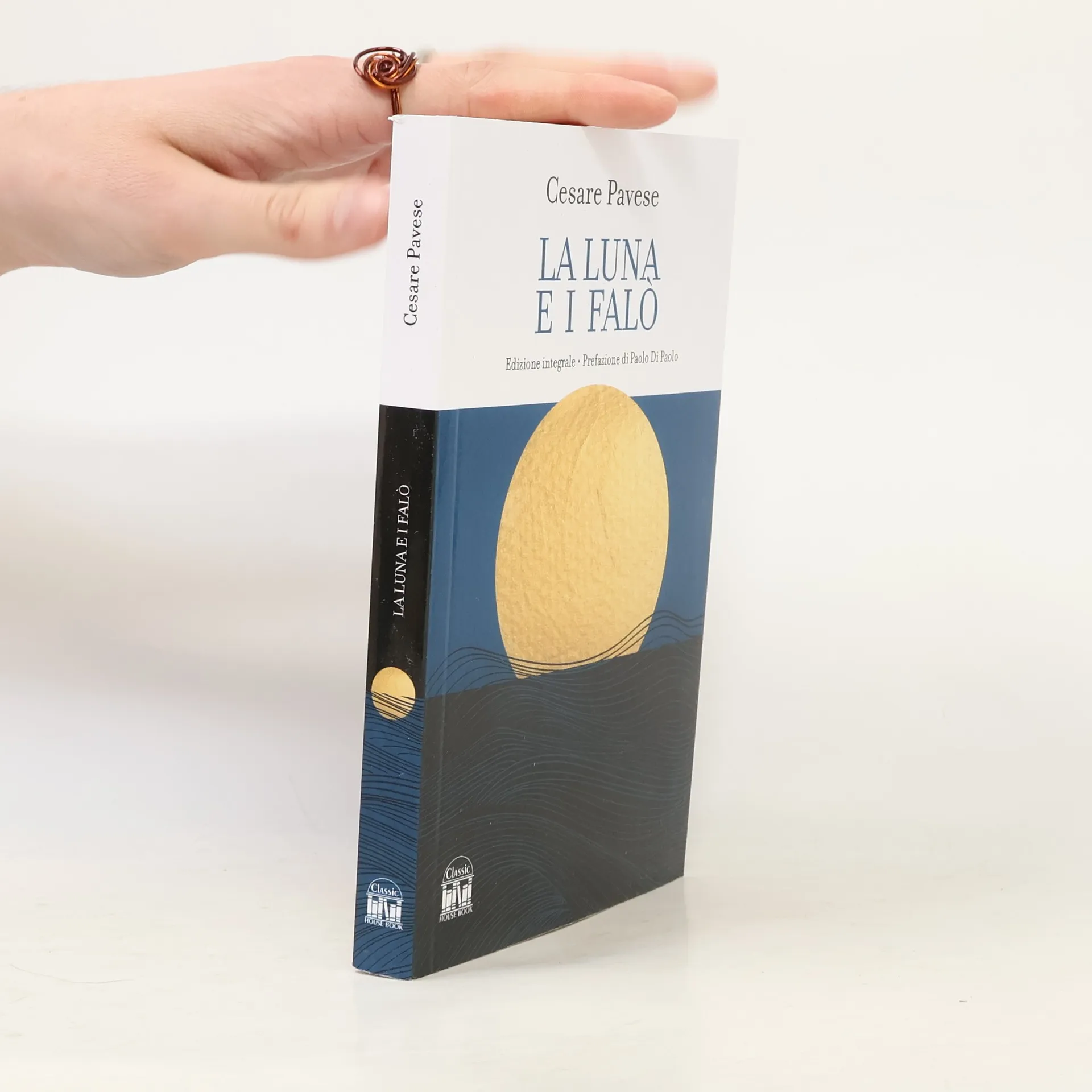
Edizione integrale - Prefazione di Paolo Di Paolo
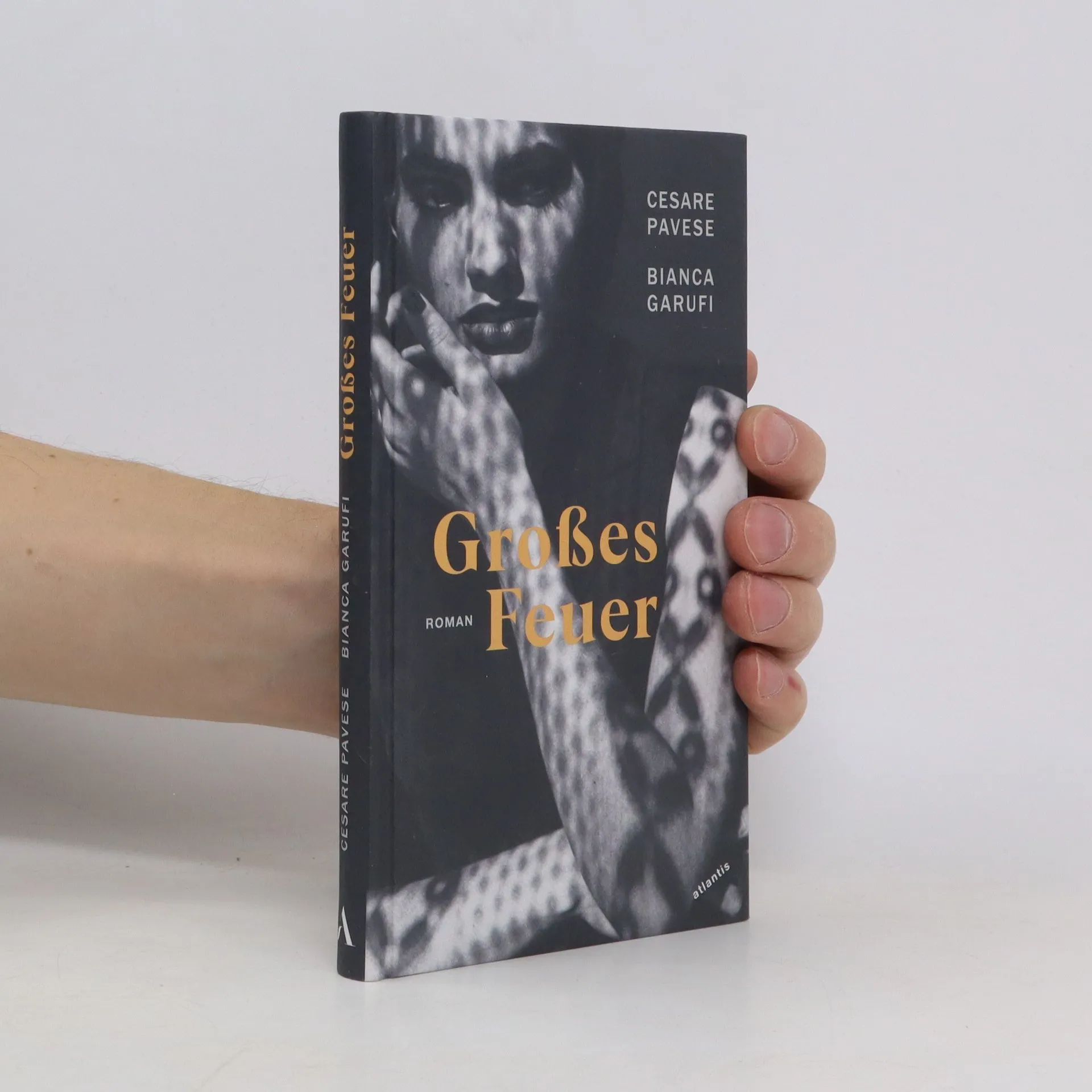
Obwohl Silvia Giovanni vor ein paar Monaten verlassen hat, bittet sie ihn, nach Süditalien mitzukommen. Ein dringendes Telegramm ihrer Familie hat sie erreicht. Im Dorf blickt man zu Boden, als man Silvia nach so langer Zeit wiedererkennt. Als junges Mädchen ist sie von dort abgehauen, jetzt ringt in diesem alten Zuhause der zehnjährige Giustino mit dem Tod. Die Worte der Mutter und des Stiefvaters bei Tisch, die mehr verbergen als erkennen lassen, kann Giovanni nicht deuten. Auch Silvias Störrigkeit verwirrt ihn. Erst als er nachts allein in dem dunklen Zimmer sitzt, überkommt ihn eine Ahnung, dass vor zehn Jahren etwas passiert sein muss, das nicht wiedergutzumachen ist. Mit dem literarischen Abenteuer eines vierhändig geschriebenen Romans sorgten Cesare Pavese und Bianca Garufi bei seinem Erscheinen 1959 in Italien für großes Aufsehen. Die wechselnde Erzählperspektive legt Schicht für Schicht nicht nur die Missverständnisse zwischen den beiden Liebenden offen, sondern auch Unerhörtes. Denn der im deutschsprachigen Raum weitgehend unbekannte Roman überrascht nicht nur formal: Großes Feuer erzählt von der Vergewaltigung eines jungen Mädchens, der eisernen Verschwiegenheit und den Verstrickungen einer Familie - von einer Fatalität, die an griechische Tragödien erinnert. 1946 verfasst, war der Roman seiner Zeit weit voraus und ist nun in Neuübersetzung zu entdecken.
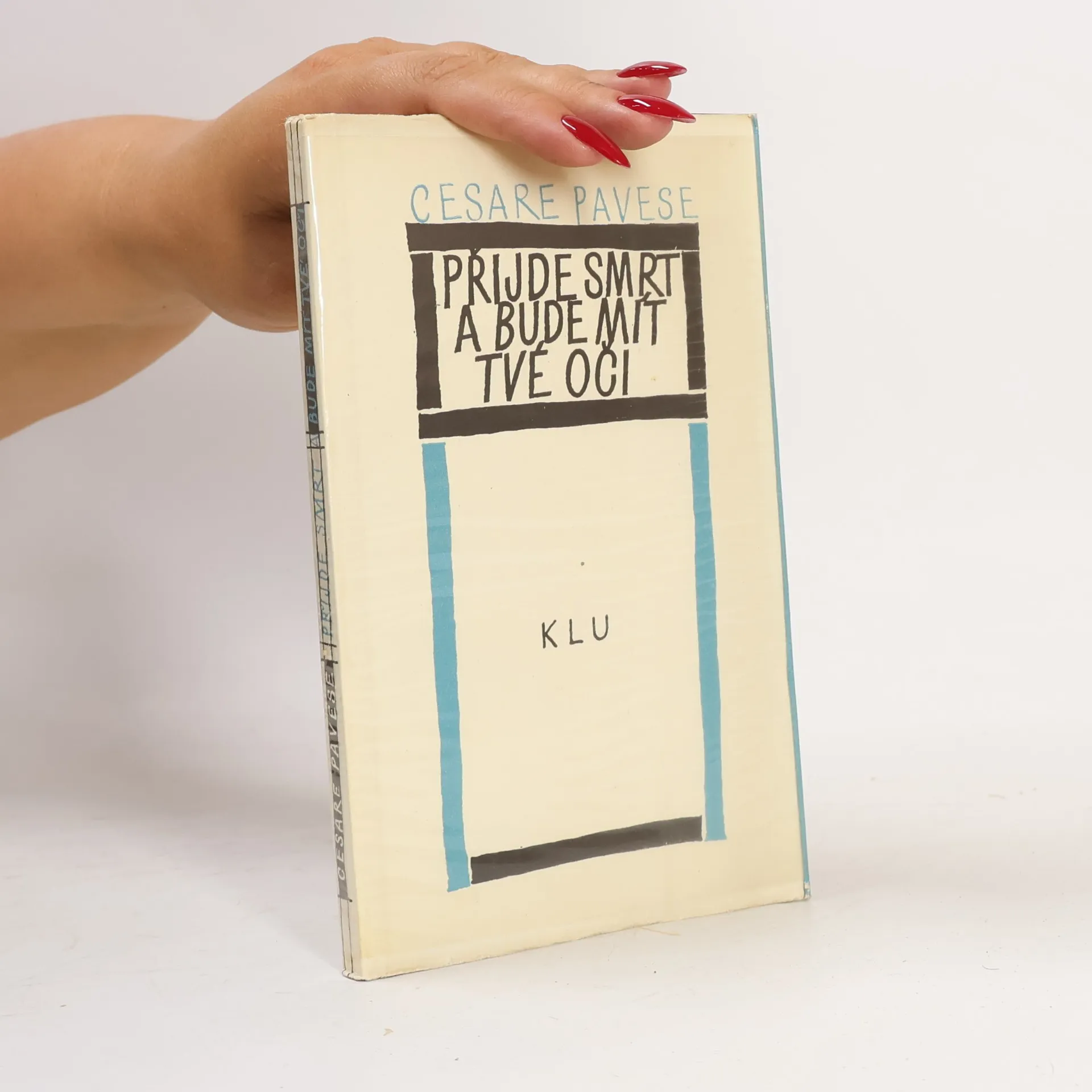
Introspection is central to Cesare Pavese's work, leading him on a profound quest for self-understanding and truth about the world. His diaries, published posthumously, unveil the emotional and intellectual struggles that shaped his life and artistry. Considered one of Italy's most complex writers, Pavese's tragic suicide in 1950, shortly after receiving the prestigious Strega Prize, left a significant impact on the literary community. This reprint of his original diaries offers a deep insight into his anguished yet enlightening perspective.
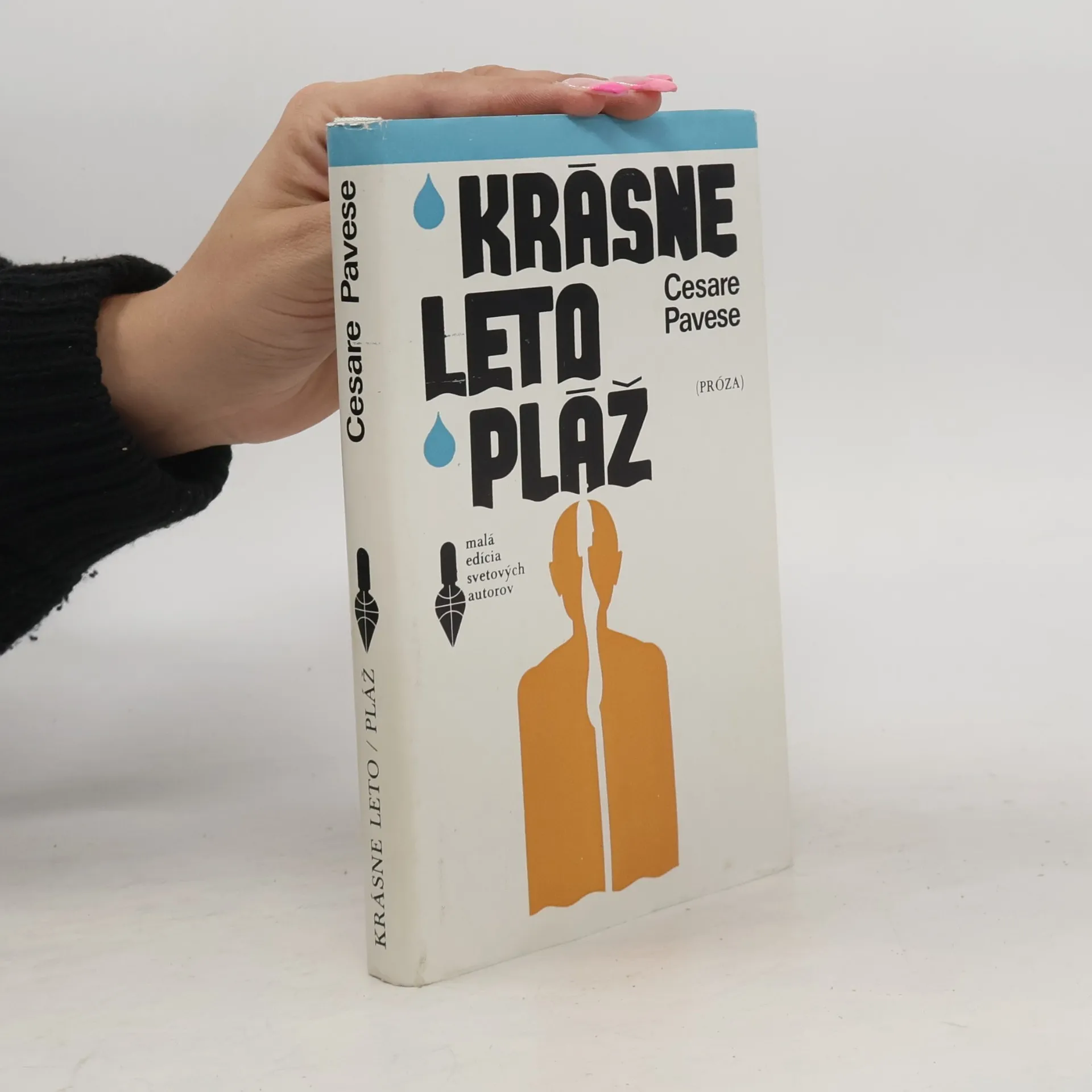
Der 1942 erschienene Roman La spiaggia ist ein noch heute zeitlos erscheinendes Porträt des italienischen Sommers am Meer. Schwimmen, Plaudern, Rauchen, Spazierengehen, Autofahren, Tanzen sind virtuos gestaltete Motive, die schließlich in den leicht melancholisch grundierten Abschied von der Unverbindlichkeit der Jugend münden. Paveses Ich-Erzähler beobachtet aus der Distanz und lässt nebenbei die Kindheitsmythen von ligurischem Meer und piemontesischer Hügellandschaft anklingen. Vor dem Hintergrund der schwankenden Stimmungen einer Clique junger Frauen und Männer entsteht so ein wunderbar vitaler Reigen von Emotionen, wie sie für das italienische Strandleben charakteristisch sind.
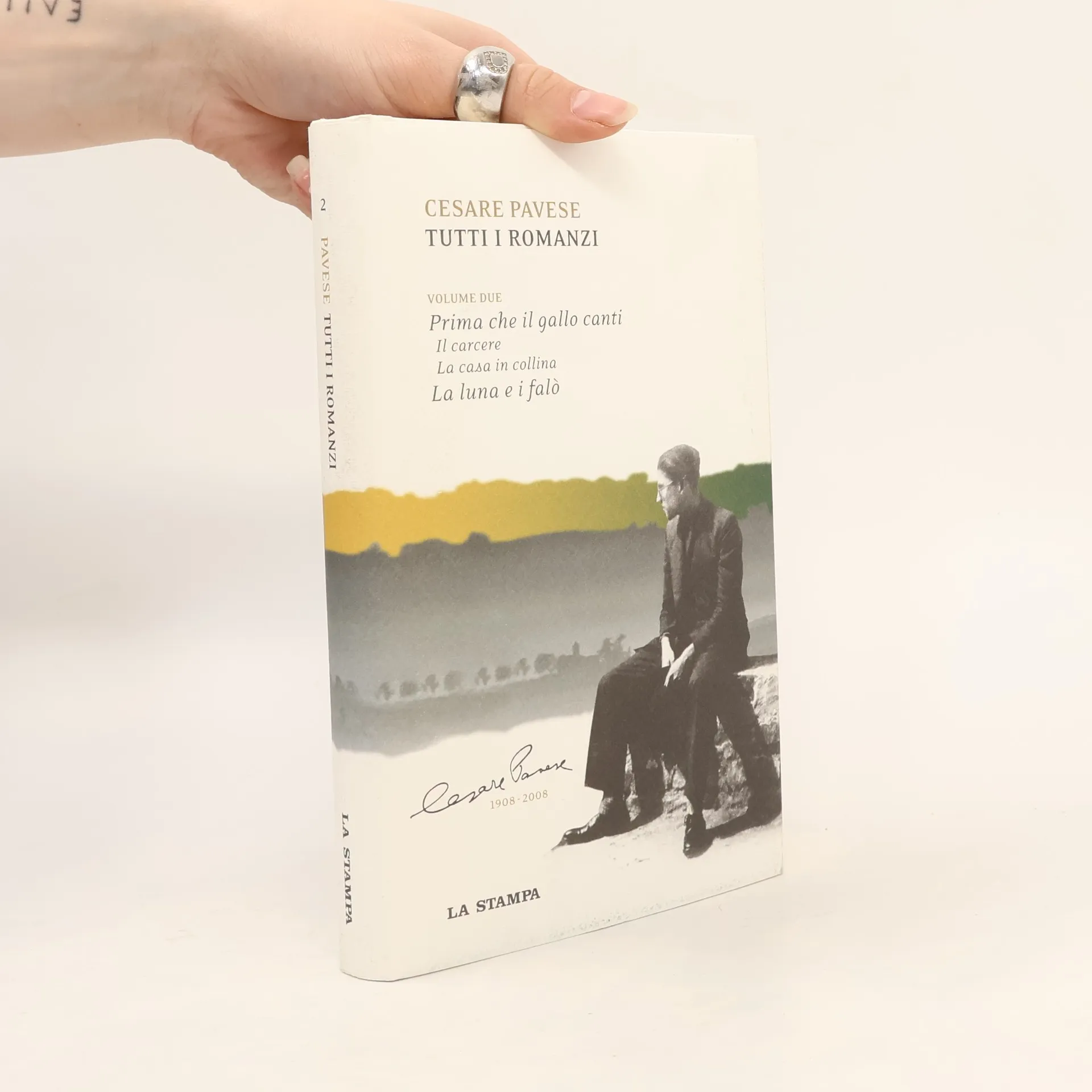
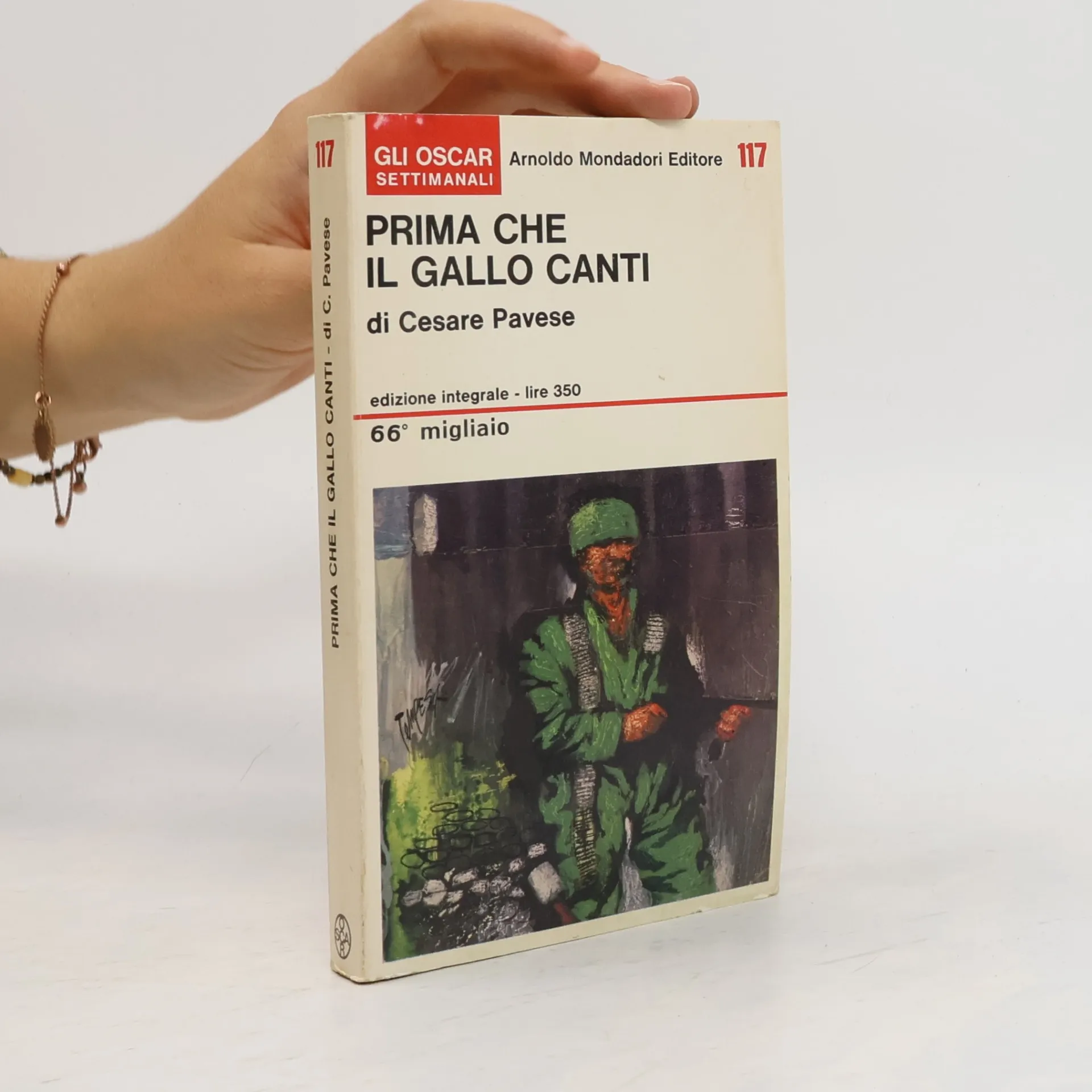
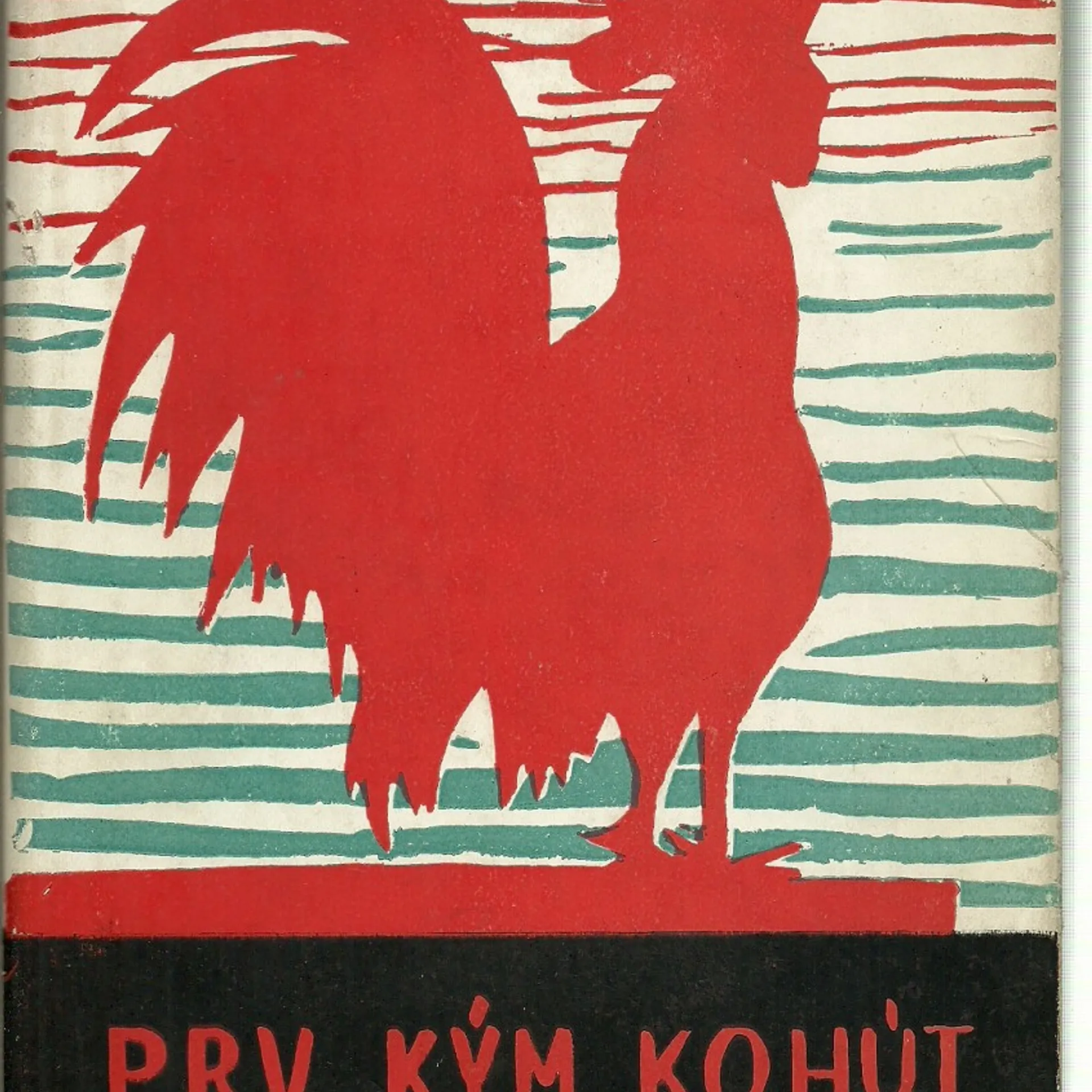
Prima che il gallo canti: Il carcere, La casa in collina; La luna e i falò
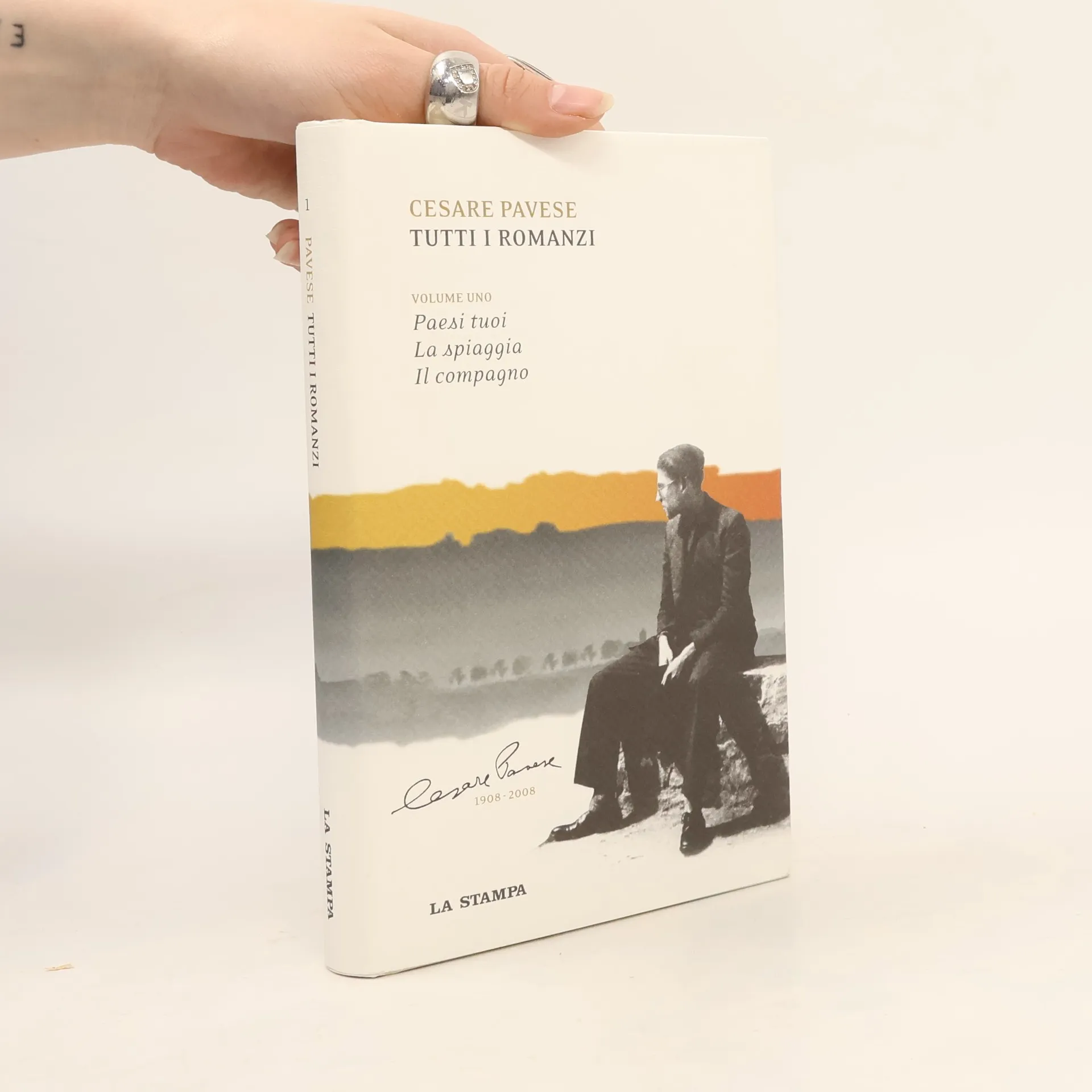
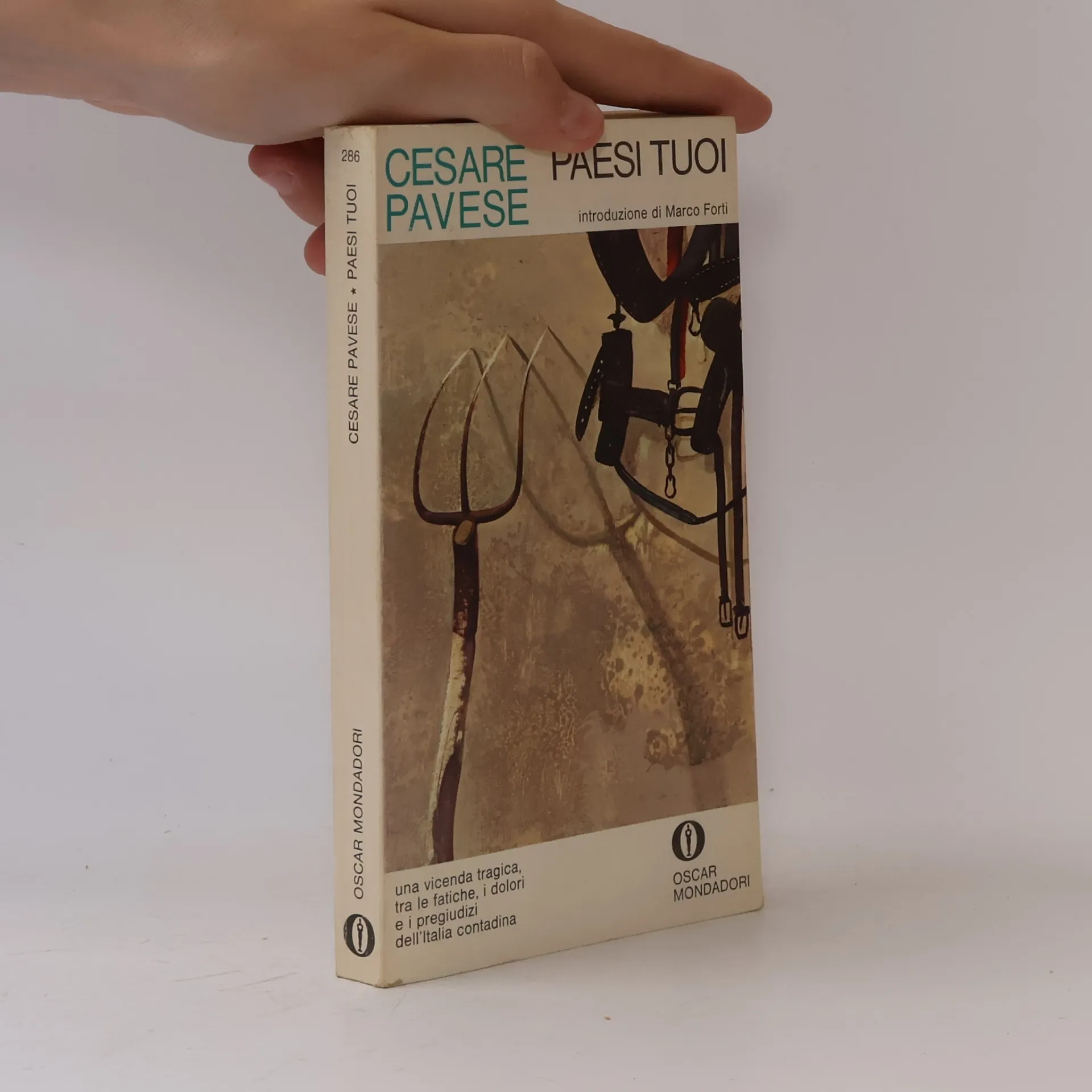
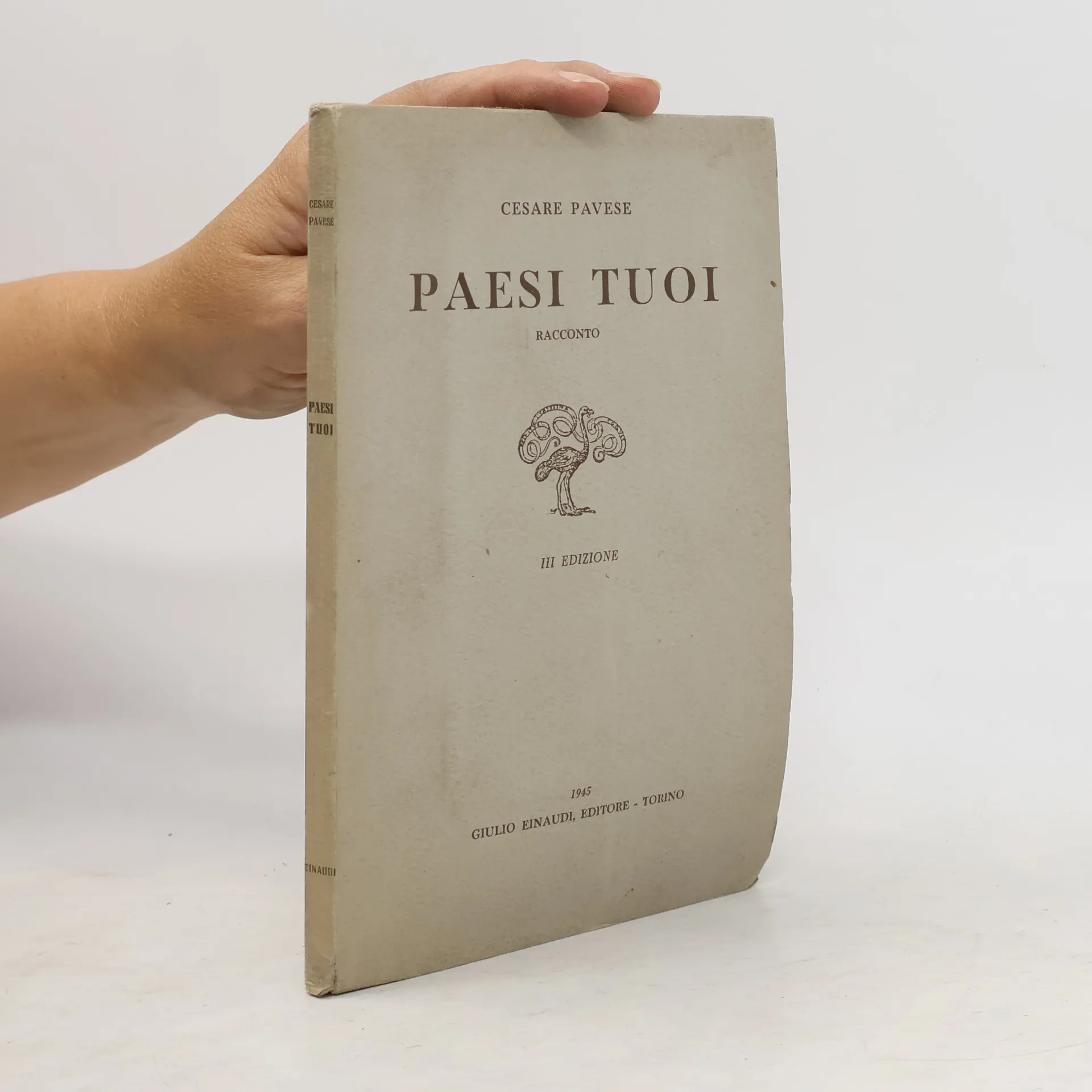
Paesi tuoi, La spiaggia, Il compagno
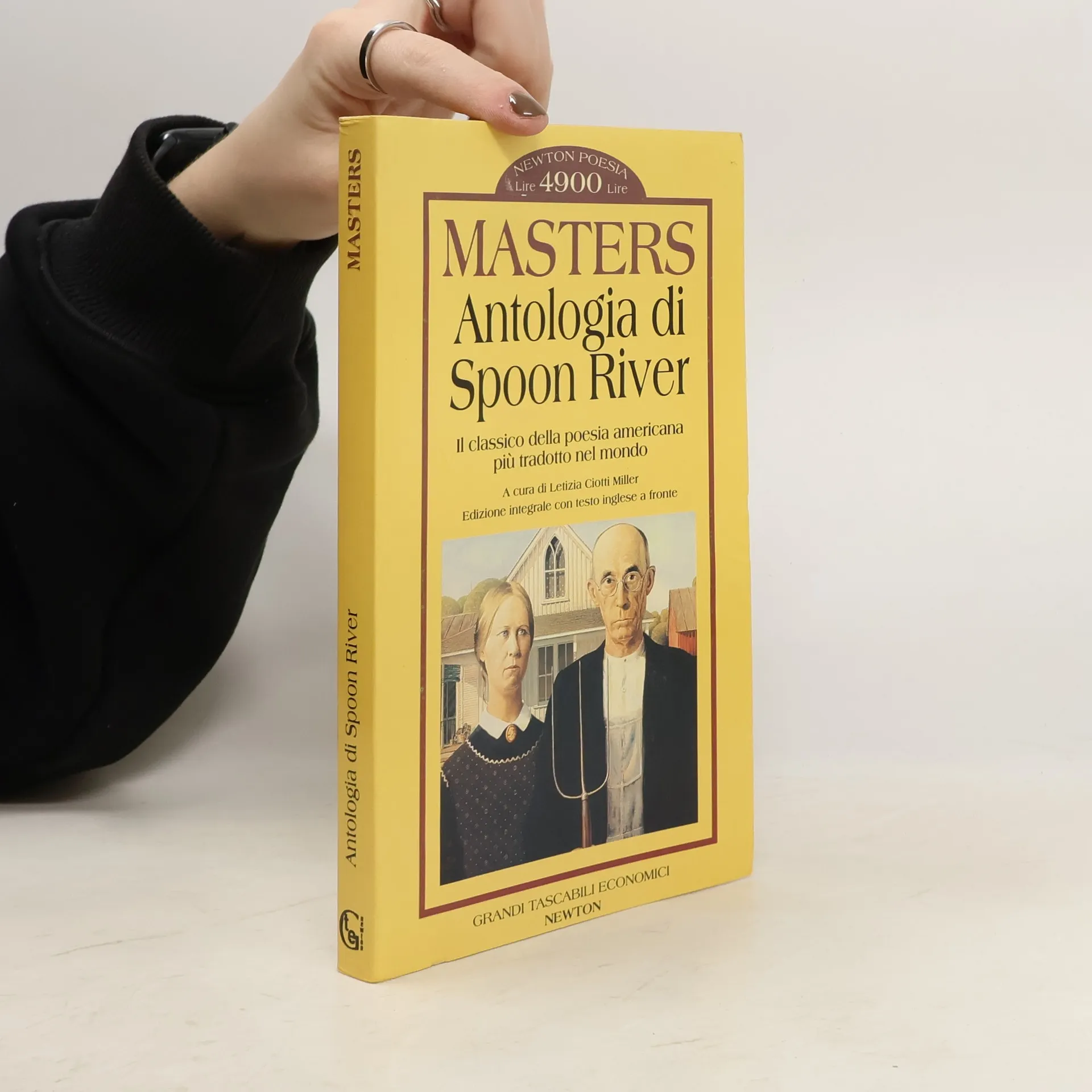
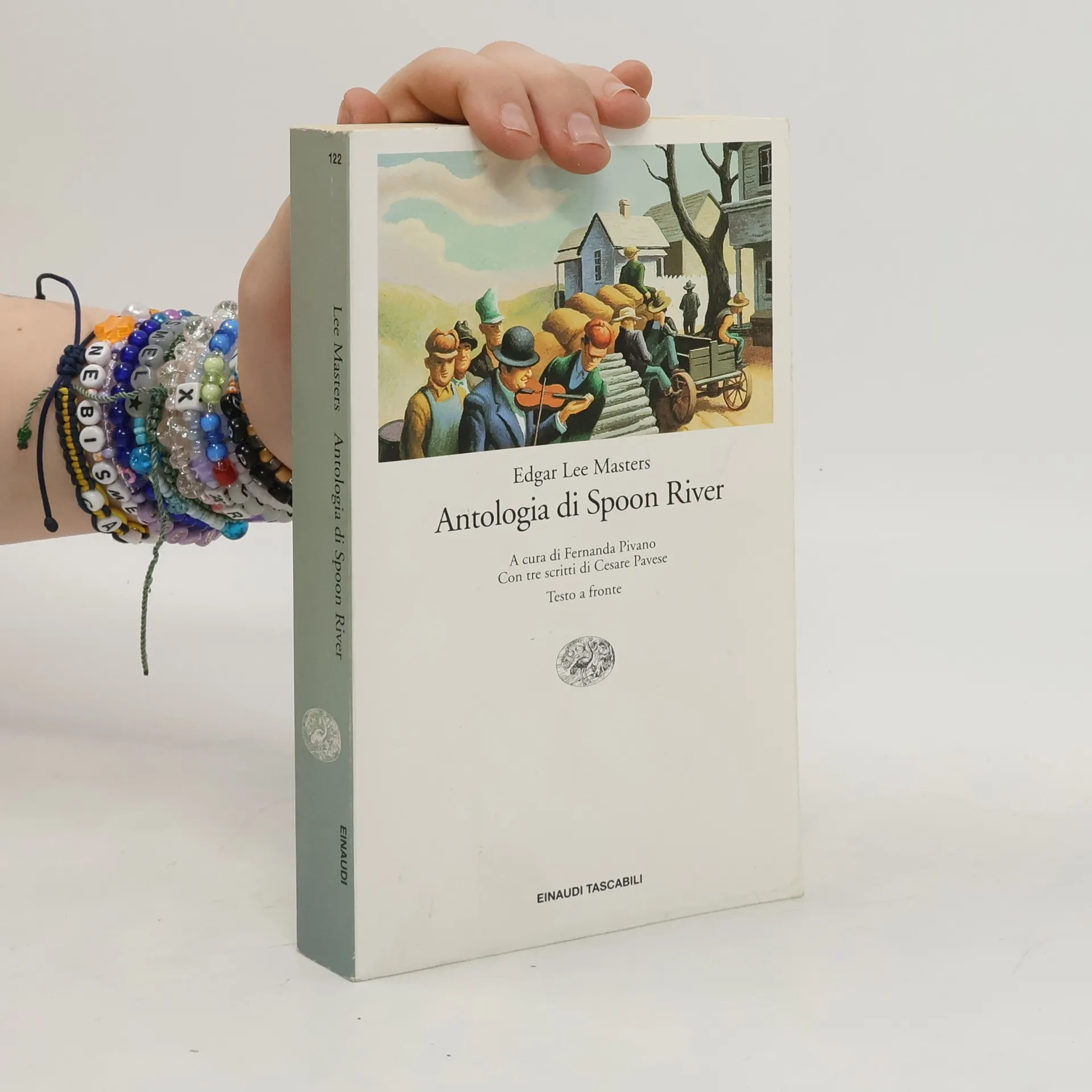
Da quando Cesare Pavese la presentò nel 1941 nella bella traduzione di Fernanda Pivano, Spoon River Anthology non ha conosciuto soste nella fortuna presso il pubblico dei lettori italiani. E il segreto sta probabilmente nella poetica, universale verità dei personaggi di quella che è stata definita la commedia umana degli Stati Uniti. Spoon River è qualcosa infatti tra la lirica e la narrativa. La storia di una piccola città americana con le sue mille vite, ognuna chiusa nel suo dramma e raccontata attraverso le lapidi del suo cimitero. Con testo a fronte.
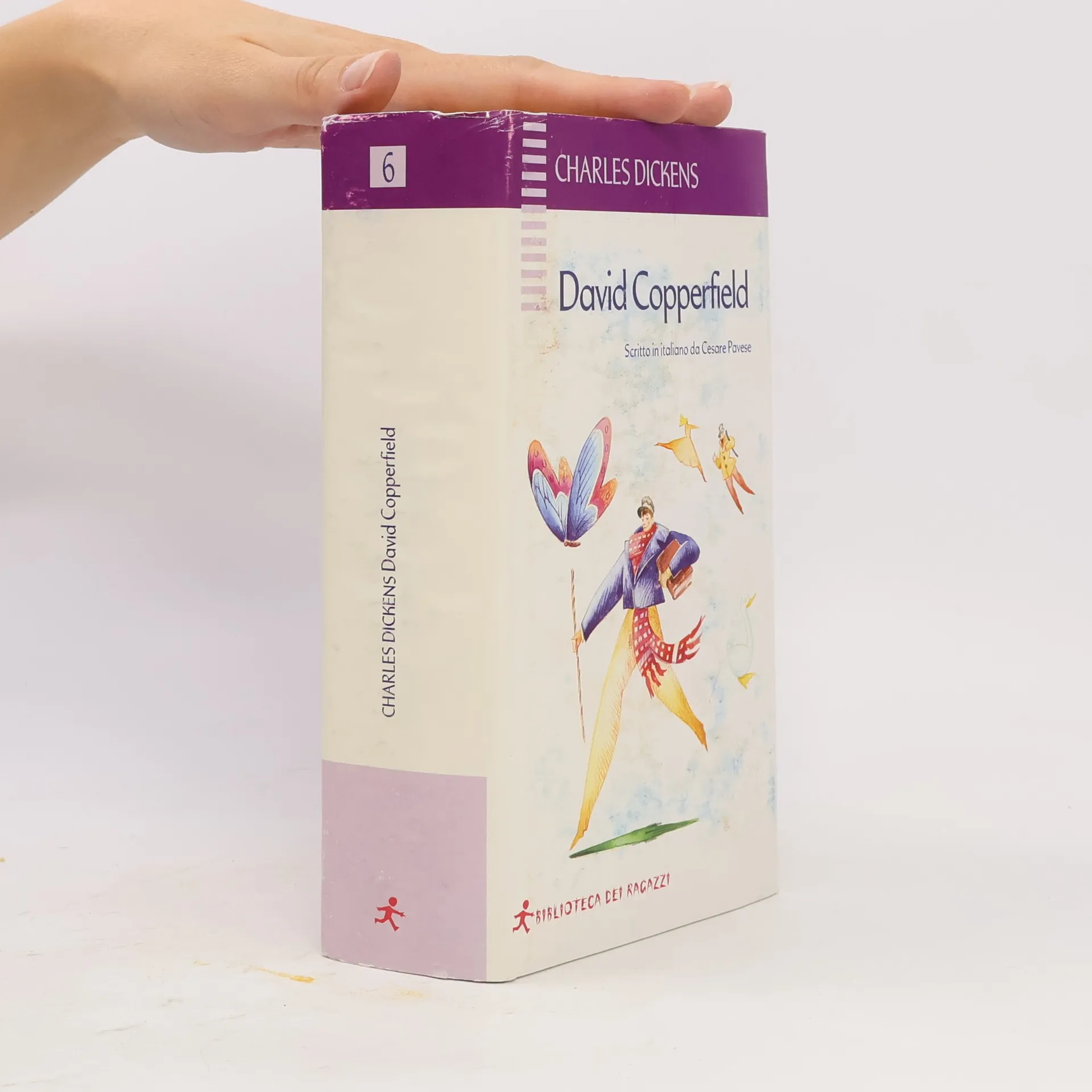
Scritto in italiano da Cesare Pavese
Il libro riunisce brevi racconti, osservazioni di politica e di costume, aforismi che affrontano vari temi, dalla crisi energetica alla finanza, dalla psicologia alla letteratura. Comune a tutti è l'espressione di una "assunzione di responsabilità", di una dichiarazione d'impegno sociale che mira a sradicare frasi fatte, luoghi comuni e modi di pensare vecchi e "passivi".
Bundeling van de gedichten van de Italiaanse schrijver (1908-1952) met vertaling.
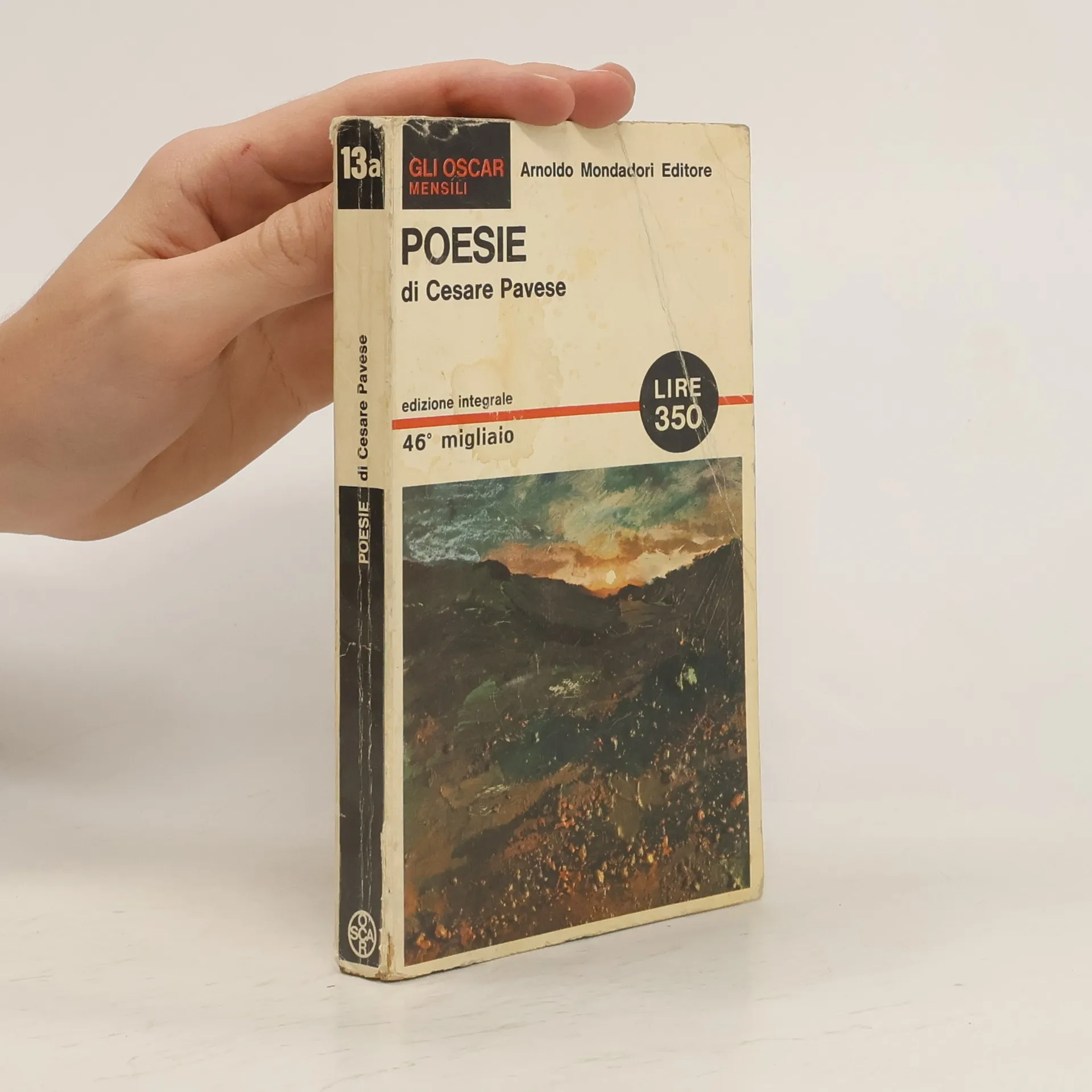
Cesare Pavese was one of Italy's great post-war writers. His poetry was revolutionary-both artistically and politically-rejecting the verbal and philosophical constraints of tradition and utilizing direct, colloquial language. His subjects were peasants, hobos, and prostitutes, and this bilingual volume includes all the poetry Pavese ever published, including work originally deleted by Fascist censors. A landmark volume. Cesare Pavese (1908-50) was a novelist, poet, and translator and a major literary figure in post-war Italy. He brought American influence to Italian literature through his translations. Pavese's flight from the Fascists and subsequent confinement were reflected in his writings, which dealt with social struggle and revealed his sympathy for the oppressed. He committed suicide at the height of his literary powers. A Kage-an Series Book
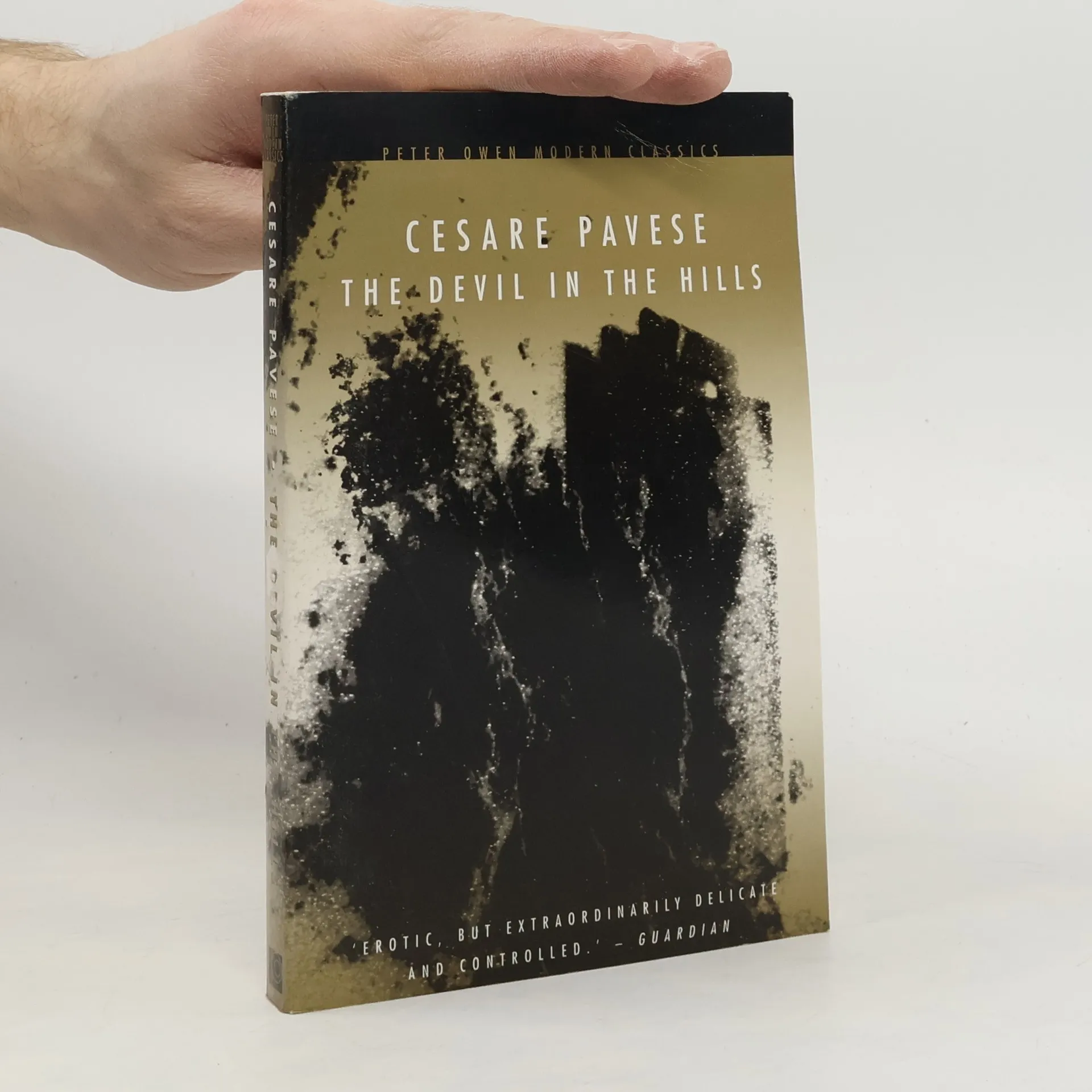
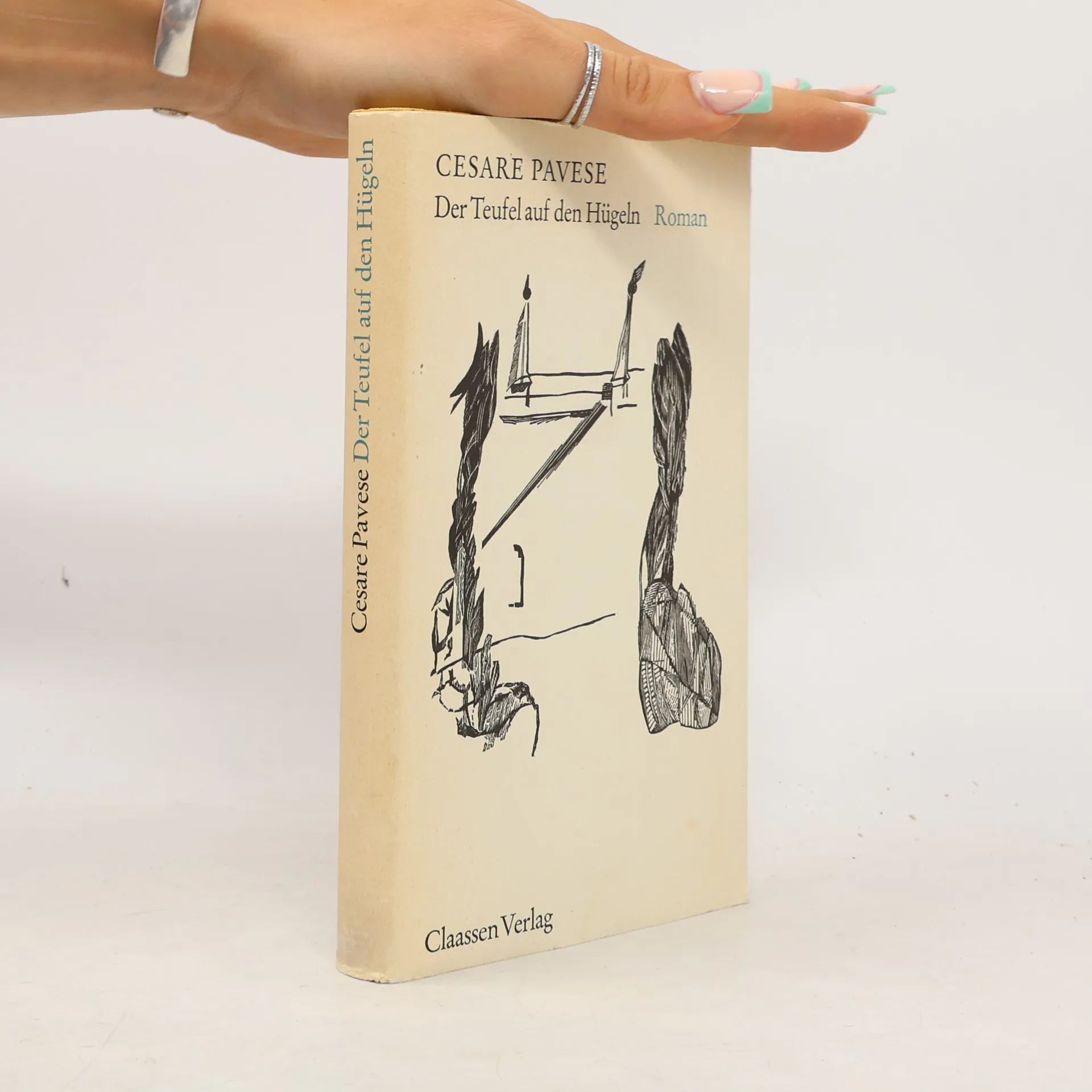
Set amongst the hills, vineyards, and villages of Piedmont, The Devil in the Hills centres on three young men as they spend what is seemingly their last free summer talking, drinking, sunbathing, and enjoying life. Fascinated with their wealthy acquaintance, Poli, they soon find themselves embedded in his world—his cocaine addiction, his blasphemy, and his corrupt circle of friends.
Con tre scritti di Cesare Pavese. Testo inglese a fronte
Da quando Cesare Pavese la presentò nel 1941 nella bella traduzione di Fernanda Pivano, Spoon River Anthology non ha conosciuto soste nella fortuna presso il pubblico dei lettori italiani. E il segreto sta probabilmente nella poetica, universale verità dei personaggi di quella che è stata definita la commedia umana degli Stati Uniti. Spoon River è qualcosa infatti tra la lirica e la narrativa. La storia di una piccola città americana con le sue mille vite, ognuna chiusa nel suo dramma e raccontata attraverso le lapidi del suo cimitero. Con testo a fronte.
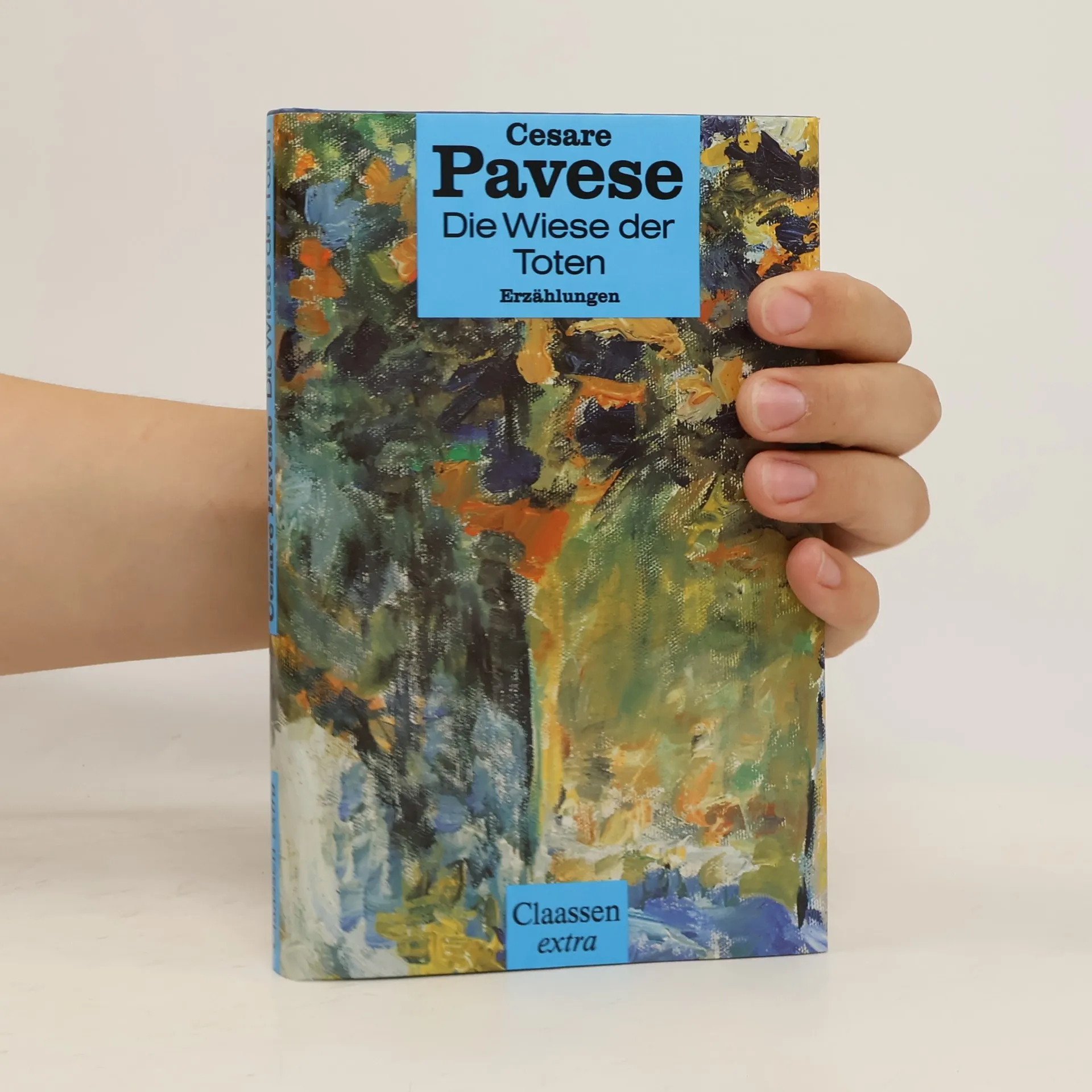
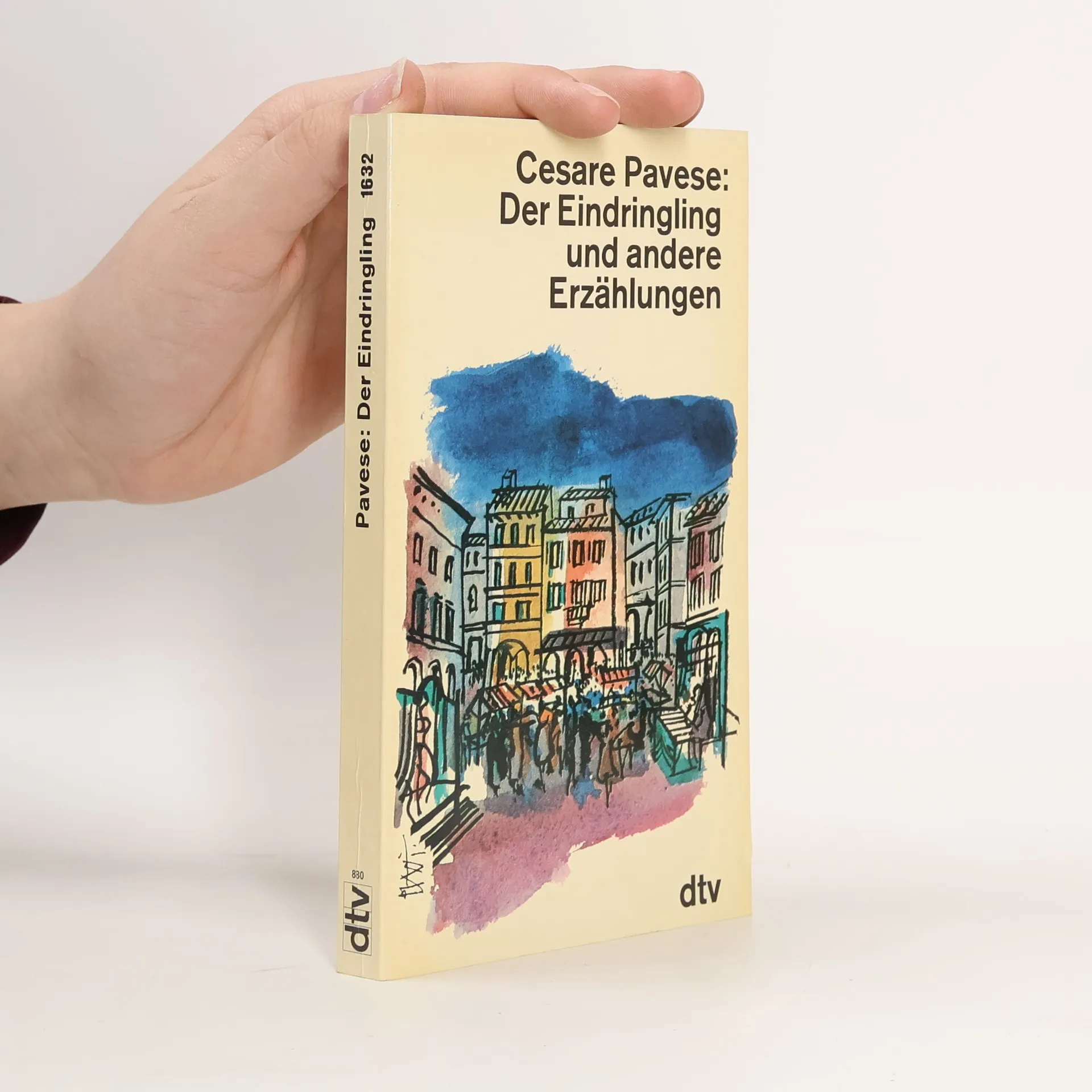
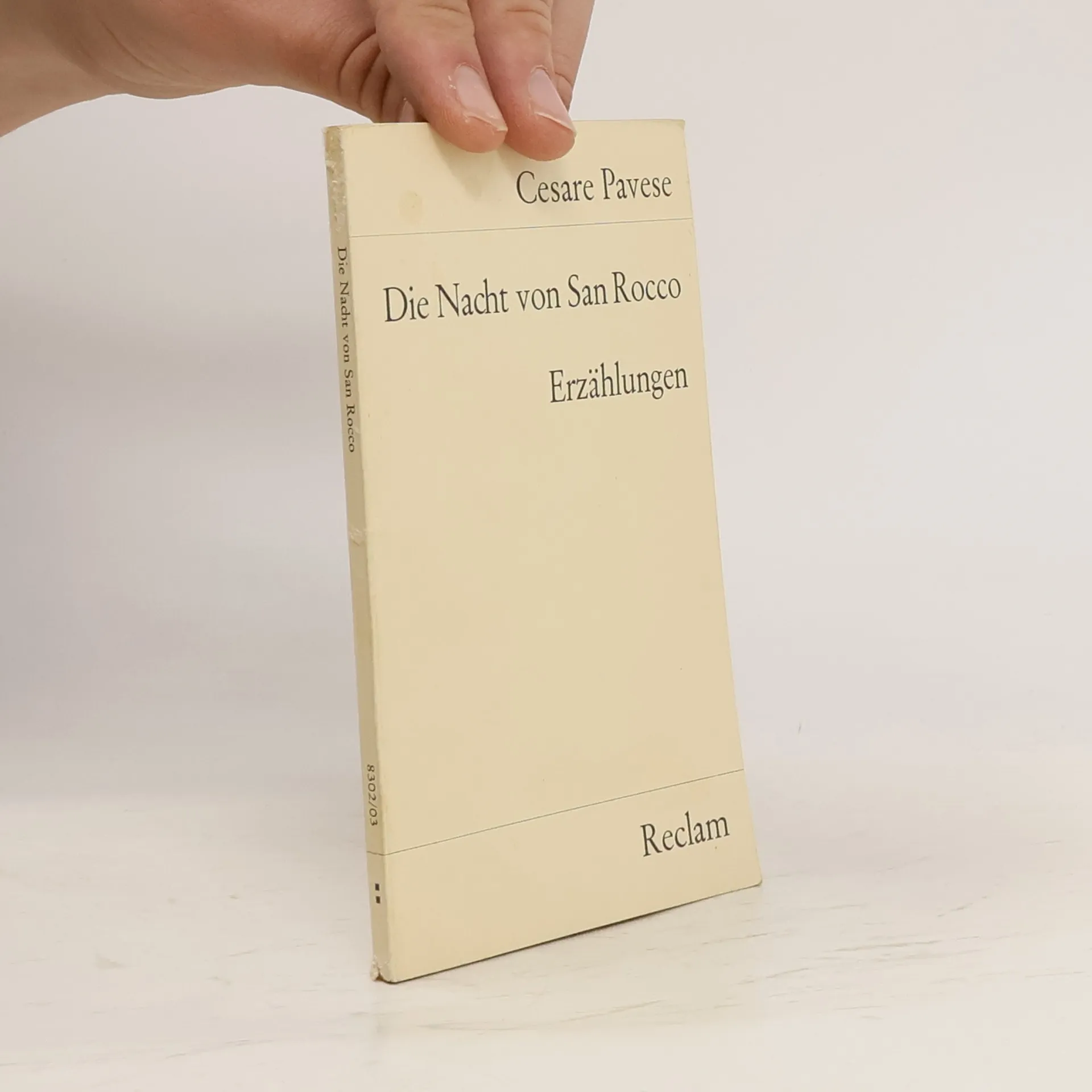
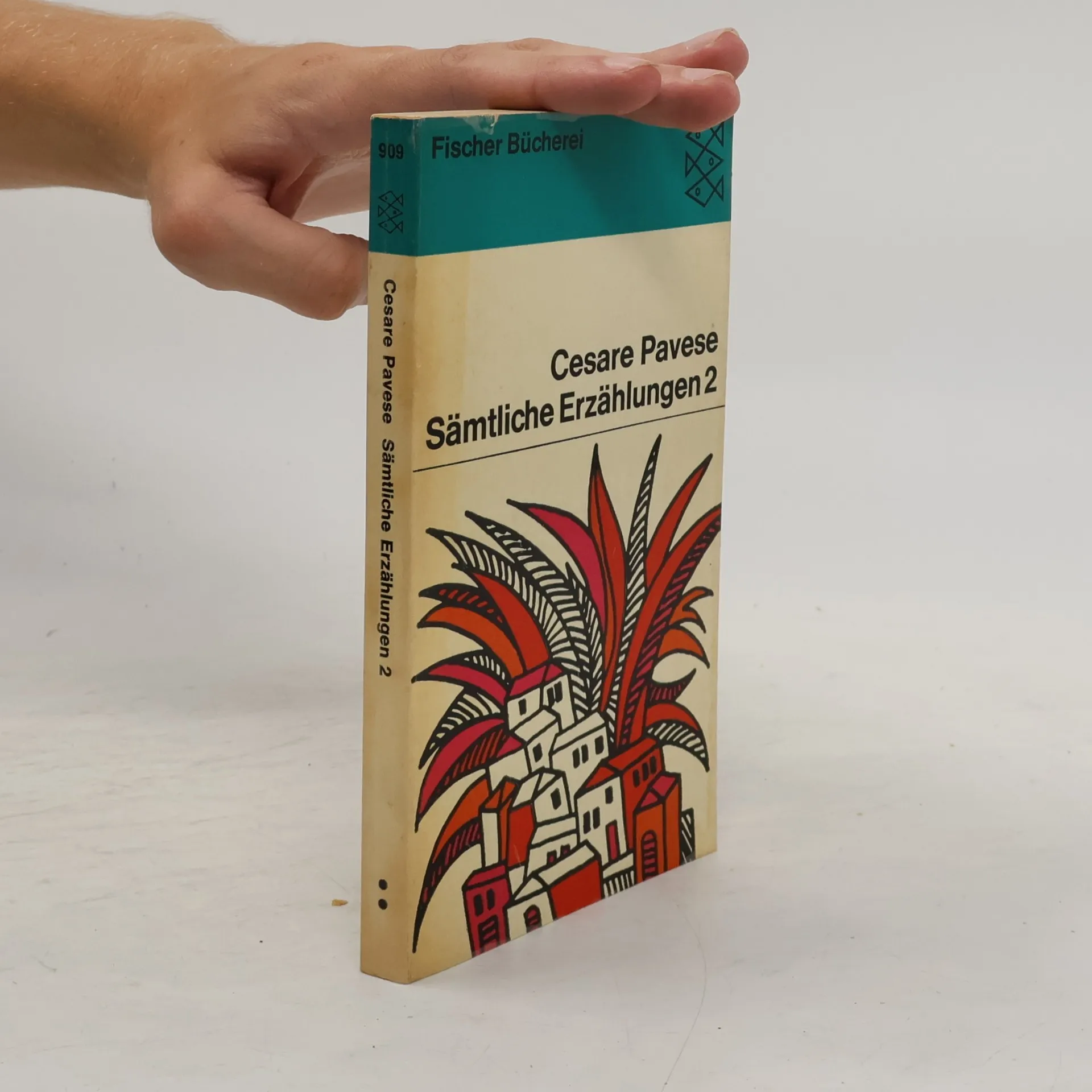
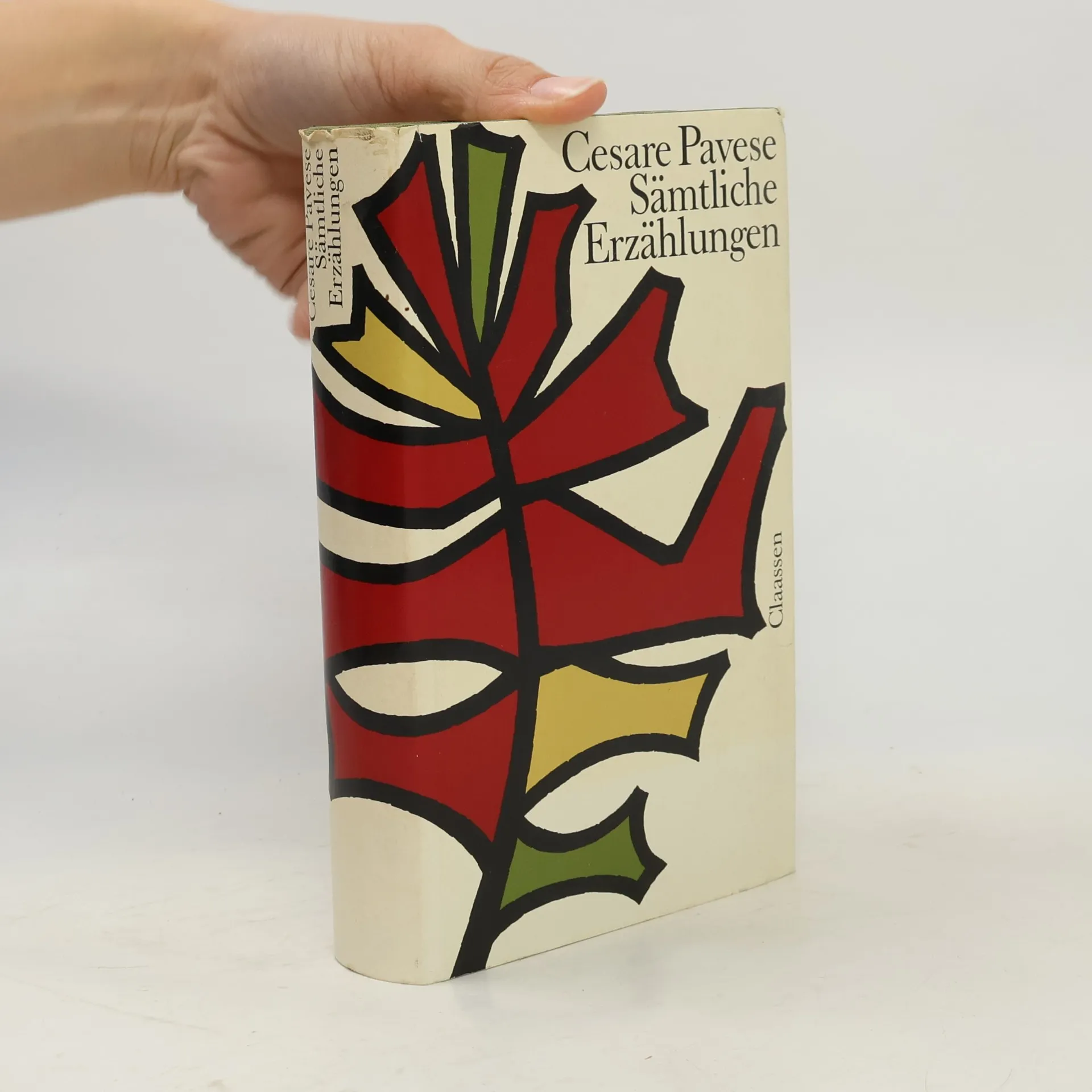
Die Erzählungen des großen italienischen Schriftstellers aus den Jahren 1940 bis 1946.
Exploring themes of isolation and emotional detachment, the first novella delves into the life of an anti-fascist ex-prisoner at a secluded Italian resort, highlighting the complexities of a loveless sexual relationship. The second story shifts to a vibrant colony of artists and models in Turin, addressing issues of corruption and personal growth. Cesare Pavese's nuanced storytelling captures the struggles of individuals grappling with societal and personal challenges.
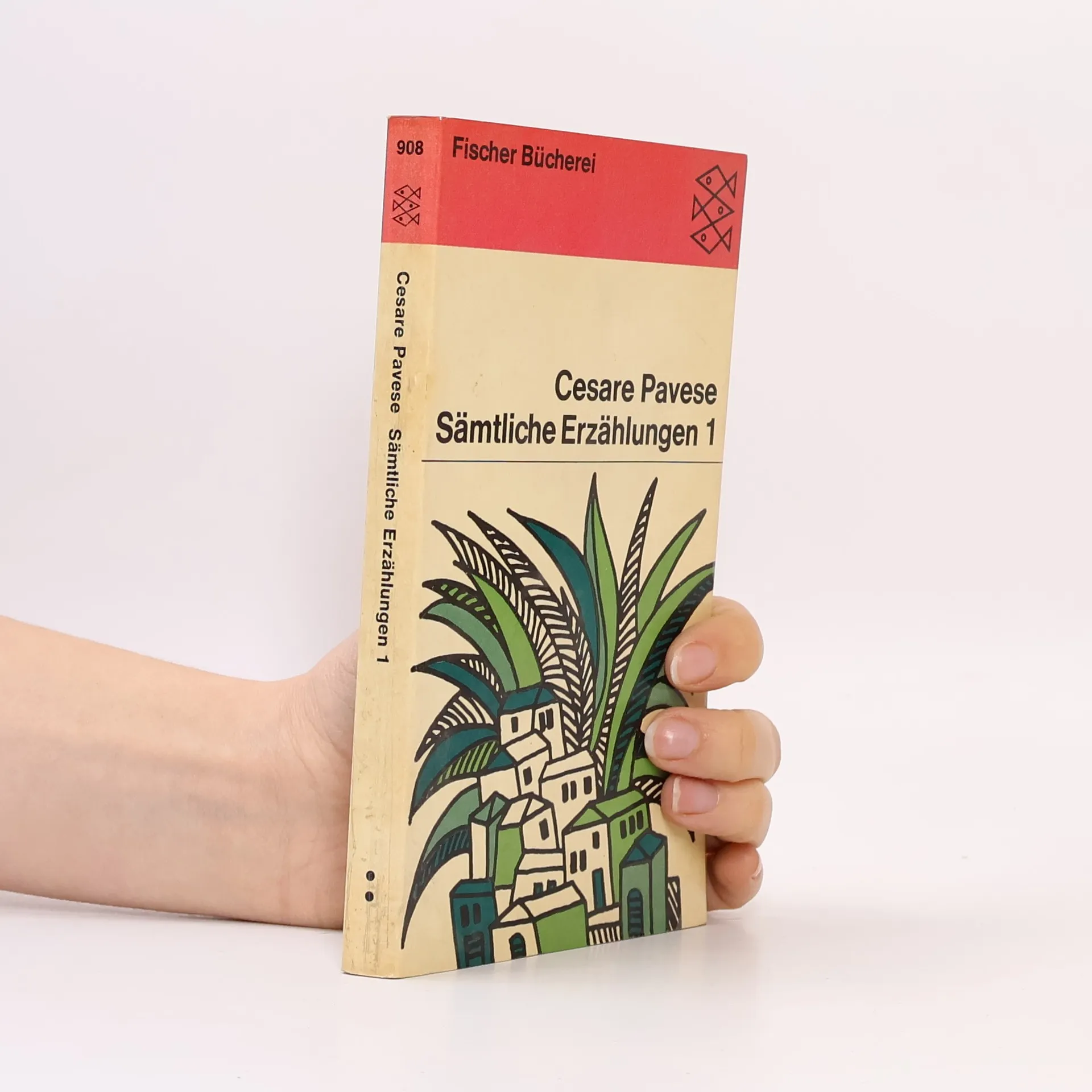
Hier wie in seinen anderen Schriften variiert Pavese immer wieder seine Themen: Glück und Einsamkeit, Krieg und Verbannung, Sehnsucht und Leidenschaft. Am Ende geht es immer um die Vergeblichkeit, Liebe oder Geborgenheit zu erlangen oder gar zu bewahren.
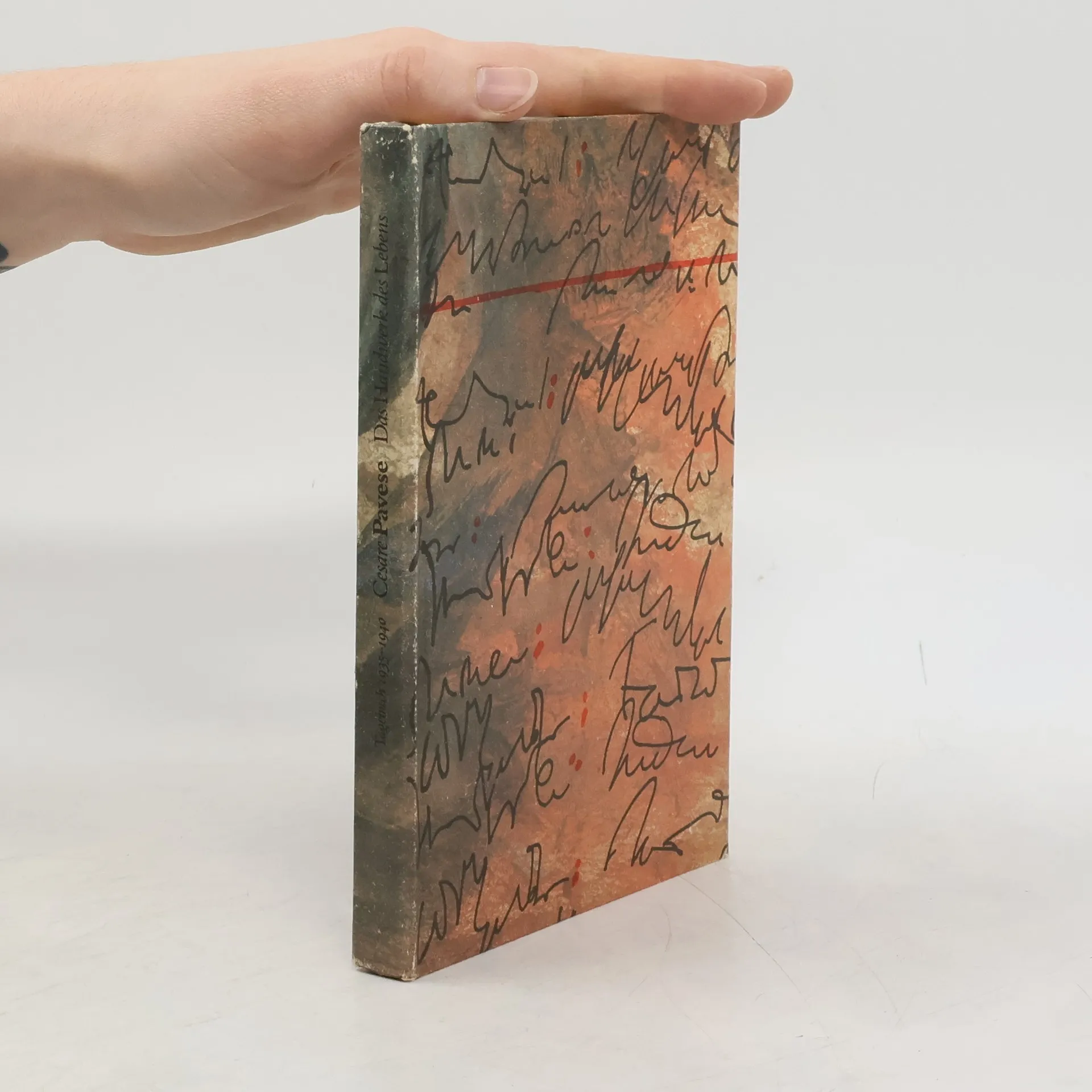
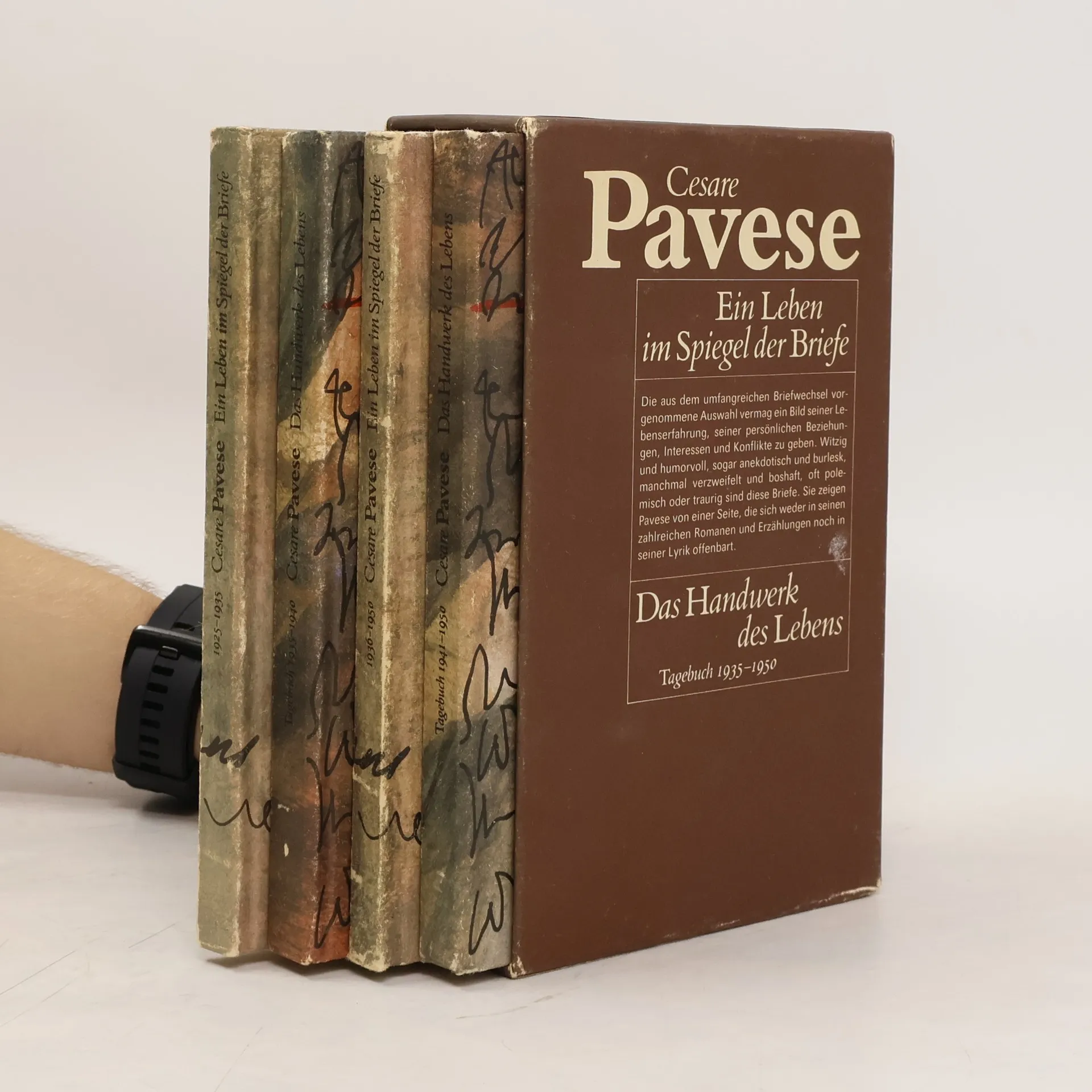
Tagenbuch 1935-1940
V románe vládne bezstarostné ovzdušie študentského priateľstva, lások, nekonečných debát do noci pri poháriku.
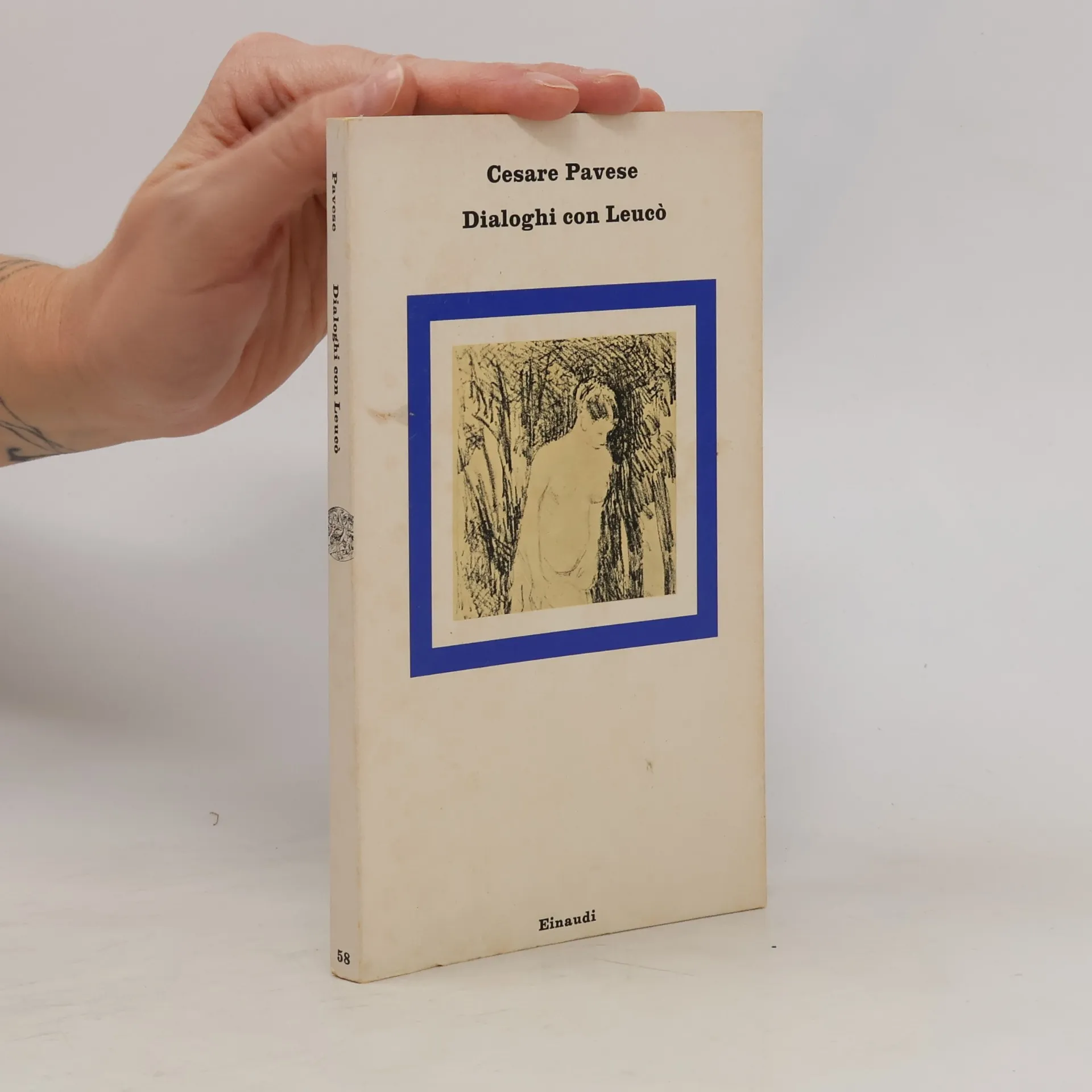
Ventisei dialoghi brevi ma carichi di tensione, suadenti eppur sconfinanti nel tragico, in cui gli dèi e gli eroi della Grecia classica (da Edipo e Tiresia a Calipso e Odisseo, da Eros e Tànatos a Achille e Patroclo) sono invitati a discutere il rapporto tra uomo e natura, il carattere ineluttabile del destino, la necessità del dolore e l'irrevocabile condanna della morte. Un «capriccio serissimo», unico, in cui - come scrive nell'introduzione Sergio Givone - il mito è riproposto come «qualcosa di necessario», la cui poesia «ne rivela la cifra misteriosa e crudele». Completano il volume le note tratte dai manoscritti di Pavese e la presentazione da lui scritta per la prima edizione, la cronologia della vita e delle opere, la bibliografia ragionata e l'antologia della critica.
Spoločným problémom týchto dvoch románov je otázka mravná. Sám autor ich nazval "vidieckymi románmi" nielen preto, že ich pozadie tvorí krajina v okolí Turína a Piemontu, ale hlavne preto, že sa v nich stretávame s vidiečanmi, ktorí akoby boli zablúdili do mestského prostredia. Taký je Guido, maliar a Doro, prežívajúci manželskú aj umeleckú krízu...
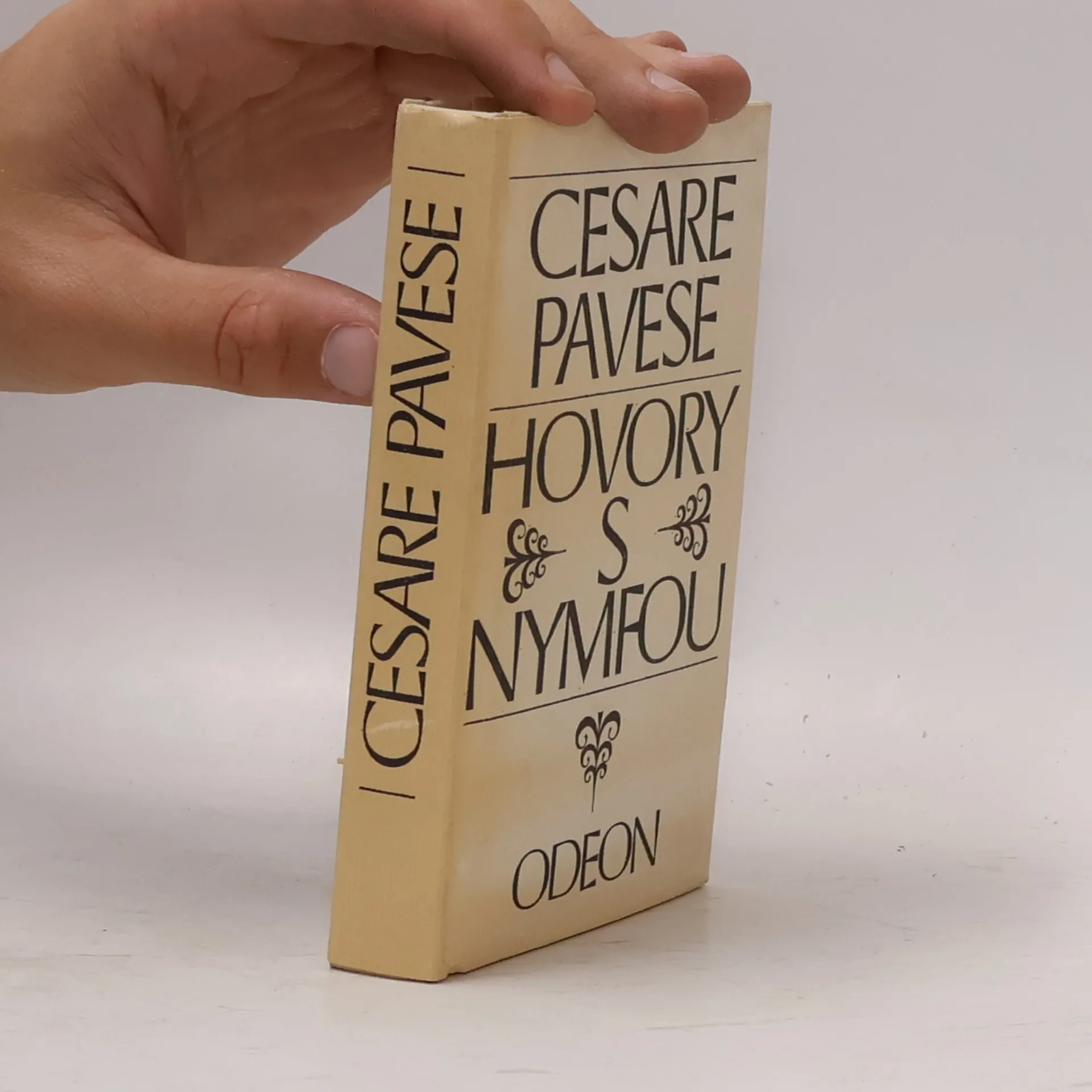
Lyrické dialogy či spíše drobná dramata, v nichž spolu hovoří mytologičtí hrdinové.
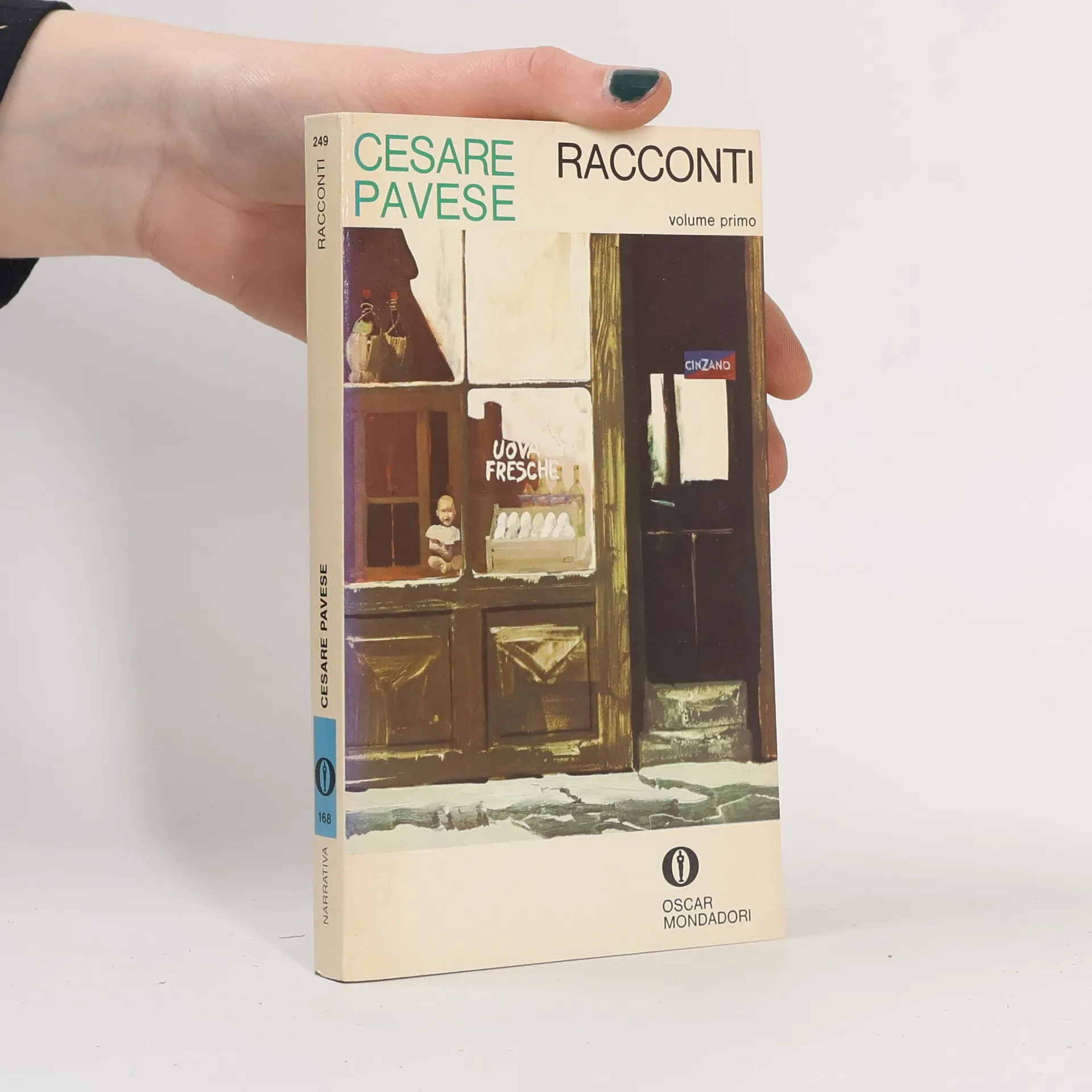
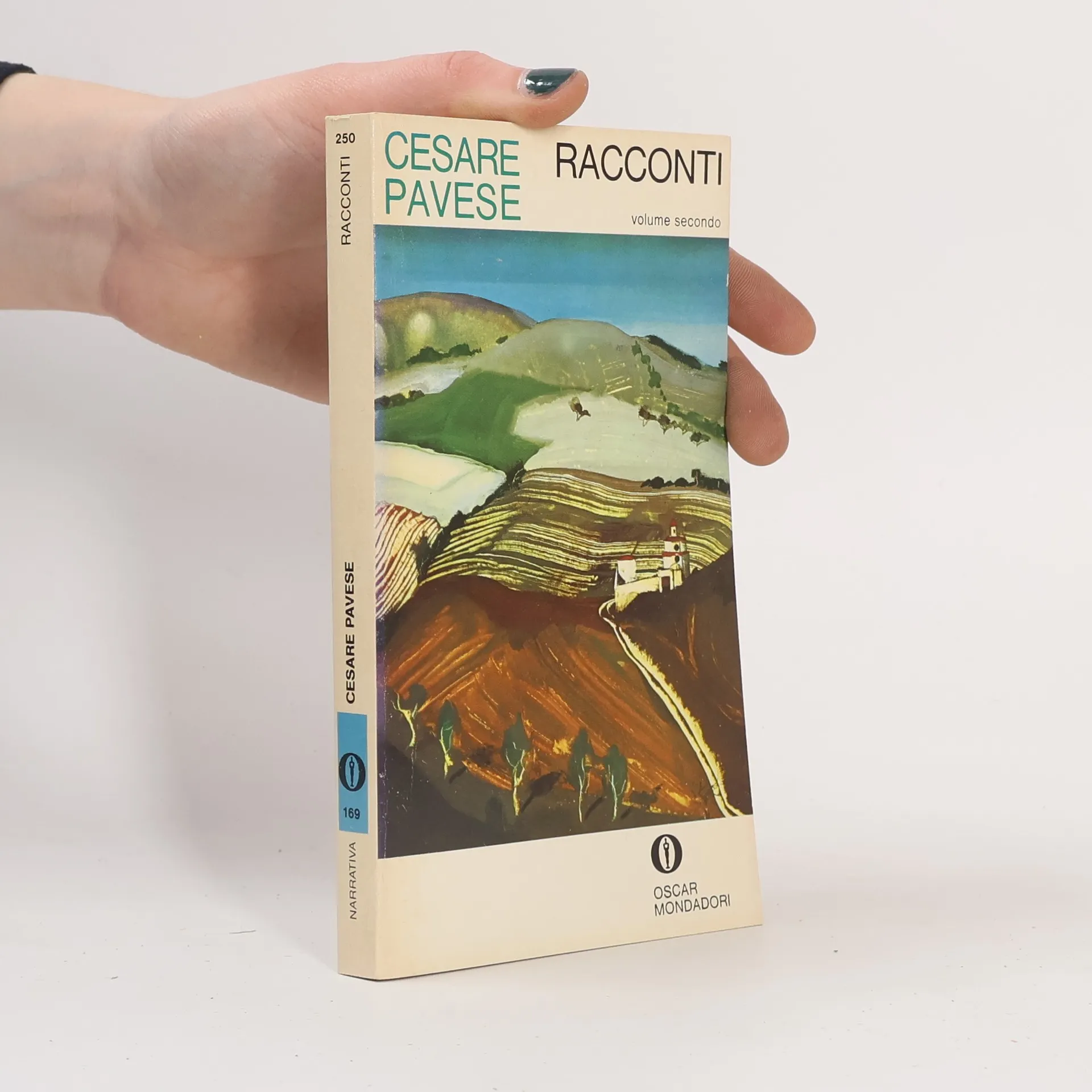
"Racconti 1-2" è una raccolta di racconti di Cesare Pavese, uno dei più importanti scrittori italiani del XX secolo. Questa edizione comprende due volumi che esplorano una varietà di temi legati alla vita, all'amore, alla solitudine e alla ricerca di identità. I racconti sono ambientati principalmente in Piemonte, la regione natale dell'autore, e riflettono un profondo legame con il paesaggio e la cultura locale. Le storie presentano personaggi complessi e sfaccettati, spesso alle prese con dilemmi esistenziali e relazioni interpersonali difficili. Pavese utilizza uno stile narrativo sobrio e incisivo, capace di evocare emozioni e atmosfere attraverso descrizioni dettagliate e una prosa precisa. I temi della nostalgia, della memoria e della condizione umana sono ricorrenti, rendendo i racconti un'analisi profonda della vita quotidiana e delle sue sfide. Questa raccolta offre una panoramica significativa del pensiero e della sensibilità di Pavese, evidenziando la sua capacità di catturare l'essenza della vita attraverso la narrativa. I lettori possono aspettarsi un viaggio attraverso le complessità delle esperienze umane, con un focus sulla ricerca di significato in un mondo spesso ostile.
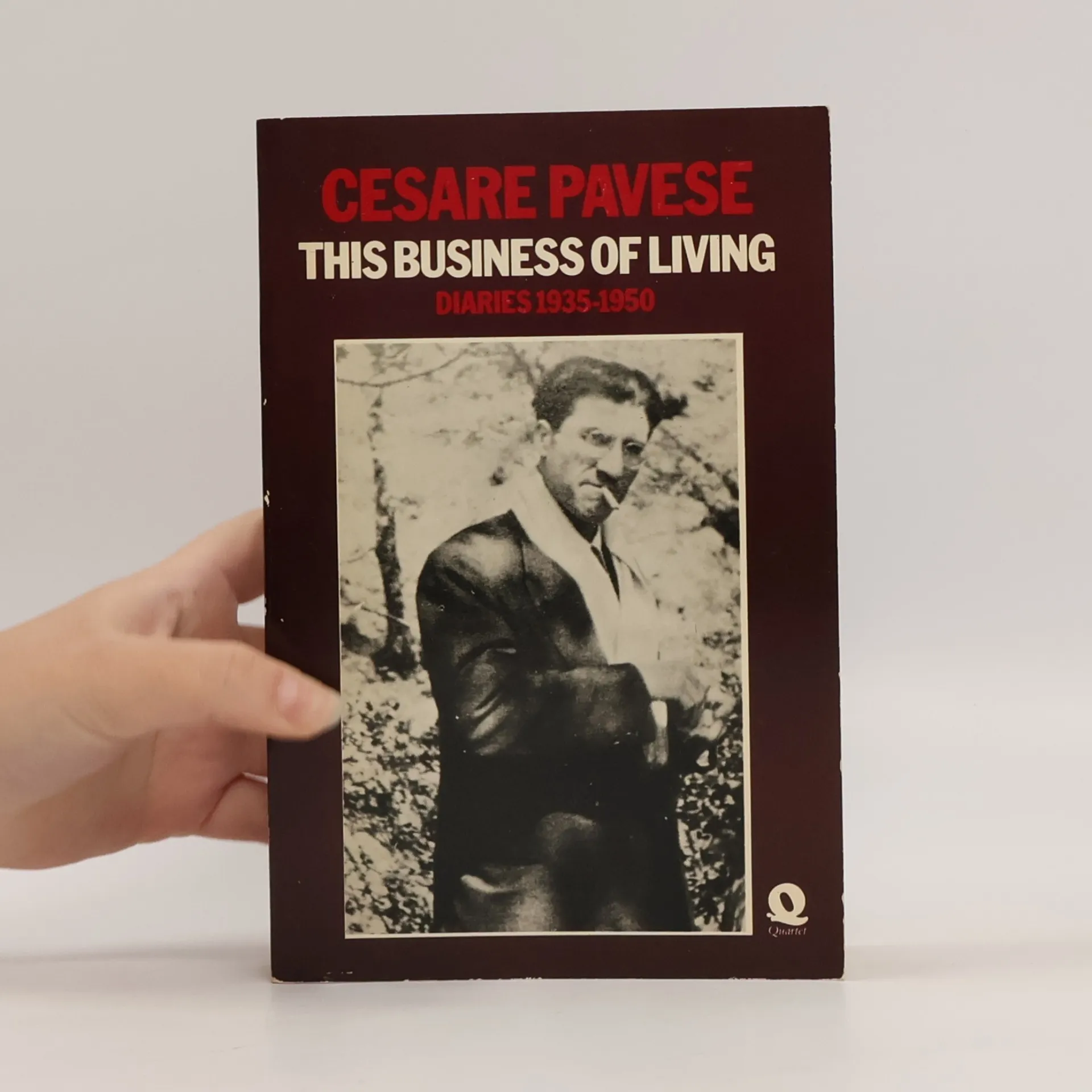
On June 23rd, 1950, Cesare Pavese, Italy’s greatest modern writer received the coveted Strega Award for his novel 'Among Women Only'. On August 26th, in a small hotel in his home town of Turin, he took his own life. Shortly before his death, Pavese methodically destroyed all his private papers. His diary is all that remains. And for this, the contemporary reader can be grateful. Contemporary speculation attributed this tragedy to either an unhappy love affair with the American film star Constance Dawling or his growing disillusionment with the Italian Communist Party. His Diaries, however, reveal a man whose art was his only means of repressing the specter of suicide which had haunted him since childhood: an obsession that finally overwhelmed him. Bitter and incisive, This Business of Living is both moving and painful to read and stands with James Joyce’s Letters and Andre Gide’s Journals as one of the great literary testaments of the twentieth century.
Příběh proletářského turínského chlapce a jeho cesty k aktivnímu odporu proti fašismu.
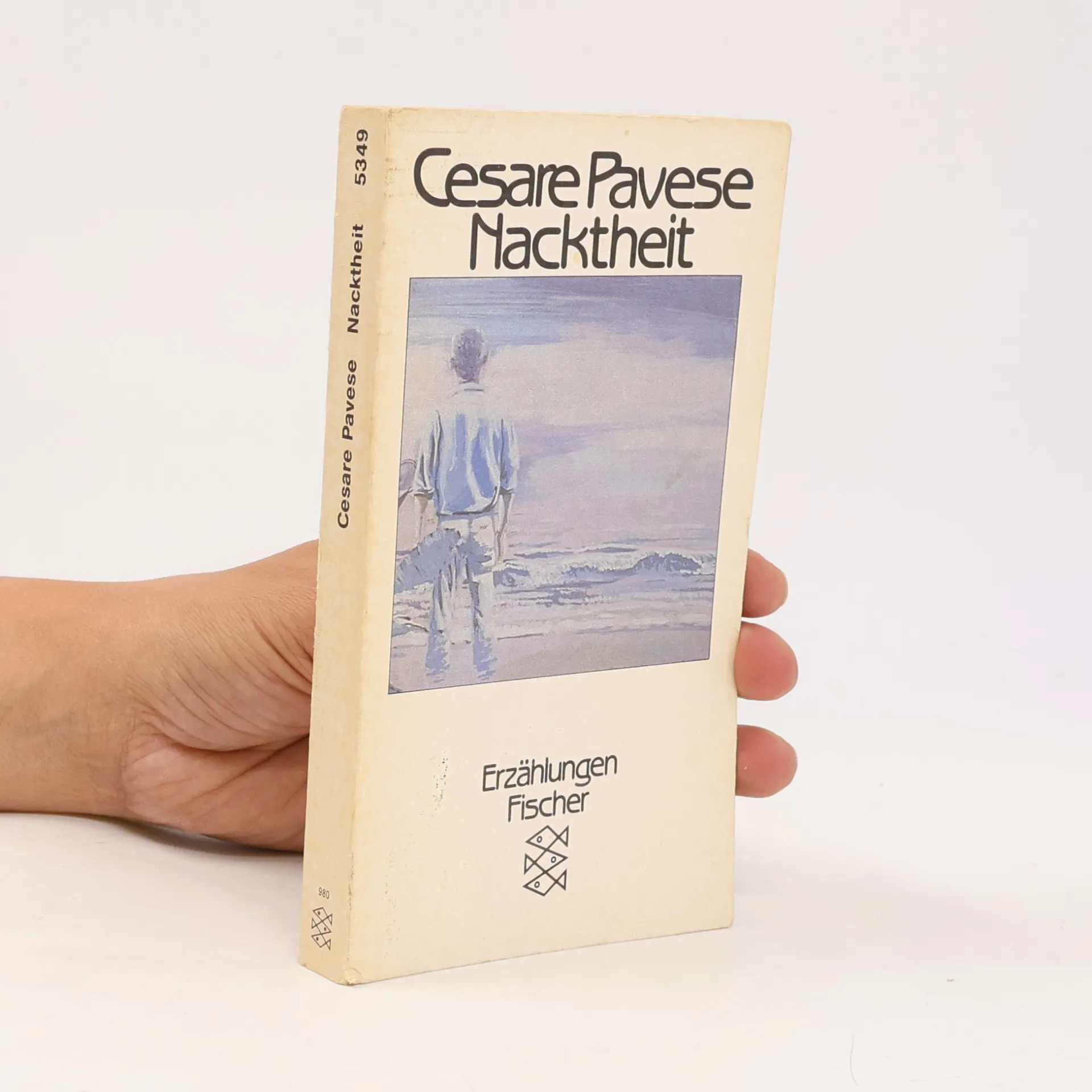
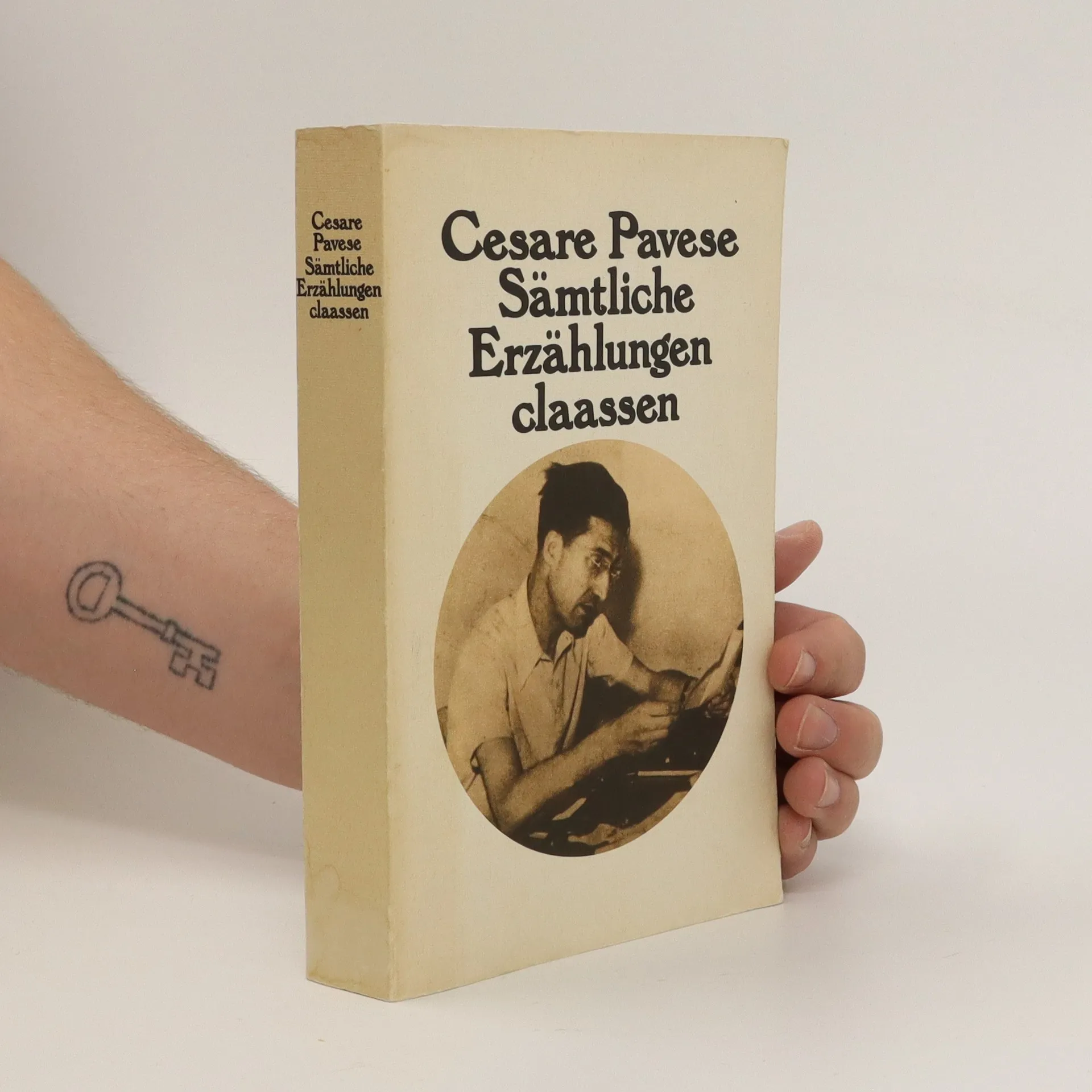
Die Erzählungen des großen italienischen Schriftstellers Cesare Pavese aus den Jahren 1936 bis 1938: Geschichten, die vom Rausch der Jugend und der Liebe handeln, von Glück und Einsamkeit, von Krieg und Verbannung, von Leidenschaften und unstillbarer Sehnsucht.
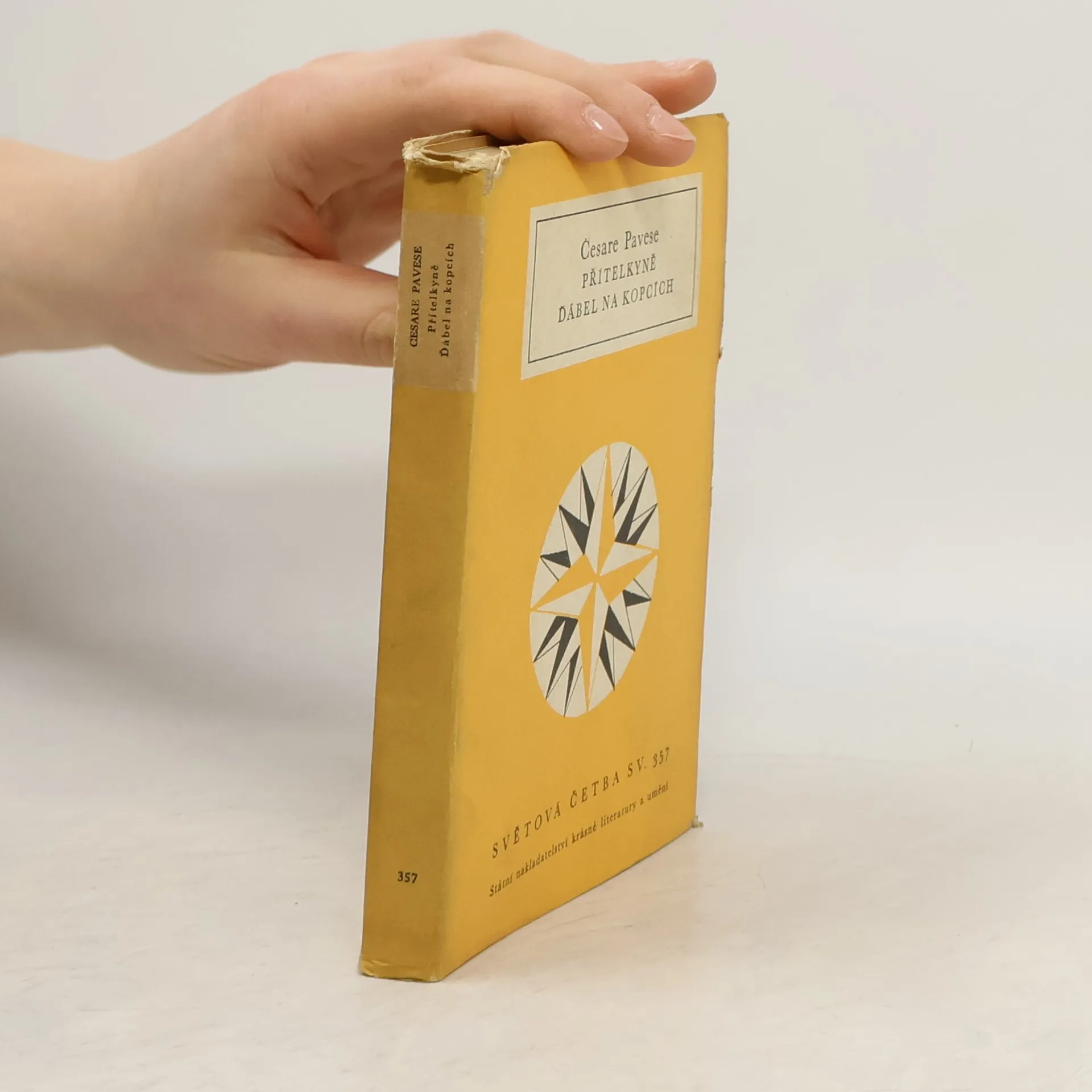
Svazek zahrnuje novely: Pláž (La spiaggia, 1941), Vězení (Il carcere, 1948), Dům na kopci (La casa in collina, 1948).
'Pavese's novels are works of an extraordinary depth where one never stops finding new levels, new meanings' Italo Calvino June, 1943. Allied aircraft are bombing Turin; fascist Italy is on its knees. Every evening, after a day's teaching in the city, Corrado returns to the safety of the hills and the care of his two doting landladies. He has no attachments, no obligations. Yet against his better judgement he is drawn to the easy warmth of a circle of anti-fascists who congregate at a nearby tavern, and confronted with a painful choice: emotional and political commitment, with all its dangers - or devastating retreat. Pavese's extraordinary semi-autobiographical novel is a lucid portrayal of missed opportunities and human weakness, set against the seductive intensity of the Italian countryside. Translated with an introduction by Tim Parks
Prima Che Il Gallo Canti è un titolo che allude al tradimento di se stessi e dei propri ideali che entrambi i protagonisti dei due lunghi racconti scontano con un continuo e inappagato bisogno d'amore. Il giovane esiliato in un aspro paese del sud, di cui l'autore racconta i turbamenti ne "Il Carcere", cosi' come l'intellettuale de "La Casa In Collina" che tenta invano di fuggire al caos violento della guerra, riflettono il dramma tipico di un momento storico ed etico rimasto irrisolto, e forse irrisolvibile. Quello della crisi in cui ogni coscienza è condannata a dibattersi di fronte alla necessita' dell'impegno civile: impegno, pero', che a un'analisi spietata si rivela condizionamento del mito più che della storia. Mentre l'aspirazione di fondo, quella dell'innocenza e del calore umano, che costituì il nucleo centrale del dramma di Pavese, rimane sempre tradita, confermando l'autocondanna dell'uomo alla solitudine.
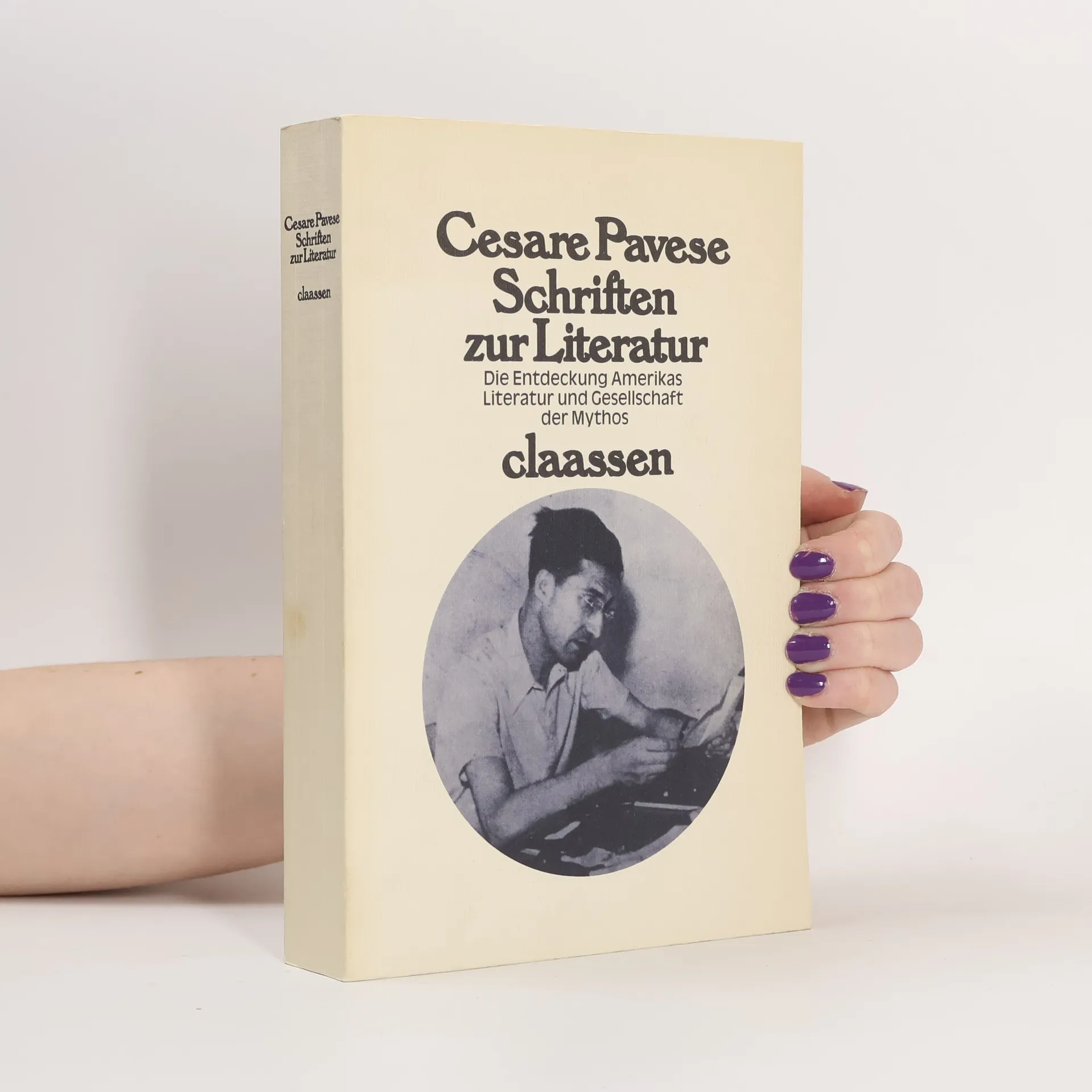
Dieser Band faßt Paveses Aufsätze zusammen und zeigt ihn als einen der maßgeblichen europäischen Essayisten und Kritiker unseres Jahrhunderts. Er vermittelt erstaunliche Einsichten in die moderne amerikanische und englische Literatur und beleuchtet das Verhältnis von Literatur und Gesellschaft, Kunst und Engagement, Sozialismus und Individualität. Von unvermindertem Rang sind auch Paveses Studien zu Wesen und Bedeutung von Mythos und Symbolik in der Dichtung. Die "Schriften zur Literatur" sind ein fundamentales Werk zum Verständnis Paveses und der kritisch-schöpferischen Auseinandersetzung des Schriftstellers mit der modernen Welt.
Oba příběhy této knihy "Přítelkyně" a Ďábel na kopcích" jsou dramaty mladých lidí, kteří se jako autor učí hořkému řemeslu žít. Prohrávají ti, kdo se jako autor nedovedou přizpůsobit požadavkům světa, ani se proti němu účinně vzbouřit a najít si svůj part.
Román z prostředí zaostalého italského venkova s tematikou protifašistického odboje.
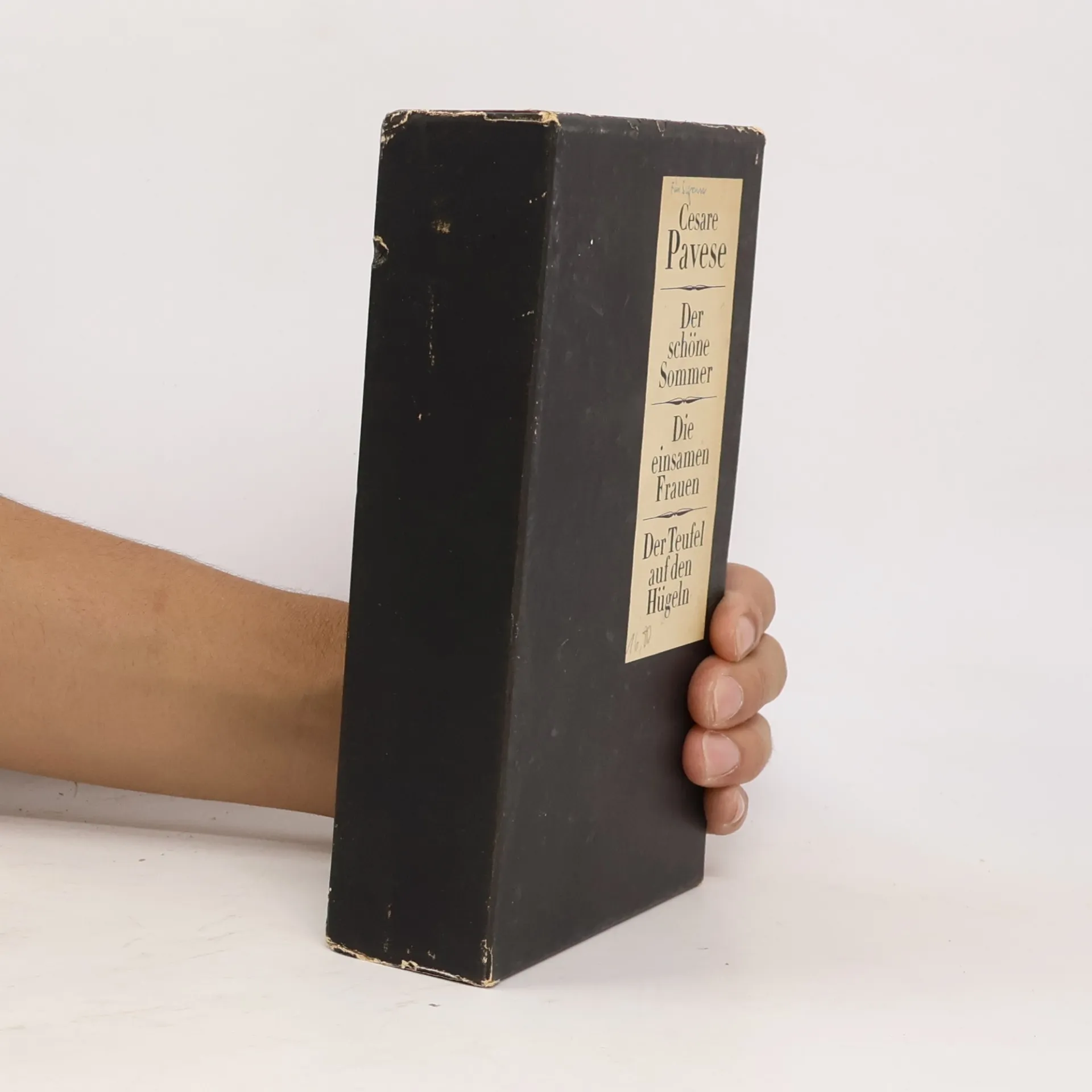
'Wir waren noch sehr jung', beginnt dieser Roman, der die Erlebnisse dreier junger Männer während eines heißen Sommers in Turin und auf dem Land schildert. Oreste, Pieretto und der Ich-Erzähler treffen bei einem nächtlichen Spaziergang auf den reichen, melancholischen Poli, der kurz darauf von seiner Geliebten angeschossen wird. Er reist zur Erholung ans Meer, wo ihn die drei Freunde besuchen. Dort verliebt Oreste sich in Gabriella, Polis Frau. Nach Der schöne Sommer der zweite Roman aus Paveses Turiner Trilogie.
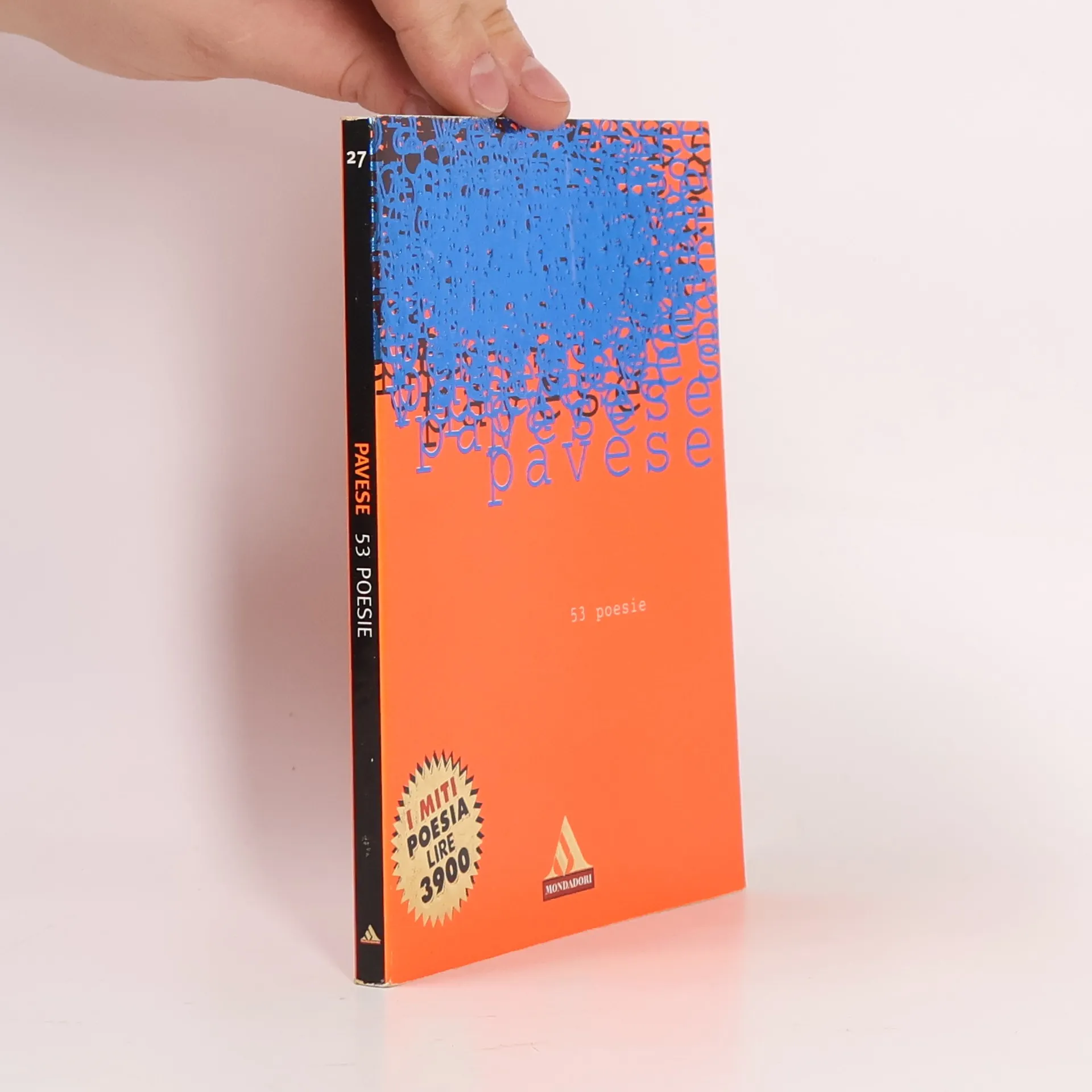
Výbor z básnického odkazu italského básníka a romanopisce (1908–1950). V jeho verších široké žánrové stupnice od epiky k lyrice se uplatňuje jak výrazný vyprávěčský smysl, tak i živá představivost a obrážejí se i pochyby a nejistoty vlastní duše, jež vyústily nakonec v dobrovolné ukončení života.
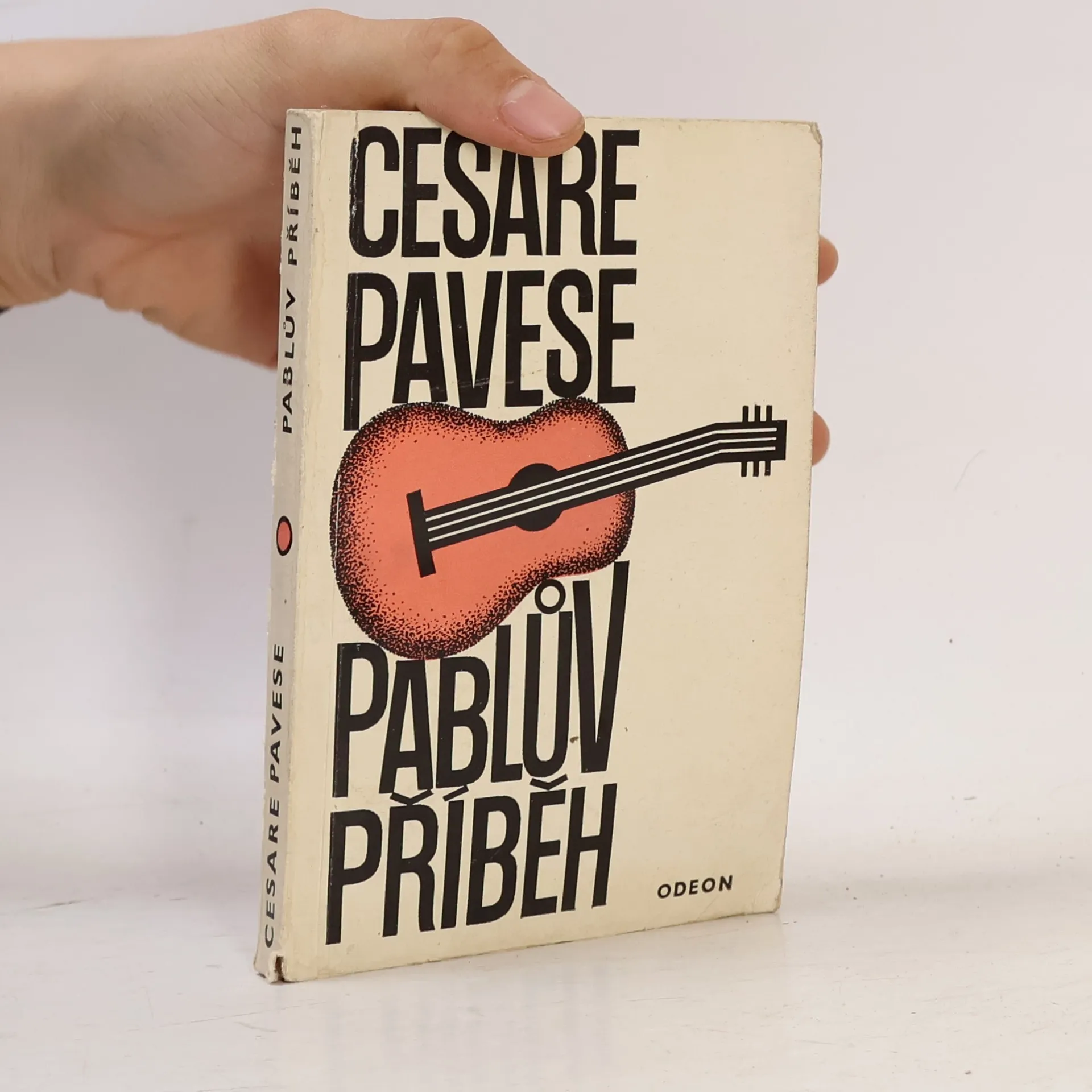
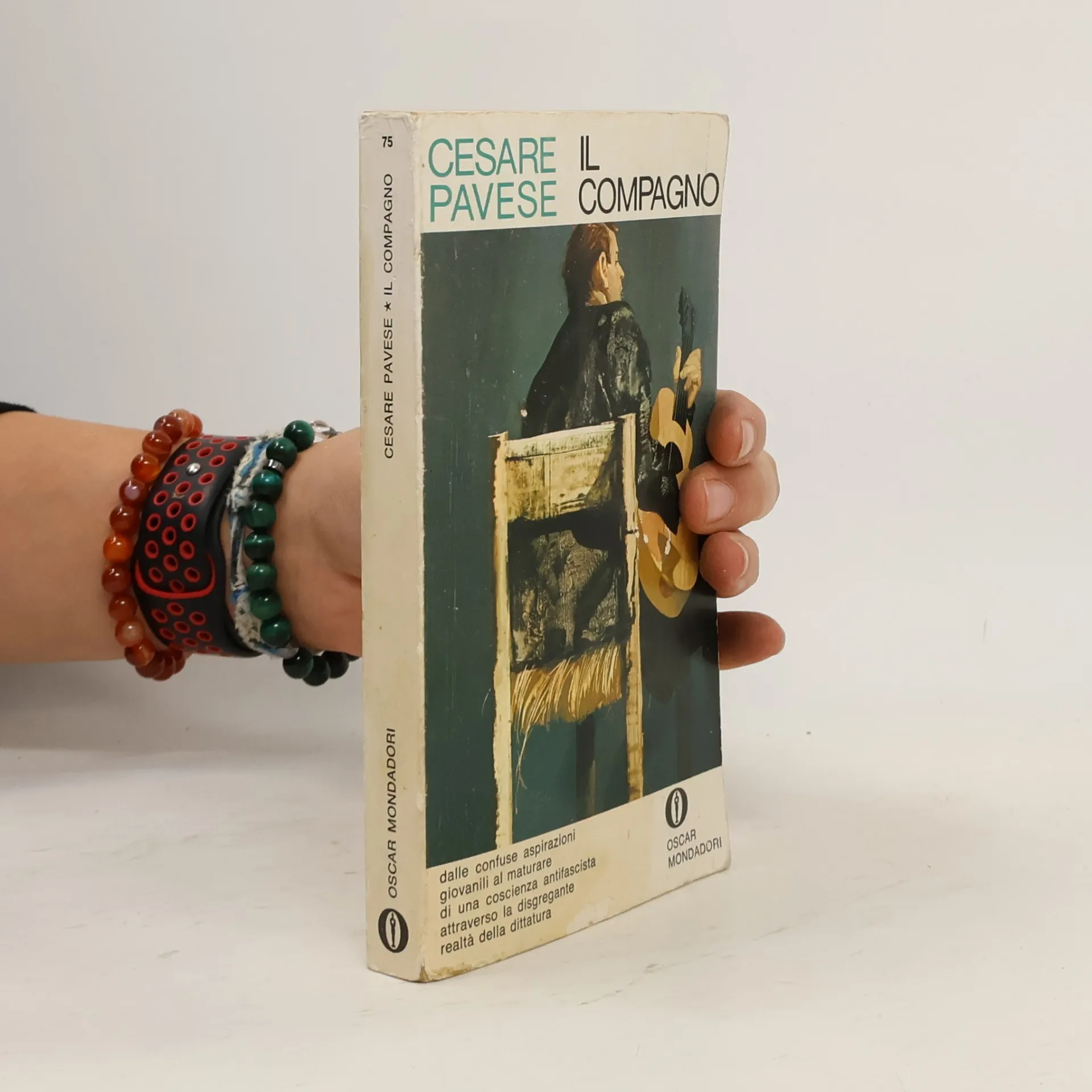
Il romanzo si svolge a Torino e Roma, esplorando la vita di giovani spensierati e la lotta dei lavoratori contro il fascismo. Pablo, un musicista inizialmente ozioso, dopo una deludente storia d'amore con Linda, si impegna attivamente nella resistenza, affrontando le conseguenze delle sue scelte.
Cesare Pavese reflektiert in seinem Tagebuch über sein Leben und seine Literatur, das von seinen Werken und persönlichen Bekenntnissen geprägt ist. Es zeigt die Verletzungen und Enttäuschungen eines großen Schriftstellers und lässt seine Sehnsucht nach dem Tod erahnen. Maja Pflug hat die Übersetzung überarbeitet.
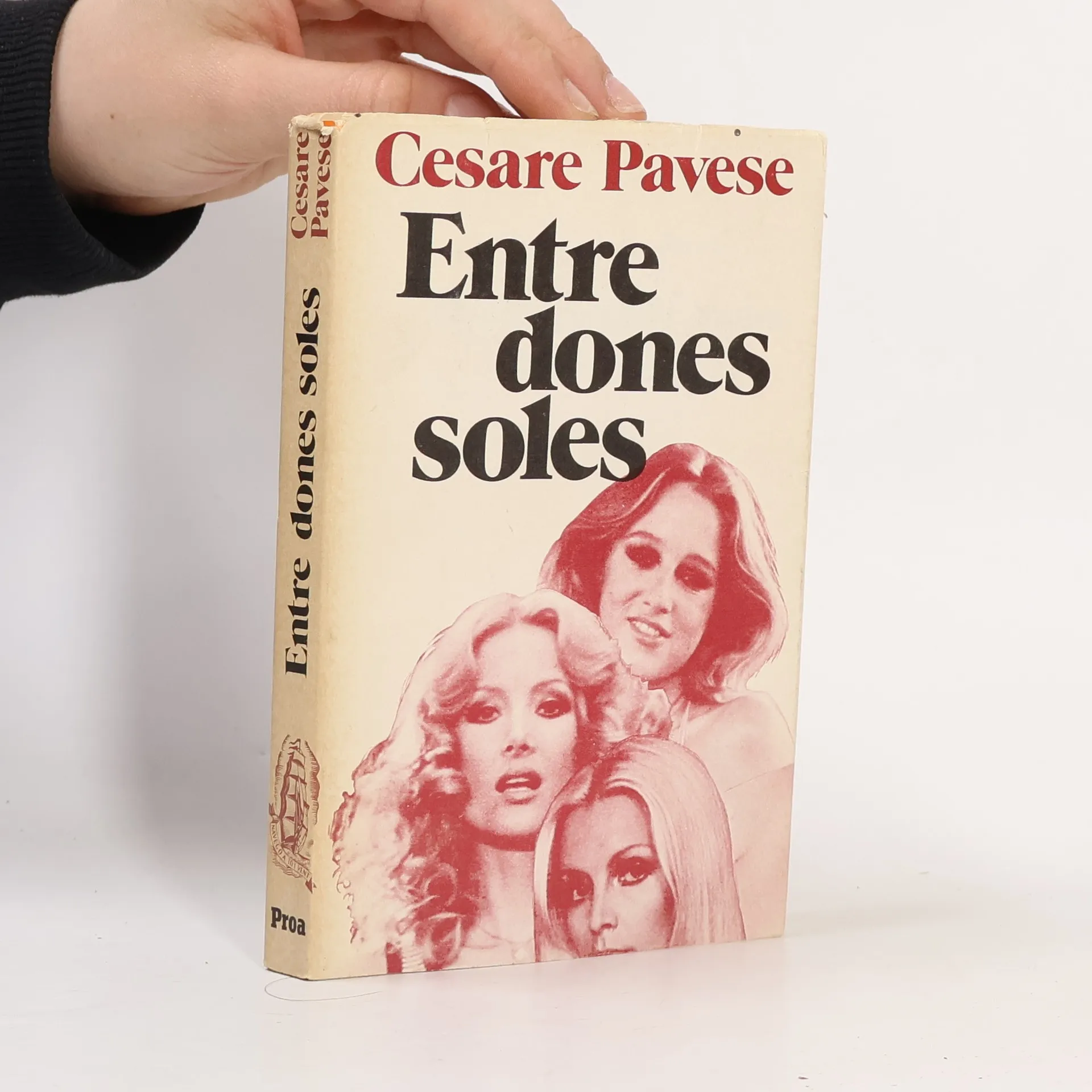
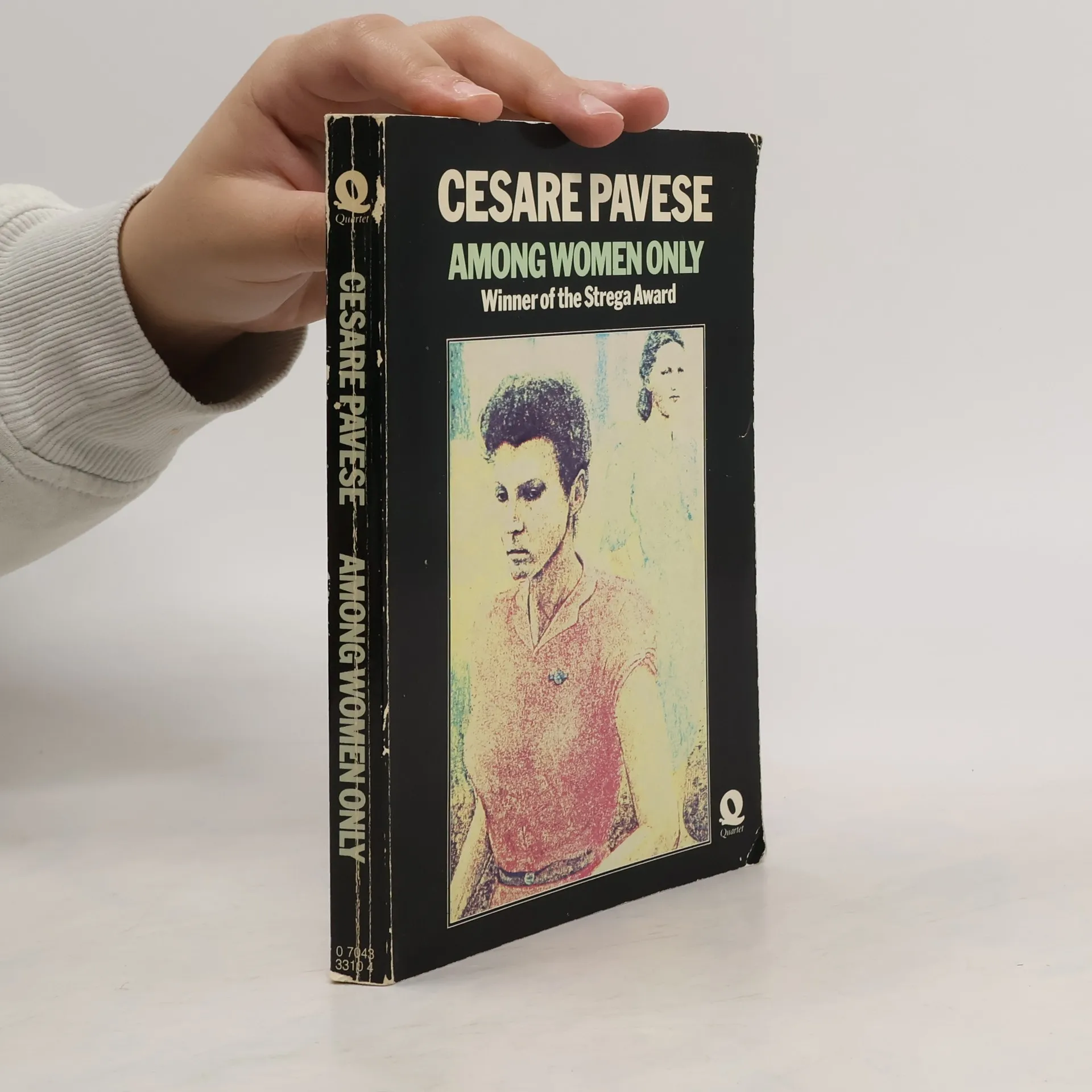
Clelia, a successful couturier, returns to Turin at the end of the Second World War. Opening a salon of her own leads her into a nihilistic circle of young hedonists, including the charismatic Rosetta, whose tragic death forms the novel's climax. Pavese's gritty tales of post-war Italy have led to frequent comparisons with Michelangelo Antonioni (Blowup, Beyond the Clouds), who successfully filmed Among Women Only as Le Amiche in 1955.
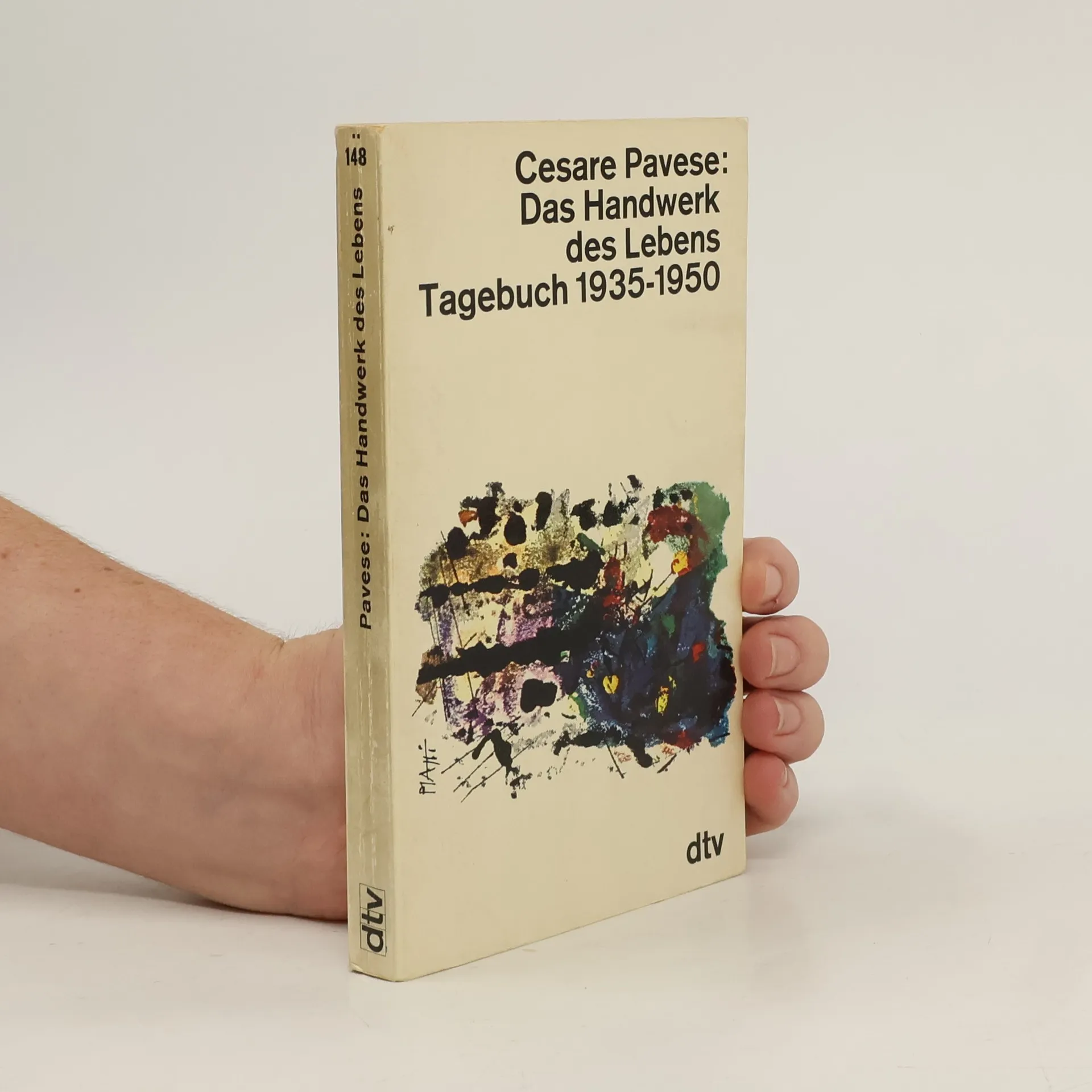
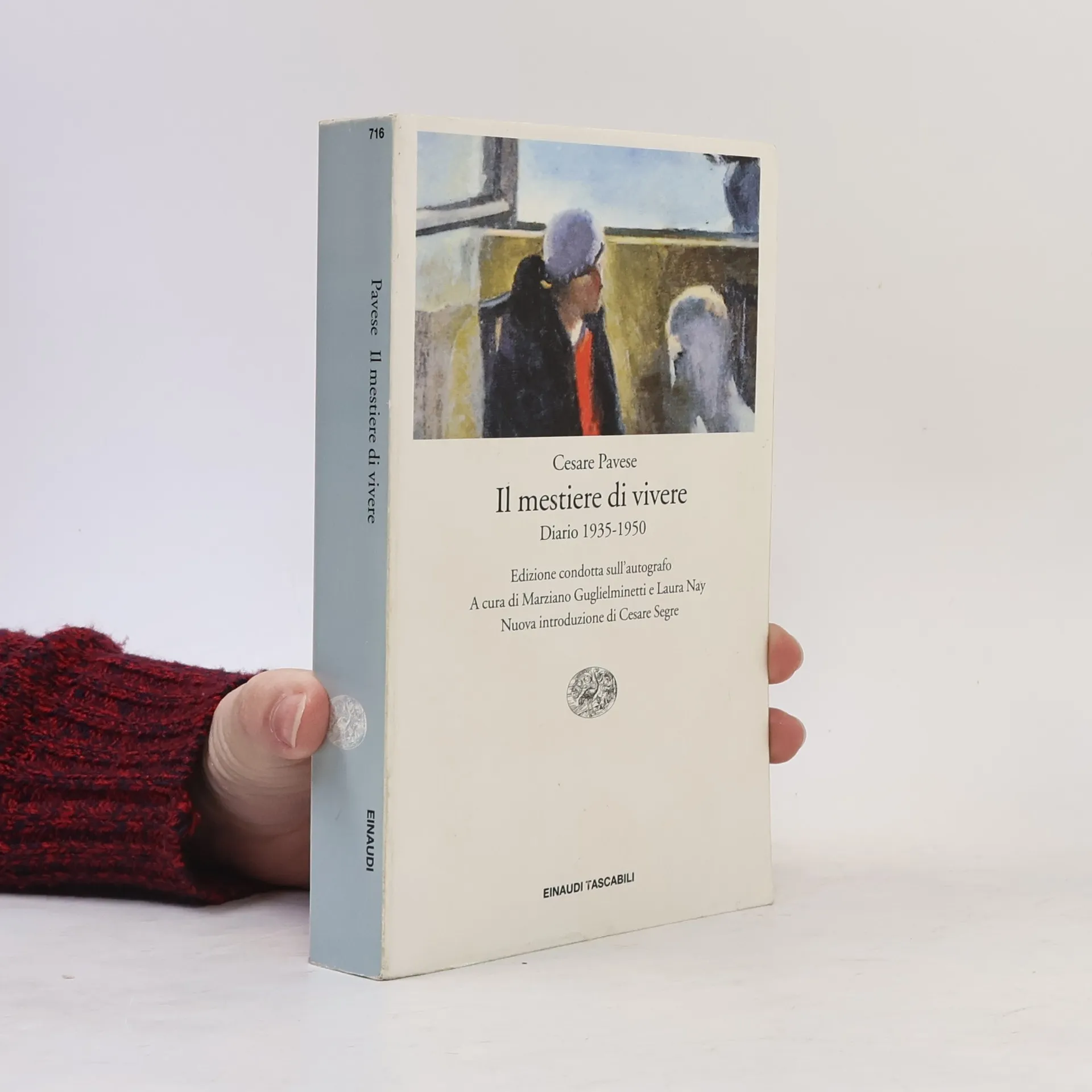
Iniziato il 6 ottobre 1935 durante i giorni del confino politico, Il mestiere di vivere accompagna Cesare Pavese fino al 18 agosto 1950, nove giorni prima della sua morte, e diventa a poco a poco il luogo cui affidare i pensieri sul proprio mondo di scrittore e di uomo e, soprattutto, le confessioni ultime su quei drammi intimi che laceravano la sua esistenza. Amaro, disperato, violento, ironico, raramente sereno, Pavese consegna al lettore una meditazione sulla vita, sui sogni, sui ricordi e sull'arte condotta con rigore intellettuale e morale; e allo stesso tempo, pagina dopo pagina, testimonia con lucidità l'evoluzione di un personale mestiere di vivere. In appendice Frammenti della mia vita trascorsa , Pensieri cassati , "In sogno" . Completano il volume un ampio apparato di note, la cronologia della vita e delle opere, la bibliografia ragionata e l'antologia della critica.
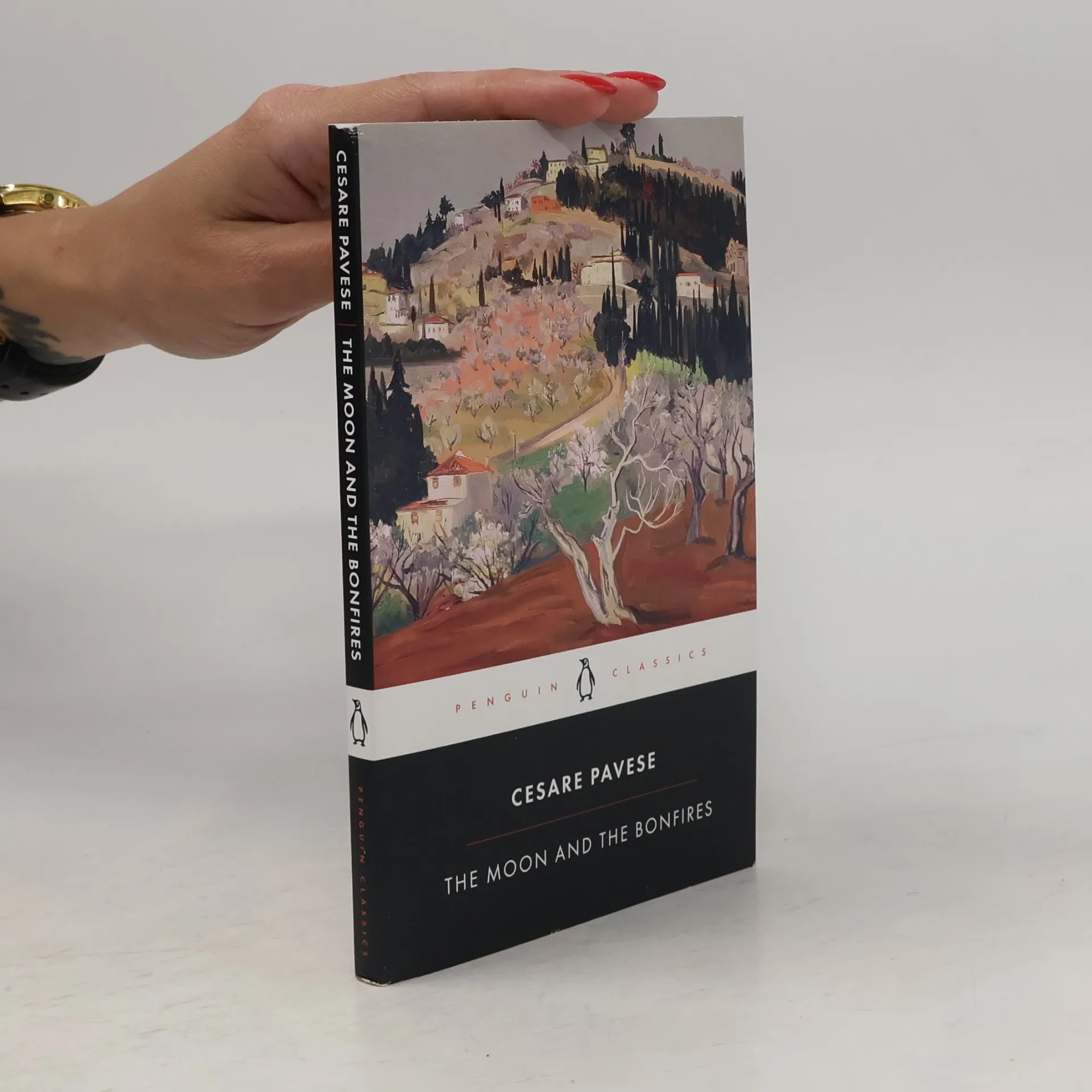
In Pavese's last and greatest novel, Nuto, an orphan saved from death by a rural family, returns to Italy from America soon after World War II. He is now rich, and much has improved at home, but peace and prosperity cannot long mask the enduring realities of love and death.
Román z prostředí zaostalého italského venkova s tematikou protifašistického odboje.
Tutti i racconti di Cesare Pavese, quelli da lui stesso pubblicati e quelli lasciati inediti. Un percorso letterario che inevitabilmente si intreccia e si affianca alle pagine autobiografiche del diario: il piú disadorno paesaggio cittadino, l'umanità dei caffè, degli imbarcaderi del Po, delle case, della campagna piemontese rivelano la travagliata maturazione dell'uomo e insieme aprono spiragli nella coscienza dolente e drammatica dello scrittore piemontese. Dai primi racconti di conflitti amorosi o di incomunicabilità alle rapide illuminazioni quasi metafisiche delle prose degli anni '40, si arriva al denso e limpido stile dei suoi romanzi migliori. ·
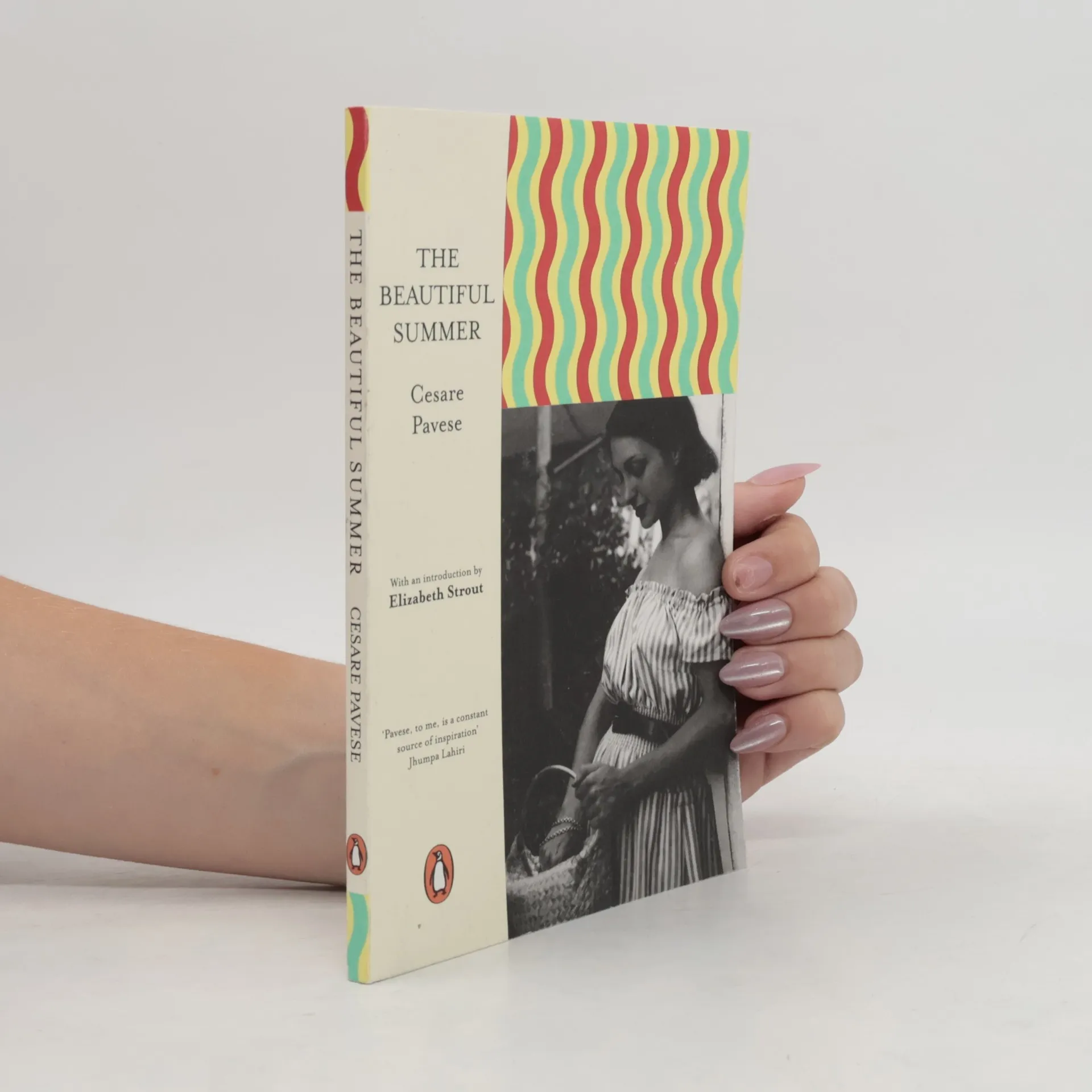
An astonishing portrait of an innocent on the verge of discovering the cruelties of love... an inimitable read... there are whispers here of the future work of Elena Ferrante Elizabeth Strout, from the introduction
C'è in 'Paesi tuoi' (publicato nel 1941 e che segno' l'esordio narrativo di Pavese) un'esigenza umana, e un movimento, un piglio di scrittore serio, che non ingannano ".
La raccolta che rivelò Pavese scrittore concentra e mette a fuoco un intero universo esistenziale, quello che sarà successivamente declinato nei romanzi e nei racconti. La Torino dei viali, dei corsi, dei prati, delle sponde del Po, delle strade in salita fra siepe e muro, popolata da creature sradicate e notturne; una campagna che non è solo e necessariamente Langa, ma tende a trasfigurarsi in una dimensione mitica e primordiale; un io che rimane distinguibile, nell'irredimibilità della propria solitudine e nell'anelito amoroso e fantastico, pur se mimetizzato nel racconto di vicende altrui