

Parameters
- 352 pages
- 13 hours of reading
More about the book
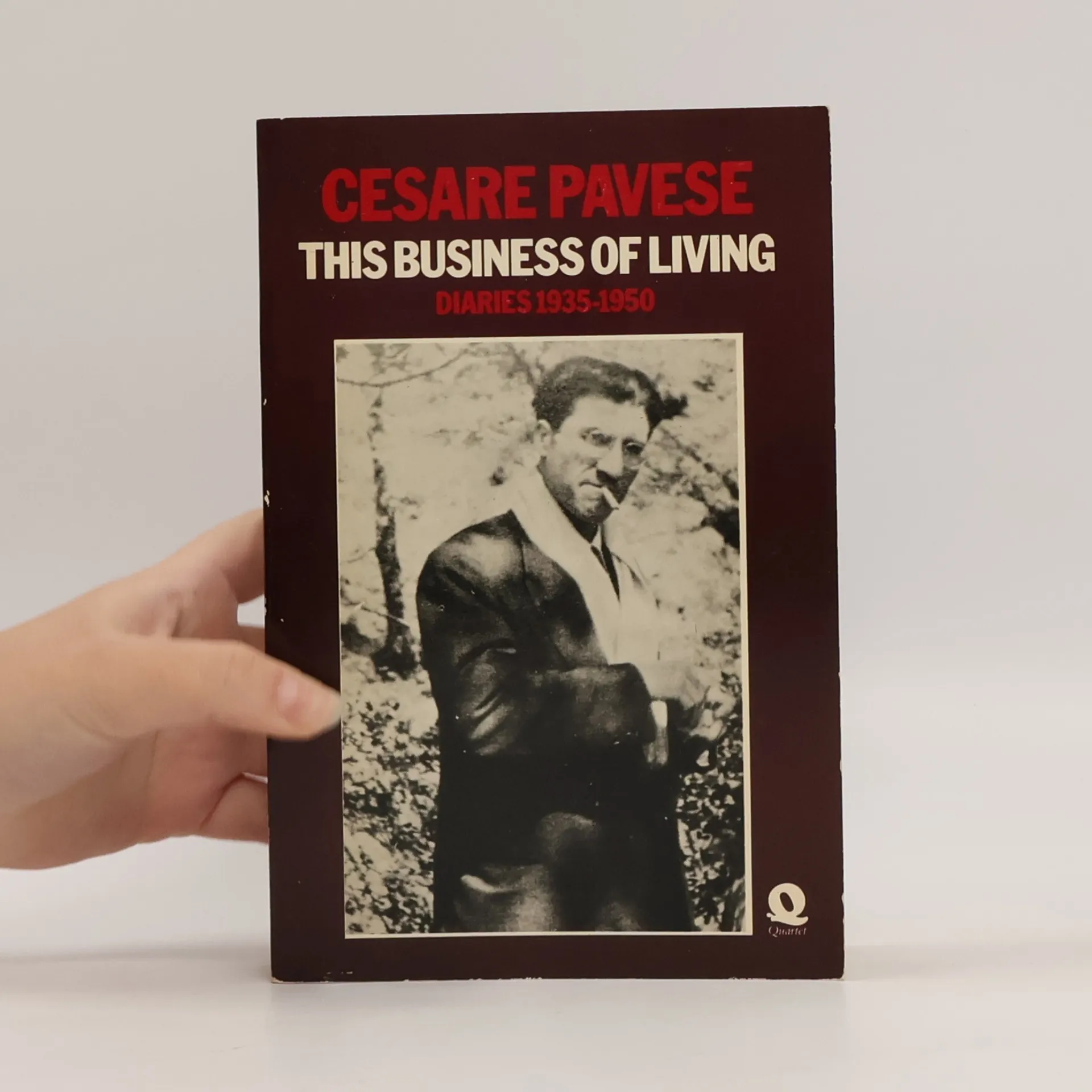
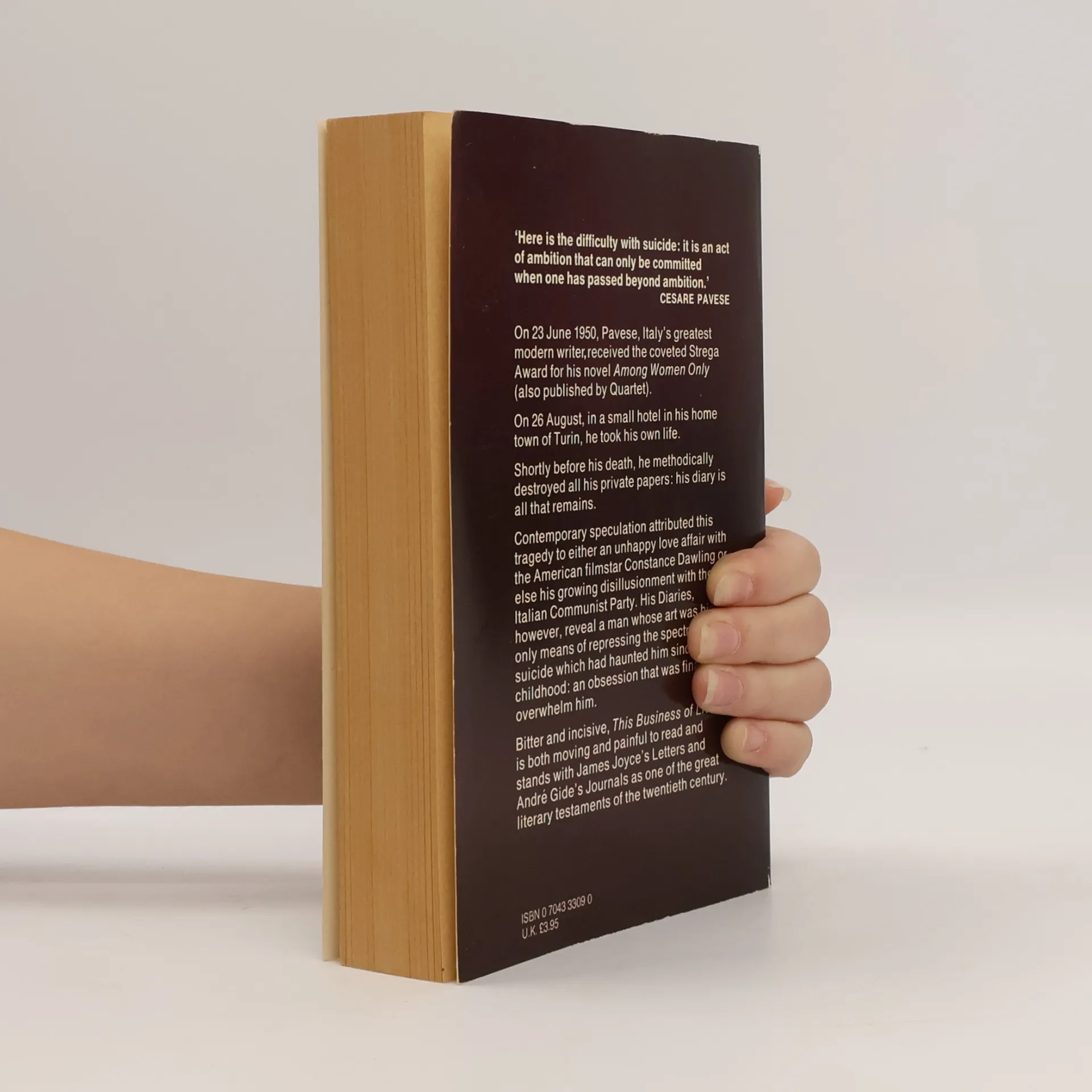
On June 23rd, 1950, Cesare Pavese, Italy’s greatest modern writer received the coveted Strega Award for his novel 'Among Women Only'. On August 26th, in a small hotel in his home town of Turin, he took his own life. Shortly before his death, Pavese methodically destroyed all his private papers. His diary is all that remains. And for this, the contemporary reader can be grateful. Contemporary speculation attributed this tragedy to either an unhappy love affair with the American film star Constance Dawling or his growing disillusionment with the Italian Communist Party. His Diaries, however, reveal a man whose art was his only means of repressing the specter of suicide which had haunted him since childhood: an obsession that finally overwhelmed him. Bitter and incisive, This Business of Living is both moving and painful to read and stands with James Joyce’s Letters and Andre Gide’s Journals as one of the great literary testaments of the twentieth century.
Language


Publication

Book purchase
This Business of Living, Cesare Pavese
- Language

- Released
- 1980
- Binding
- (Paperback),
- Book condition
- Very Good
- Price
- €11.39
Payment methods
We’re missing your review here.
- Title
- This Business of Living
- Subtitle
- Diaries, 1935-1950
- Language
- English
- Authors
- Cesare Pavese
- Publisher
- Quartet Books
- Released
- 1980
- Format
- Paperback
- Pages
- 352
- ISBN10
- 0704333090
- ISBN13
- 9780704333093
- Series
- First published
- 1952
- Original title
- Il mestiere di vivere
- Rating
- 3.9 out of 5
- Description
- On June 23rd, 1950, Cesare Pavese, Italy’s greatest modern writer received the coveted Strega Award for his novel 'Among Women Only'. On August 26th, in a small hotel in his home town of Turin, he took his own life. Shortly before his death, Pavese methodically destroyed all his private papers. His diary is all that remains. And for this, the contemporary reader can be grateful. Contemporary speculation attributed this tragedy to either an unhappy love affair with the American film star Constance Dawling or his growing disillusionment with the Italian Communist Party. His Diaries, however, reveal a man whose art was his only means of repressing the specter of suicide which had haunted him since childhood: an obsession that finally overwhelmed him. Bitter and incisive, This Business of Living is both moving and painful to read and stands with James Joyce’s Letters and Andre Gide’s Journals as one of the great literary testaments of the twentieth century.