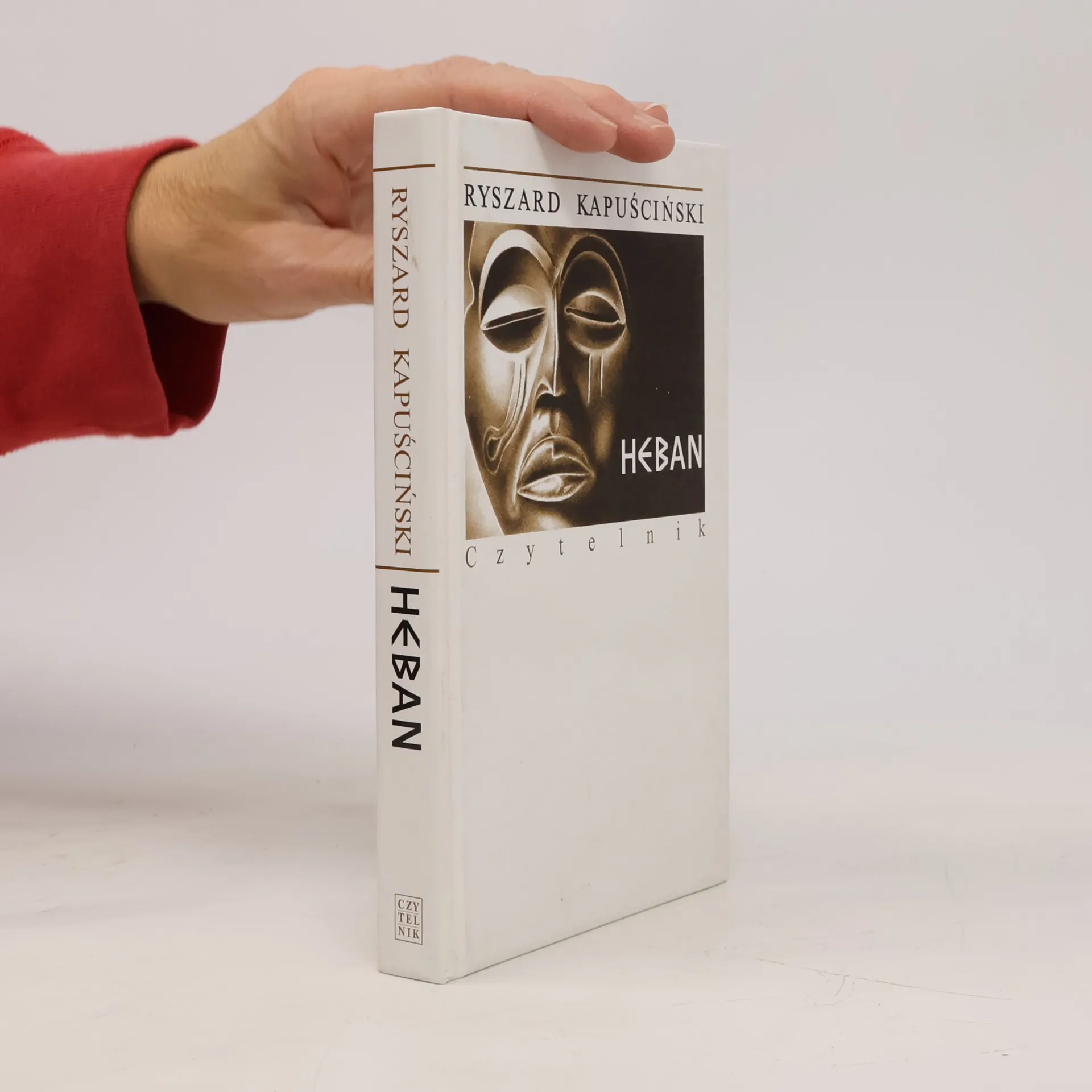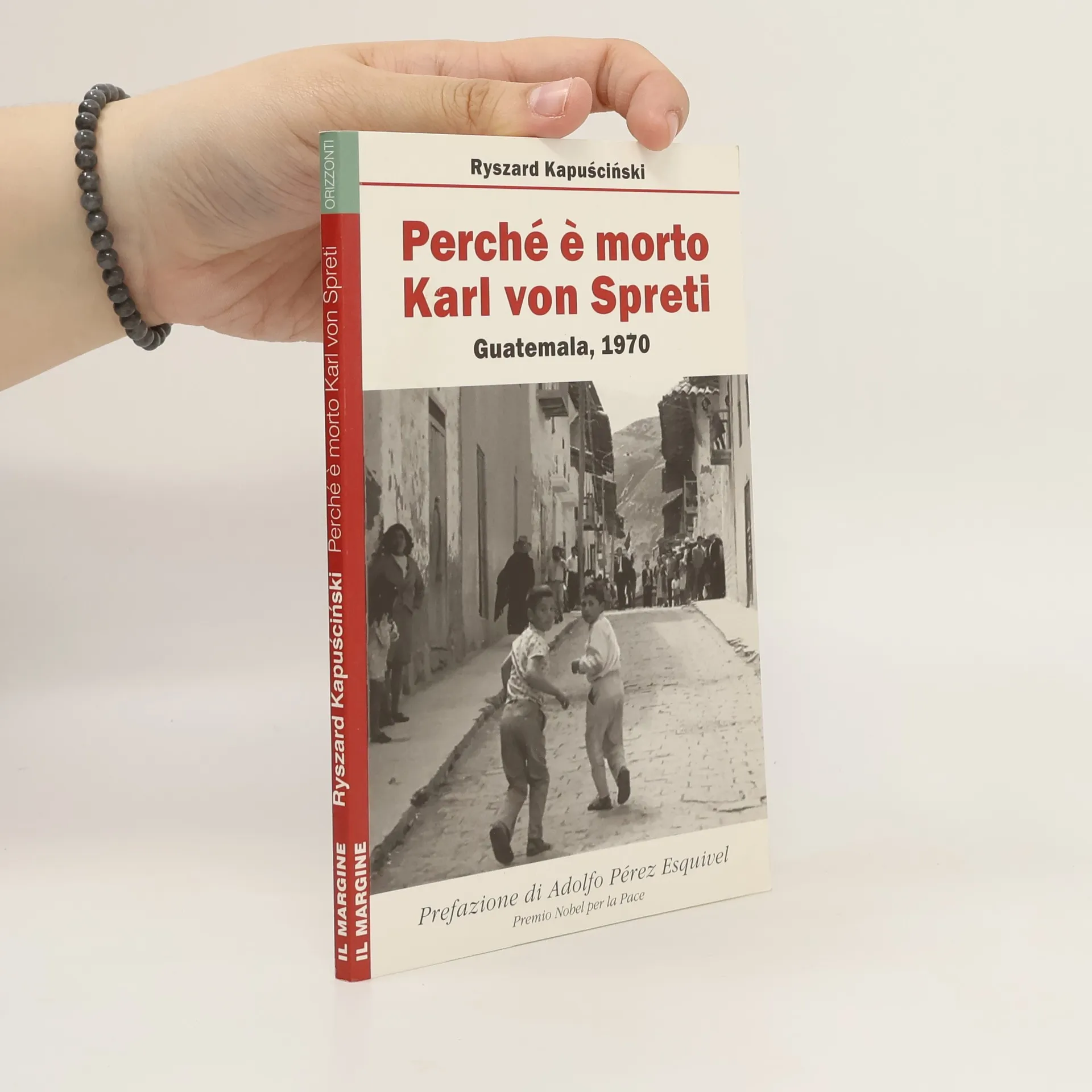
Tells about the people of Africa throughout author's career. In a study that avoids the official routes, palaces and big politics, this book sets out to create an account of post-colonial Africa seen at once as a whole and as a location that wholly defies generalised explanations.
Ryszard Kapuściński Books
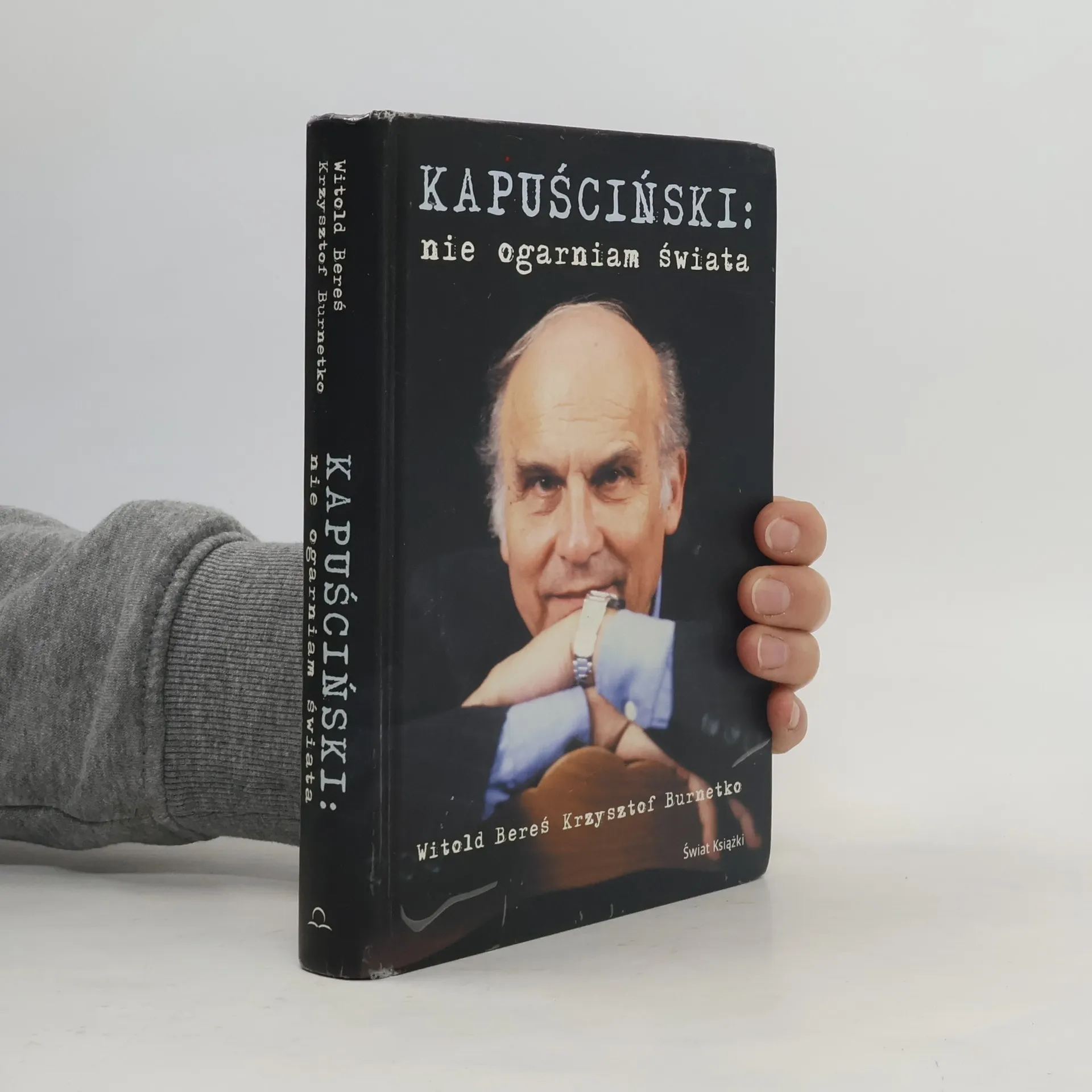
Ryszard Kapuściński was a master of words, known for his profound dispatches from the developing world. He brought the realities of wars, coups, and revolutions to life, immersing himself in the heart of global turmoil. His writing is characterized by its deep humanism and its ability to capture the dramatic essence of complex events. Kapuściński's work offers readers a vivid, empathetic perspective on distant lands and the universal struggles of humanity.


'The most passionate, engaging and historically profound account of the Soviet empire that I have read.' - Michael Ignatieff
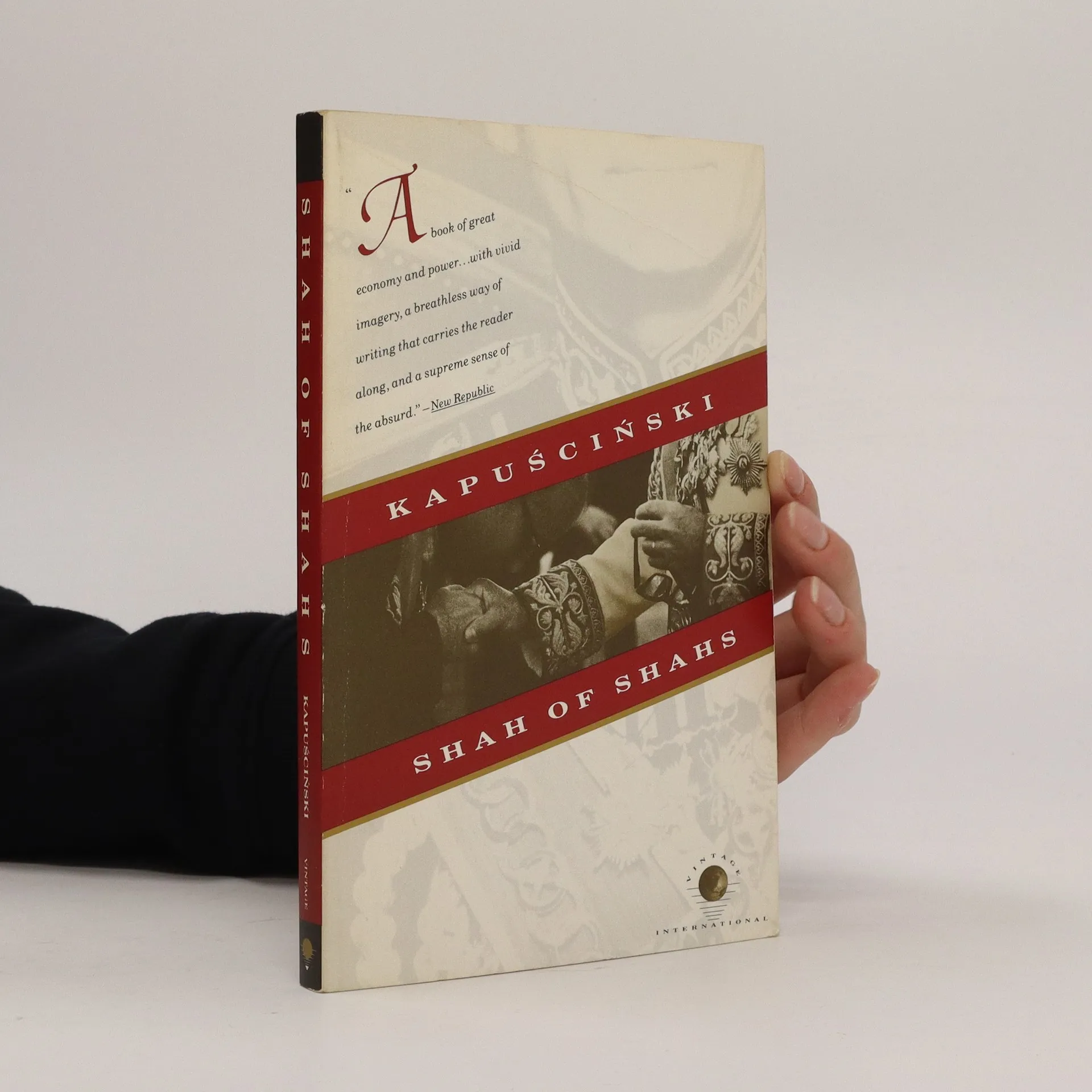
Shah of Shahs
- 152 pages
- 6 hours of reading
In Shah of Shahs Kapuscinski brings a mythographer's perspective and a novelist's virtuosity to bear on the overthrow of the last Shah of Iran, one of the most infamous of the United States' client-dictators, who resolved to transform his country into "a second America in a generation," only to be toppled virtually overnight. From his vantage point at the break-up of the old regime, Kapuscinski gives us a compelling history of conspiracy, repression, fanatacism, and revolution.
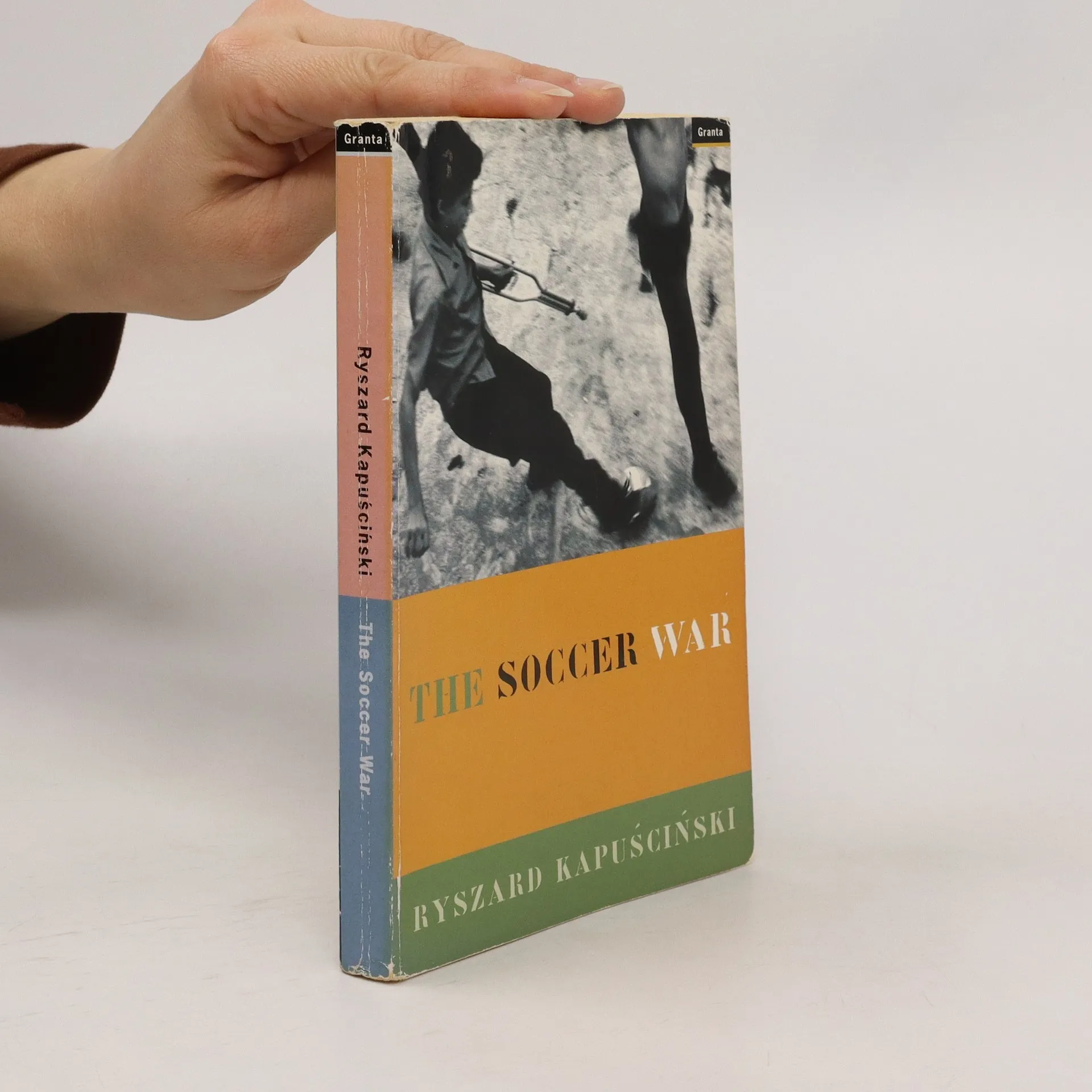
The Soccer War
- 240 pages
- 9 hours of reading
Part diary and part reportage, The Soccer War is a remarkable chronicle of war in the late twentieth century. Between 1958 and 1980, working primarily for the Polish Press Agency, Kapuscinski covered twenty-seven revolutions and coups in Africa, Latin America, and the Middle East. Here, with characteristic cogency and emotional immediacy, he recounts the stories behind his official press dispatches—searing firsthand accounts of the frightening, grotesque, and comically absurd aspects of life during war. The Soccer War is a singular work of journalism.
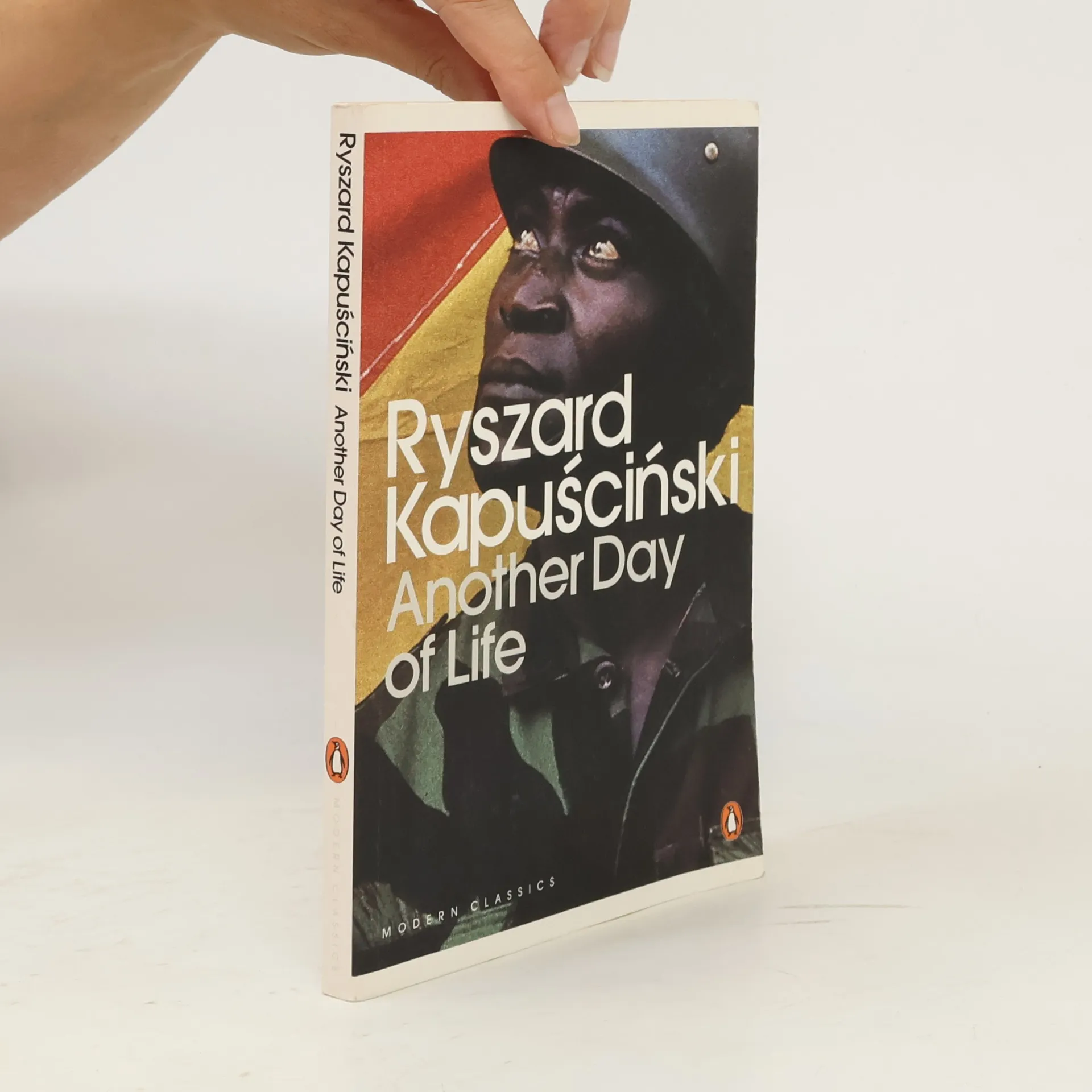
Another Day of Life
- 176 pages
- 7 hours of reading
This is a very personal book, about being alone and lost'. In 1975 Kapuscinski's employers sent him to Angola to cover the civil war that had broken out after independence. For months he watched as Luanda and then the rest of the country collapsed into a civil war that was in the author's words 'sloppy, dogged and cruel'. In his account, Kapuscinski demonstrates an extraordinary capacity to describe and to explain the individual meaning of grand political abstractions.
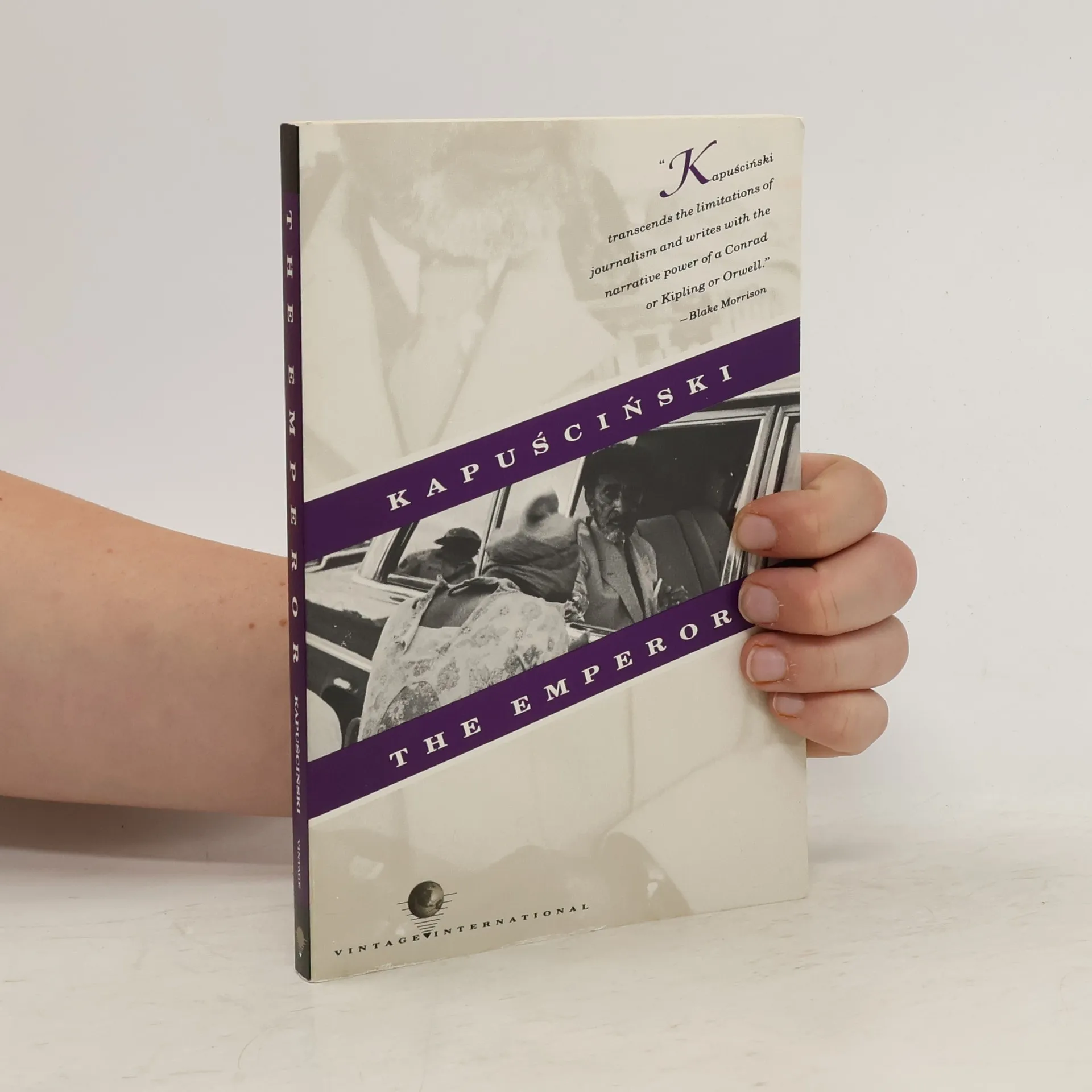
The text examines the reign and recent fall of Ethiopia's Haile Selassie through eyewitness accounts of former members of the Emperor's circle.
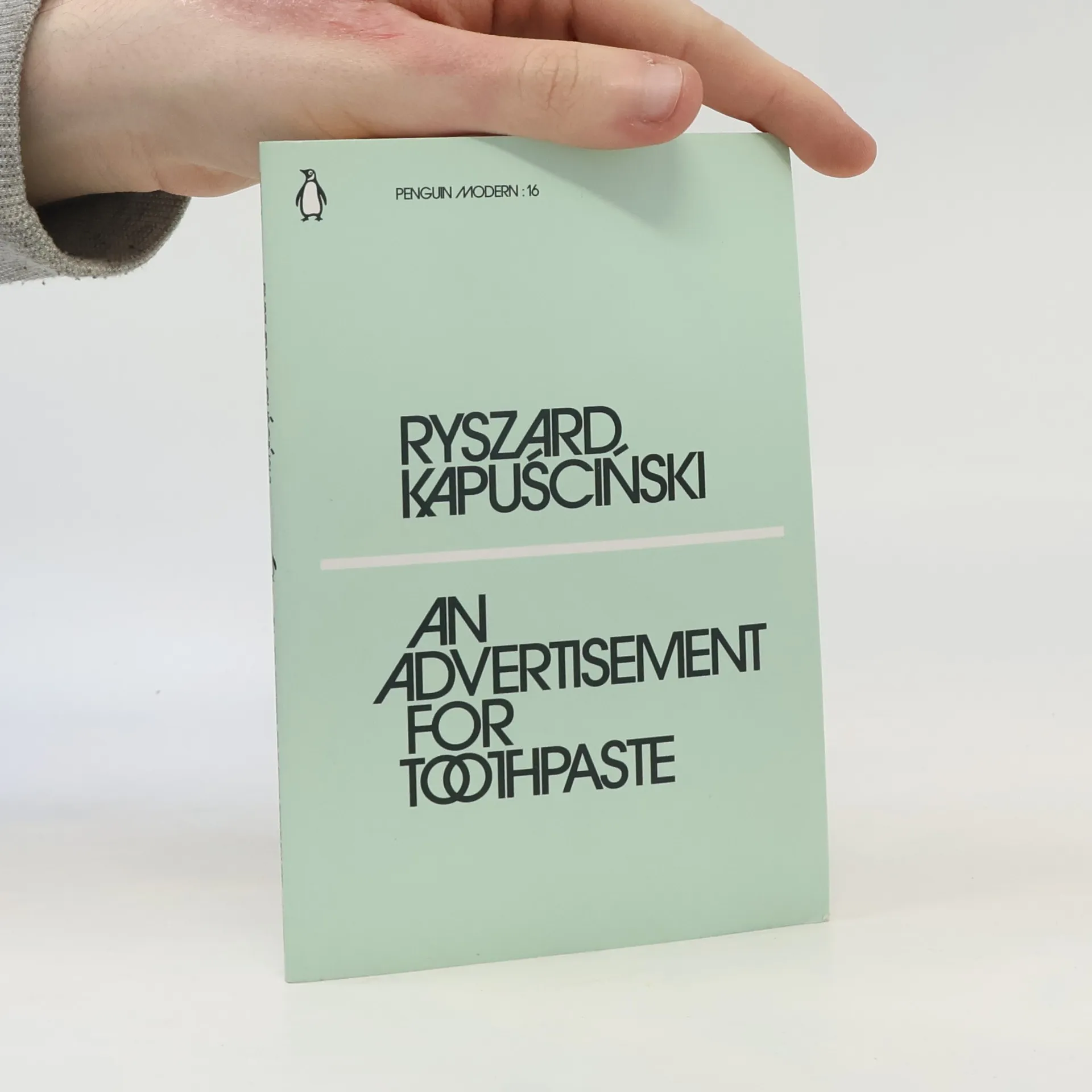
An advertisement for toothpaste
- 64 pages
- 3 hours of reading
The traveler-reporter finds an even stranger and more exotic society in his own home of post-War Poland than in any of the distant lands he has visited
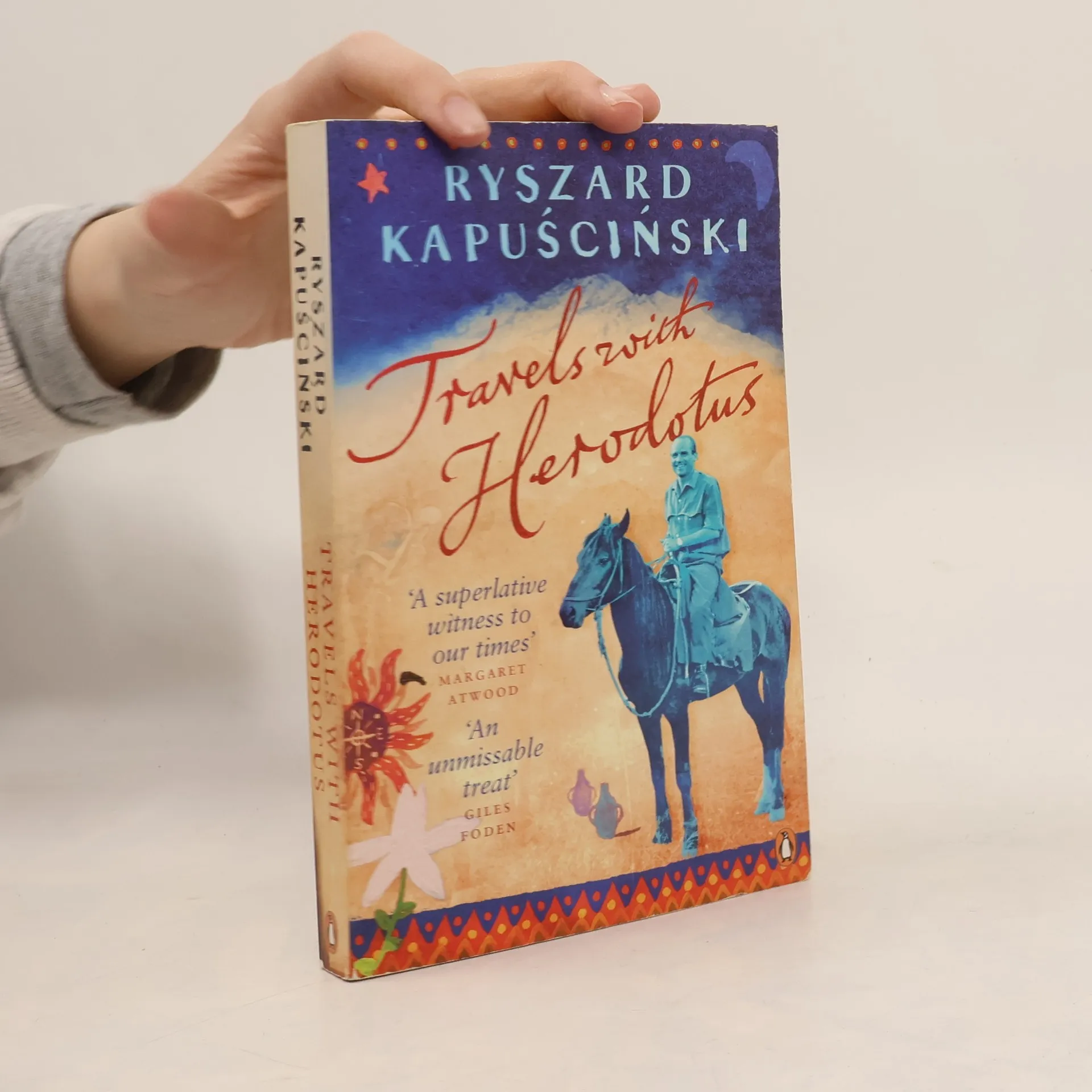
Travels with Herodotus
- 288 pages
- 11 hours of reading
Just out of university in 1955, Kapuscinski, the novice reporter, told his editor he'd like to go abroad, dreaming no farther than Czechoslovakia. Instead he was sent to India. Kapuściński gives us the non-Western world through virginal Western eyes.
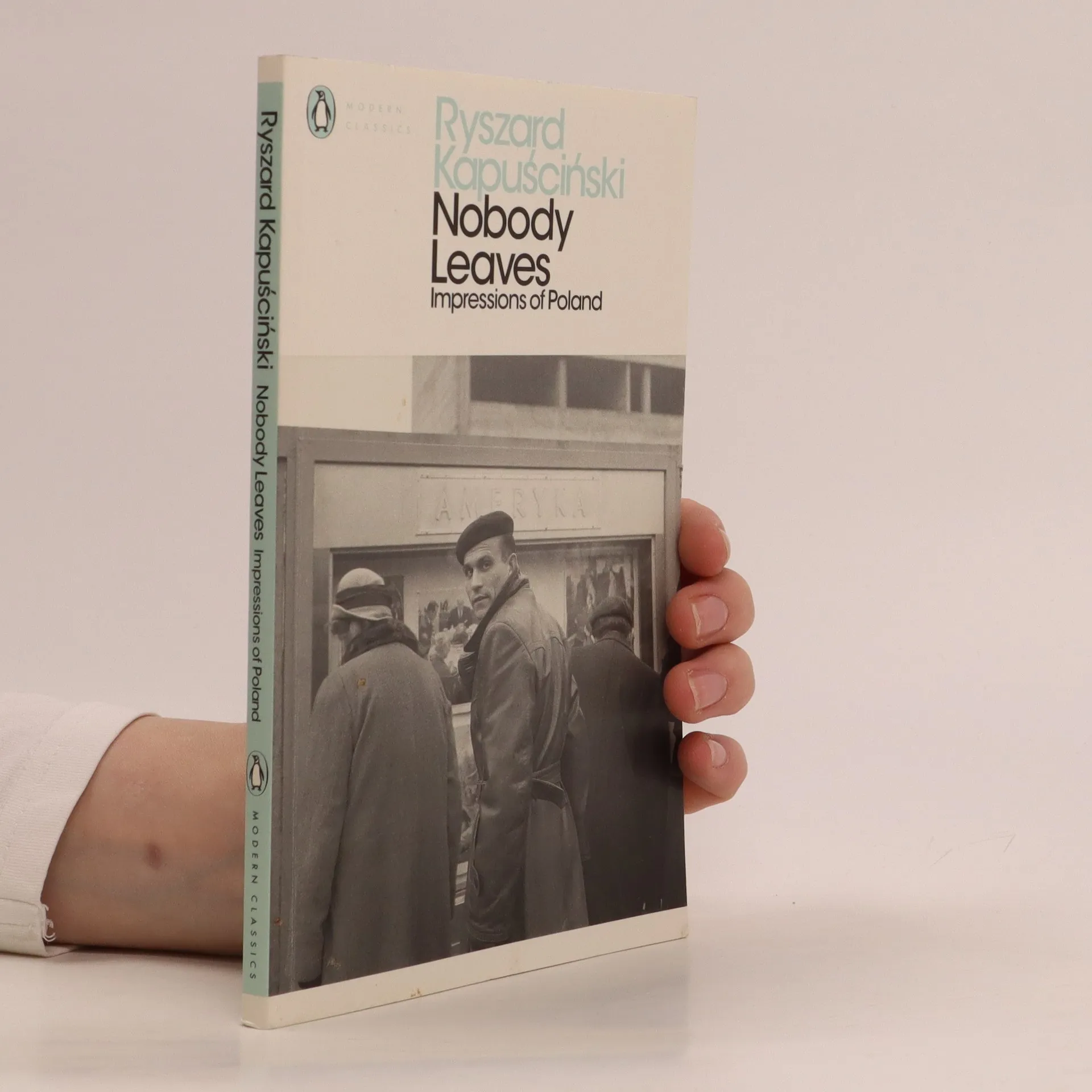
Nobody Leaves
- 128 pages
- 5 hours of reading
'A peculiar genius with no modern equivalent, except possibly Kafka' - Jonathan Miller Regarded as a central part of Kapuscinski's work, these vivid portraits of life in the depths of Poland embody the young writer's mastery of literary reportage When the great Ryszard Kapuscinski was a young journalist in the early 1960s, he was sent to the farthest reaches of his native Poland between foreign assignments. The resulting pieces brought together in this new collection, nearly all of which are translated into English for the first time, reveal a place just as strange as the distant lands he visited. From forgotten villages to collective farms, Kapuscinski explores a Poland that is post-Stalinist but still Communist; a country on the edge of modernity. He encounters those for whom the promises of rising living standards never worked out as planned, those who would have been misfits under any political system, those tied to the land and those dreaming of escape.
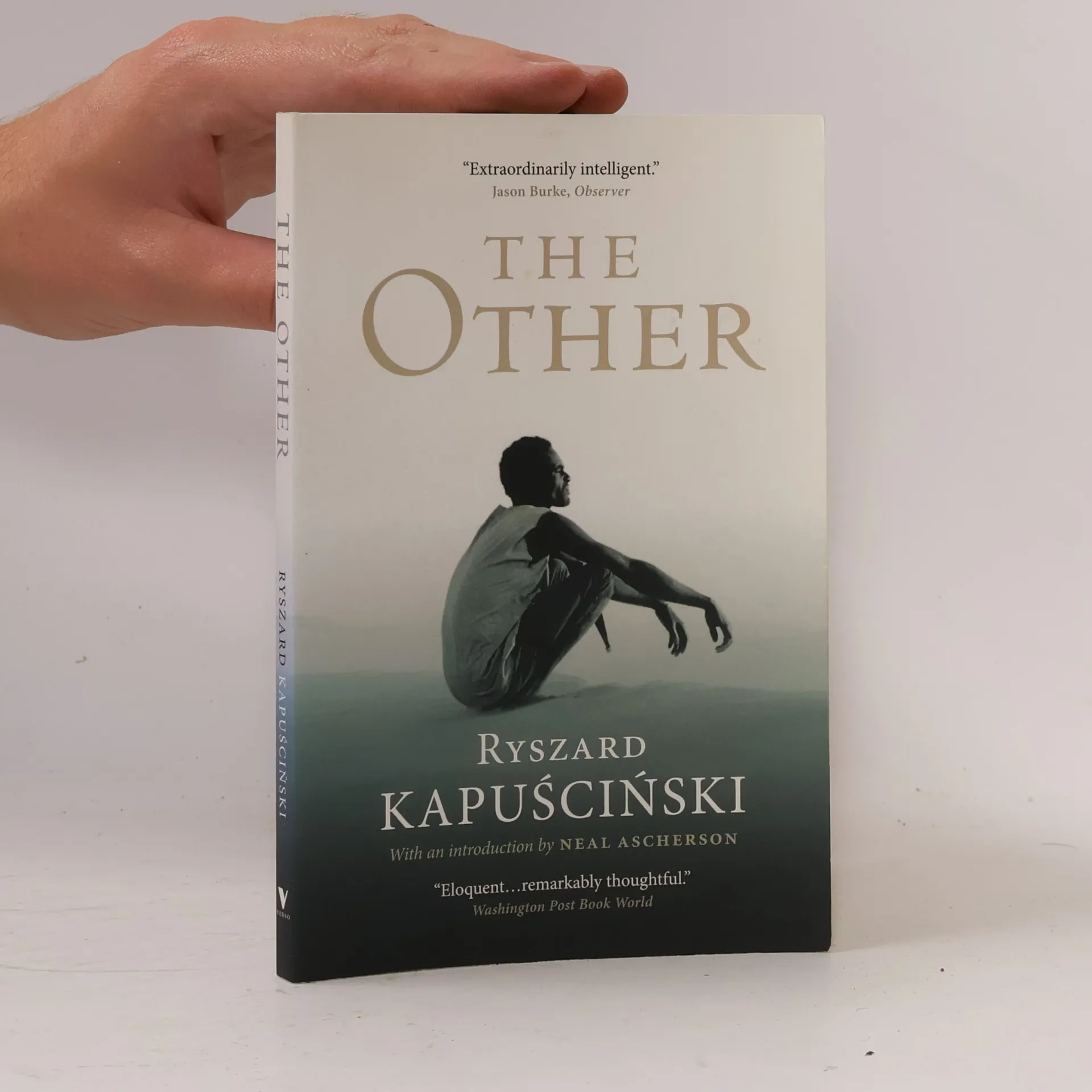
The Other
- 104 pages
- 4 hours of reading
Offers a look at the Western idea of the Other - the non-European or non- American. Looking at this concept through the lens of the author's own encounters in Africa, Asia and Latin America, this title traces how the West has understood the Other from classical times to colonialism, from the age of enlightenment to the postmodern global village.
Szachinszach w.2020
- 176 pages
- 7 hours of reading
Obraz panowania i upadku szacha Iranu Mohammeda Rezy Pahlaviego. Fascynujący reportaż ukazuje kluczowy konflikt końca XX wieku między odgórną rewolucją, usiłującą wprowadzić nowoczesność, a kontrrewolucją fanatycznego integryzmu muzułmańskiego ajatollaha Chomeiniego. Chciałem opisać ludzi, ich mentalność, sposób odczuwania świata. Doświadczenie nauczyło mnie bowiem, że z każdego punktu naszej planety świat widać inaczej człowiek, który mieszka w Europie, widzi ten świat inaczej niż człowiek, który mieszka w Afryce. Bez próby wejścia w te inne sposoby widzenia odczuwania i opisywania, nic z tego świata nie zrozumiemy Ryszard Kapuściński
Wojna futbolowa wyd. 23
- 264 pages
- 10 hours of reading
Wybór reportaży z lat 60. i 70. ukazujących dramatyczne wydarzenia w Afryce, Ameryce Południowej i na Bliskim Wschodzie. Tytułowa Wojna futbolowa dotyczy konfliktu zbrojnego między Hondurasem a Salwadorem w 1969 roku. W końcu lat 70. XX wieku trzy polskie wydawnictwa zwróciły się do czołowych rodzimych reporterów z prośbą o udostępnienie ich najlepszych tekstów do serii „Biblioteki Literatury Faktu”. Ryszard Kapuściński nie tylko przygotował wybór swoich zagranicznych reportaży pisanych od 1960 r., ale też uzupełnił go o nowe teksty-łączniki, mające formę pobieżnych szkiców i osobistych notatek autora. Zbiór, zatytułowany Wojna futbolowa, zyskał w ten sposób cechy spójnej całości, a równocześnie stworzył pisarzowi większe pole do ukazania niebezpiecznej pracy reportera na frontach wojen i w zamęcie rewolucji. Tak jak Márquez jest wielkim czarodziejem współczesnej powieści, tak Kapuściński jest czarnoksiężnikiem nadzwyczajnym współczesnego reportażu. Wojna futbolowa stanowi doskonały przykład jego magicznych umiejętności. (John le Carré)
Dia mas con vida
- 184 pages
- 7 hours of reading
Un día más de vida es la obra que Ryszard Kapuscinski escribió en 1976, y que considera su mejor obra.
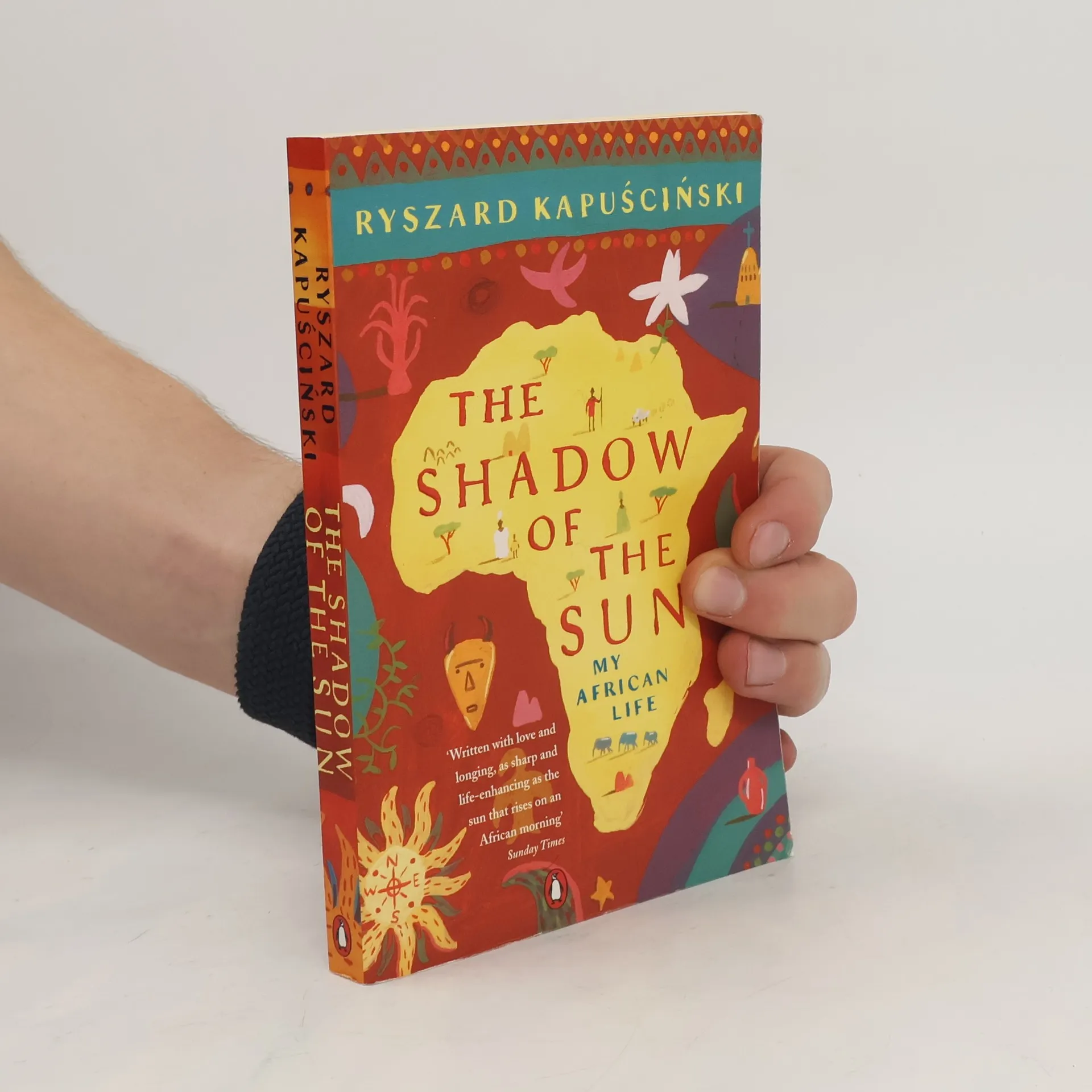
In 1957, Ryszard Kapuscinski arrived in Africa to witness the beginning of the end of colonial rule as the first African correspondent of Poland's state newspaper. From the early days of independence in Ghana to the ongoing ethnic genocide in Rwanda, Kapuscinski has crisscrossed vast distances pursuing the swift, and often violent, events that followed liberation. Kapuscinski hitchhikes with caravans, wanders the Sahara with nomads, and lives in the poverty-stricken slums of Nigeria. He wrestles a king cobra to the death and suffers through a bout of malaria. What emerges is an extraordinary depiction of Africa--not as a group of nations or geographic locations--but as a vibrant and frequently joyous montage of peoples, cultures, and encounters. Kapuscinski's trenchant observations, wry analysis and overwhelming humanity paint a remarkable portrait of the continent and its people. His unorthodox approach and profound respect for the people he meets challenge conventional understandings of the modern problems faced by Africa at the dawn of the twenty-first century.
Rowerem i pieszo przez Czarny Ląd
Listy z podróży afrykańskiej z lat 1931 1936 - Wydanie czwarte do plecaka
- 388 pages
- 14 hours of reading
Przejmująca, napisana pięknym, barwnym językiem, prawdziwa opowieść o spełnionych marzeniach polskiego przedwojennego podróżnika, który różnymi środkami transportu - głównie jednak rowerem - dzięki niesamowitej odporności fizycznej i psychicznej dwukrotnie pokonał kontynent afrykański! Wnikliwa analiza socjologiczna, krytyka polityki kolonialnej i spostrzeżenia, które wydają się niezwykle aktualne również w odniesieniu do Afryki współczesnej.
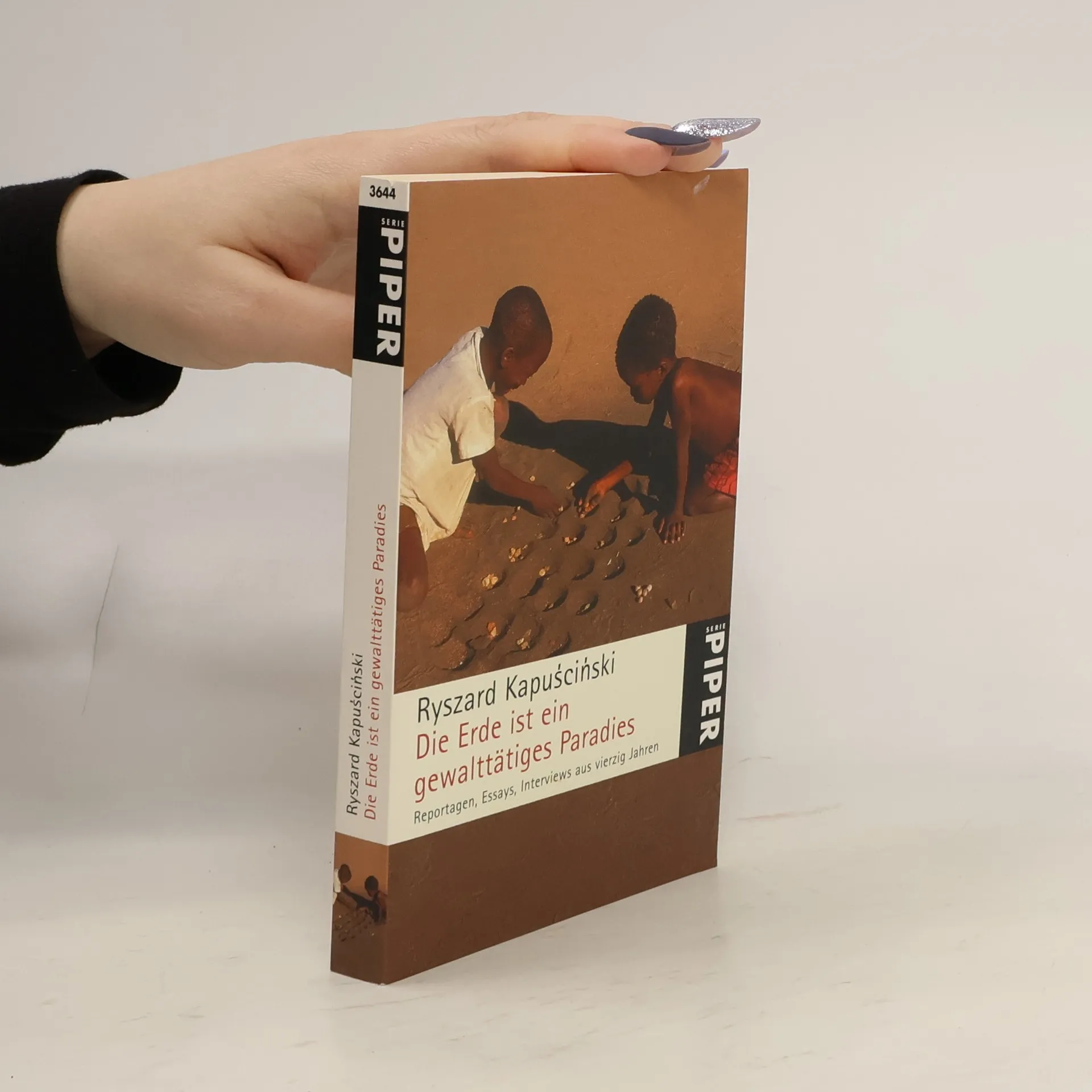
Ryszard Kapuscinski ist berühmt für seine großen Reportagen aus Afrika, Asien, Lateinamerika und Europa. Diese Sammlung erschließt den literarischen Kosmos dieses großen polnischen Reiseschriftstellers in seiner ganzen Dimension. Neben den bekanntesten Reportagen bietet sie eine Reihe brillanter Essays und Interviews. Seine Reiseberichte sind literarische Meisterwerke, die atmosphärisch dicht die besondere Kultur und Lebensweise eines Landes und ihrer Bewohner einzufangen vermögen.
Żal
- 464 pages
- 17 hours of reading
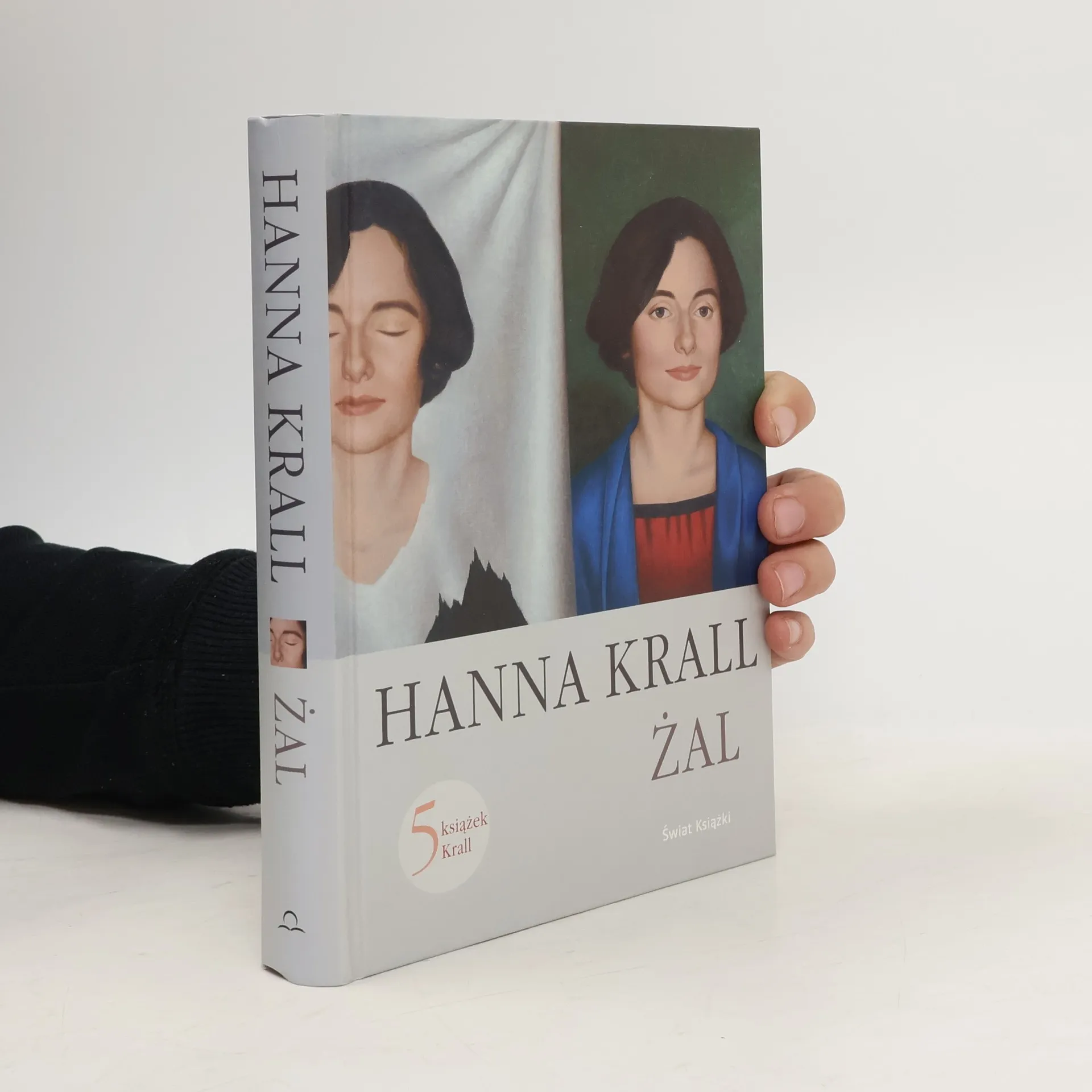
Wybrane utwory z pięciu głośnych książek Hanny Krall pierwszy raz wydane w jednym tomie: "Dowody na istnienie", "Taniec na cudzym weselu", "Tam już nie ma żadnej rzeki", "Hipnoza" i "To ty jestes Daniel". "Praca reporterki nauczyła mnie, że historie logiczne, bez zagadek i luk, w których wszystko jest zrozumiałe, bywają nieprawdziwe. A rzeczy, których nijak nie da się wytłumaczyć, zdarzają się naprawdę" - pisze słynna dziennikarka, opisując niewiarygodne przygody swoich bohaterów.
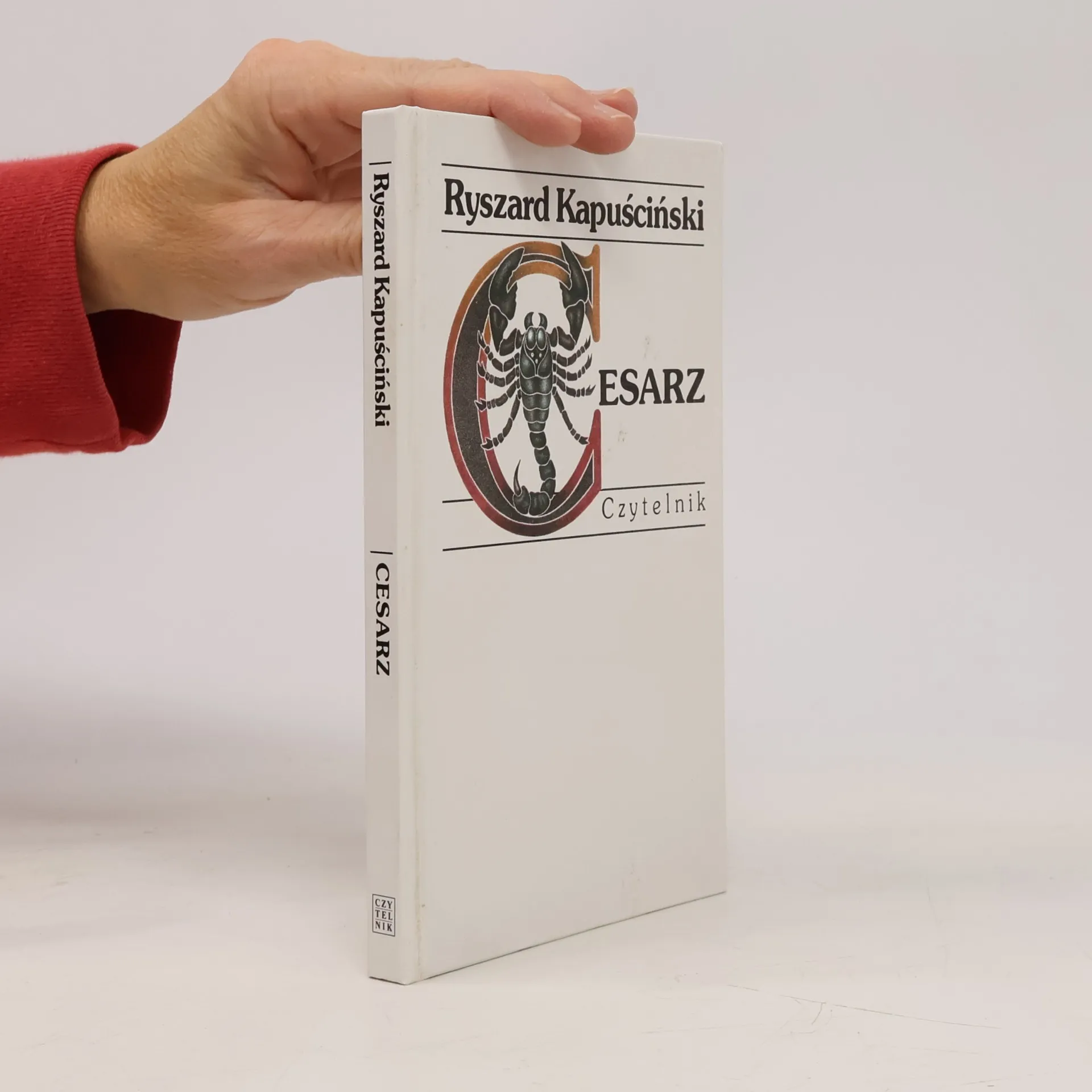
Cesarz w.2020
- 172 pages
- 7 hours of reading
W 1974 r. wojskowy zamach stanu pozbawił tronu władcę Etiopii, Hajle Sellasje I. Opublikowany cztery lata później "Cesarz" nie jest kronikarskim zapisem tego przewrotu, lecz niezwykle oryginalną opowieścią o funkcjonowaniu dworu cesarskiego i ludziach otaczających monarchę, a także szerzej o... číst celé
Die Welt im Notizbuch
- 336 pages
- 12 hours of reading
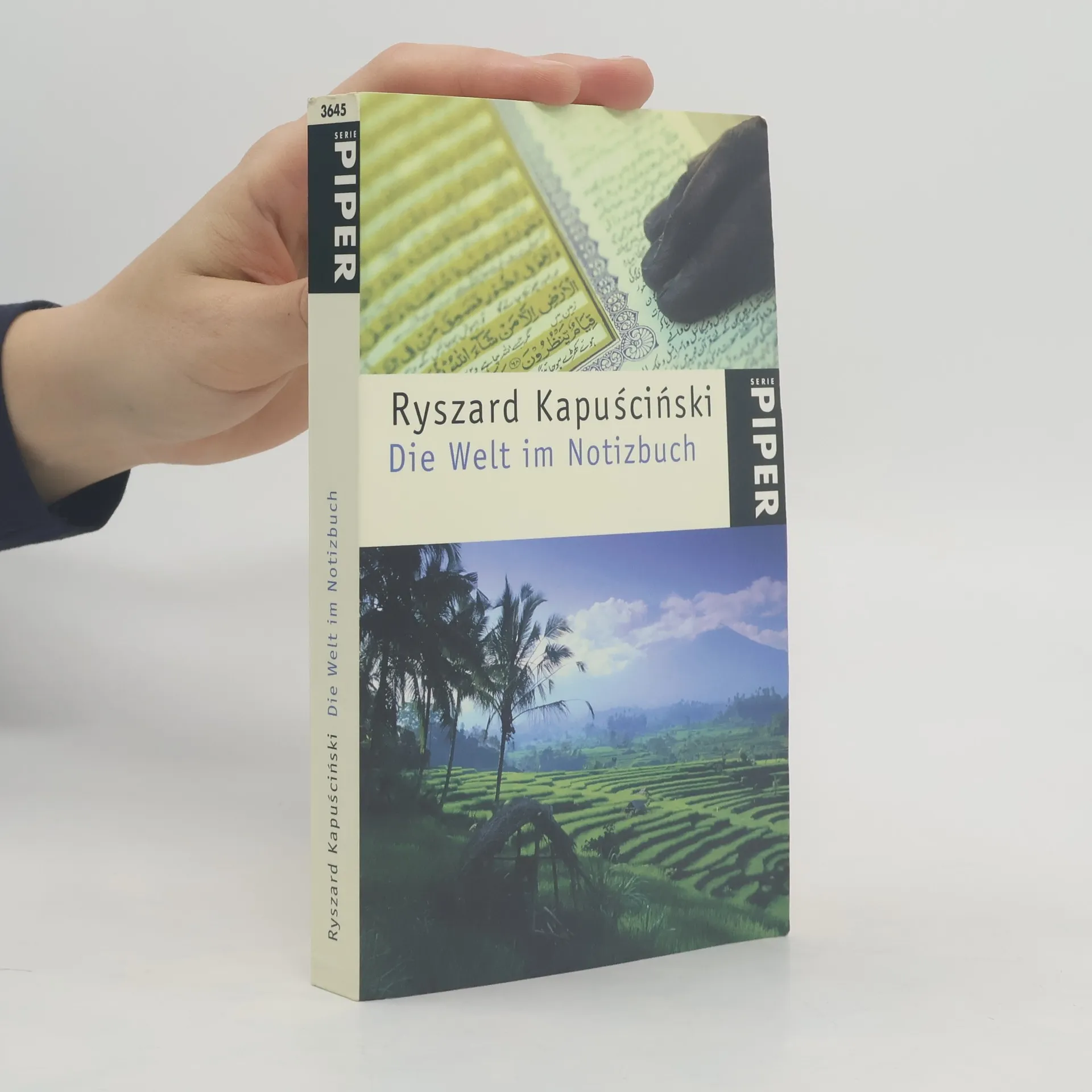
Kaum ein Mensch hat so viel von der Welt gesehen wie Ryszard Kapusciñski, einer der bedeutendsten Journalisten der Gegenwart. In "Die Welt im Notizbuch" beobachtet er globale Entwicklungen wie mikroskopische Details, stellt sie nebeneinander, verbindet oder reflektiert sie, bezieht sie in verblüffender Weise aufeinander. Aus Gedankensplittern, Reportagen, Fragmenten und Essays vieler Jahre formt sich eine Welt, die wir zu kennen meinten, die wir so aber noch nie gesehen haben.
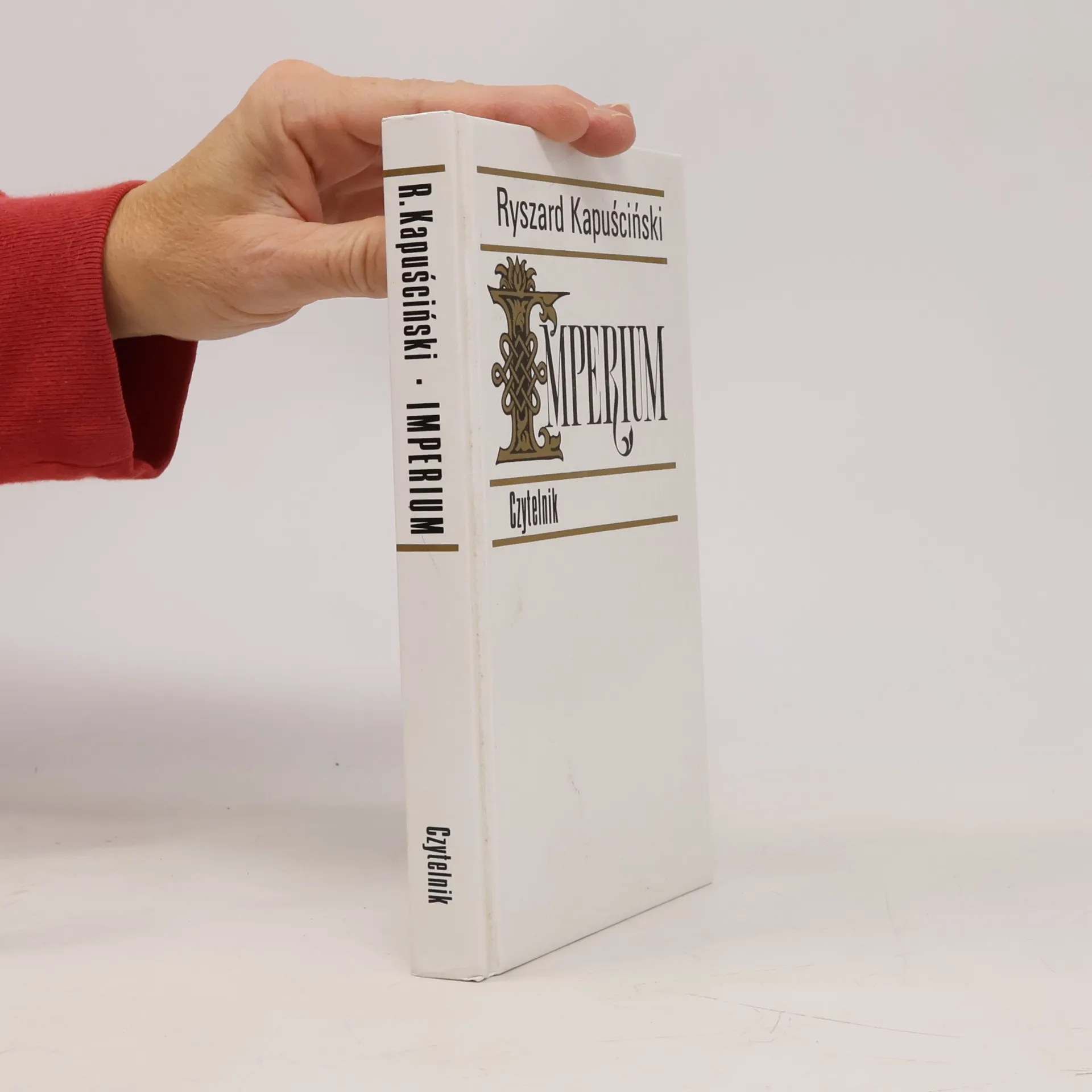
Universale Economica: Imperium
- 276 pages
- 10 hours of reading
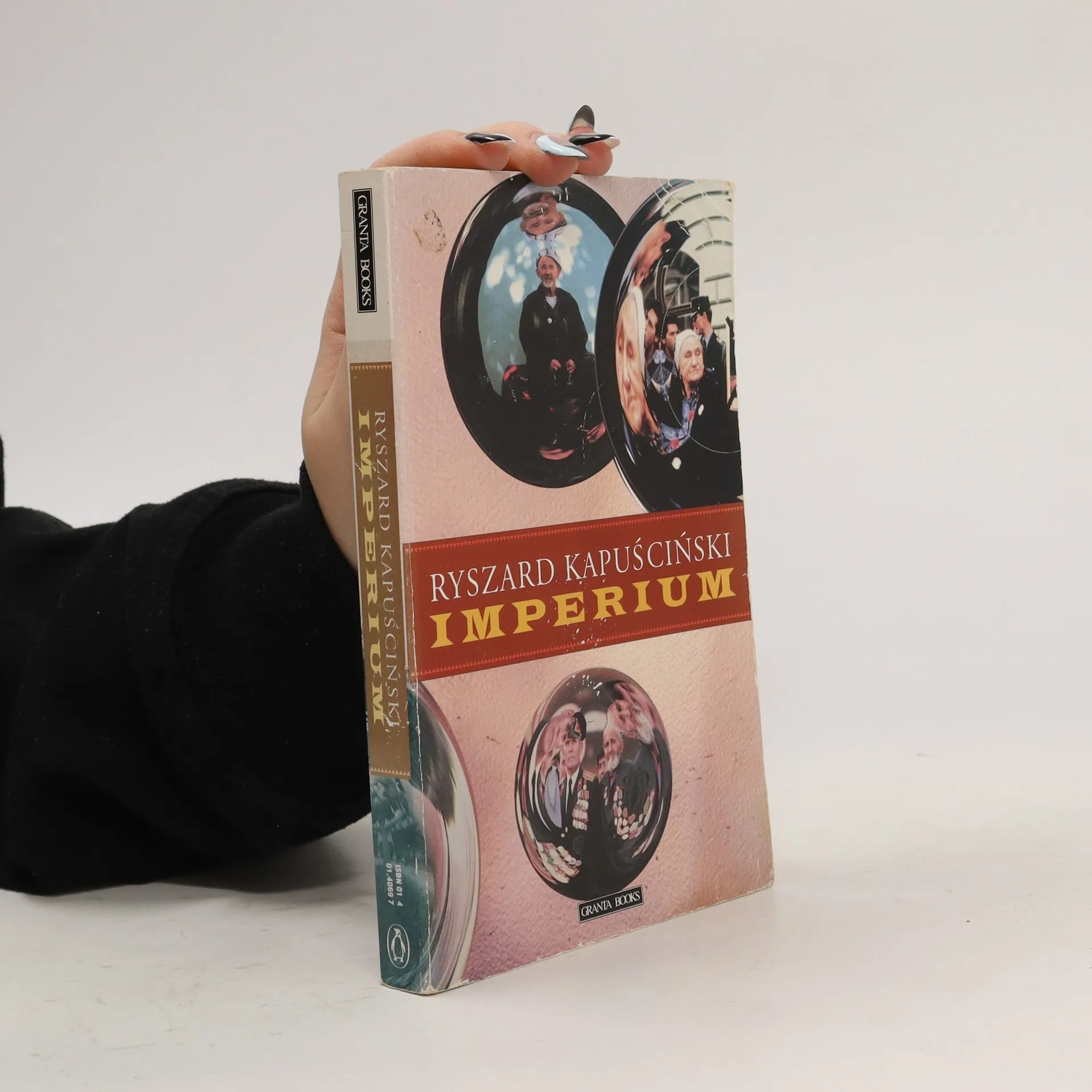
"Imperium" è la narrazione del viaggio di un "esploratore" molto speciale attraverso terre, realtà, storie per lo più ancora sconosciute. Nel momento in cui il grande impero sovietico si dissolve in mille rivoli e staterelli, la cronaca personale di Kapuscinski scopre e racconta oscure e violente realtà, sommerse in una confusione di lingue e culture che rimandano al mondo dopo il crollo della Torre di Babele. Un viaggio nello spazio e nel tempo, un racconto di ricordi in cui le esperienze passate si intrecciano a quelle presenti nel darci, come dice Salman Rushdie, "una veritiera immagine del mondo".
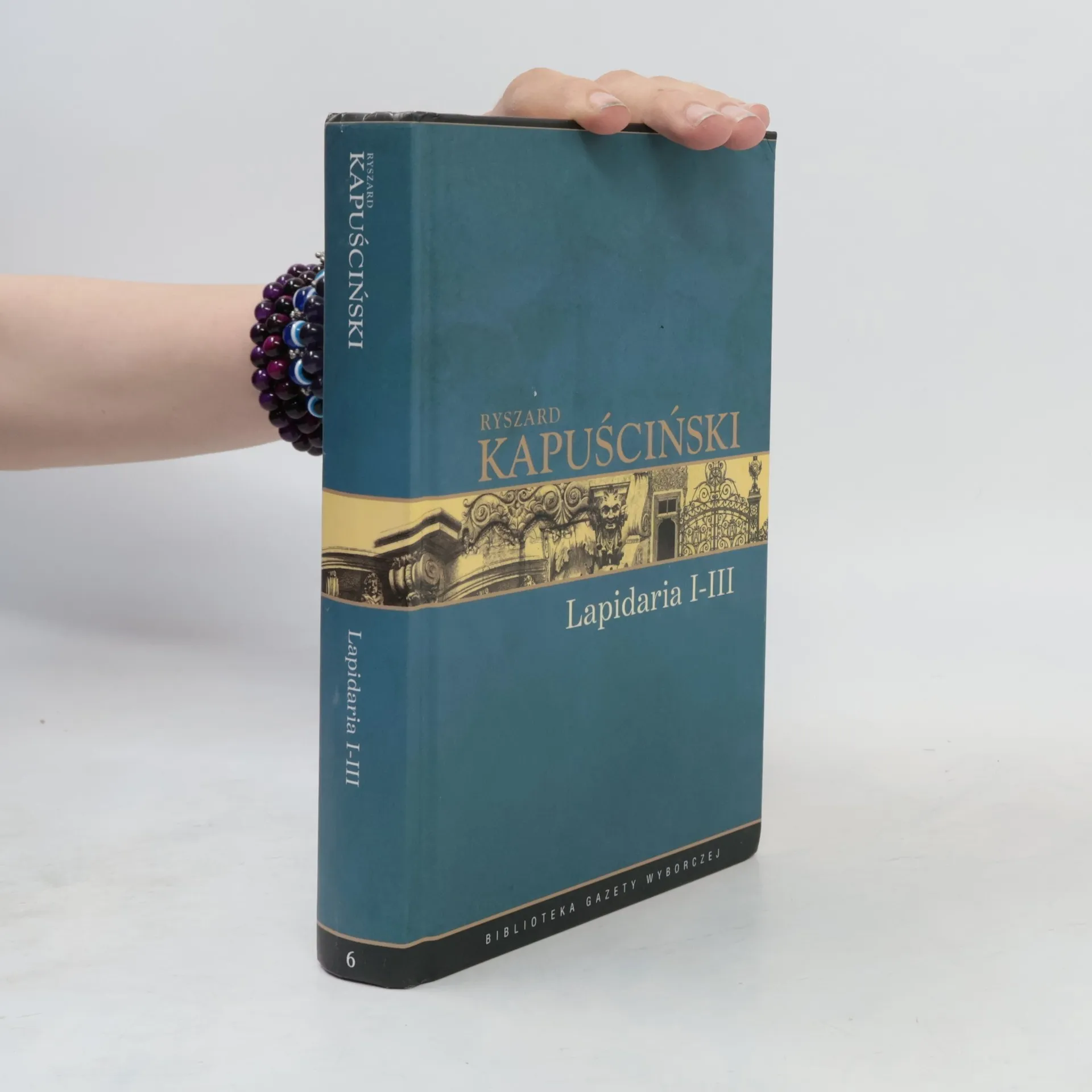
Lapidarium
- 127 pages
- 5 hours of reading
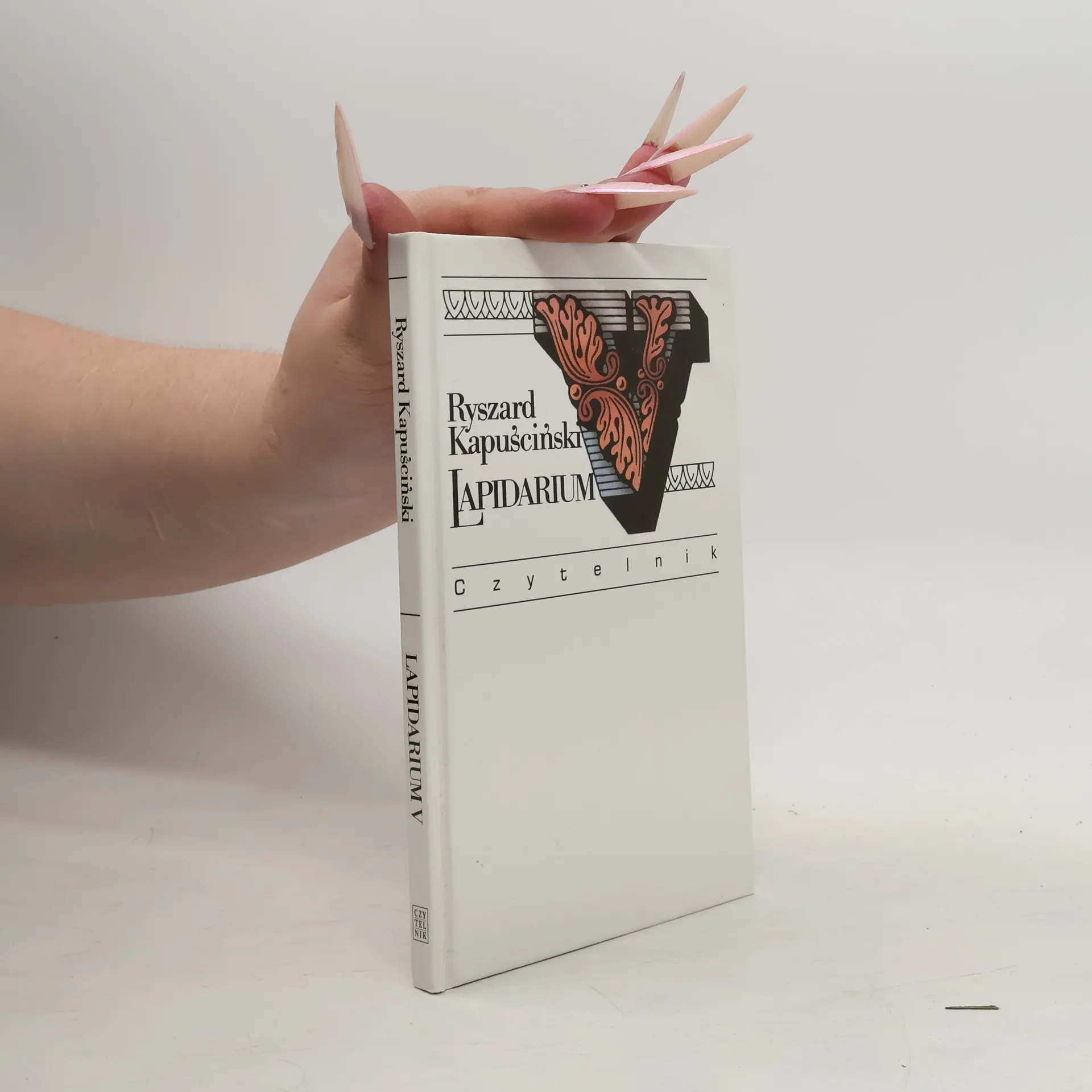
Lapidarium to miejsce (skwer w mieście, dziedziniec w zamku, patio w muzeum), gdzie składa się znalezione kamienie, szczątki rzeźb i fragmenty budowli - a to odłamek tułowia albo ręki, a to kawałek gzymsu czy kolumny, słowem, rzeczy będące częścią nie istniejącej (już, jeszcze, nigdy) całości i z którymi nie wiadomo, co robić. Może pozostaną jako świadectwo czasu przeszłego, jako ślad prób, jako znaki? A może w naszym świecie, już tak rozrośniętym, tak ogromnym, a zarazem coraz bardziej chaotycznym i trudnym do objęcia, do uporządkowania, wszystko zmierza w stronę wielkiego collage`u, w stronę luźnego zbioru fragmentów, a więc - właśnie w stronę lapidarium.
Viajes con Herodoto przekład hiszpański
- 312 pages
- 11 hours of reading
En la década de los cincuenta, mientras recorre Polonia, un Kapuscinski aprendiz de reportero vive obsesionado con cruzar la frontera. No logra ir a Checoeslovaquia pero, a cambio, la redacción del diario en el que trabaja lo envía a la India. El corresponsal parte con un libro, la Historia de Heródoto. Escrito desde la perspectiva de medio siglo, Viajes con Heródoto se revela como un libro de difícil clasificación. ?Es un reportaje? A ratos. ?Un estudio etnográfico-antropológico? En parte sí. ?Un libro de viajes? También lo es. ?Un homenaje al Heródoto protorreportero y a la calidad de su prosa? Desde luego. Y todo esto, plasmado en magníficas historias no ficticias en las que los soldados de Salamina conviven con un nino sin zapatos en la Varsovia de 1942, Jerjes con Dostoievski, Creso con Louis Armstrong.
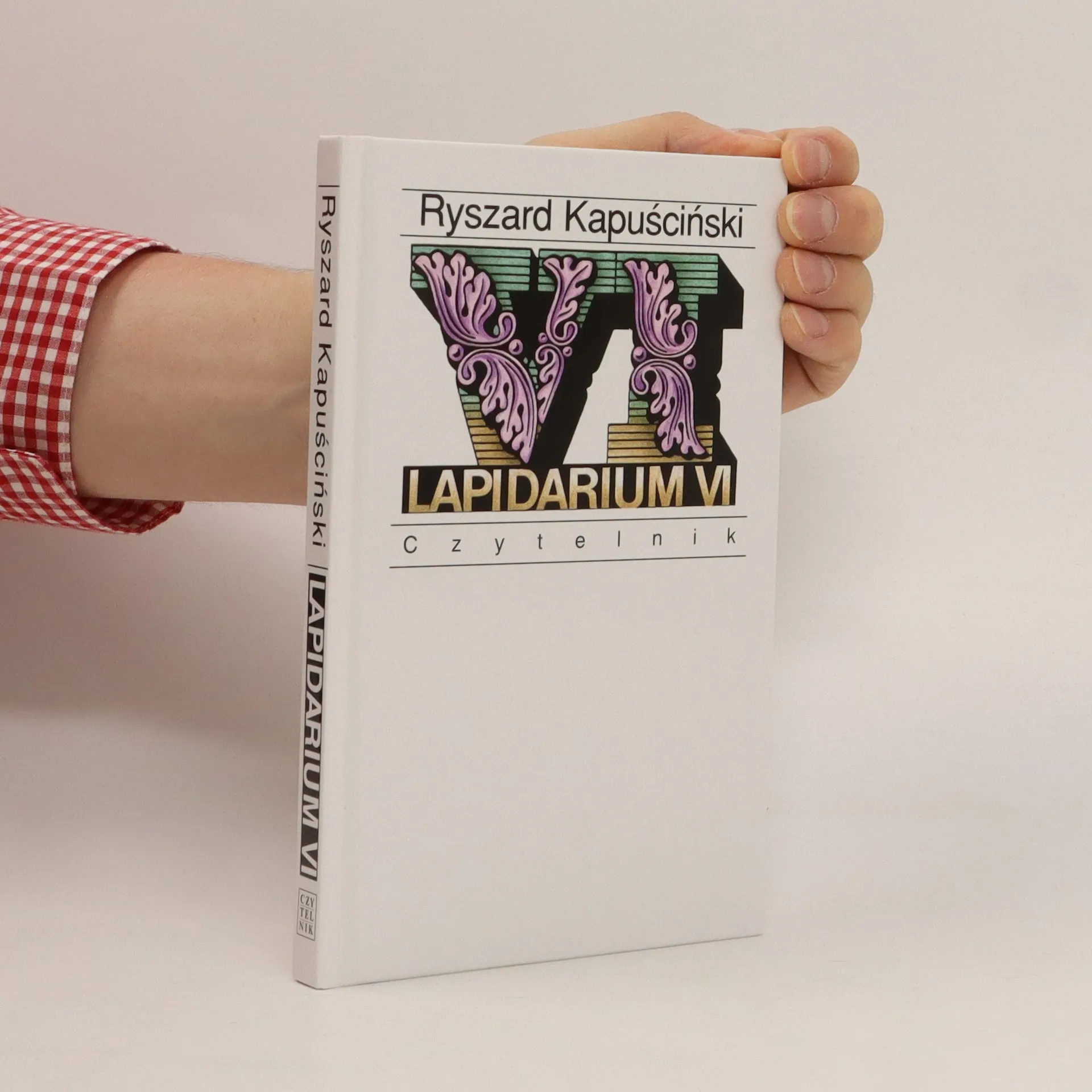
Lapidarium VI
- 168 pages
- 6 hours of reading
Ostatni tom "Lapidariów" przygotowany jeszcze przez Autora przed Jego przedwczesną śmiercią.
Pocket: Il n'y aura pas de paradis
La guerre du foot et autres guerres et aventures
- 320 pages
- 12 hours of reading
L'auteur, grand reporter, est allé en Afrique, puis en Grèce et en Turquie, et enfin en Amérique latine. C'est là que se déroule, dans les années 70, "La guerre du foot". En 1969, le Honduras et le Salvador jouent deux fois l'un contre l'autre afin de se qualifier pour la Coupe du monde. Très vite le jeu du stade devient une guerre ouverte.
Busz po polsku
Notes
Spacer poranny
- 62 pages
- 3 hours of reading
Los cinicos no sirven para este oficio
- 124 pages
- 5 hours of reading
Es un error escribir sobre alguien con quien no se ha compartido al menos un tramo de la vida.» Es uno de los temas centrales de Los cínicos no sirven para este oficio, un libro «conversado» sobre el trabajo del periodista, sobre sus dificultades y sus reglas, sobre la responsabilidad de los intelectuales que, hoy en día, se dedican a la información. ¿Cómo contar la pobreza, el hambre, las guerras? ¿Es imprescindible tener motivaciones éticas para ser un buen periodista? ¿Qué relación existe entre realidad y narración? ¿Cómo moverse entre la investigación de la verdad y los condicionamientos del poder? El libro incluye una entrevista de A. Semplici con el escritor acerca de los acontecimientos que llevaron a la emancipación de África del dominio colonial, y un diálogo con el narrador y crítico de arte John Berger sobre el «ver, entender y explicar
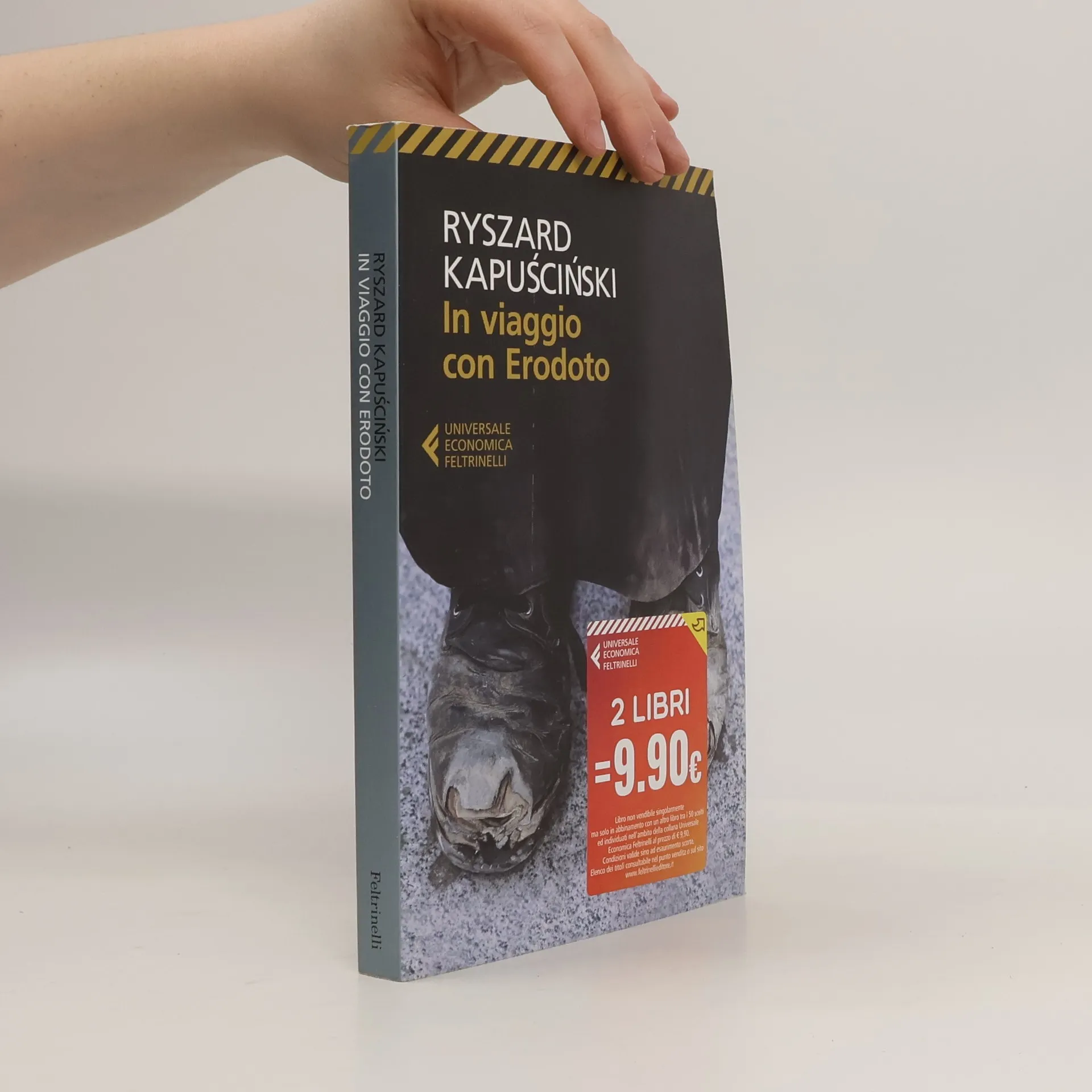
Universale economica - 1946: In viaggio con Erodoto
- 256 pages
- 9 hours of reading
Il giornalista polacco ripercorre le proprie vicende, raccontando retroscena finora ignorati delle sue storie: dall'infanzia povera a quando, fresco laureato, venne mandato allo sbaraglio prima in India e poi in Cina, senza conoscere niente di quei paesi. Ci rivela le difficoltà incontrate e, di fronte a queste difficoltà, il suo punto di riferimento, il testo da leggere e rileggere è sempre stato Erodoto. Per Kapuscinski Erodoto è stato non tanto uno storico, quanto il primo vero reporter della storia: il suo bisogno di viaggiare, di toccare con mano, di raccogliere dati, paragonarli ed esporli, con tutte le necessarie riserve che è giusto nutrire riguardo alle storie riferite da altri, fa di Erodoto un giornalista a pieno titolo.
Notizen eines Weltbürgers
- 295 pages
- 11 hours of reading
Diese Blütenlese des großen polnischen Reporters Ryszard Kapuściński besteht aus Beobachtungen, Episoden, Einfällen, Notizen und politischen Voraussagen. Und es geht um die großen Themen, die Kapuściński immer wiederkehrend beschäftigt haben: die Auswirkung der Globalisierung, die wachsende Kluft zwischen Arm und Reich, die Interpretation historischer Entwicklungen, Afrika, Europa und seine Heimat Polen. Ein Muss für alle Weltenbürger und jene, die es werden wollen!
W pierwszą rocznicę śmierci Ryszarda Kapuścińskiego, wielkiego reportażysty, poety i fotografa, oddajemy do rąk czytelnik�w jego 'Dzieła wybrane'. Na 16 jej tom�w złożą się m.in. 'Heban', 'Wojna futbolowa', 'Szachinszach', 'Lapidaria', 'Imperium', 'Podr�że z Herodotem', a także mniej znane 'Wiersze zebrane'. Każdy z tom�w jest wzbogacony o eseje wybitnych autor�w, takich jak Salman Rushdie, Hanna Krall, John Updike, William Brand, Moses Isegawa, Du?an Provaznik, Jarosław Mikołajewski i wielu innych.
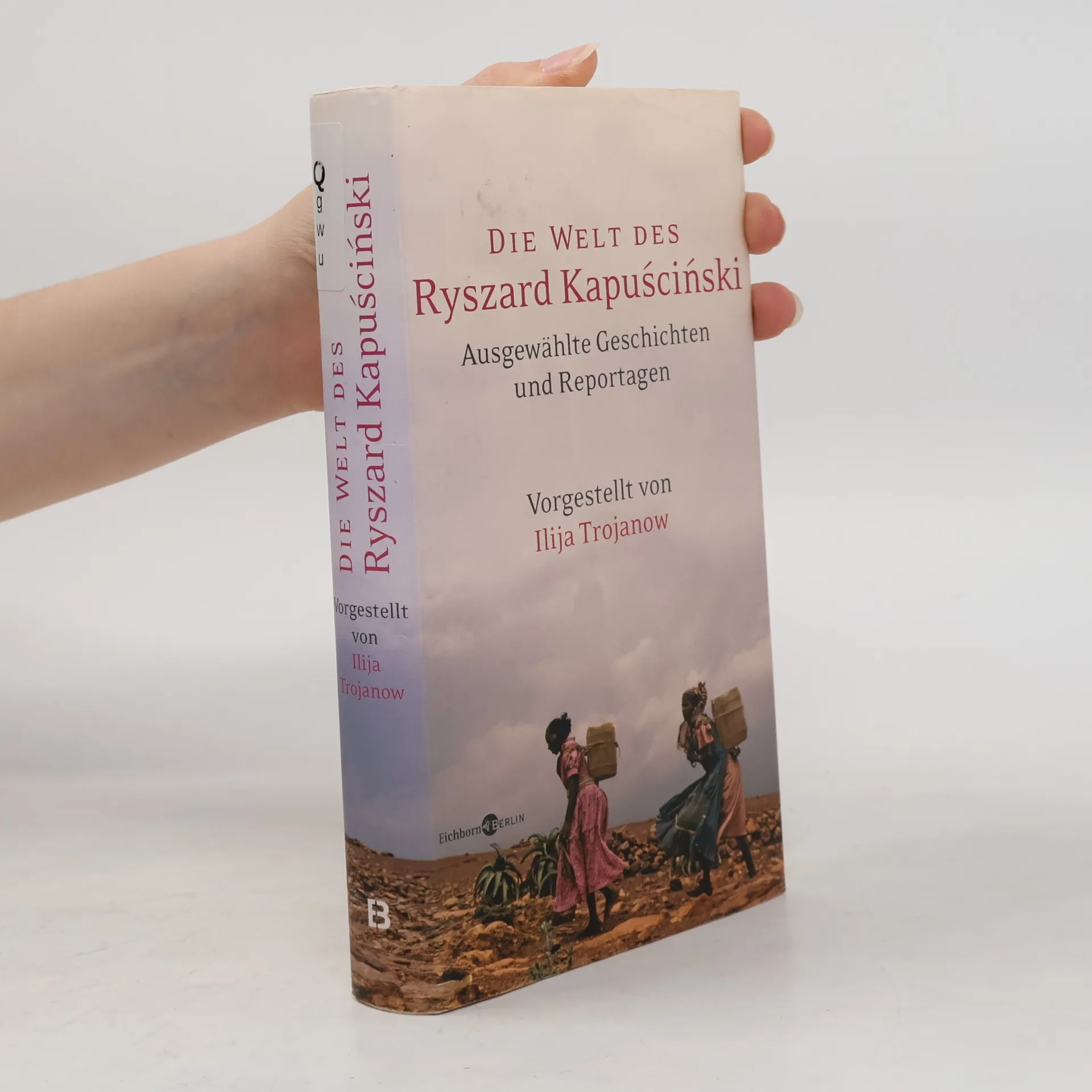
Schon früh war Ilija Trojanow von Ryszard Kapuściński fasziniert, seine Bücher verschlang er, lange war ihm der große Pole Leitstern und Idol — jetzt, nach dem Tod des großen Autors, zeigt er uns ›seinen‹ Ryszard Kapuściński. Aus dem umfangreichen Gesamtwerk des polnischen Autors, Denkers und »Reporters des Jahrhunderts« hat er seine Lieblingsstücke ausgewählt und stellt sie — begleitet von eigenen Texten über Kapuścińskis Welt — vor. Und da gibt es etwas vorzustellen: denn wer außer Kapu´sci´nski hat die Reden von Nasser und Nkrumah mit eigenen Ohren gehört, Salvador Allende, Idi Amin, Che Guevara und Patrice Lumumba persönlich getroffen? Asien, Afrika und Lateinamerika durchstreift und von innen heraus kennengelernt, den Zerfall des sowjetischen Reichs aus allen Blickwinkeln beobachtet, 30 Staatsstreiche und Revolutionen selbst miterlebt, dem Tod ins Auge geblickt und die Entwicklungen der globalisierten Welt weltweit beobachtet?
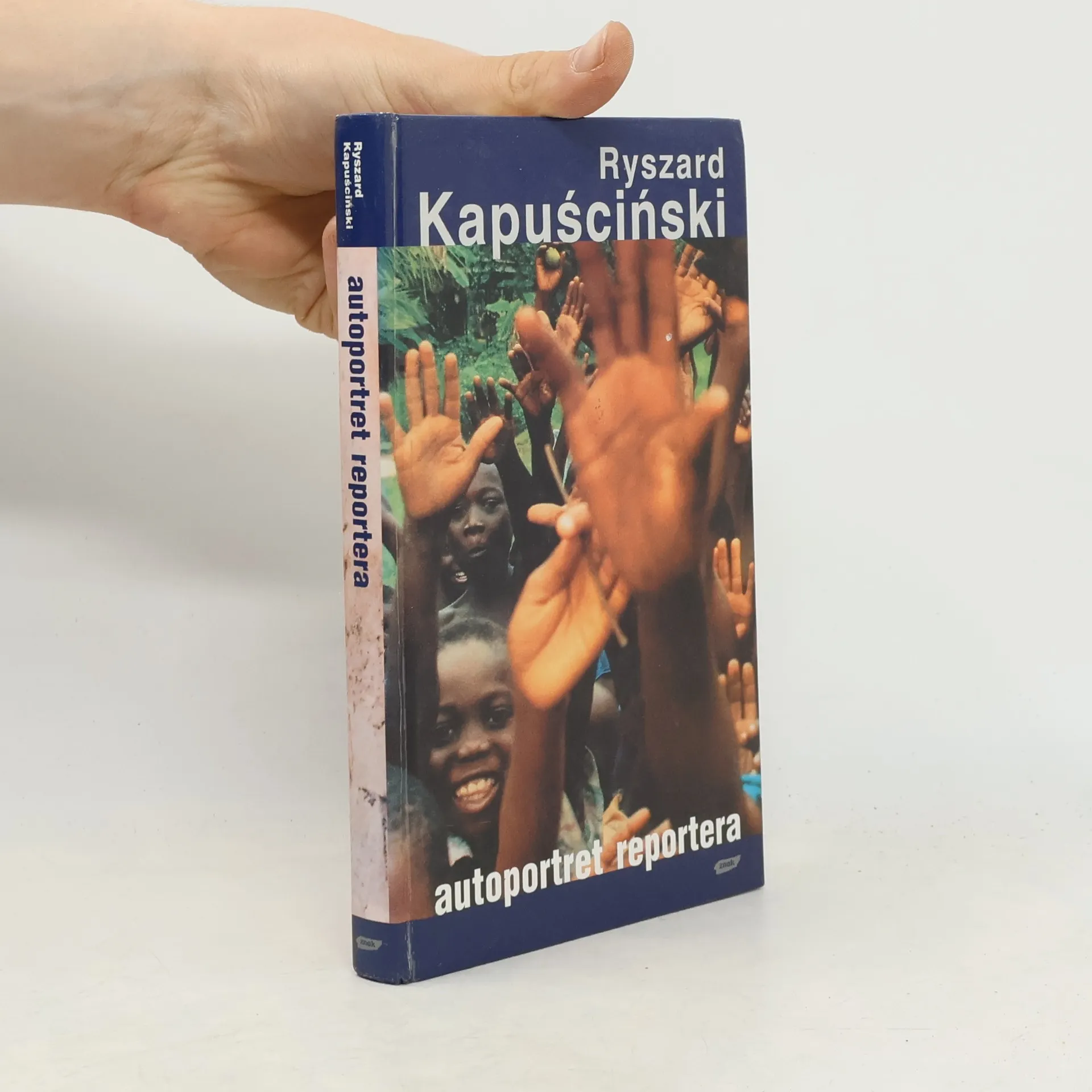
Autoportrait d'un reporter
- 96 pages
- 4 hours of reading
Mort en 2007 à près de soixante-quinze ans, Ryszard Kapuscinski appartient à la catégorie des grands reporters, ceux qui. par leur travail, ont acquis la reconnaissance quasi unanime de leurs pairs. Tout au long de sa carrière, il s'est exprimé sur le métier de reporter, son éthique, sa mission, mais aussi sur l'indépendance de la presse, l'objectivité du journaliste, le pouvoir de la télévision, les nouveaux réseaux d'information, les effets pervers de la course à l'information... Autoportrait d'un reporter, dont le présent volume offre de larges extraits, réunit ses interventions. Plus qu'un témoignage, l'oeuvre est une réflexion passionnante sur la pratique du journalisme et le rôle de l'information. Un livre "diablement stimulant" (Pierre Assouline). Un cahier photos en couleurs consacré à la "construction de l'information " prolonge la lecture du texte, ainsi que de nombreux documents réunis dans le dossier de l'édition (interviews de journalistes, charte et déclaration des devoirs et des droits des journalistes français, extraits d'un reportage de Kapuscinski, etc.).
Busz po polsku
- 132 pages
- 5 hours of reading
Wydany w 1962 r. zbiór Busz po polsku to jedyna w dorobku Ryszarda Kapuścińskiego książka w całości poświęcona Polsce. Akcja reportaży rozgrywa się w latach 50. i 60. na polskiej prowincji. Opowiadają one o epizodach z życia związanych z nią ludzi. Bohaterami są między innymi: dwie Niemki uciekające z domu starców w Szczytnie; studenci relegowani z uczelni waletujący w akademikach, bez pomysłu, co robić dalej; prześliczna dziewczyna w bikini, którą jej przyjaciel rzeźbi jako Madonnę do kościoła w miasteczku; górnicy wędrujący ze Śląska z ciałem tragicznie zmarłego w kopalni kolegi, do jego rodzinnej wsi na Mazurach Wydanie zostało wzbogacone o napisany w połowie lat 80. XX wieku tekst zatytułowany Ćwiczenia pamięci. Ozdobą tomu są reportaże Danka i Sztywny, które wydają się być niemal gotowymi scenariuszami filmowymi.
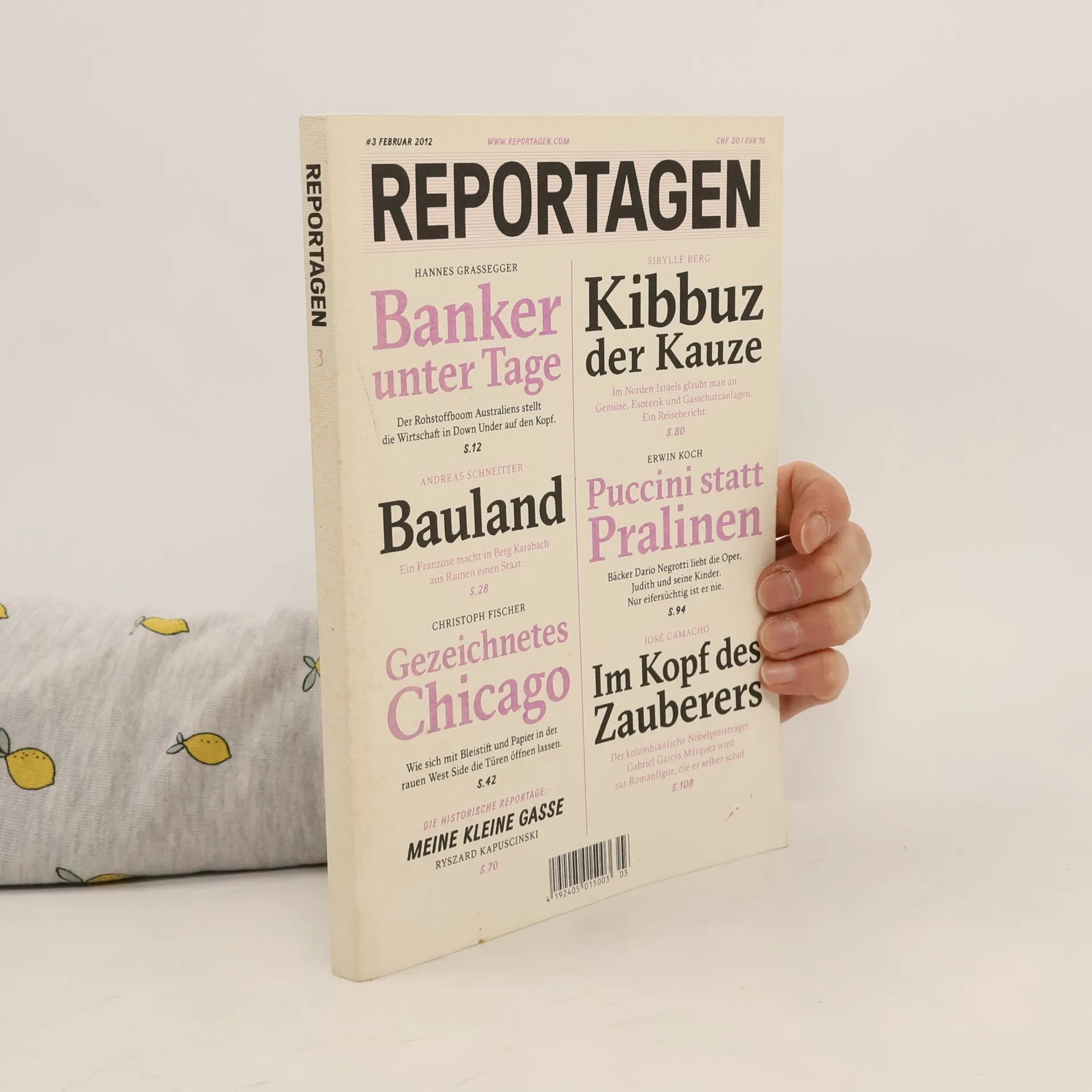
Reportagen
- 136 pages
- 5 hours of reading
Gdyby Kapuściński debiutował w ostatnich latach i przyniósłby do redakcji swoje piękne, głębokie teksty, zderzyłby się najprawdopodobniej z niezrozumieniem, a nawet niechęcią redaktorów. Po pierwsze, drażniłoby ich tempo narracji Kapuścińskiego, które bywa literacko niespieszne. Po drugie, niechęć autora do epatowania tragedią, która wedle dzisiejszych standardów powinna znaleźć się już w leadzie tekstu, żeby przyciągnąć zainteresowanie czytelnika. Wreszcie, słynna pokora Kapuścińskiego, niechęć do oceniania, co dobre, co złe, prawdopodobnie szybko obróciłaby się przeciwko niemu. „Nie ogarniam świata” – sam powiedział o sobie. „Nie ma nic do powiedzenia, nie ma własnego zdania” – taka byłaby konkluzja redaktora – mówił Mariusz Szczygieł z „Gazety Wyborczej”.
König der Könige
Eine Parabel der Macht
Reportážní cestopis z Etiopie. Autor podnikl svou cestu zemí v době politické revoluce, kdy etiopský císař Hailé Selasie I. ztratil kontrolu nad svou zemí.
Autor se snaží čtenáři přiblížit iránskou islámskou revoluci, která se dík šíitskému duchovenstvu, představující její vedoucí složku, vyznačuje některými neobvyklými rysy. Nespokojuje se s pouhým popisem průběhu událostí, ale pokouší se ukázat skutečné příčiny, které vedly kpádu jednoho ze zdánlivě nejsilnějších režimů na Blízkém východě.
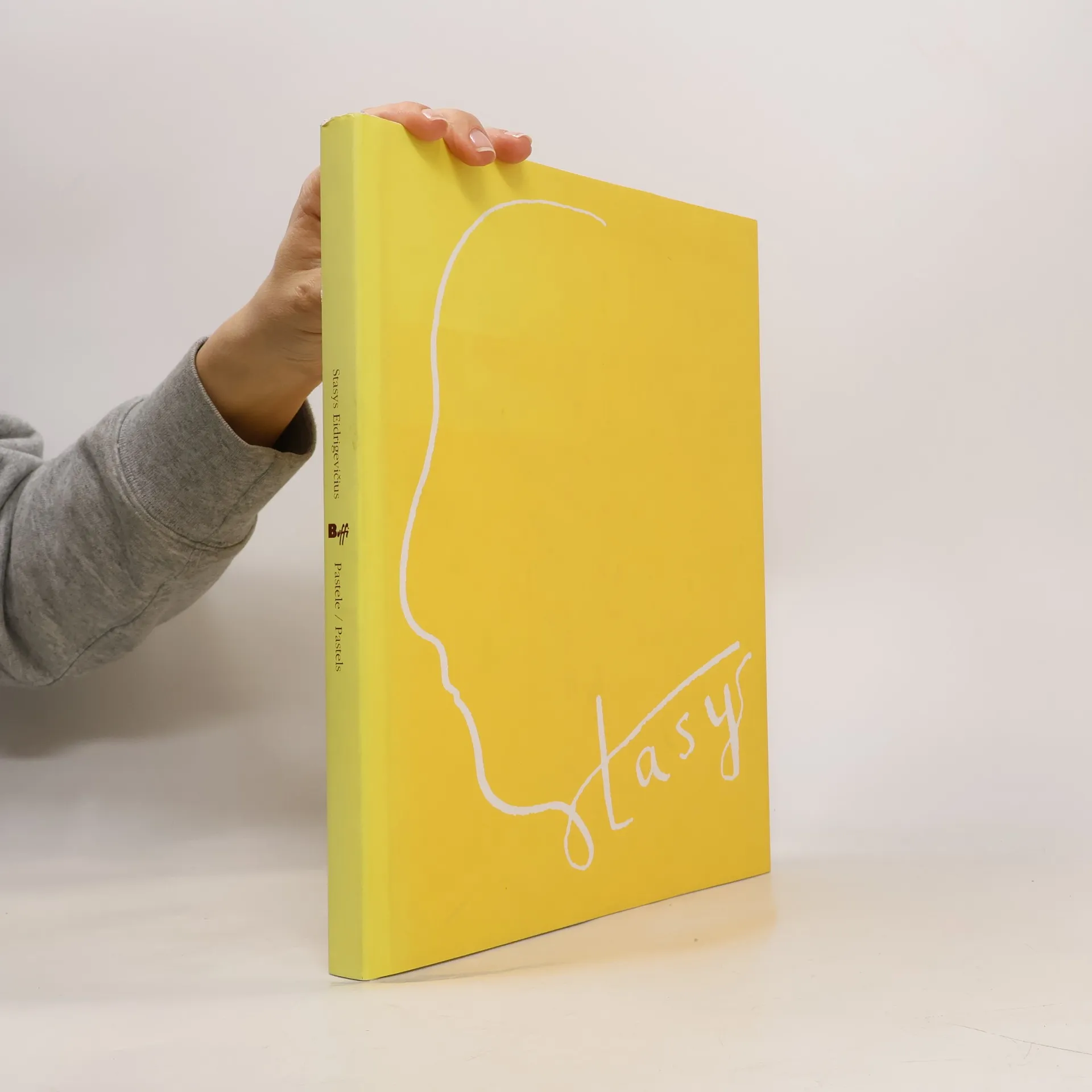
Album obrazów Stasysa Eidrigevičiusa.