
Explore the latest books of this year!
Bookbot

Maria Dermoût

    Helena Dermoût's literary work is characterized by its unique narrative style, exploring the complexities of human relationships and the past. Her writings often delve into themes of memory, identity, and the search for meaning in life. The author's approach to writing is poetic and evocative, delving into the psychological depths of her characters. Readers appreciate her ability to craft vivid imagery and compelling stories that resonate long after the final page.

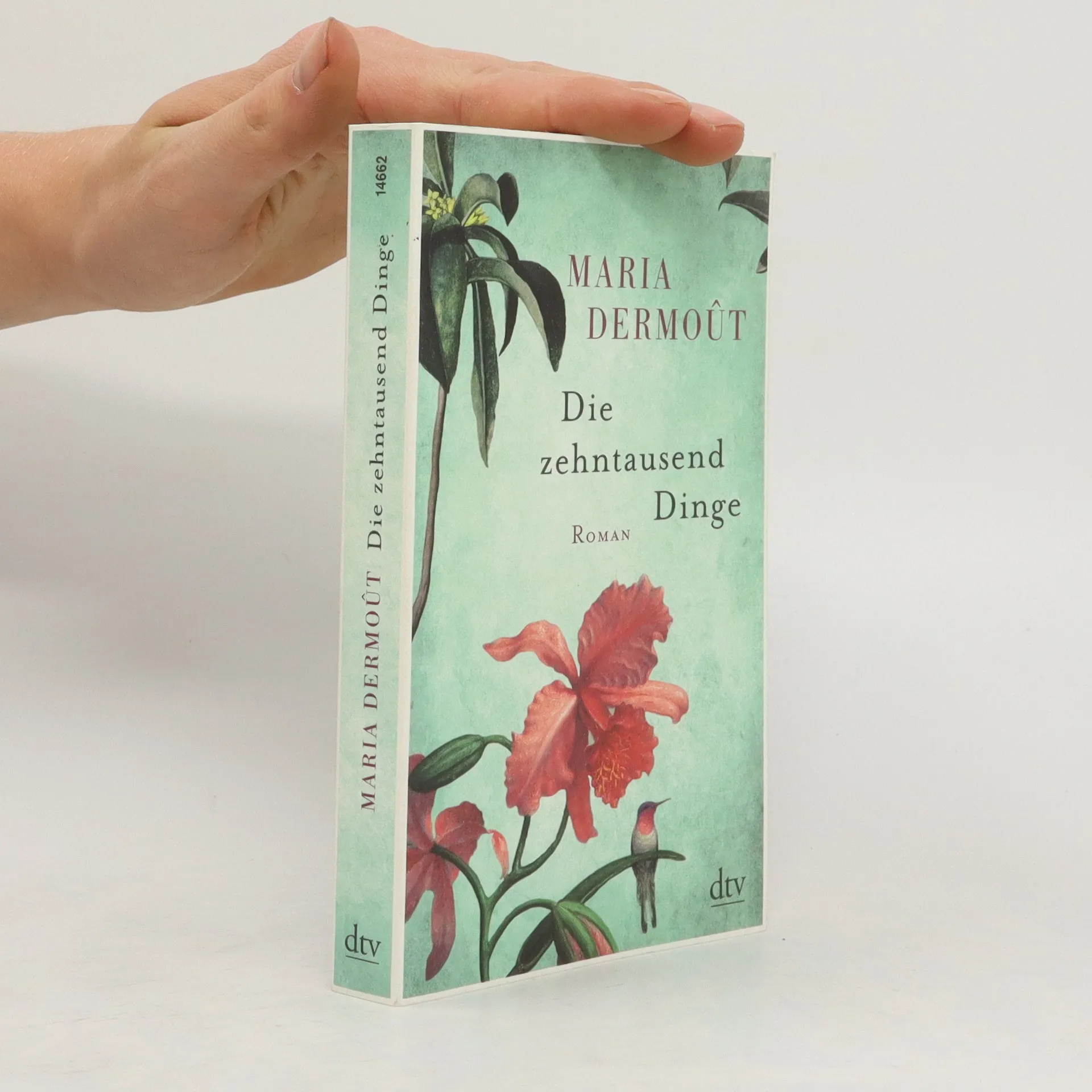
    Die zehntausend Dinge
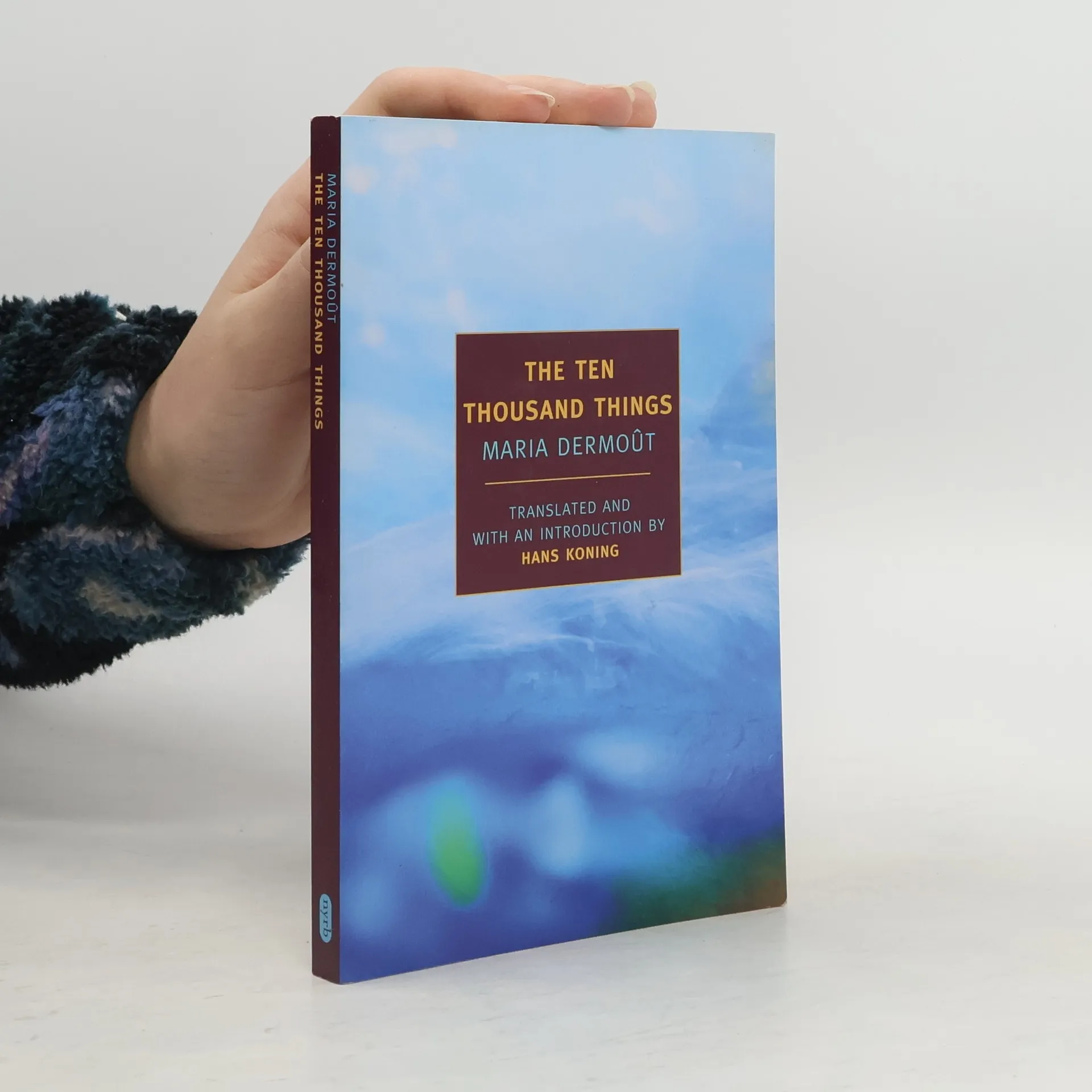
    The Ten Thousand Things
    • In Wild , Cheryl Strayed writes of The Ten Thousand Things : "Each of Dermoût’s sentences came at me like a soft knowing dagger, depicting a far-off land that felt to me like the blood of all the places I used to love.” And it's true, The Ten Thousand Things is at once novel of shimmering strangeness—and familiarity. It is the story of Felicia, who returns with her baby son from Holland to the Spice Islands of Indonesia, to the house and garden that were her birthplace, over which her powerful grandmother still presides. There Felicia finds herself wedded to an uncanny and dangerous world, full of mystery and violence, where objects tell tales, the dead come and go, and the past is as potent as the present. First published in Holland in 1955, Maria Dermoût's novel was immediately recognized as a magical work, like nothing else Dutch—or European—literature had seen before. The Ten Thousand Things is an entranced vision of a far-off place that is as convincingly real and intimate as it is exotic, a book that is at once a lament and an ecstatic ode to nature and life.
      The Ten Thousand Things
    • »Ein Stern am Literaturhimmel.« Frank Dietschreit in ›rbb kulturradio‹ Eine alte Gewürzplantage auf einer indonesischen Insel, die wispernde und raschelnde tropische Pflanzenwelt, das geheimnisvolle Säuseln des Meeres – dieses paradiesische Fleckchen Erde muss Felicia als Kind verlassen. Doch niemals wird sie die Worte ihrer Großmutter, der Plantagenbesitzerin, vergessen, die ihr zum Abschied sagt: »Auf Wiedersehen, Enkeltochter, ich warte hier auf dich.« – Jahre später kehrt Felicia, inzwischen selbst Mutter, in den »Kleinen Garten« zurück: Auch ihr Sohn Himpies wächst unbeschwert heran, streift über die Plantage und lauscht den Geschichten der einheimischen Dienstboten, bis sich eines Tages eine Tragödie ereignet

      Die zehntausend Dinge