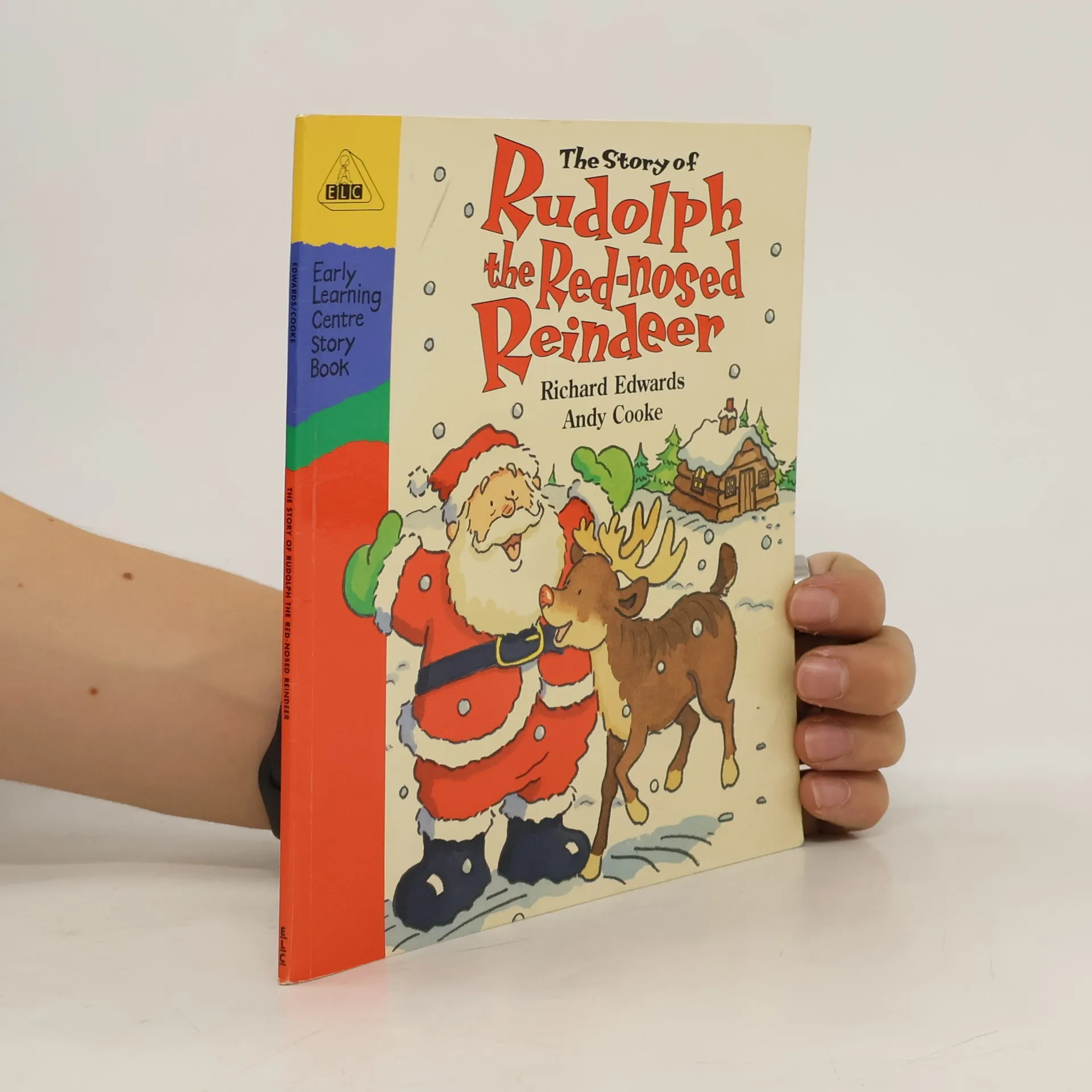
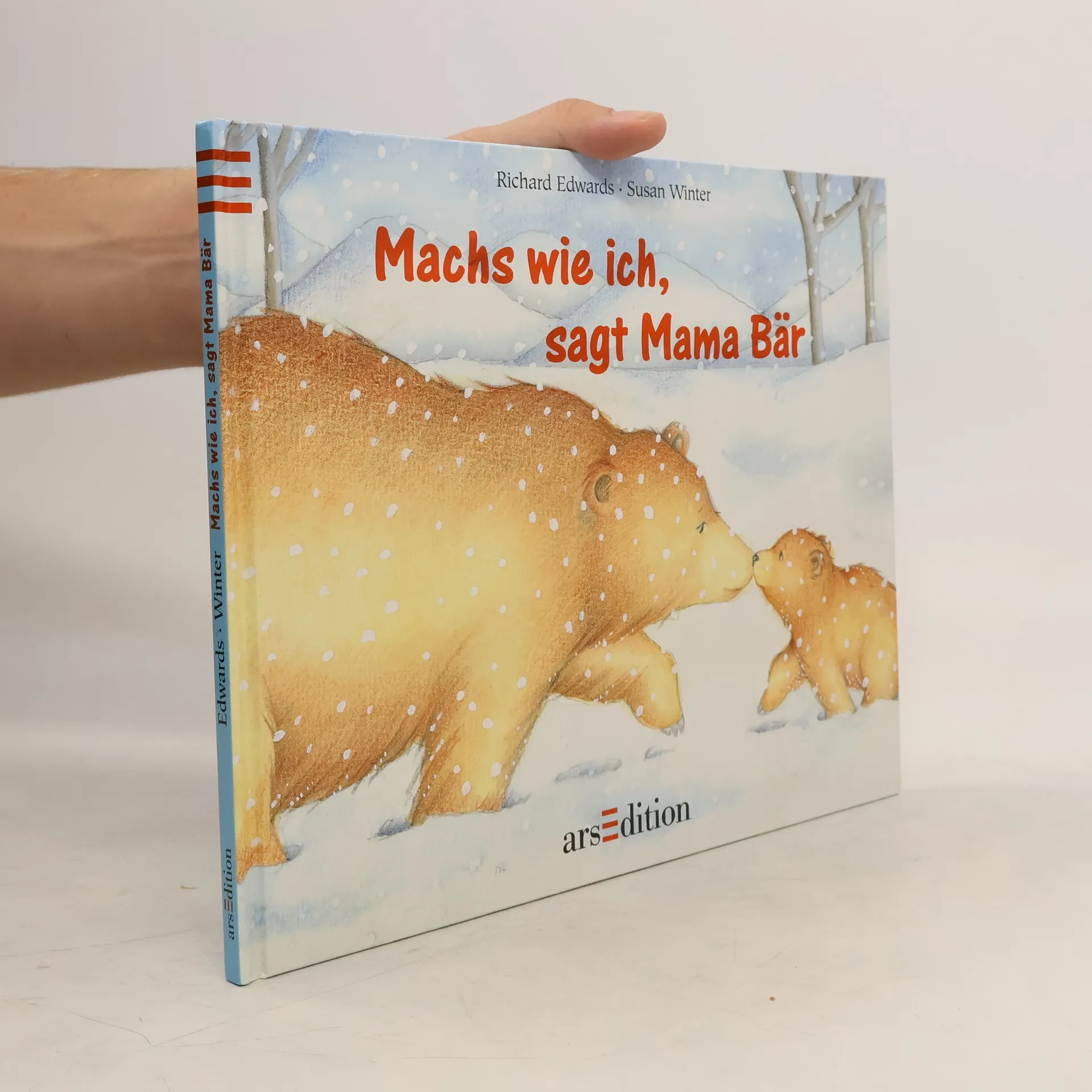
Richard Edwards is an acclaimed children's author whose works are celebrated for their poetic sensibility. His writing, often touched by his experiences living in various countries, brings a playful yet insightful perspective to young readers. He crafts narratives rich in imagery and rhythm, capturing the imaginations of children everywhere. Edwards skillfully balances humor with thoughtful themes, fostering curiosity and creativity in his audience.
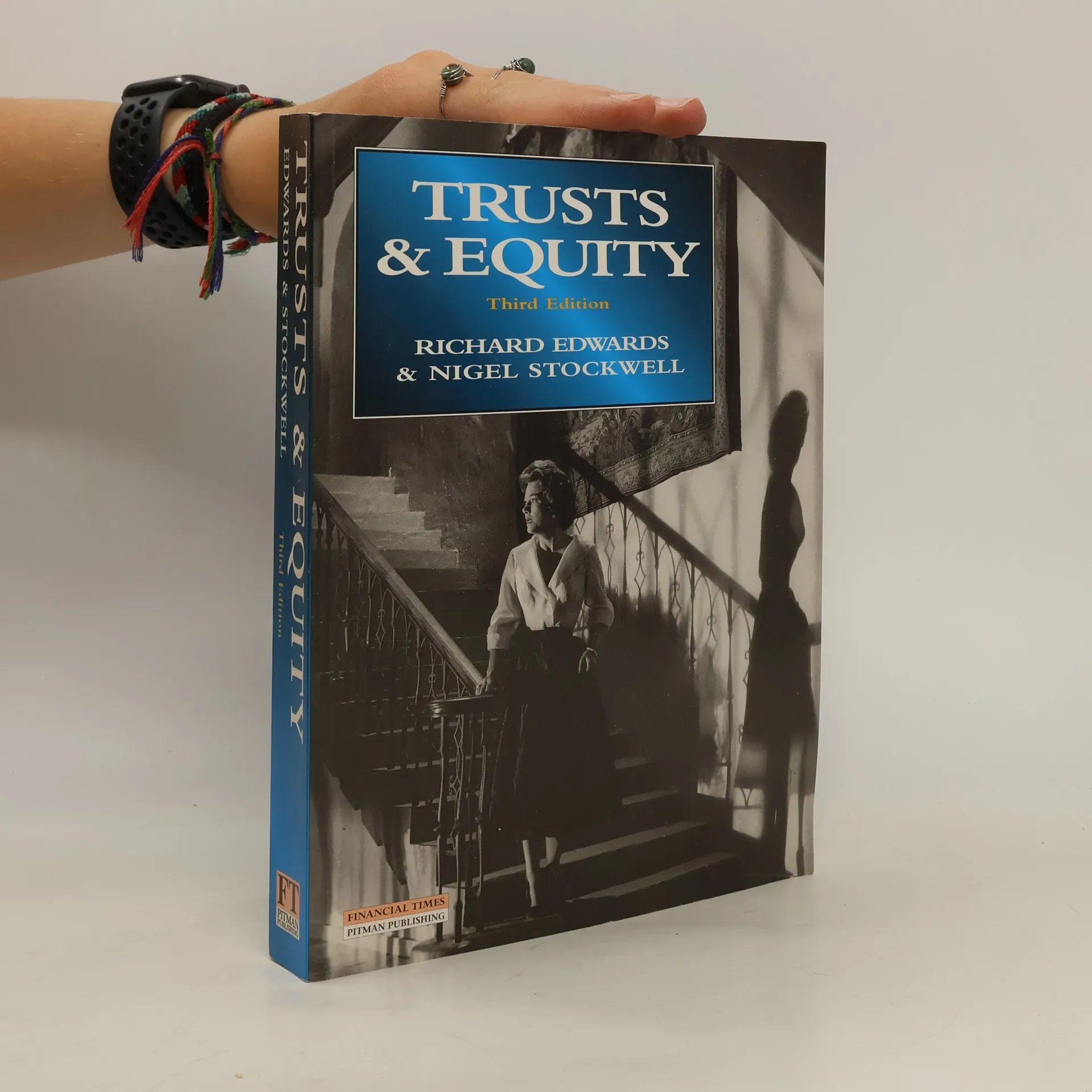
This edition has been updated with recently decided cases and new legislation. In particular, the Trusts of Land and Appointment of Trustees Act 1996, which makes significant changes with regard to trustees' powers and duties and to the relationships between trustees and beneficiaries.
A collection of poems depicting over twenty-five kinds of animals, from heron and crocodile to cow and sheep. Suggested level: preschool, junior, primary.
Enormous changes affected the inhabitants of the Eastern Woodlands during the eleventh to fifteenth centuries AD. Many groups in this area, known as Oneota, began to aggregate and adopt new material culture and food technologies. This period also saw increased intergroup violence and climatic volatility with the onset of the Little Ice Age. Richard W. Edwards explores how the inhabitants of the western Great Lakes region responded to these challenges, focusing on a group in the Koshkonong Locality of southeastern Wisconsin. He contextualizes Koshkonong within the broader Oneota framework and its relation to neighboring groups. Utilizing a canine surrogacy approach to avoid the destruction of human remains, Edwards analyzes subsistence systems, the role of agriculture, and risk-management strategies developed to confront these challenges. His findings suggest how the inhabitants organized themselves and interacted with others. Ultimately, Edwards reveals that Oneota groups were more agricultural than previously believed and illustrates how their maize agriculture was intricately linked to their societal structures.