Government 'servants' can most likely be assumed to be pursuing their own interests, just like those in the private sector, although, given the coercive power of the state, the effects can be far from benign. This text analyses the motives and activities of politicians, civil servants and voters.
Warum haben weltweit nur einige hundert Millionen Menschen ein sehr hohes Pro-Kopf-Einkommen, während Milliarden unterernährt sind? Warum führt der Import von – andernorts sehr erfolgreichen – Verfassungen häufig nicht zu Wohlstand und Stabilität? Institutionenökonomen beanspruchen, diese Fragen anders und umfassender anzugehen als traditionelle Ökonomen. Die vorliegende Einführung ist nicht nur für Studierende der Wirtschaftswissenschaften geeignet, sondern auch für solche anderer Fächer. Denn auch informelle Institutionen wie Sitten, Gebräuche und Traditionen werden behandelt, weil immer deutlicher wird, dass diese entscheidend für Wachstum und Entwicklung sind. "Dieses gelungene Lehrbuch wird nicht nur Ökonomen wärmstens empfohlen, sondern auch Politologen, Soziologen und Juristen, die nach einem Einstiegswerk in die Neue Institutionenökonomik suchen." Prof. Dr. Chris Mantzavinos, Universität Witten-Herdecke
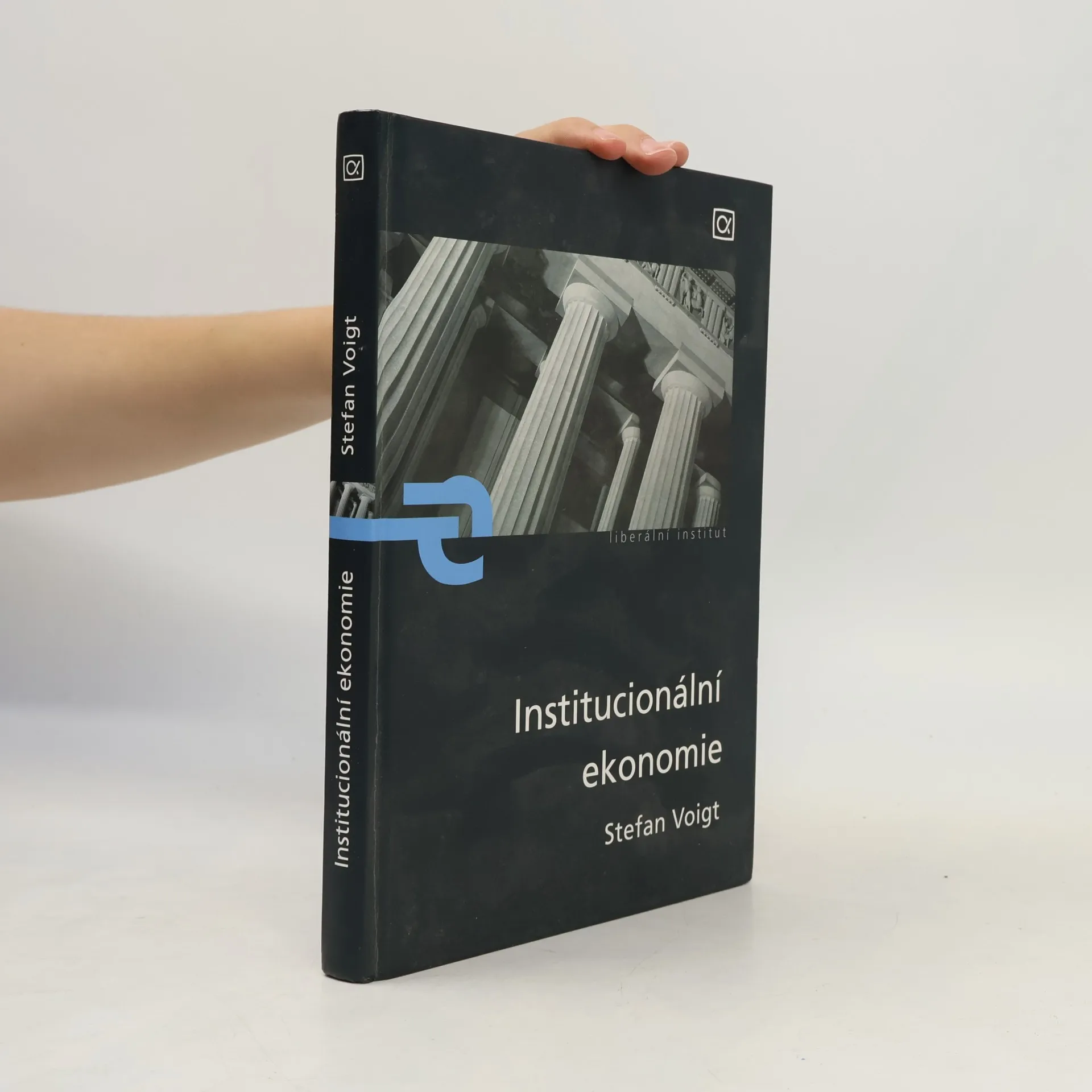
První kniha na toto téma vydaná v ČR. Výjimečné dílo německého autora. Kniha je základní učebnicí příslušného oboru na Národohospodářské fakultě VŠE. Chceme-li porozumět fungování ekonomického systému; vysvětlit, proč řada pokusů o reformy hospodářství selhává a obyvatelstvu škodí; pochopit, jak co nejvíce snížit množství konfliktů a naopak zajistit vysokou životní úroveň, musíme se zabývat analýzou institucí, jejich vznikem a jejich dopady. Kniha profesora Voigta je nejlepším (a i pro laika srozumitelným!) přehledem toho, co se na poli ekonomické analýzy institucí odehrálo za poslední čtvrtstoletí.