

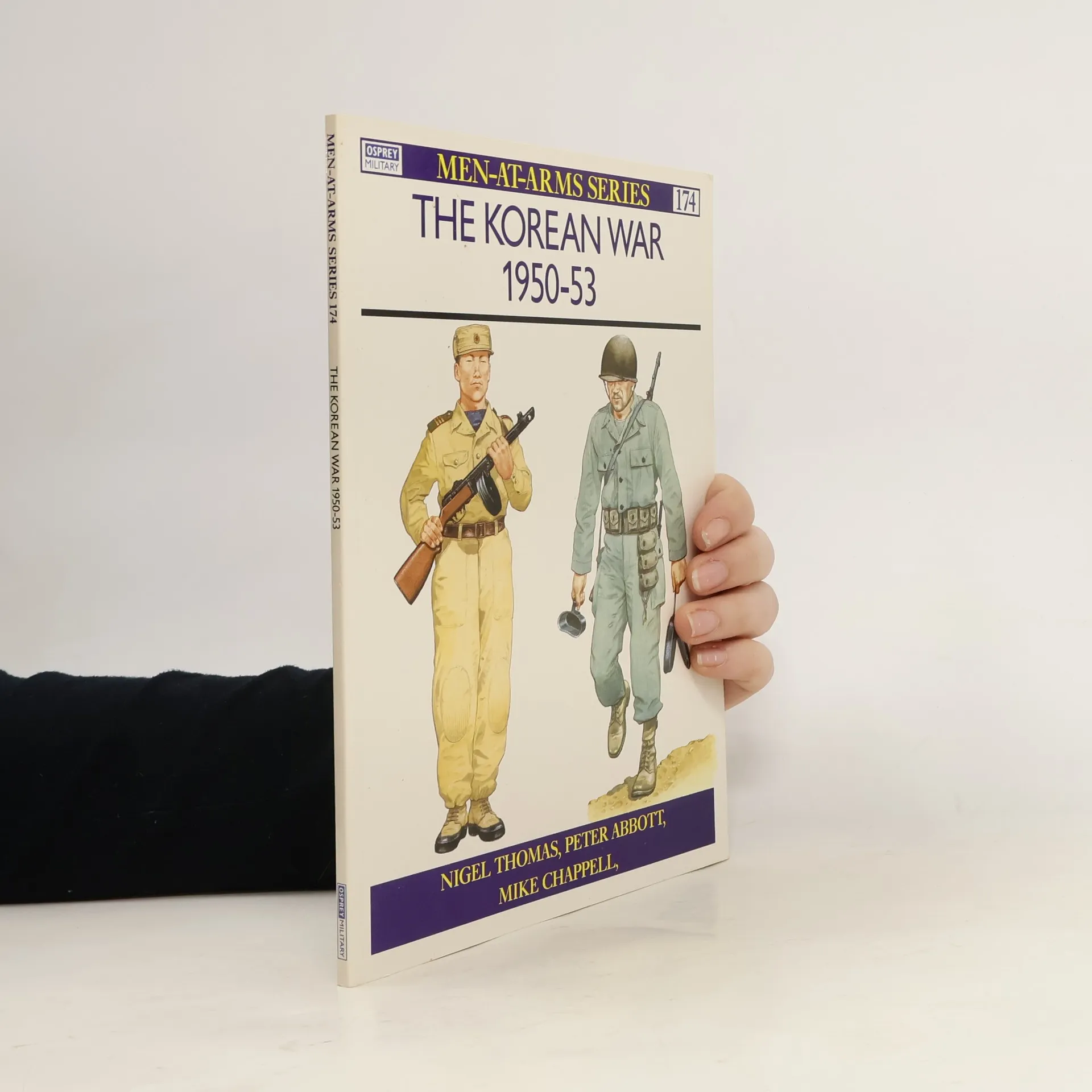
The Korean War 1950–53
- 48 pages
- 2 hours of reading
At 4am on Sunday 25 June 1950 powerful North Korean forces invaded South Korea, advancing down the Uijongbu Corridor towards the Southern Capital of Seoul. South Korean troops resisted bravely, but were crushed by overwhelming Northern superiority. Later that day the United Nations Security Council condemned the aggression, and on 7 July appointed US General of the Army Douglas MacArthur to command UN forces which would be sent to save South Korea. Nigel Thomas and Peter Abbott explore the history of this conflict, which pitted UN forces against the People's Republic of China in a resulting in hundreds of thousands of casualties.