Die Kunst der Heilung
25 spirituelle Rezepte für die Seele
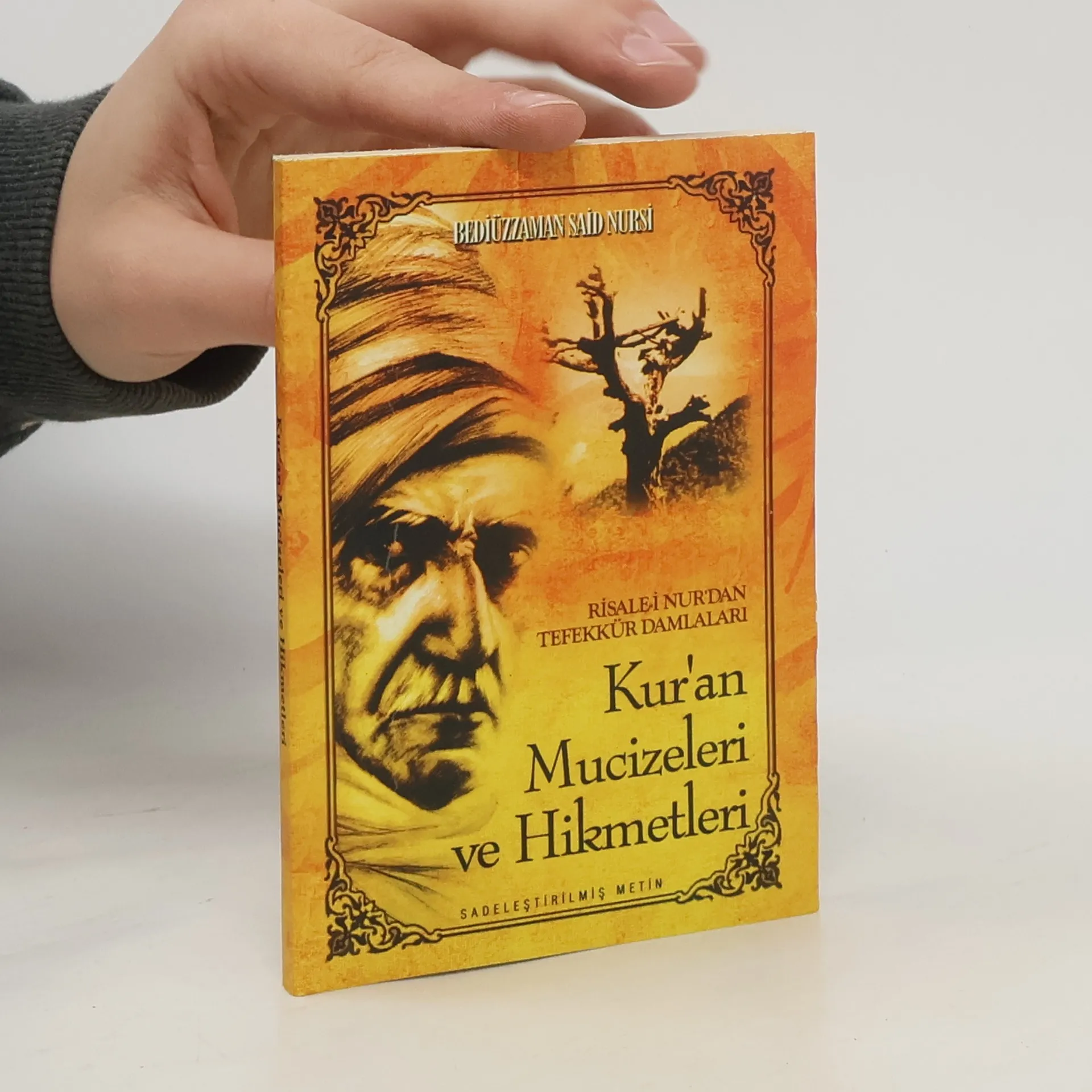
Said Nursî was an Islamic scholar whose extensive work focuses on Qur'anic commentary. His writings, collected under the title "Risale-i Nur" (Letters of Light), offer profound spiritual and philosophical insights. Nursî emphasized the struggle against materialism and communism, seeking bridges between different faiths. His thought appeals to readers seeking spiritual guidance and ethical direction in the modern world.


25 spirituelle Rezepte für die Seele
Gibt es einen Schöpfergott? Werden wir nach dem Tod zu nichts? Oder werden wir als geistige Wesen weiterleben? Wird vielleicht sogar unser Körper neu „zusammengebaut“ und wiederauferstehen? Auf diese drei existenziellen Fragen gibt der Lehrmeister Bediuzzaman Said Nursi (gest. 1960) mithilfe von Gleichnissen vernunftbasierte Antworten. Ihm zufolge können nicht nur den heiligen Schriften, sondern auch den Phänomenen der Natur deutliche Hinweise auf die Existenz Gottes und ein Leben nach dem Tod entnommen werden. Mit einer lebendigen Sprache und plausibler Gedankenführung legt Bediuzzaman seine Argumente für die Existenz Gottes und die Auferstehung nach dem Tod dar. So ebnet er einen erhabenen Weg des Verstandes zum abrahamitischen Glauben. Das Zehnte Wort lädt seine Leserschaft zum Nachdenken über diese Grundwahrheiten ein.
zu großen Geheimnissen des Seins, des Menschen und des Glaubens
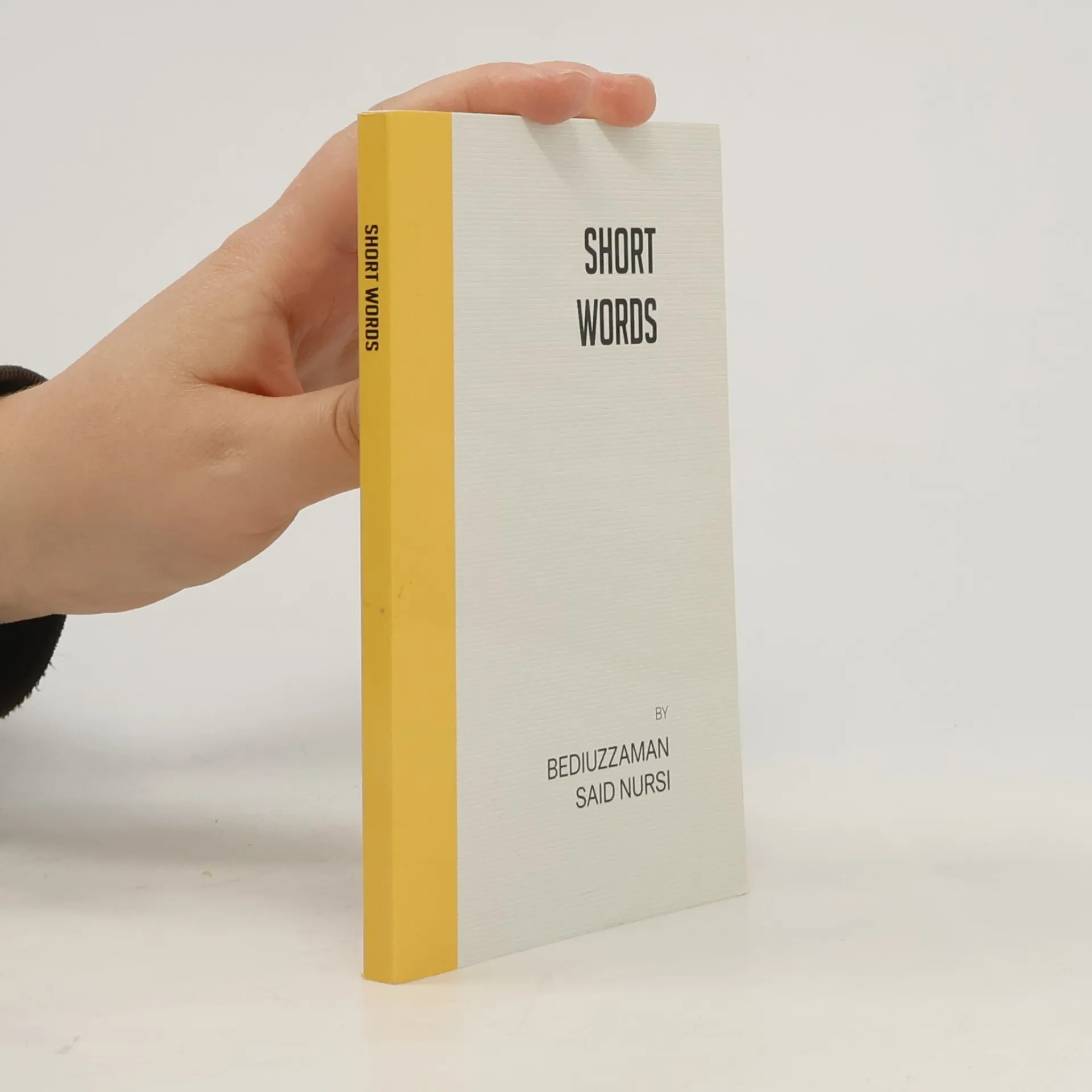
Woher kommt der Mensch? Was macht ihn aus? Was heißt Gottvertrauen, was Verkennung? Welche Aufgabe haben der Geist, das Herz und die Vernunft? Sind Glaube und Vernunft Gegensätze? Wohin gehen die Geschöpfe nach ihrem Tod? Was ist die Grundveranlagung des Menschen, was ist sein Kernauftrag? Was bedeuten Gottesdienst und Bittgebet?Diese und andere vitale Fragen werden vom Lehrmeister Bediuzzaman Said Nursi (gest. 1960) aufgegriffen und mit anschaulichen Gleichnissen beantwortet. Seine "kleinen", aber tiefschürfenden Worte laden die Leserschaft zu einer Erkenntnisreise in das Sein, den Menschen und den Glauben ein.
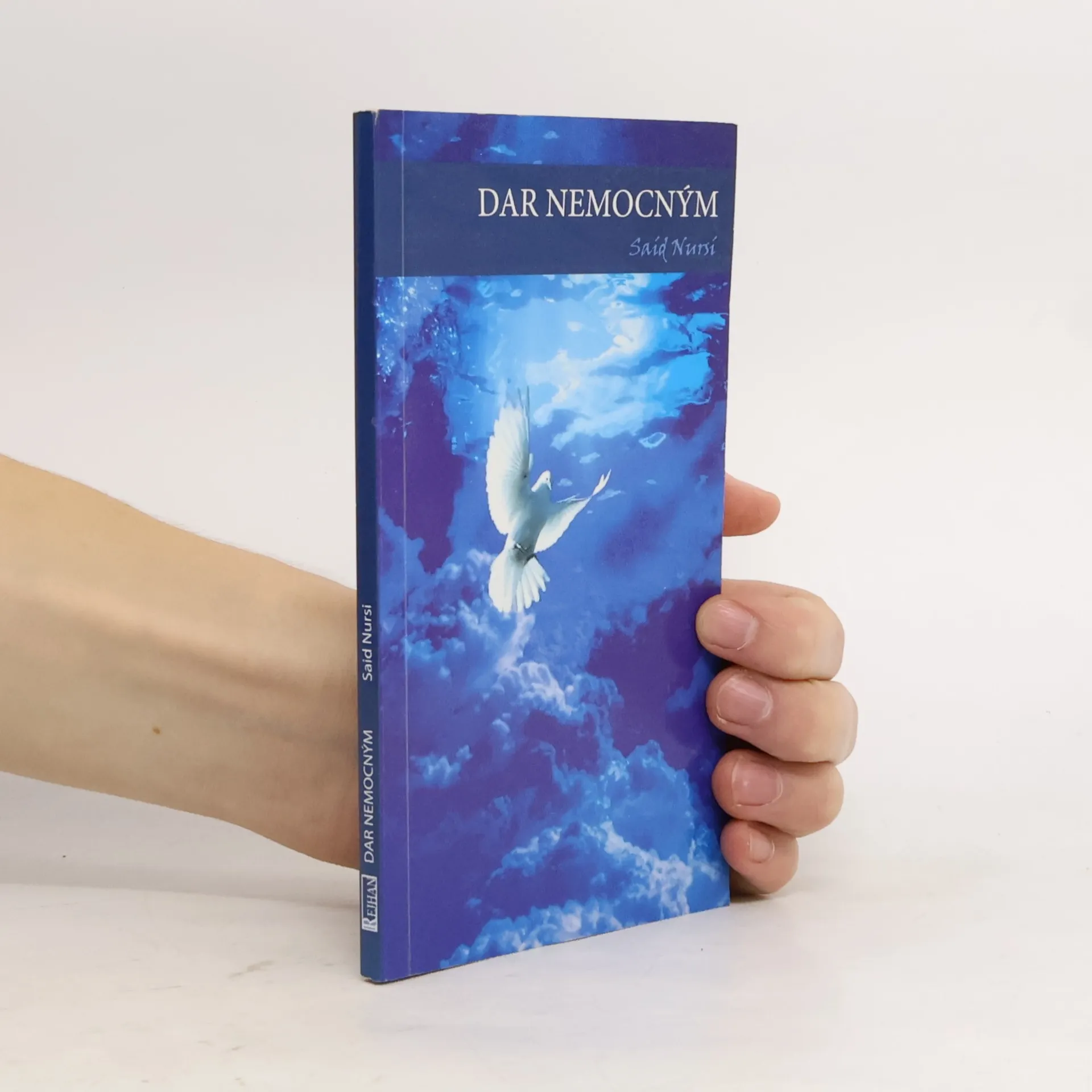
Co je dobrého na nemoci, utrpení a pohromách? Co je Božským účelem v jejich stvoření? DAR NEMOCNÝM ukazuje, že veškeré nemoci mají v sobě taktéž mnoho prospěšného a příklady Božské moudrosti. Pro každou lidskou duši je nutností si jej přečíst.
Člověk byl poslán na tento svět jako úředník a host a byly mu dány schopnosti velikého významu. A zároveň s těmito schopnostmi byl pověřen důležitými povinnostmi.
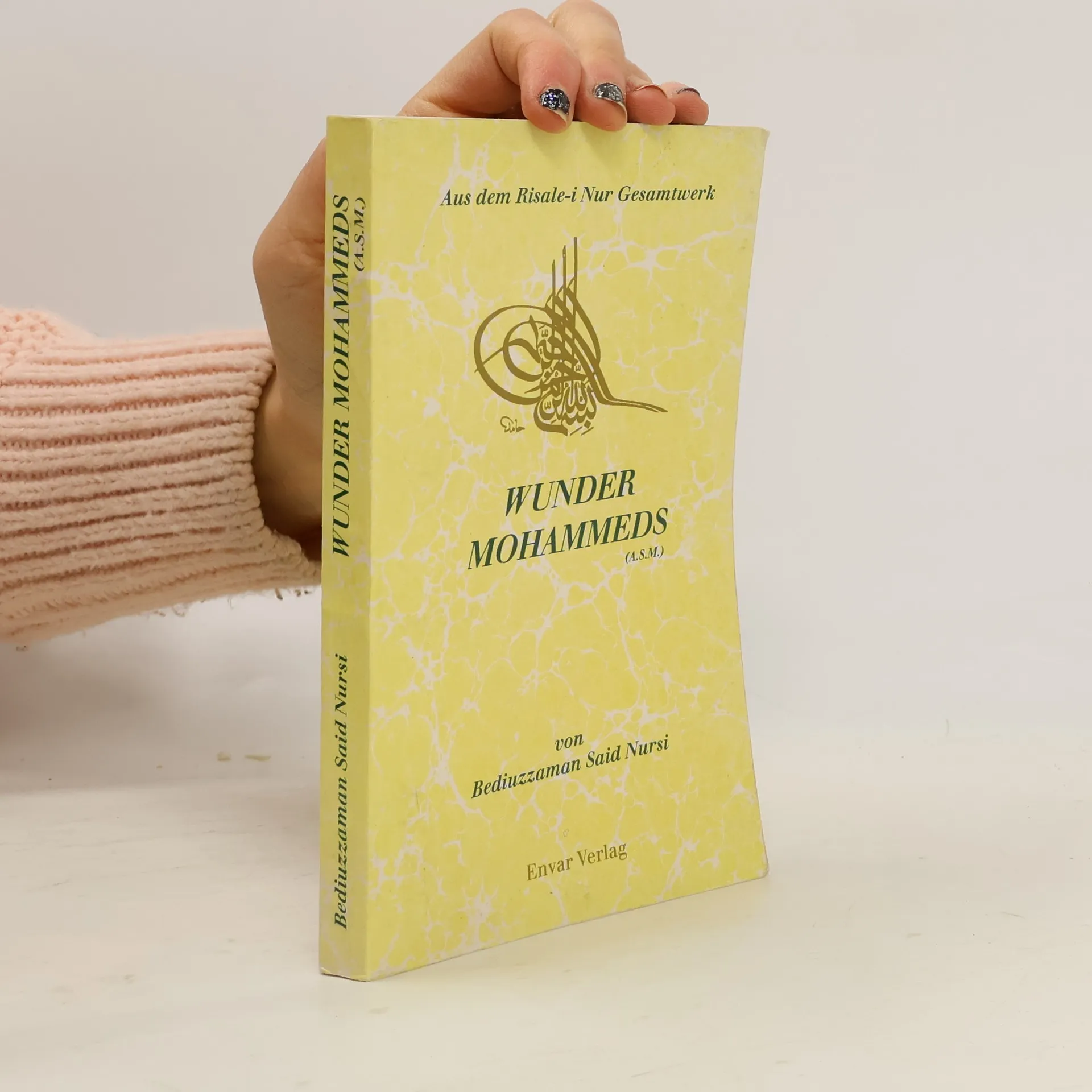
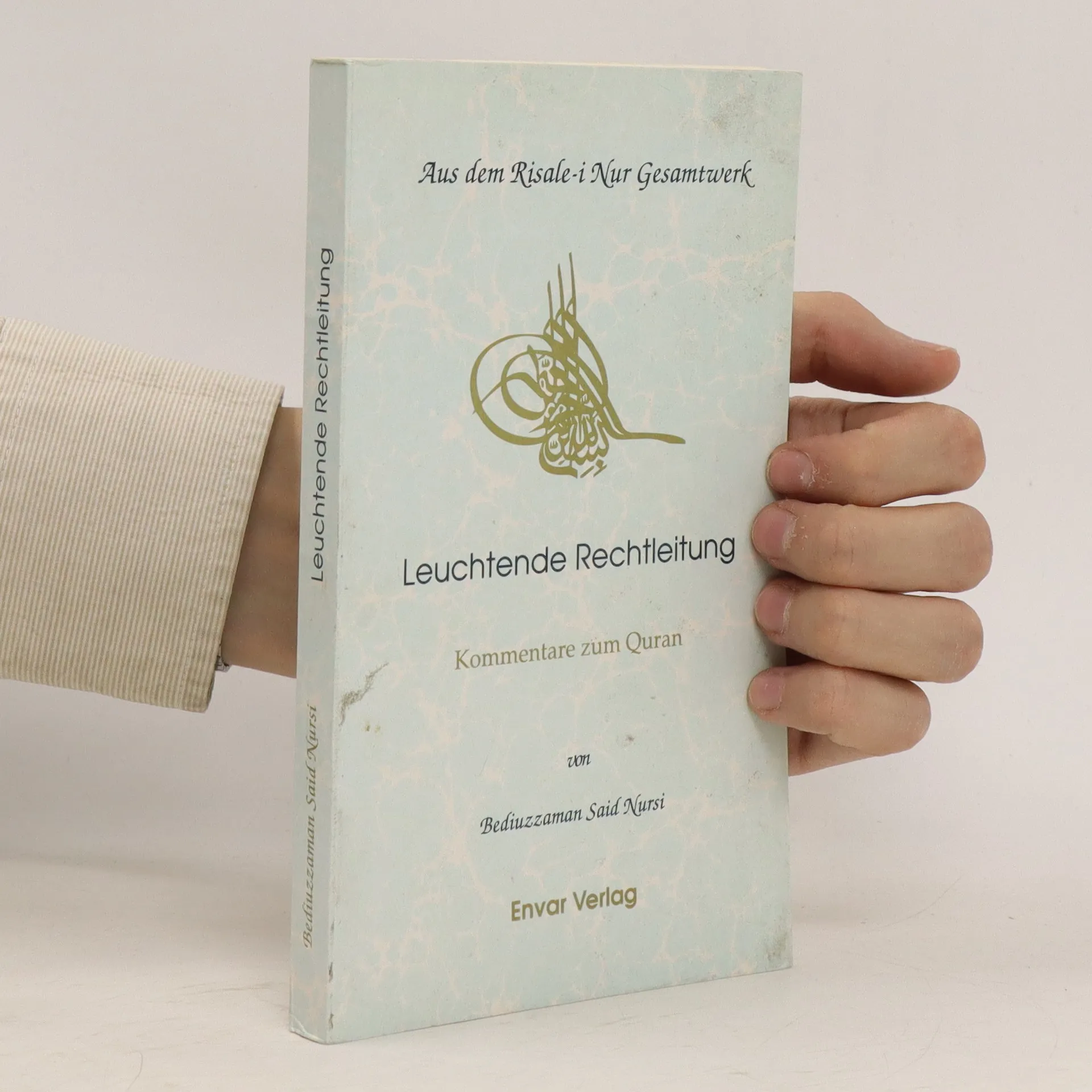
Kommentar zum Qur'an
Pojednání o přírodě pokládá naturalistický ateismus k zemi bez šance znovuožití a totálně otřásá základními kameny nevíry.
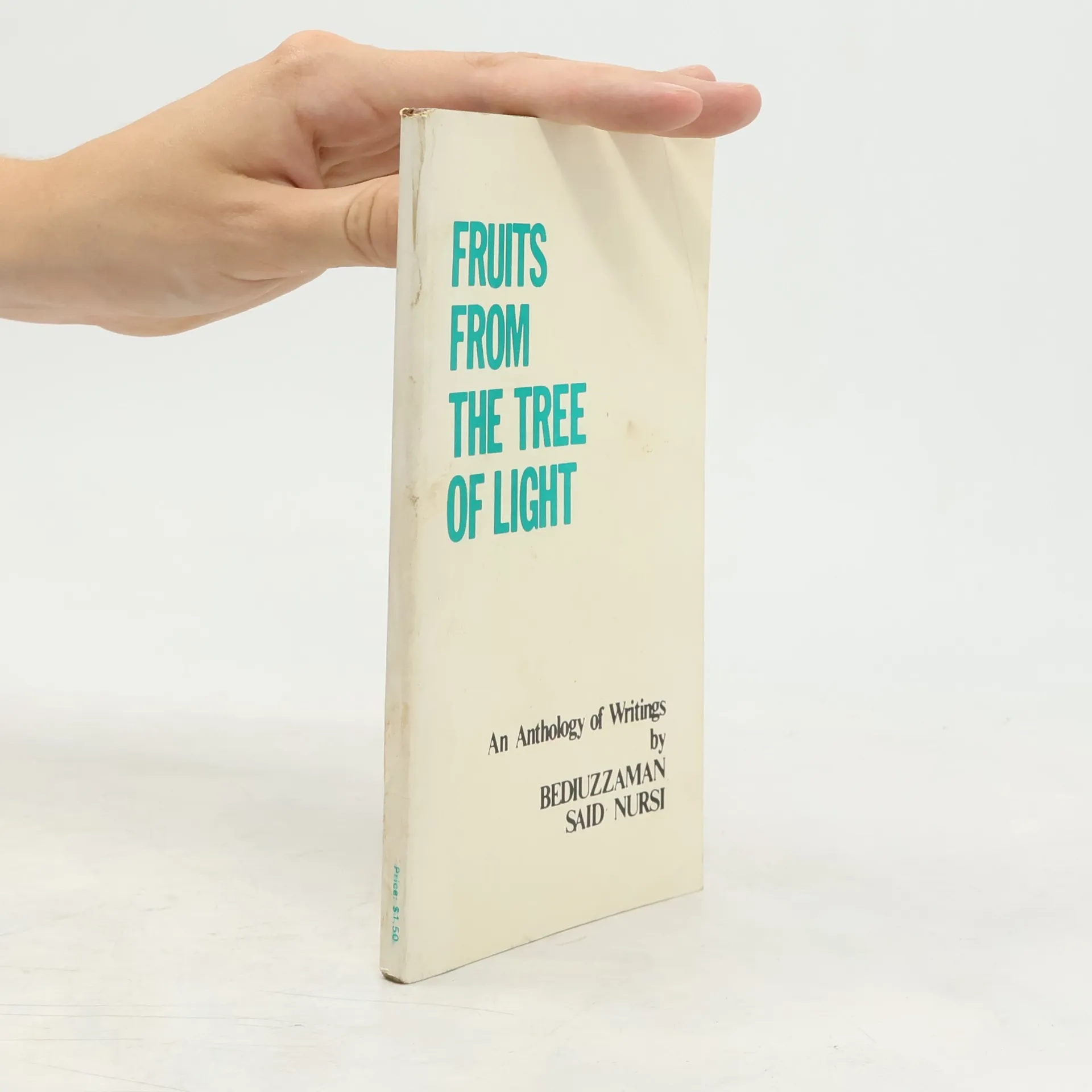
This book is comprised of short topics which explain in a simple style profound truths about life, belief in God and the Hereafter, and worship.
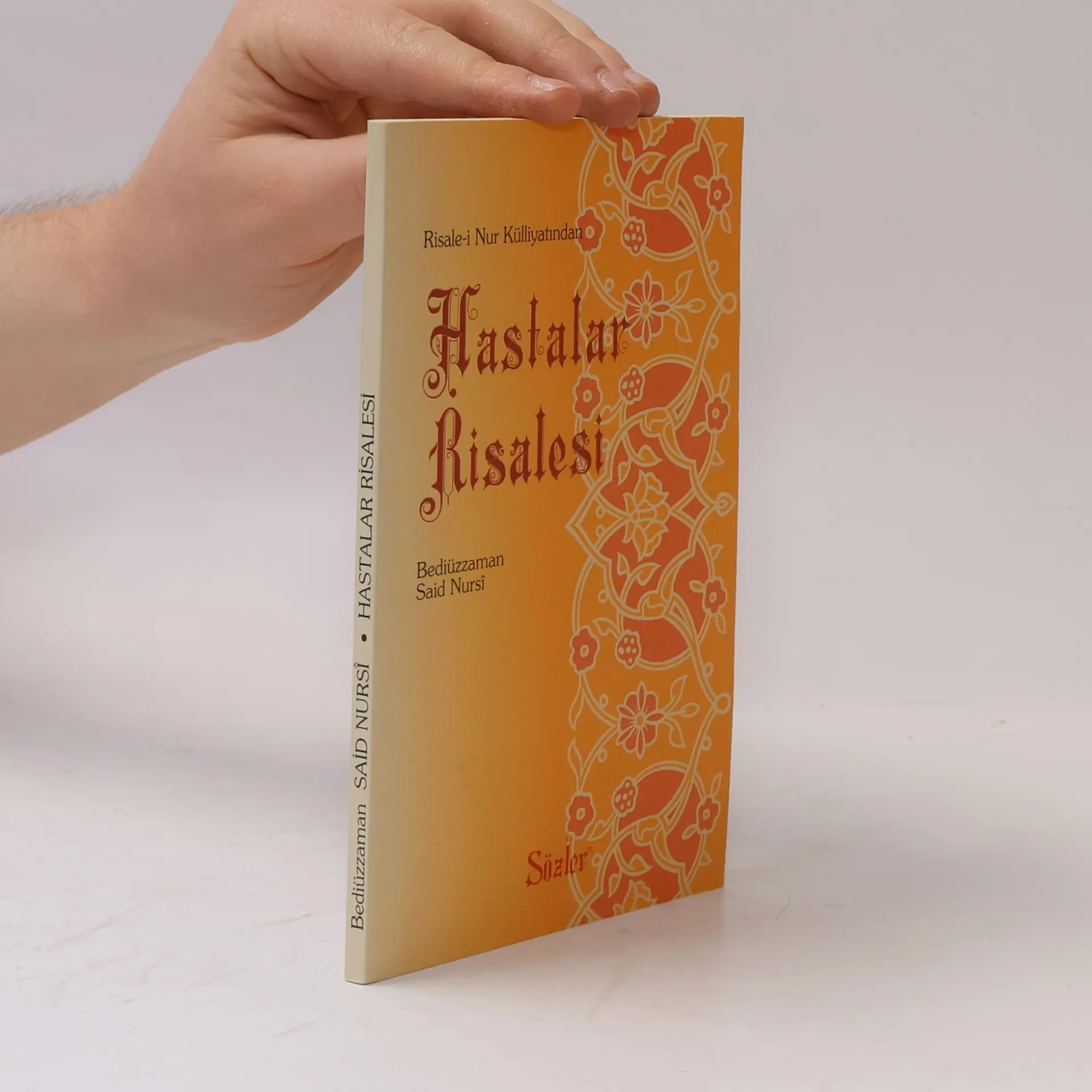
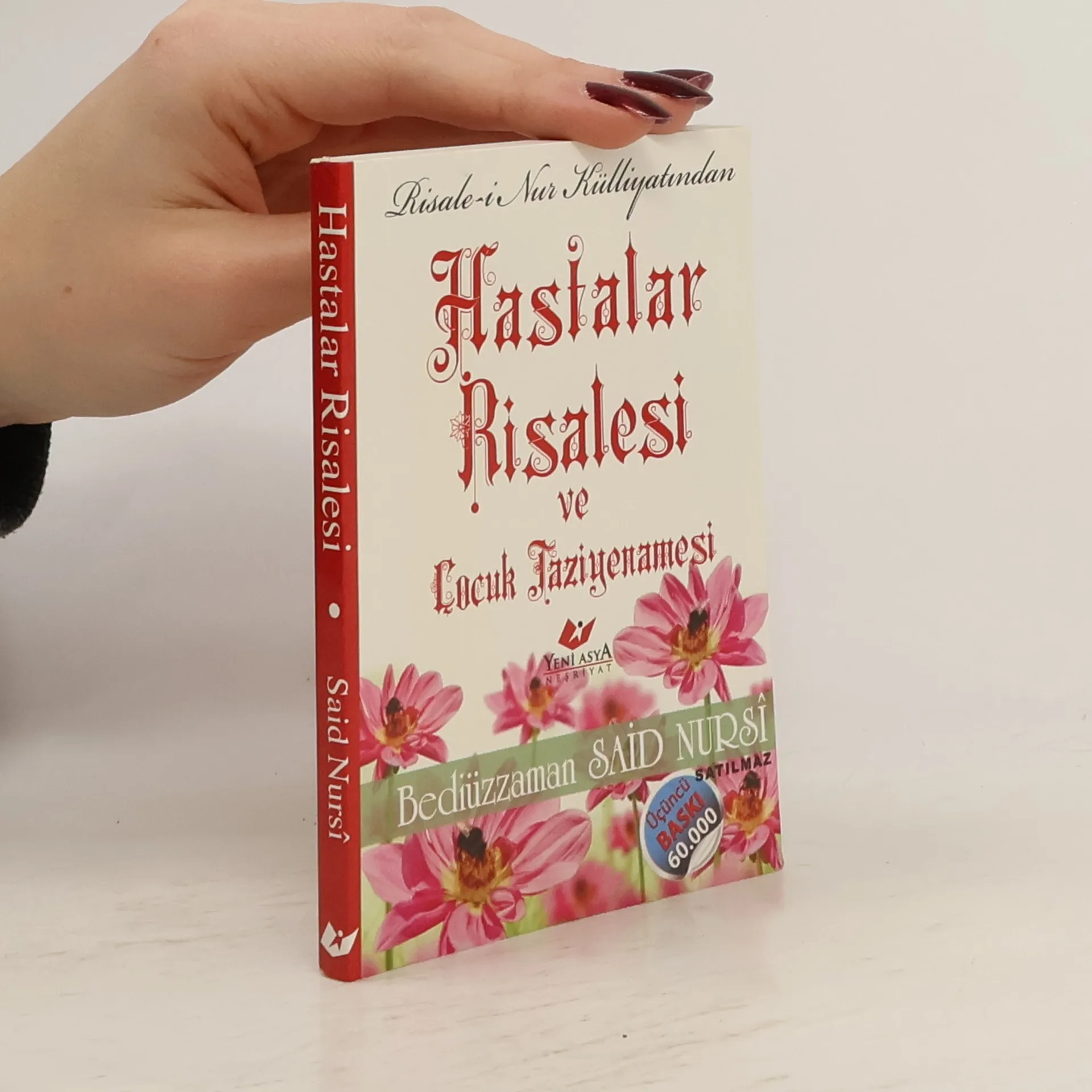
Eğer hastalık olmazsa, sıhhat ve afiyet gaflet verir; dünyayı hoş gösterir; âhireti unutturur... Kabri ve ölümü hatıra getirmek istemiyor... Sermaye-i ömrünü bâd-i heva boş yere sarfettiriyor. Hastalık ise, birden gözünü açtırır. Vücuduna ve cesedine der ki: "Lâyemut değilsin, başıboş değilsin, bir vazifen var. Gururu bırak, seni yaradanı düşün, kabre gideceğini bil, öyle hazırlan." İşte hastalık bu nokta-i nazardan hiç aldatmaz bir nâsih ve ikaz edici bir mürşittir. Ondan şekva değil, belki bu cihette ona teşekkür etmek; eğer fazla ağır gelse, sabır istemek gerektir. Said Nursî
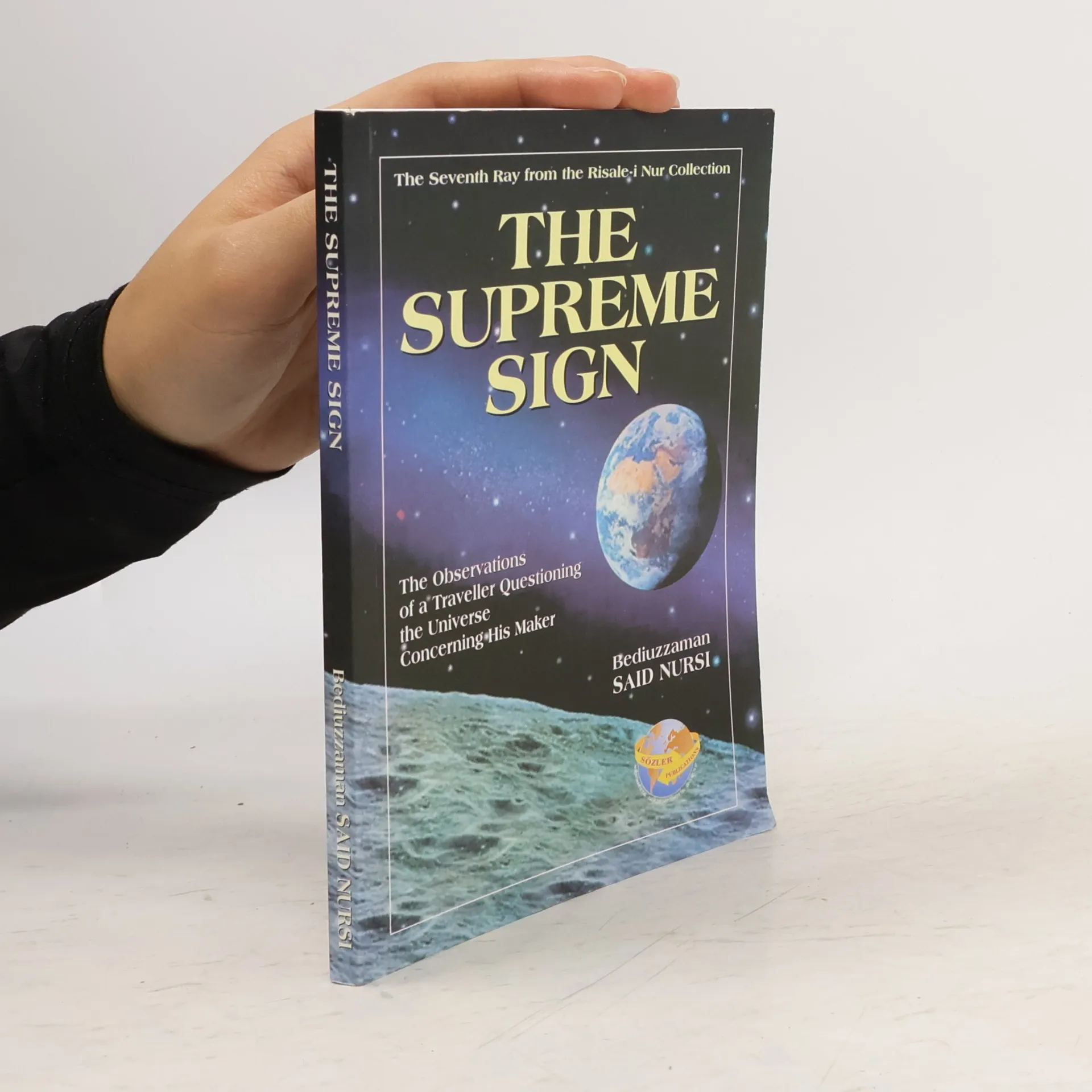
The Observations of a Traveller Questioning the Universe Concerning His Maker
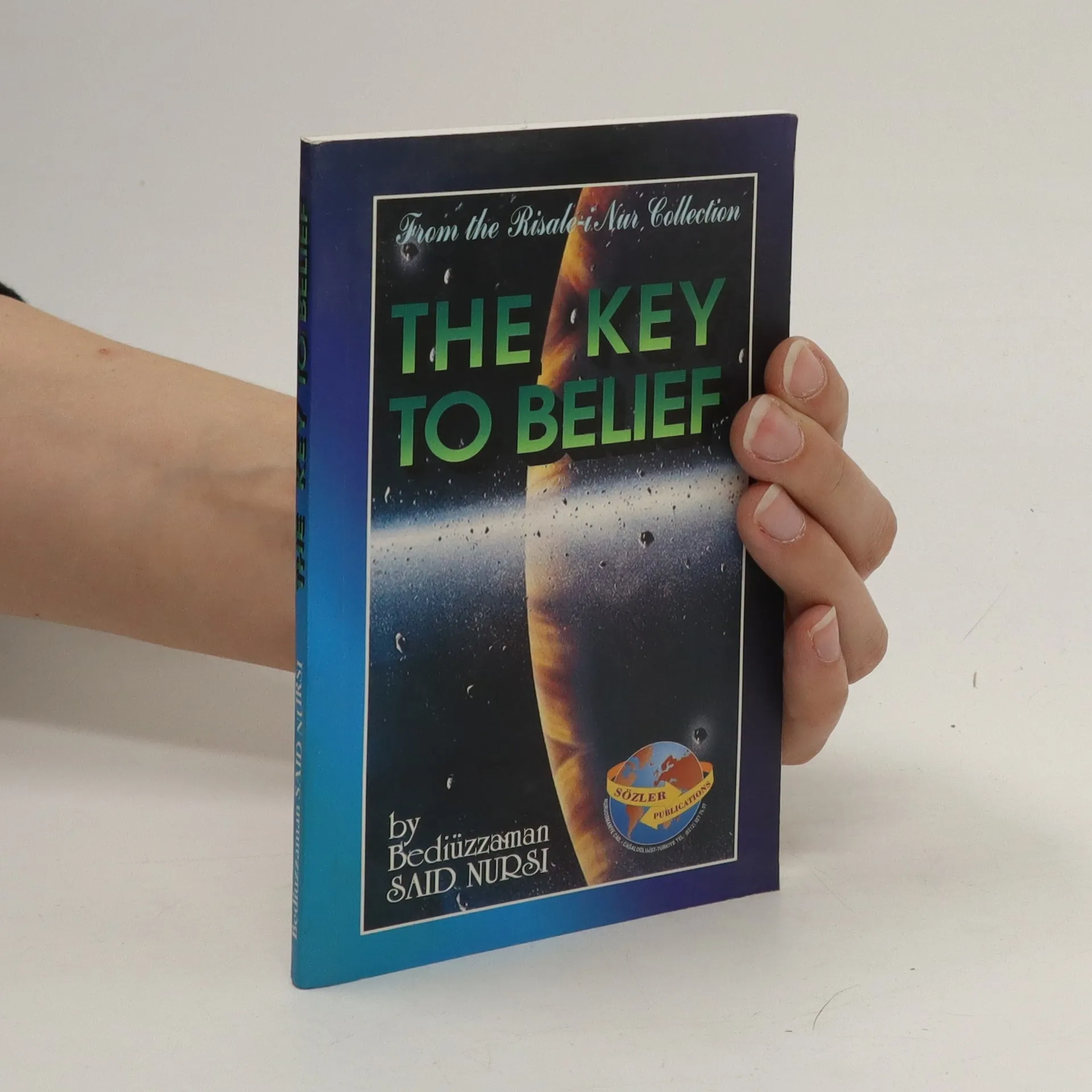
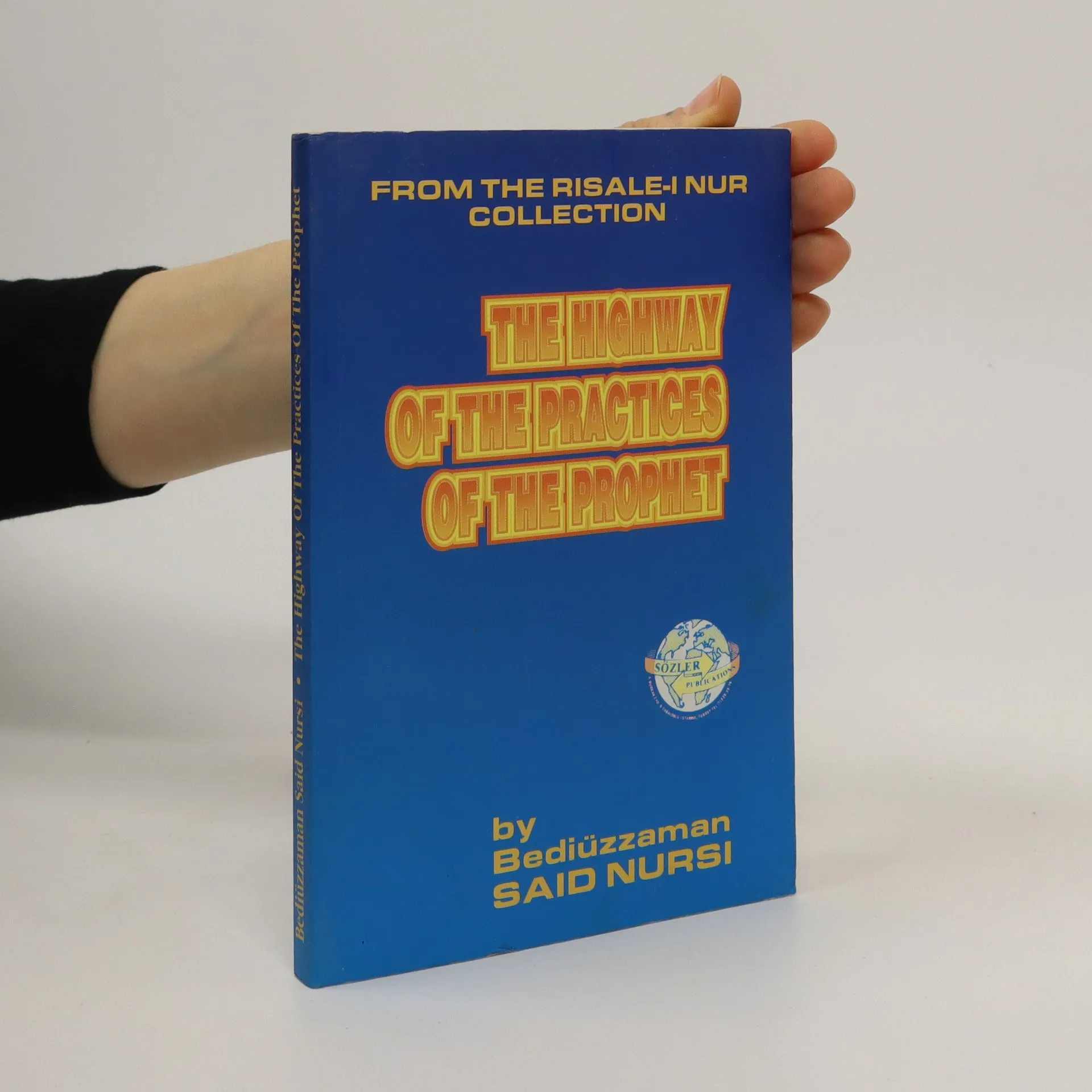
The purpose for the sending of man to this world and the wisdom implicit in it, consists of recognizing the Creator of all beings and believing in Him and worshipping Him. The primordial duty of man and the obligation incumbent upon him are to know God and believe in Him, to assent to His Being and unity in submission and perfect certainty. "For man, who by nature desires permanent life and immortal existence, whose unlimited hopes are matched by boundless afflictions, any object or accomplishment other than belief in God, knowledge of God and the means for attaining these, which are the fundament and key of eternal life - any such object or accomplishment must be regarded as lowly for man, or even worthless in many cases.
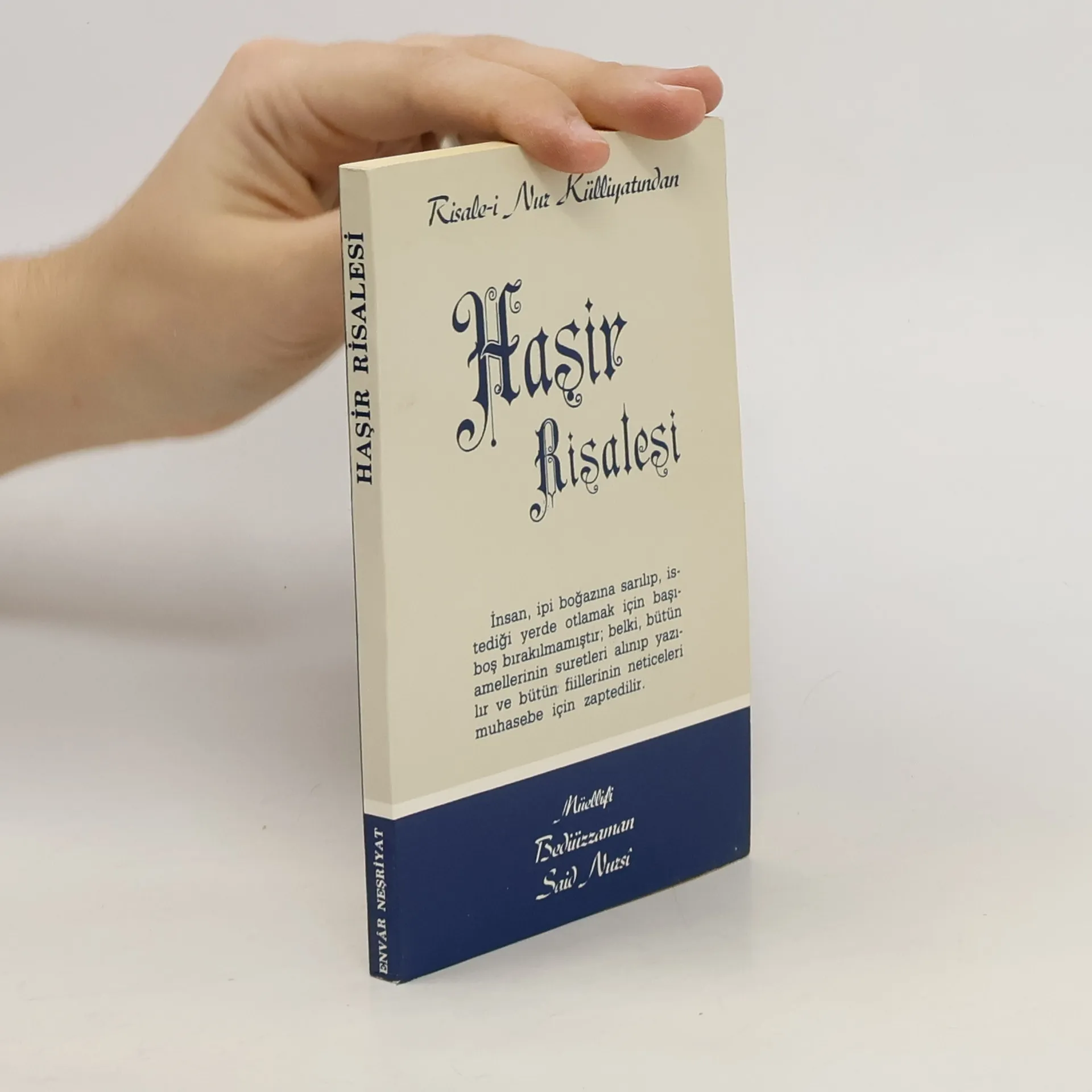
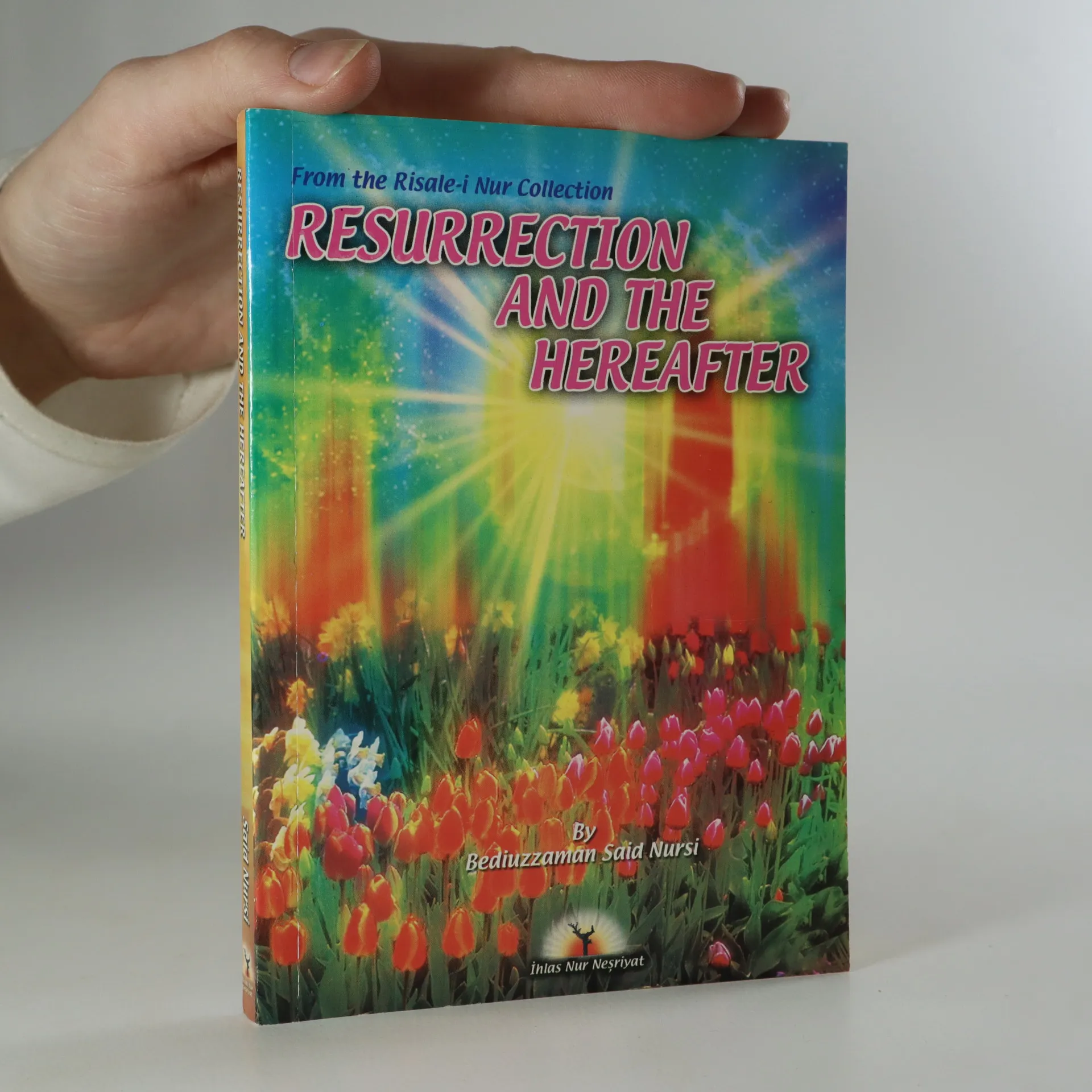
This book is a collection of letters and treatises by Bediuzzaman about resurrection and its basis in Islam. It includes the famous 10th Word from the book The Words.
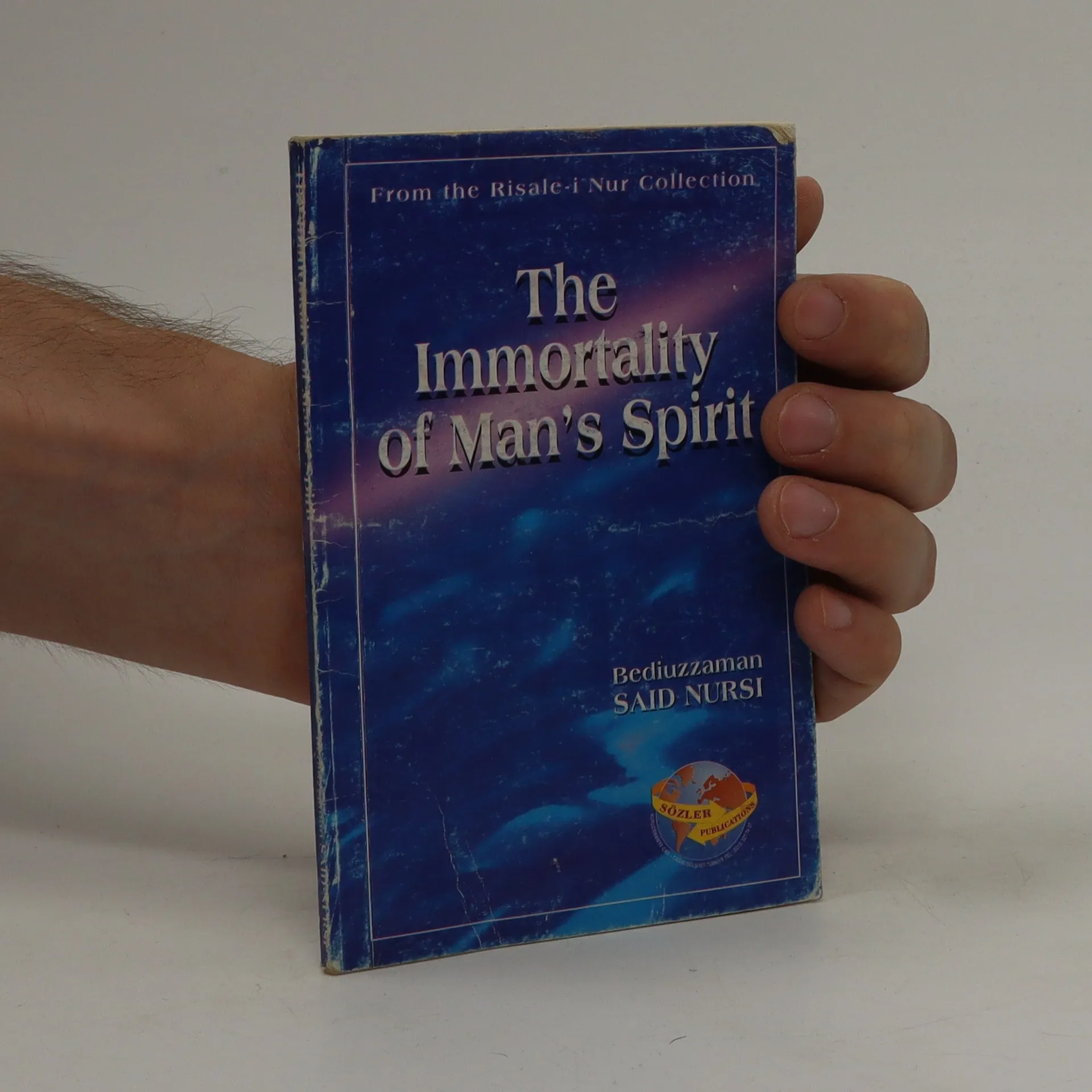
This book presents brilliant yet easily understood proofs for aspects of the spirit realms beyond the immortality of man's spirit, the angels, and the life of the Hereafter, together with the end of the world and the resurrection of the dead.
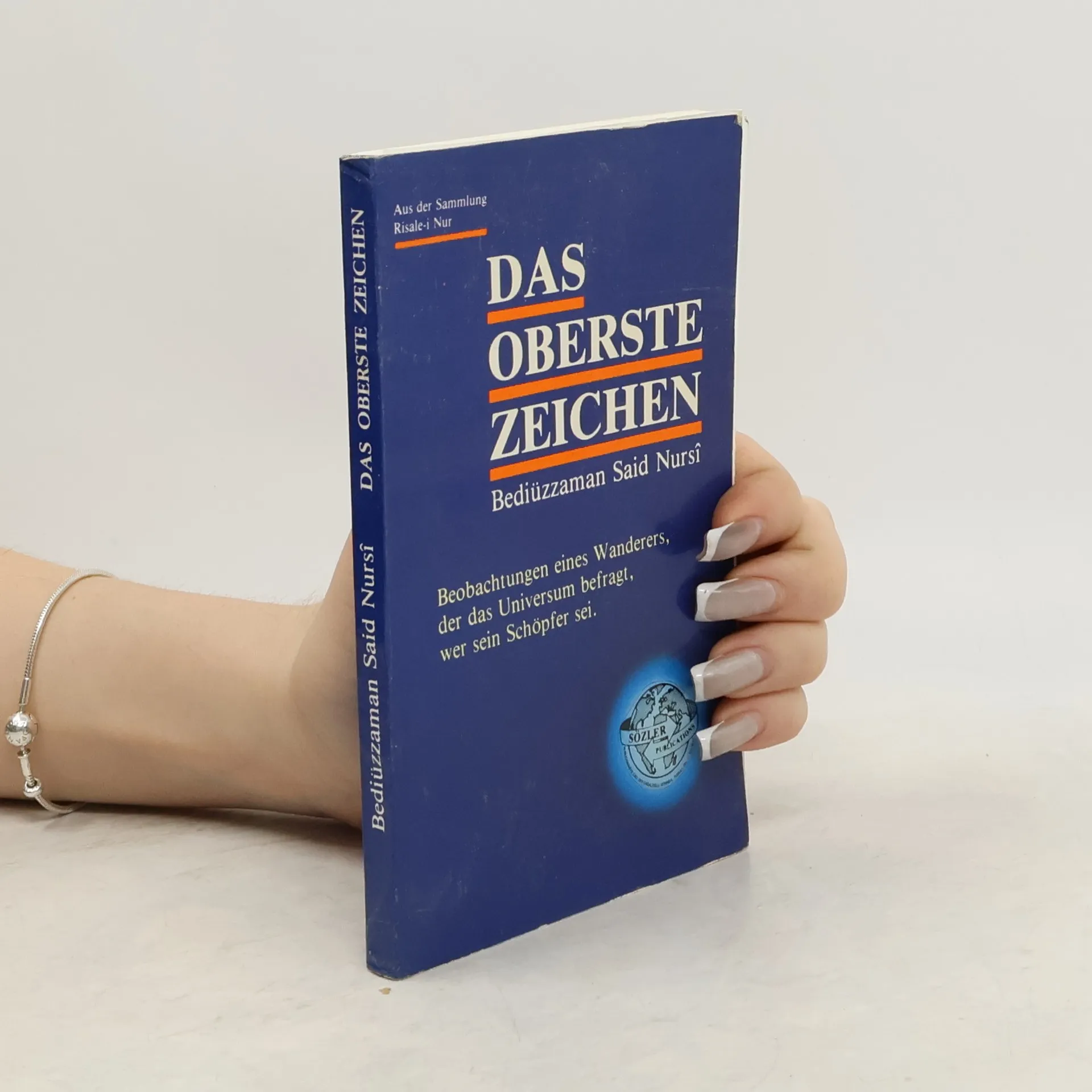
Beobachtungen eines Wanderers, der das Universum befragt, wer sein Schöpfer sei
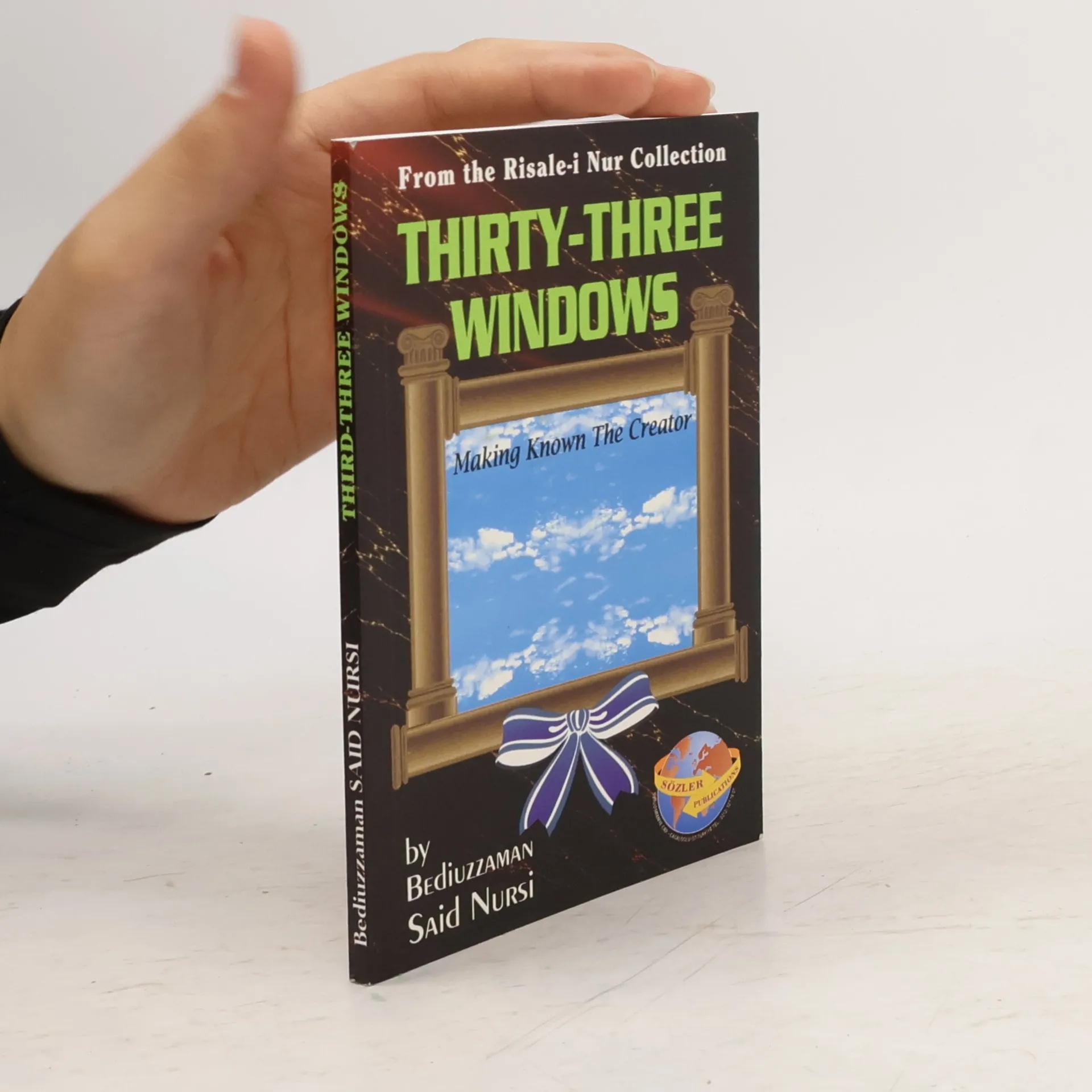
This book offers concise explanations and lucid proofs of how man and the universe point to the Necessary Existence and Unity of God.
İnsanın o yüksek ruhunu inbisat ettiren, ibadettir; istidadlarını inkişaf ettiren, ibadettir; meyillerini temyiz ve tenzih ettiren, ibadettir; emellerini tahakkuk ettiren, ibadettir; fikirlerini tevsi' ve intizam altına alan, ibadettir...