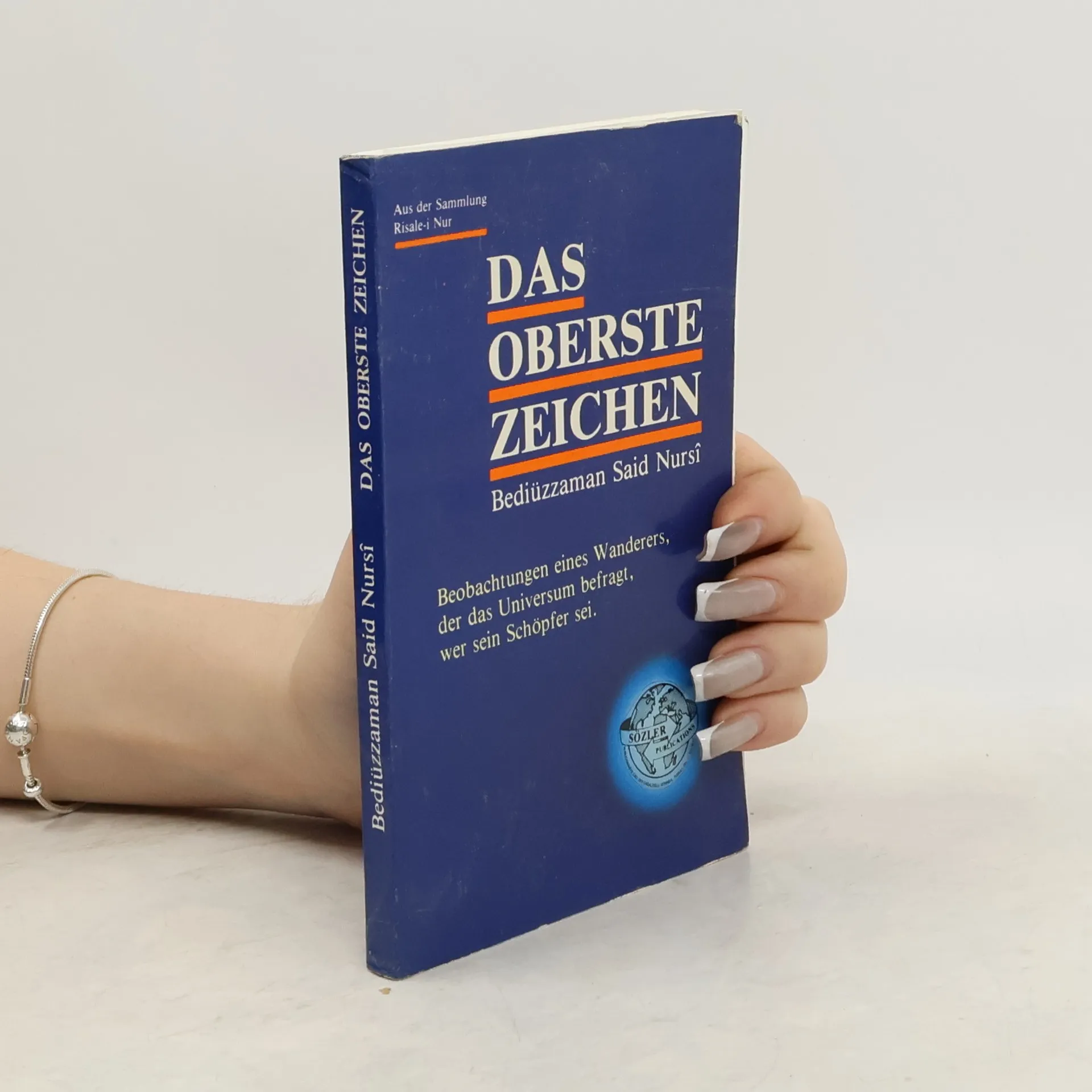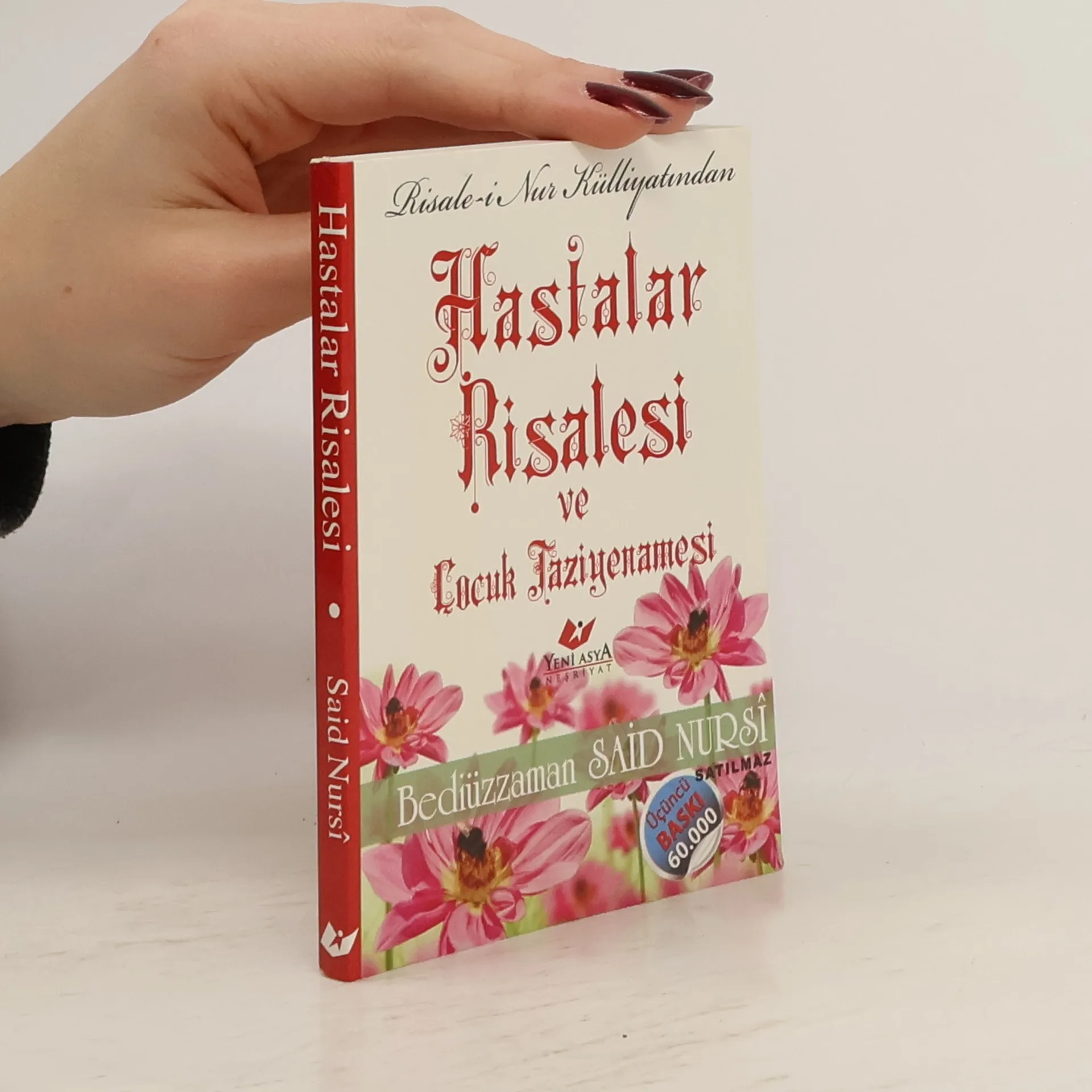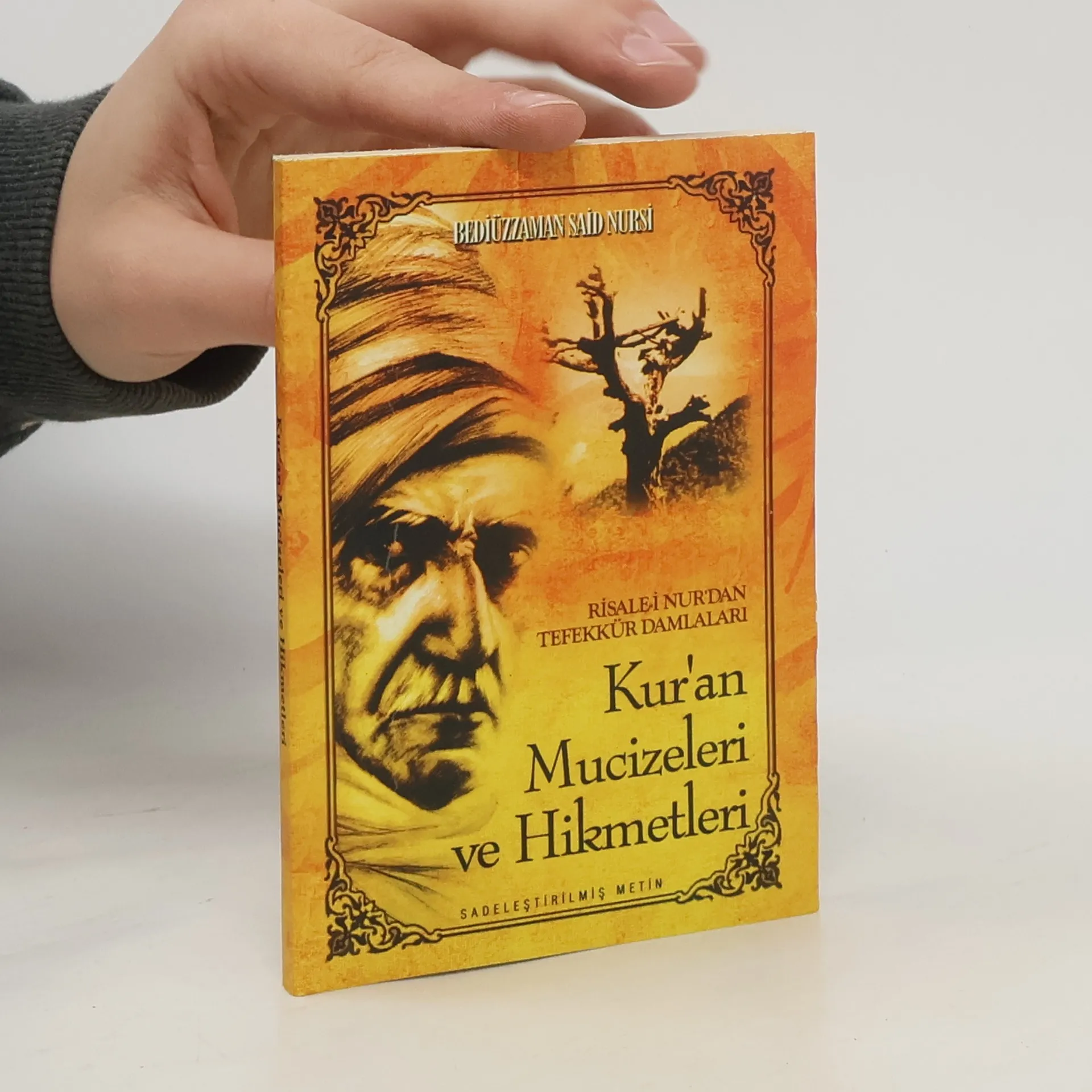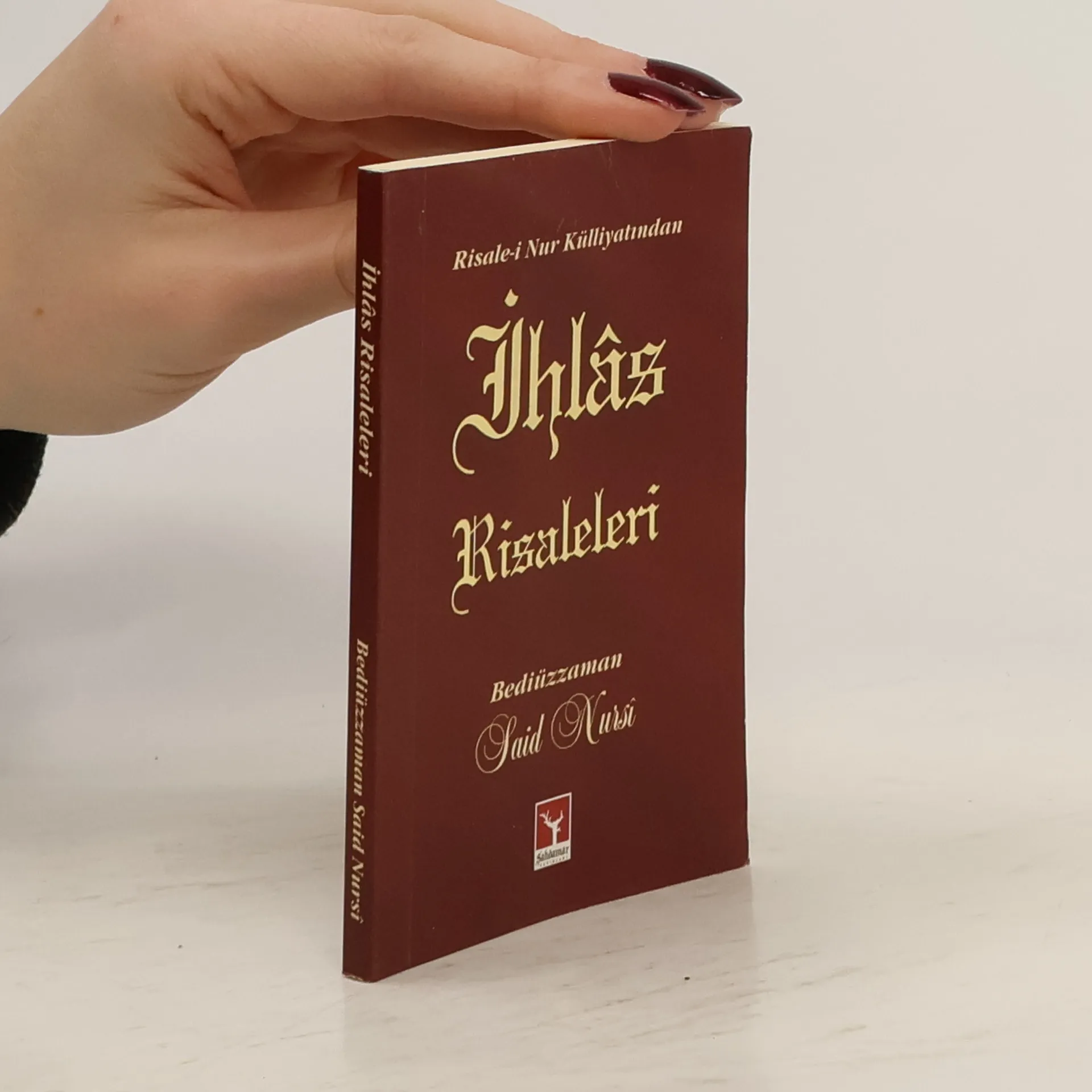
Explore the latest books of this year!
Bookbot

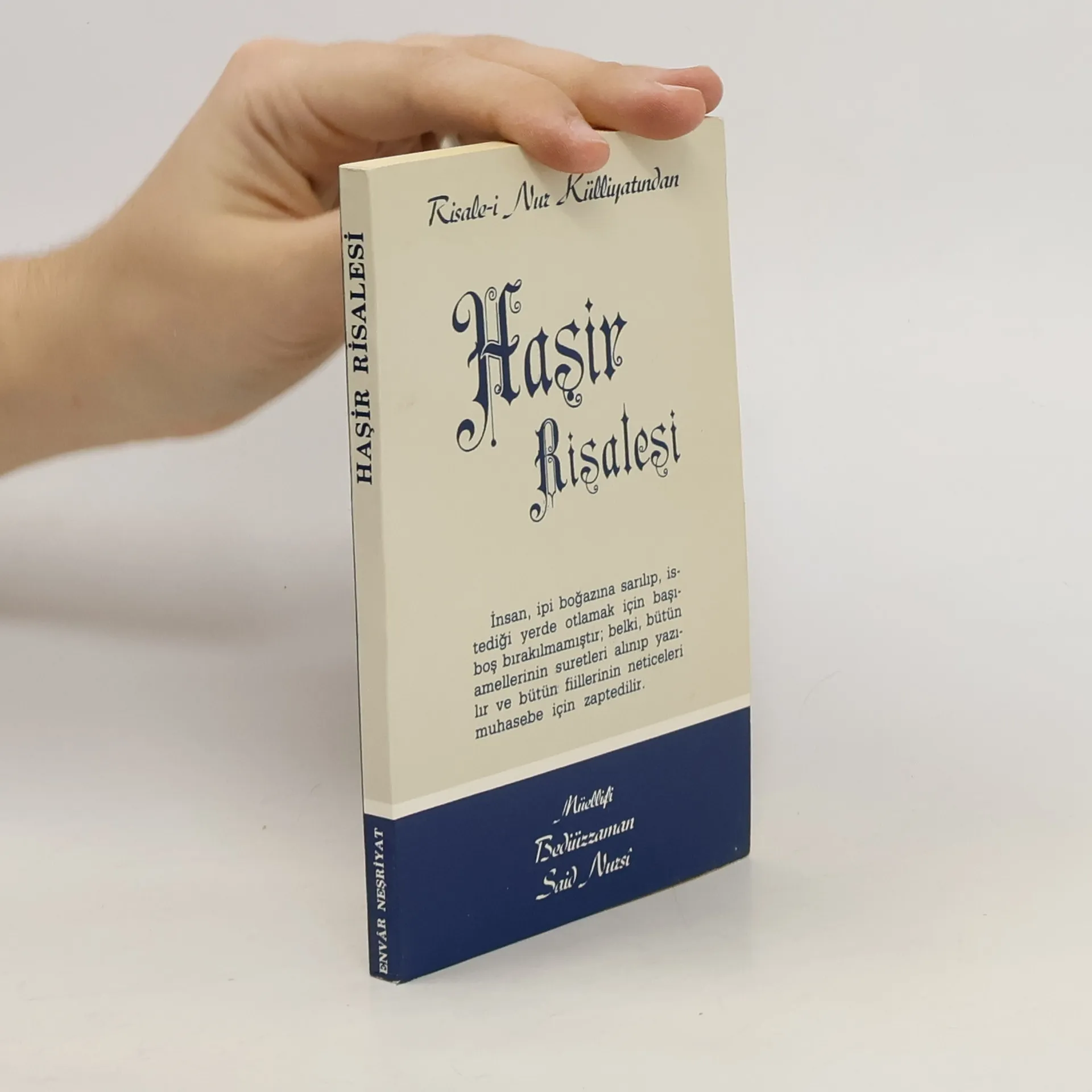
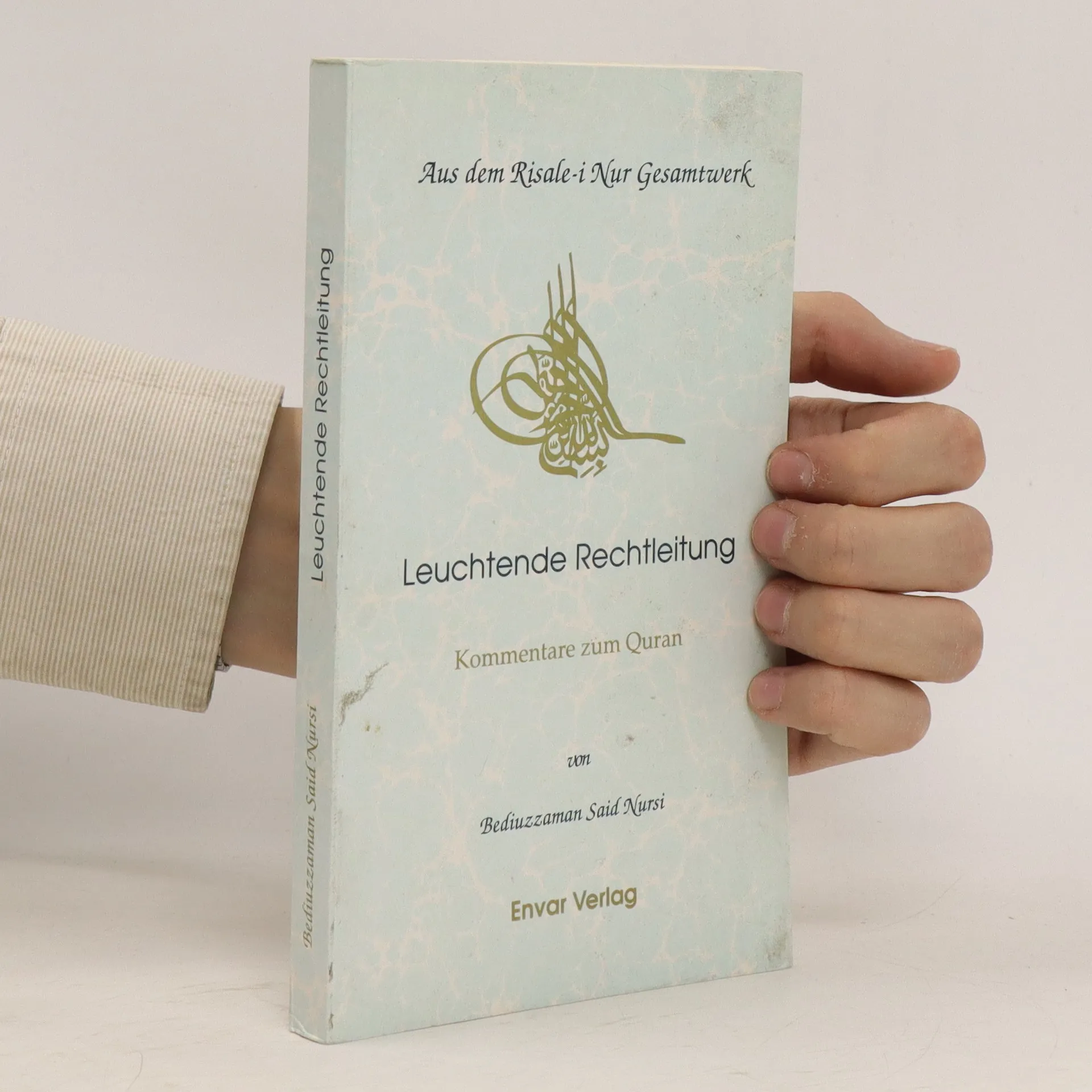
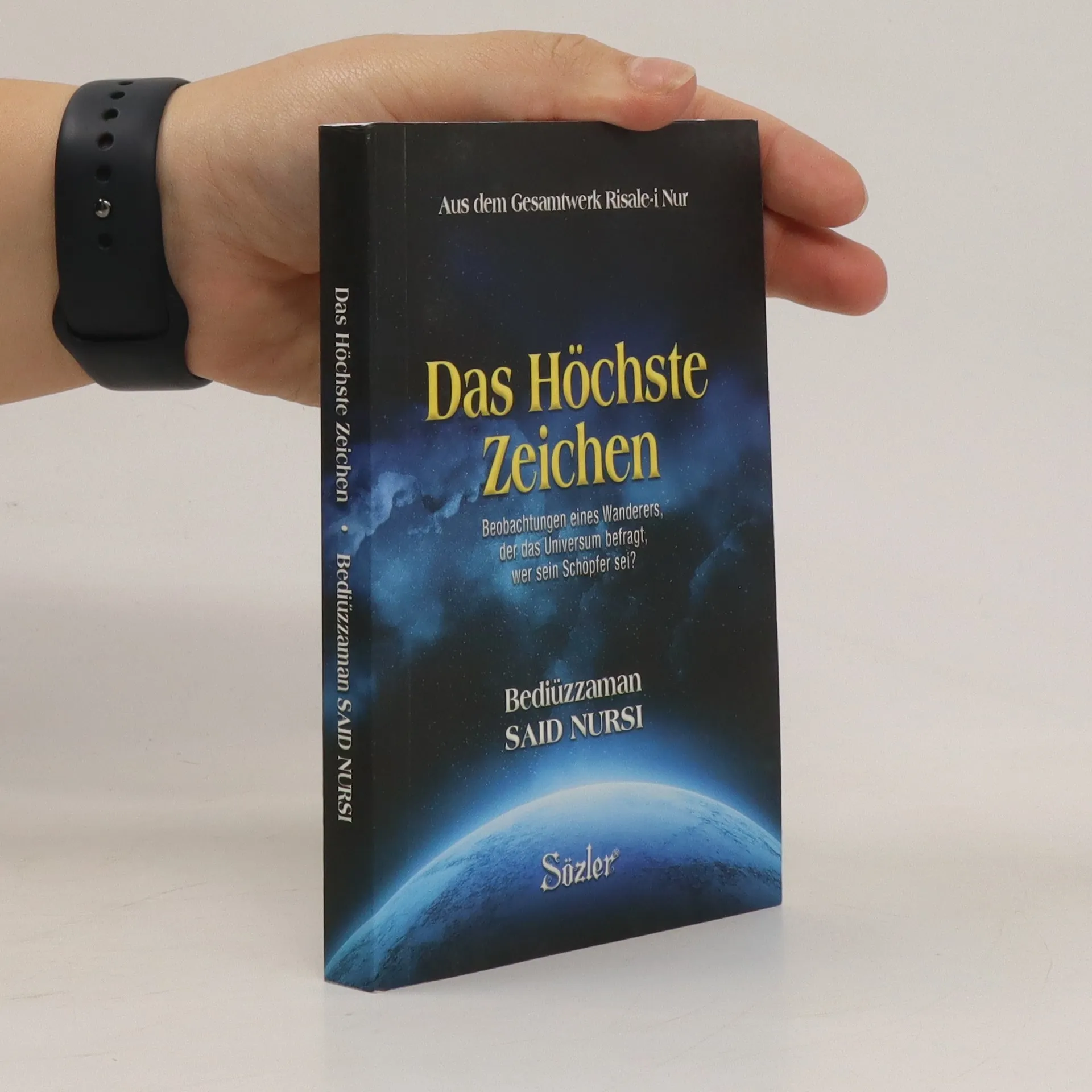
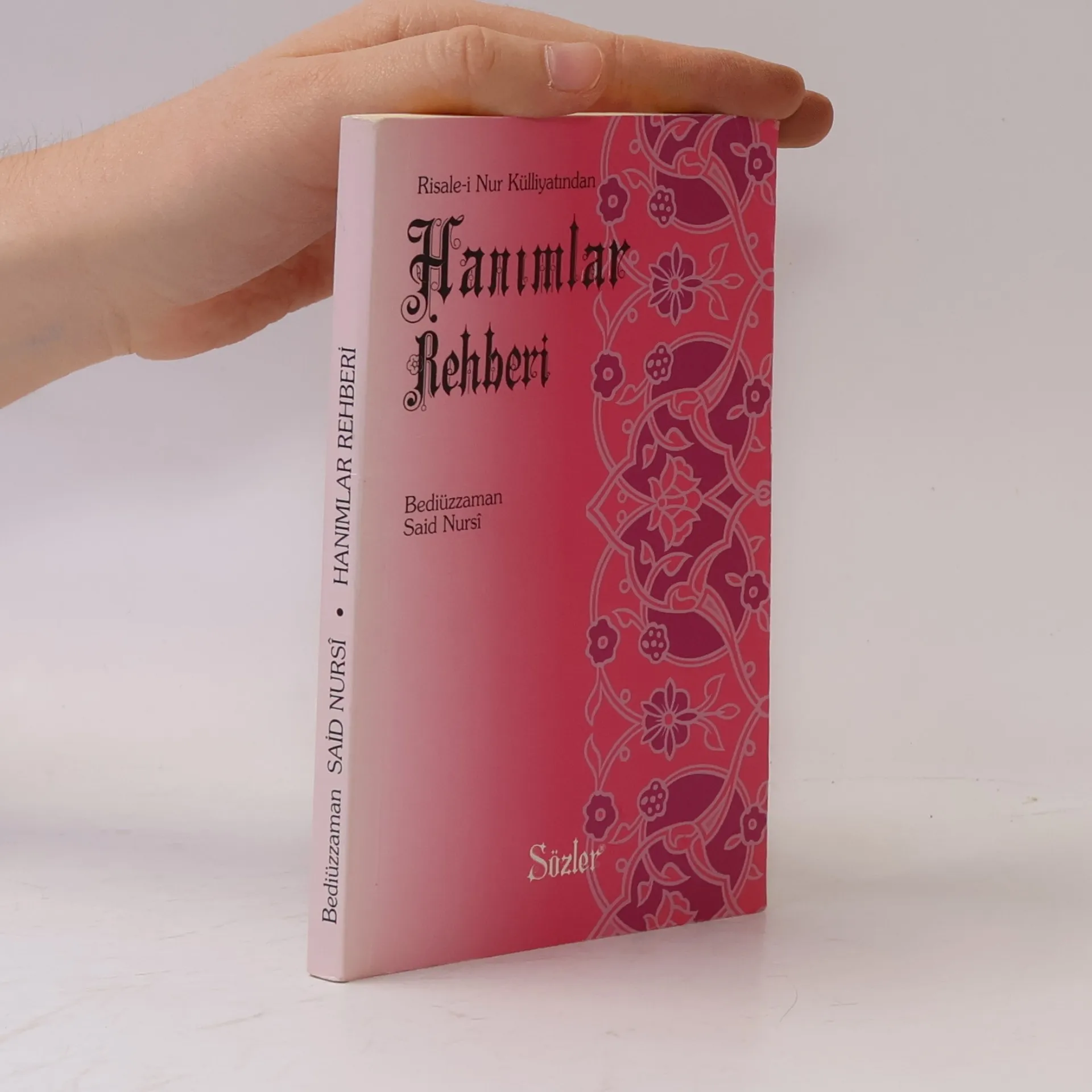
Said Nursî

    January 1, 1877 – March 23, 1960

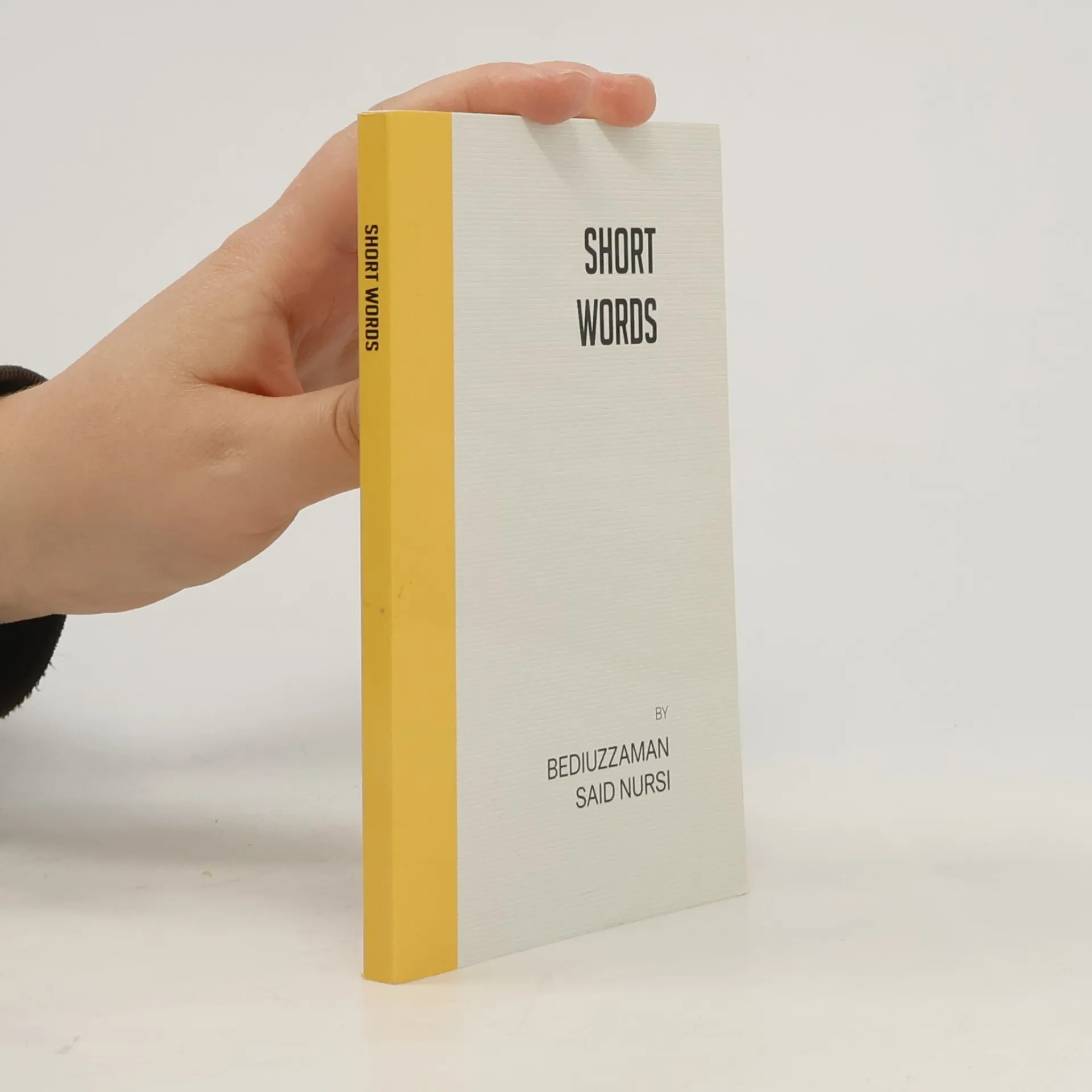
    Said Nursî was an Islamic scholar whose extensive work focuses on Qur'anic commentary. His writings, collected under the title "Risale-i Nur" (Letters of Light), offer profound spiritual and philosophical insights. Nursî emphasized the struggle against materialism and communism, seeking bridges between different faiths. His thought appeals to readers seeking spiritual guidance and ethical direction in the modern world.

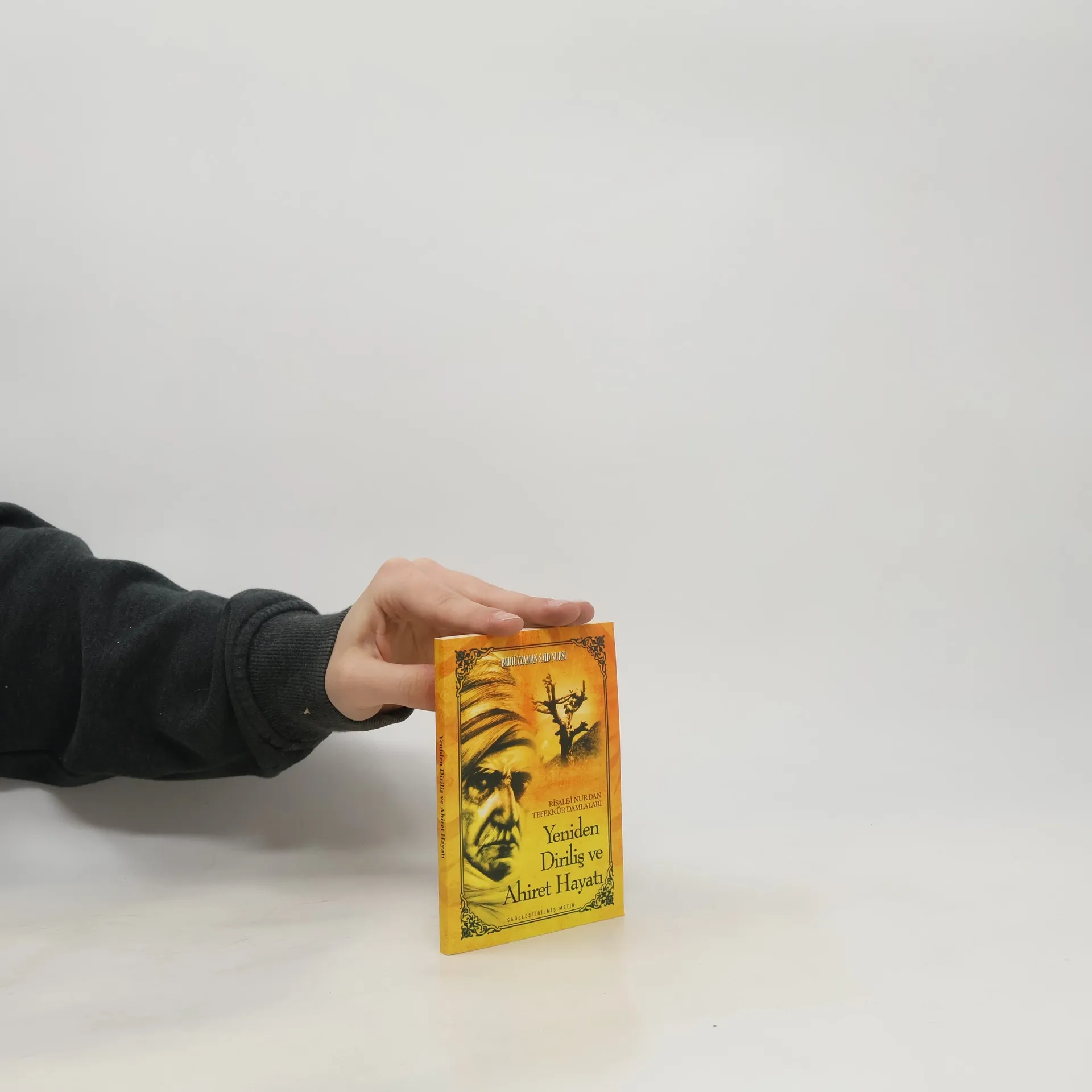
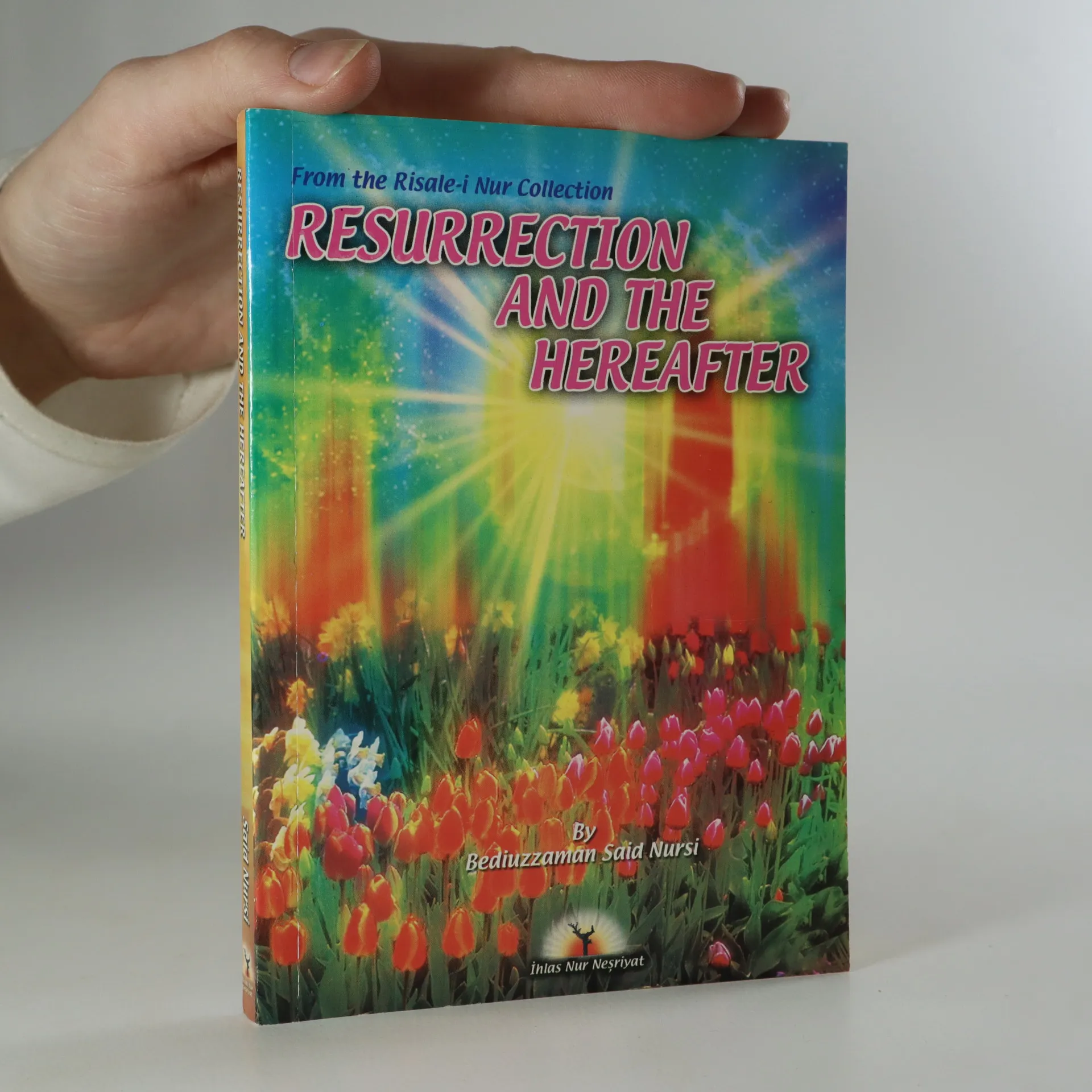
    Resurrection And The Hereafter
    Nature. Cause or Effect?
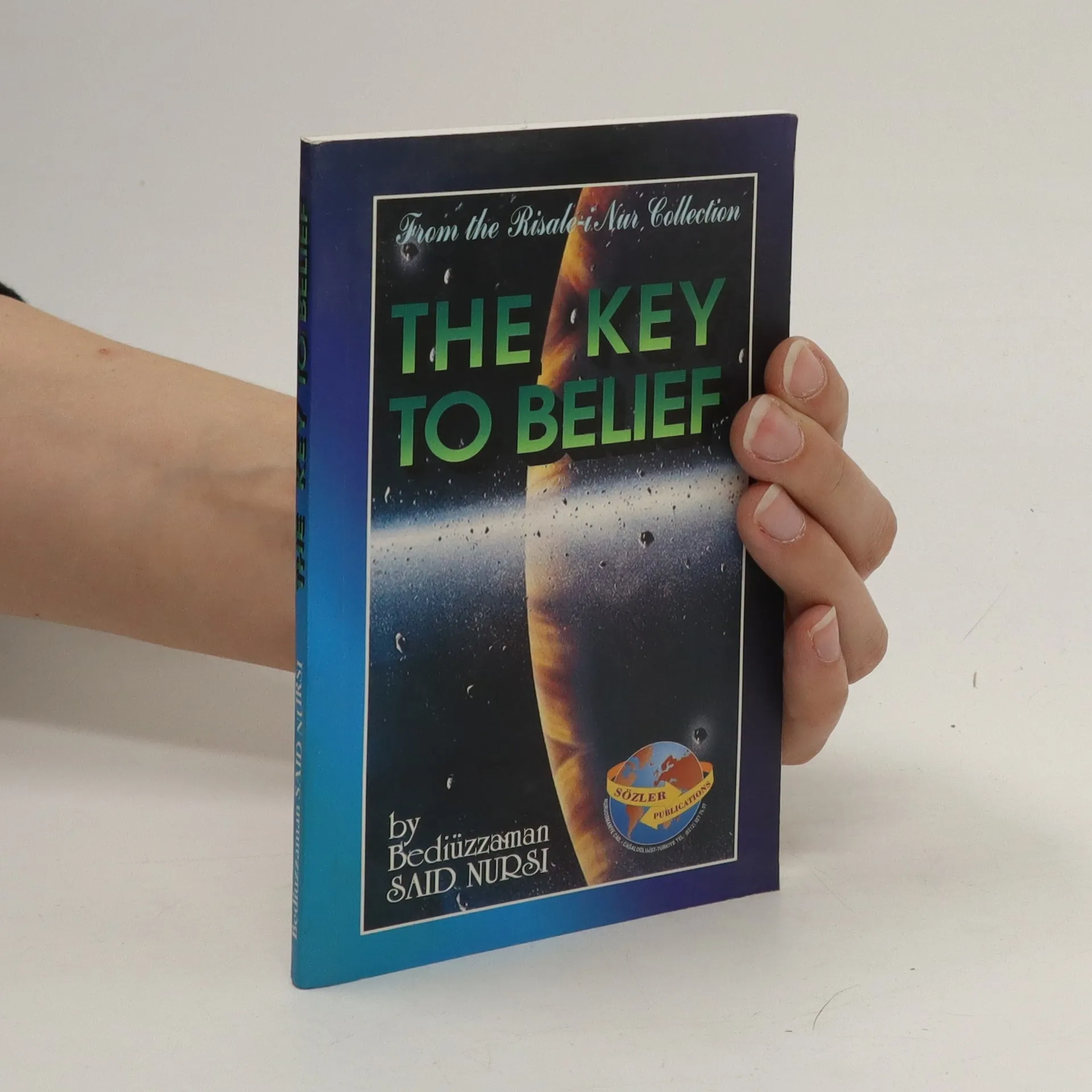
    The Key to Belief
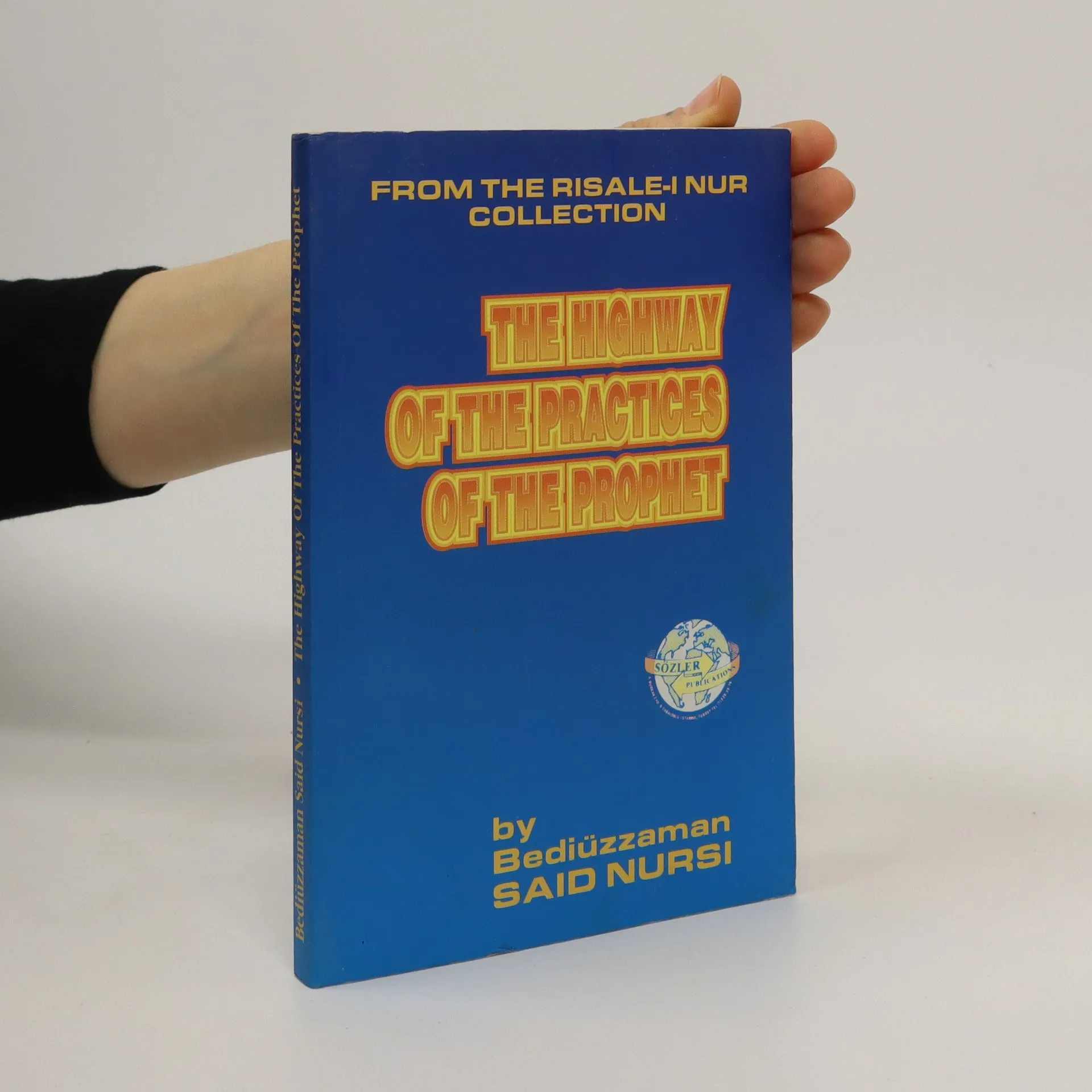
    The Highway of the Practices of the Prophet
    The Immortality of Man's Spirit
    Message for the Sick and Elderly: The 25th and 26th Flash from the Risale-i Nur Flashes Collection
    • A lot of sicknesses and disabilities, especially those associated with old age, can seem daunting—greying hair, wrinkles, forgetting where you parked the car, etc. Aging can bring about unique health issues.This book is comprised of ‘Remedies’ springing from the Qur’an which show that sicknesses and disabilities contain many benefits and instances of wisdom, and offer a true cure and consolation for both the physically sick and those wounded by unbelief and misguidance.

      Message for the Sick and Elderly: The 25th and 26th Flash from the Risale-i Nur Flashes Collection
    • The Immortality of Man's Spirit

      • 78 pages
      • 3 hours of reading

      This book presents brilliant yet easily understood proofs for aspects of the spirit realms beyond the immortality of man's spirit, the angels, and the life of the Hereafter, together with the end of the world and the resurrection of the dead.
      The Immortality of Man's Spirit
    • This book is a collection of letters and treatises by Bediuzzaman about resurrection and its basis in Islam. It includes the famous 10th Word from the book The Words.

      Resurrection And The Hereafter
    • Zehntes Wort

      über Gott und das Leben nach dem Tod

      Gibt es einen Schöpfergott? Werden wir nach dem Tod zu nichts? Oder werden wir als geistige Wesen weiterleben? Wird vielleicht sogar unser Körper neu „zusammengebaut“ und wiederauferstehen? Auf diese drei existenziellen Fragen gibt der Lehrmeister Bediuzzaman Said Nursi (gest. 1960) mithilfe von Gleichnissen vernunftbasierte Antworten. Ihm zufolge können nicht nur den heiligen Schriften, sondern auch den Phänomenen der Natur deutliche Hinweise auf die Existenz Gottes und ein Leben nach dem Tod entnommen werden. Mit einer lebendigen Sprache und plausibler Gedankenführung legt Bediuzzaman seine Argumente für die Existenz Gottes und die Auferstehung nach dem Tod dar. So ebnet er einen erhabenen Weg des Verstandes zum abrahamitischen Glauben. Das Zehnte Wort lädt seine Leserschaft zum Nachdenken über diese Grundwahrheiten ein.

      Zehntes Wort